
Table of Contents >> Show >> Hide
- What Is Taste by Paola Navone?
- Who Is Paola Navone, and Why Does Her Work Feel So Alive?
- What Makes Taste by Paola Navone Stand Out?
- Key Pieces in the Collection
- Why Taste Works So Well on a Real Table
- Taste in the Context of Paola Navone’s Larger Design World
- How to Style Taste by Paola Navone at Home
- The Experience of Living With Taste by Paola Navone
- Final Thoughts
- SEO Tags
There are plenty of white porcelain collections in the world. Some are lovely. Some are elegant. Some are so quiet they practically apologize for being on the table. Taste by Paola Navone is not one of those collections. It is white porcelain with posture. It is restrained, yes, but it also has a sly sense of theater. In other words, it behaves the way many great hosts do: polished at first glance, unforgettable once dinner starts.
Designed by Italian architect and designer Paola Navone for the German porcelain maker Reichenbach, Taste is one of those tabletop collections that proves minimalism does not have to be boring and ornament does not have to be fussy. It sits in the sweet spot between sculpture and utility, between old-world reference and modern appetite. You can serve a single croissant on it and suddenly feel more organized than you actually are. That is the power of good design. Also, caffeine helps.
What Is Taste by Paola Navone?
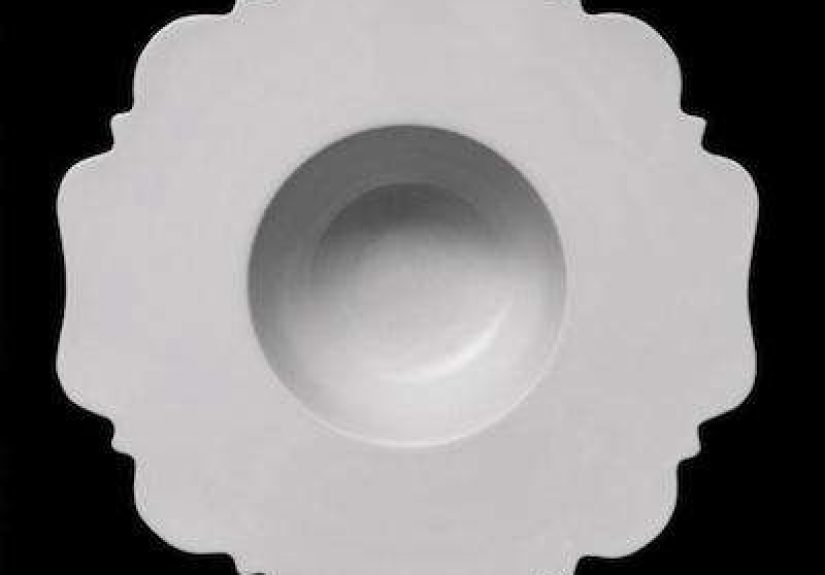
Taste is a porcelain dinnerware and serving collection created by Paola Navone for Reichenbach, a historic Thuringian porcelain manufacturer with roots dating back to the 19th century. The collection is notable for its broad, graphic rims, curving silhouettes, and updated references to neo-baroque and historical forms found in Reichenbach’s archive. Instead of copying the past outright, Navone reshapes it into something lighter, sharper, and much more contemporary.
That tension is exactly what makes the line memorable. Taste does not scream for attention with bright color or loud decoration. The drama comes from shape. Plates feel sculpted rather than stamped out. Bowls seem to land somewhere between formal dinnerware and gallery object. Saucers carry delicate bead-like relief, while cups get an extra flourish from handles that extend inward in an unexpectedly playful way. The result is a collection that feels ceremonial without becoming stiff.
And yes, that matters. Tableware is one of the few design categories we literally hold in our hands several times a day. A chair can impress from across the room, but a plate has to survive the much harsher test of actual life: breakfast, guests, leftovers, dessert, and the occasional person who insists on balancing three appetizers on one small dish like a tiny circus act. Taste works because it looks refined while still being made for real use.
Who Is Paola Navone, and Why Does Her Work Feel So Alive?
An architect with a collector’s eye
Paola Navone is not the kind of designer who stays in one lane. Over the course of a career spanning more than four decades, she has worked as an architect, product designer, interior designer, art director, and curator. She studied architecture in Turin, moved through the radical design energy that influenced groups like Alchimia and Memphis, and built a reputation for work that combines sophistication with mischief. If many modern collections aim for perfection, Navone is often more interested in personality.
That outlook helps explain why Taste feels so human. Navone’s design language has long blended the flavor of travel, the charm of craft, and the freedom of mixing references that do not always “belong” together on paper. She has drawn inspiration from Europe, Asia, the Mediterranean, and traditional handmade objects from around the world. In her best work, polished surfaces and rough textures, simplicity and decoration, humor and elegance all manage to coexist without starting a fight.
Why her background matters for this collection
Taste is not interesting just because it is pretty. It is interesting because it reads like a condensed version of Navone’s entire philosophy. She loves everyday objects, but she rarely leaves them ordinary. She appreciates tradition, but she does not preserve it under glass like a museum docent with anxiety. She takes historical forms, loosens them up, and gives them new energy. That is exactly what happens here.
The collection’s contours quote the past, but not in a dusty or nostalgic way. They feel edited, graphic, and current. You can see why Navone has succeeded across hospitality, furniture, tabletop, and interiors: she understands how objects shape mood. Taste is dinnerware, yes, but it also acts like atmosphere.
What Makes Taste by Paola Navone Stand Out?
1. Shape does the talking
The first thing you notice is the silhouette. Taste pieces have wide borders and softly exaggerated contours that immediately separate them from plain round plates. These edges create a visual frame for food, which is one reason the collection works so well for both everyday dining and restaurant-style plating. Put simply: the plate makes dinner look like it got promoted.
2. White porcelain, but with attitude
White dinnerware can disappear if it is too generic. Taste avoids that trap by using relief, proportion, and outline instead of color overload. The whiteness becomes a stage rather than a blank. Food looks brighter, sauces look richer, and even humble dishes get a little lift. Toast with jam? Chic. Roast chicken? Heroic. A solitary cookie at 10:43 p.m.? Suddenly very intentional.
3. Historical reference without historical baggage
Navone studied forms from Reichenbach’s archive and translated them into broad, abstract shapes that nod to neo-baroque models. That is the secret sauce. The collection has lineage, but it does not look trapped in a formal dining room waiting for a chandelier and a strict aunt named Margaret. It feels easier than that. More relaxed. More modern. More open to being mixed, layered, and used.
4. Decoration used sparingly
One of the smartest moves in the collection is restraint. Instead of loading pieces with pattern, Taste relies on small details, like bead-relief edging on saucers, to provide texture and visual interest. That choice keeps the line elegant while making it versatile enough to live with. It can dress up for a dinner party, then calmly handle a weekday lunch without looking confused.
Key Pieces in the Collection
Part of the collection’s appeal is that it extends beyond the standard plate-and-bowl formula. Taste includes a fuller tabletop family, which makes it more useful for people who care about cohesive table settings rather than just collecting one “statement” platter and calling it a day.
Plates and bowls
The core pieces include dinner plates, dessert bowls, flat plates, oval plates, and bowls in multiple sizes. This range makes it easy to build a layered table, especially if you like contrast in scale. A wide-rimmed plate next to a tighter, deeper bowl creates a rhythm that feels curated instead of random. Even the smaller pieces still carry the collection’s signature outline, so nothing feels like an afterthought.
Serving pieces
Taste also includes platters, trays, cake plates, and a fish platter that adds just enough personality to wake up a neutral table. These pieces matter because Navone understands that serving objects are where a collection either becomes useful or becomes decorative wallpaper. A beautiful serving tray can turn fruit, pastries, or cheese into a visual event. Taste leans into that without becoming theatrical for the sake of it.
Cups, saucers, and tea service
Espresso cups, coffee cups, teacups, creamers, and teapots round out the collection. This is where Navone’s playful side sneaks in most clearly. The handles reaching into the cup interior are a small design move, but they change the whole mood. Suddenly the set feels less like inherited formal china and more like an intelligent conversation between classic porcelain and contemporary design.
Why Taste Works So Well on a Real Table
Some tableware exists mainly to be admired. Taste is prettier than practical collections, but far more usable than many “design” pieces. That balance is a big reason it still feels relevant. The forms frame food beautifully, but they also support a wide range of meals and moods.
If you are plating carefully, the wide rims create negative space that makes ingredients stand out. If you are serving family-style, the larger serving pieces bring cohesion without making the table look too matched. If you prefer an eclectic setup, Taste is strong enough to mix with vintage flatware, colored glass, linen napkins, or rustic serving boards. In fact, it often looks better when it is not surrounded by identical perfection. Navone’s work tends to enjoy a little friction.
That might be the biggest compliment you can give tabletop design: it invites life in. Taste does not need a staged catalog environment to look good. It can handle candlelight, olive oil, crumb scatter, a stack of warm plates, or a last-minute dessert course that was absolutely not on the plan but suddenly seemed necessary.
Taste in the Context of Paola Navone’s Larger Design World
To understand why Taste resonates, it helps to look at Navone’s wider body of work. Across furniture, lighting, hotels, accessories, and tabletop, she repeatedly plays with contrast: clean forms and whimsical details, luxury and informality, craft and industrial polish, restraint and exuberance. Her projects often feel worldly without becoming vague or generic. There is always a specific point of view.
You can see that same instinct in her more playful tabletop work, like fish-shaped glassware and dishes, and in her accessible collaborations for American retail. She is comfortable designing for high craft and broader audiences alike, which is not easy. Many designers can be precious. Navone can be polished without becoming precious, and that is a rare skill.
Taste may be one of her quieter collections, but quiet is not the same as timid. It shows what happens when a designer known for color, travel, and eclecticism decides to work with white porcelain and trusts form to carry the emotion. Spoiler: it works.
How to Style Taste by Paola Navone at Home
Keep the base neutral, then add texture
Because Taste is white, it thrives on contrast. Try it with washed linen napkins, matte black flatware, hammered metal serving tools, or natural wood boards. The porcelain’s clean surface makes tactile materials feel even richer.
Let the rims breathe
If you are plating food, do not crowd the wide borders. The point of the silhouette is to give the meal a frame. Leave a little negative space and let the collection do its job. It is essentially free styling advice from the plate itself.
Mix old and new
Taste looks especially good when paired with vintage pieces, colored glassware, or less formal accessories. That combination highlights Navone’s signature ability to make tradition feel loose and contemporary.
Use serving pieces often, not only on holidays
One of the easiest ways to get more from a collection like this is to stop saving the best pieces for mythical perfect occasions. A fish platter with grilled vegetables on a Wednesday is not excessive. It is called morale.
The Experience of Living With Taste by Paola Navone
Living with Taste by Paola Navone is a little like having a very stylish dinner guest who never criticizes your menu but somehow makes everything look better. The collection changes the rhythm of a table in subtle ways. You start by noticing the outline of a plate, then the way a bowl catches light, then the fact that the whole setting feels more composed even when dinner is gloriously simple. The collection does not need a five-course meal. It can make a salad, a tart, or a stack of pancakes feel like a minor cultural event.
At breakfast, Taste feels calm but never sleepy. Coffee in one of the cups has a ceremony to it, and the saucer detail keeps the setup from feeling too plain. There is pleasure in those small pauses, especially on rushed mornings when everything else looks like an email. Put fruit on one of the serving pieces, and suddenly the kitchen has a point of view. That is a funny thing about well-designed objects: they do not just hold things; they organize attention.
Lunch is where the collection’s practicality really shows up. The broader rims give casual meals a restaurant-like frame, but the white porcelain still feels easy and clean. A soup, grain bowl, or open-faced sandwich looks intentional without looking overstyled. Nothing about Taste feels as though it is demanding admiration every five seconds. It simply makes composition easier. It gives food room. It allows color, texture, and shape to do what they do best.
Dinner is where the collection becomes quietly dramatic. Candlelight loves these forms. Shadows collect around the curves. Gloss catches at the edges. The table feels layered before you have even brought out the main dish. If you enjoy hosting, Taste gives you one of the best gifts a tableware collection can offer: confidence. You do not have to overdecorate the table because the pieces already carry visual interest. A linen cloth, a few glasses, maybe a bowl of lemons, and you are done. The porcelain handles the rest.
There is also a tactile pleasure to the collection that photographs only partly explain. You notice it when lifting a platter, setting down a saucer, or stacking pieces after dinner. The forms have enough character to be memorable in the hand, not just on the table. That is important. The best objects are never only visual. They live through use.
Perhaps the most satisfying thing about Taste is that it makes refinement feel relaxed. It is elegant, but not uptight. Decorative, but not overworked. Distinctive, but not impossible to live with. You can bring it out for a dinner party and feel very put together, or use it for a solo lunch and feel like the main character in a movie about finally getting your life together through better tableware. Is that dramatic? Maybe. Is it also slightly true? Absolutely.
In the end, the experience of Taste by Paola Navone is not about perfection. It is about atmosphere, pleasure, and the kind of visual intelligence that improves ordinary rituals. It turns serving into styling, eating into noticing, and everyday meals into something just a little more generous. That is not a bad trick for a white porcelain plate.
Final Thoughts
Taste by Paola Navone succeeds because it understands something many tabletop collections forget: utility and emotion are not opposites. The best dinnerware does more than hold food. It shapes how a meal feels. This collection brings together historical reference, modern restraint, sculptural form, and just enough wit to keep everything from becoming solemn.
If you love tableware that looks immaculate but still feels alive, Taste deserves attention. It is elegant without being icy, expressive without being loud, and refined without demanding a formal dining room or a butler named Geoffrey. That alone earns it a place at the table.






 Close
Close