Table of Contents >> Show >> Hide
- Why Starting a Garden Is Worth It
- Step 1: Decide What Kind of Garden You Want
- Step 2: Pick the Right Spot
- Step 3: Start Small and Plan on Paper First
- Step 4: Know Your Climate, Season, and Frost Dates
- Step 5: Build Healthy Soil Before You Plant
- Step 6: Choose Easy Crops for Beginners
- Step 7: Decide Between Seeds and Transplants
- Step 8: Plant Correctly
- Step 9: Water, Mulch, and Weed Without Drama
- Step 10: Expect Problems and Keep Going Anyway
- Common Beginner Garden Mistakes to Avoid
- Conclusion
- Real-Life Beginner Gardening Experiences
If you have ever looked at a packet of seeds and thought, “How hard can it be?” the honest answer is: easier than assembling patio furniture, harder than keeping a cactus alive by accident. The good news is that learning how to plant a garden does not require a farm, a tractor, or a mystical connection with tomatoes. It mostly requires sunlight, decent soil, a little planning, and the willingness to accept that at least one zucchini plant may become wildly overconfident.
This beginner’s guide walks you through the full process of planting a garden, from choosing the right spot to getting your first harvest on the table. Whether you want a few herbs by the back door, a raised bed full of salad greens, or a small vegetable patch that makes you feel like a very organized woodland hero, the basics are the same. Start small, plant what you will actually eat, and make the garden fit your life instead of turning it into a second full-time job.
Why Starting a Garden Is Worth It
A home garden gives you fresh produce, better flavor, more control over what you grow, and a surprisingly satisfying reason to go outside before coffee. It can also help beginners learn seasonality, save a little money on frequently used herbs and vegetables, and turn even a small yard or patio into something useful and beautiful. In other words, gardening is one part hobby, one part grocery strategy, and one part highly personal weather drama.
For most beginners, the smartest goal is not to grow everything. It is to grow a few reliable crops well. A small, productive garden beats a giant, overwhelmed patch every single time.
Step 1: Decide What Kind of Garden You Want
Before you buy seeds or start digging like a hopeful raccoon, decide what type of garden makes the most sense for your space, budget, and schedule.
In-ground garden
An in-ground garden is planted directly into your native soil. It is often the least expensive option and works well if you already have a sunny area with decent drainage. The trade-off is that you may need to improve the soil more before planting.
Raised bed garden
Raised beds are beginner-friendly because they offer better drainage, warm up faster in spring, and make it easier to manage weeds and soil quality. They also look tidy, which is helpful when you want your garden to appear intentional instead of like produce escaped into the yard.
Container garden
If you have a balcony, patio, driveway corner, or sunny stoop, container gardening can absolutely work. Herbs, lettuce, peppers, bush beans, and patio tomatoes often do very well in pots, as long as containers are large enough and watered consistently.
For a first garden, choose the setup you can realistically maintain. The best beginner garden is not the most impressive one on paper. It is the one you will actually water in July.
Step 2: Pick the Right Spot
Location matters more than almost anything else. Most vegetables need at least six to eight hours of direct sun each day, and fruiting crops like tomatoes, peppers, cucumbers, and squash are especially greedy for light. If you put sun-loving plants in a shady area, they will not thrive no matter how encouraging your pep talks are.
Look for a site that also has:
- Easy access to water
- Well-drained soil or containers that drain freely
- Good air circulation
- Enough room to move around the beds
- Convenient access from the house
That last point is underrated. If your garden is close to your kitchen or daily path, you are more likely to check it, weed it, harvest from it, and notice problems early. Convenience is one of the most powerful gardening tools available to beginners.
Step 3: Start Small and Plan on Paper First
New gardeners often make the same ambitious mistake: they plant like they are feeding a village, then discover that weeding, watering, and harvesting all require actual effort. A small garden is easier to manage and more likely to succeed.
A beginner plot around 50 to 75 square feet is often enough to learn the basics without becoming a cautionary tale. A simple 4-by-8-foot raised bed or a 10-by-10-foot in-ground plot can be plenty for a first season.
Before planting, sketch your garden layout. It does not need to look like an architect drew it. A rough plan helps you decide:
- What you want to grow
- How much space each plant needs
- Which crops should go in the back, middle, or front
- How to leave room for walking, harvesting, and future growth
Put taller plants like tomatoes, corn, or trellised beans where they will not shade smaller crops. Keep sprawling plants such as squash where they can stretch out without smothering the neighbors.
Step 4: Know Your Climate, Season, and Frost Dates
One of the biggest beginner gardening mistakes is planting everything at the same time. Plants are not that democratic. Some love cool spring weather, while others act deeply offended if the soil is still cold.
Cool-season crops
These include lettuce, spinach, peas, radishes, broccoli, cabbage, kale, and onions. They can often be planted early in the season and tend to prefer cooler temperatures.
Warm-season crops
These include tomatoes, peppers, beans, cucumbers, squash, melons, and eggplant. They should usually be planted after the danger of frost has passed and the soil has warmed up.
Check your local last frost date before planting. That single date can save you from the heartbreak of setting out beautiful tomato seedlings only to watch a cold snap turn them into sad little black flags.
Step 5: Build Healthy Soil Before You Plant
If sunlight is the engine of a garden, soil is the foundation. Healthy soil helps roots grow deeply, holds moisture without staying soggy, and gives plants access to nutrients. Beginners do not need perfect soil, but they do need better-than-terrible soil.
Start by loosening the ground and removing weeds, rocks, and old roots. Then mix in organic matter such as compost. Compost improves texture, fertility, and water-holding capacity in many soil types. If your soil is very sandy, it helps hold moisture. If your soil is heavy clay, it helps improve drainage and structure.
A soil test is also a smart move, especially for in-ground beds. It can tell you the pH and nutrient levels so you are not just guessing. Many vegetables grow best in slightly acidic to neutral soil, roughly in the pH range of 6.0 to 7.2. That range is not a magical password, but it is a useful target.
If you are gardening in containers, skip backyard dirt and use a quality potting mix. Garden soil in pots tends to compact, drain poorly, and create the kind of root environment plants write complaint letters about.
Step 6: Choose Easy Crops for Beginners
The easiest way to enjoy your first garden is to grow plants that are forgiving, productive, and things you actually want to eat. A garden full of vegetables you “should” like is not as motivating as one that supports taco night.
Good beginner-friendly choices often include:
- Lettuce
- Radishes
- Bush beans
- Cucumbers
- Peppers
- Tomatoes
- Zucchini or summer squash
- Kale or Swiss chard
- Basil, parsley, and chives
Herbs are especially rewarding because they take up little space, can be grown in containers, and make you feel wildly competent the first time you snip basil and add it to dinner.
Step 7: Decide Between Seeds and Transplants
Both options are useful, and most beginner gardens use a mix of the two.
Use seeds for:
Radishes, carrots, beans, peas, lettuce, spinach, and many herbs. These crops often sprout quickly and are easy to direct sow right into the garden.
Use transplants for:
Tomatoes, peppers, eggplant, broccoli, cabbage, and other crops that take longer to mature. Buying starter plants gives you a head start and reduces the time between planting and harvest.
If you start seedlings indoors yourself, harden them off before planting outdoors. That means gradually exposing them to sun, wind, and outdoor temperatures over several days so they do not go from protected indoor life to full weather shock in a single afternoon.
Step 8: Plant Correctly
Now for the part everybody imagines first: actual planting. Follow the seed packet or plant tag for spacing and depth. That tiny label is more useful than gardening intuition, especially when your intuition says, “Surely I can fit six tomato plants in this one corner.” You cannot. Or rather, you can, but the tomatoes will remember.
For seeds
Plant at the recommended depth, cover lightly with soil, and water gently. Tiny seeds are usually planted shallowly; larger seeds can go deeper. Keep the soil evenly moist during germination.
For transplants
Dig a hole slightly larger than the root ball, set the plant in place, and firm the soil around it. Water immediately after planting. Tomatoes are a fun exception because they can be planted deeper than many other vegetables, encouraging roots to form along the buried stem.
After planting, label your rows or containers. Trust me on this. Many beginner gardens start with confidence and end with someone squinting at a sprout saying, “This could be dill or a weed or possibly both.”
Step 9: Water, Mulch, and Weed Without Drama
Once your garden is planted, consistent care matters more than heroic effort once a month.
Watering
Most gardens do best with deep, steady watering rather than frequent shallow sprinkles. Water the soil, not just the leaves, and aim to keep moisture even. Containers dry out faster than garden beds and may need water more often, especially in hot weather.
Mulching
A layer of mulch helps hold moisture, suppress weeds, and reduce temperature swings. Straw, shredded leaves, or untreated grass clippings can work well around many crops.
Weeding
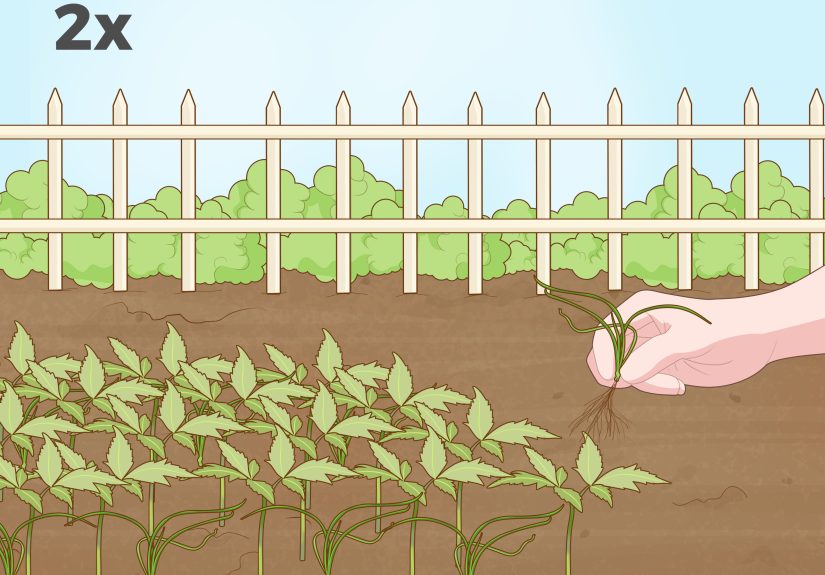
Weed early and often. Tiny weeds are easy to remove. Mature weeds act like they have legal rights. The more regularly you check your garden, the less overwhelming maintenance becomes.
Step 10: Expect Problems and Keep Going Anyway
Every garden has setbacks. A squirrel will investigate. A cucumber vine will suddenly look offended. One packet of seeds may do absolutely nothing just to keep you humble. None of that means you failed.
Gardening is a skill built by observation. Notice what gets the best sun, what dries out fast, what grows like a champion, and what seems determined to be difficult. Keep simple notes on varieties, planting dates, and results. By your second season, you will make smarter decisions with far less guesswork.
Common Beginner Garden Mistakes to Avoid
- Planting too much too soon
- Ignoring sunlight requirements
- Using poor soil or skipping compost
- Planting warm-season crops before the weather is ready
- Crowding plants too closely
- Watering inconsistently
- Growing vegetables nobody in the house actually eats
If you avoid even half of those mistakes, you are already ahead of many first-time gardeners.
Conclusion
Learning how to plant a garden is really about learning how to pay attention. Start with a sunny spot, improve the soil, choose easy crops, plant at the right time, and keep the whole thing small enough that it remains enjoyable. Your first garden does not need to be perfect. It just needs to get planted.
And once it does, something shifts. You begin checking the weather with purpose. You notice the difference between seedlings and weeds. You become weirdly protective of basil. Before long, you are harvesting lettuce for lunch and telling other people that zucchini plants need “more room than you think,” as though you were born with that knowledge.
That is the beauty of a beginner garden. It does not just grow food. It grows confidence.
Real-Life Beginner Gardening Experiences
The first time I helped plant a beginner garden, the plan was beautifully simple and wildly optimistic. We had a sunny patch of yard, a fresh bag of compost, three tomato plants, a packet of basil seeds, and the kind of confidence usually seen right before someone says, “We probably do not need to read the directions.” We did read the directions eventually, but only after placing plants much too close together and wondering why the layout on paper looked so spacious while the actual garden looked like rush hour traffic.
That first season taught the most valuable lesson in gardening: small wins matter more than grand plans. The lettuce came up quickly and made everyone feel like a genius. The radishes were oddly shaped but still edible, which felt like a personal triumph. The tomatoes took forever, then all ripened at once as if they had formed a committee. We learned to water deeply instead of casually waving the hose around for two minutes. We learned that mulch is not decorative fluff; it is the difference between soil that stays moist and soil that turns into a warm, dry apology.
Another beginner experience that sticks with me involved container gardening on a tiny back patio. There was no real yard, just a row of pots lined up against a railing that got solid afternoon sun. The gardener started with basil, mint, cherry tomatoes, and one brave jalapeño plant. It was not a large setup, but it changed the way that space was used. Morning coffee happened outside because that was where the plants were. Watering became part of the routine. Harvesting a handful of basil for pasta made the whole experiment feel unexpectedly luxurious. That is one of the best things about gardening for beginners: even a small setup can make daily life feel more grounded and a lot more flavorful.
Of course, there were mistakes. Mint should have had its own pot from day one because mint is not a team player. One tomato container was too small, which meant constant watering in summer. A pepper plant stayed stunted because it was tucked behind a larger pot and did not get enough light. But those mistakes were useful because they were visible. Gardening gives fast feedback. Plants do not send polite emails. They wilt, stretch, yellow, or thrive, and from that, you learn.
What beginners often do not realize is that experience builds quickly. After one season, people start noticing patterns. They remember which side of the yard gets morning sun. They know which crops were worth the space and which ones were basically expensive moral support. They start labeling plants better, spacing things more realistically, and checking frost dates before making bold spring decisions. In other words, they stop gardening on hope alone and begin gardening with a little strategy.
The best beginner gardens are rarely the prettiest ones in the first year. They are the ones that teach something useful. Maybe you discover that raised beds are easier on your back. Maybe you realize herbs give the biggest reward in the smallest space. Maybe your family suddenly eats more salad because you grew the lettuce yourself and now everyone is emotionally invested. Those experiences are what turn gardening from a one-time project into a habit.
If you are just starting, give yourself permission to learn in public, make a few harmless mistakes, and celebrate every small harvest. A beginner garden is not supposed to look like a magazine spread. It is supposed to get you growing.