Table of Contents >> Show >> Hide
- What Is an Enameled Cast Iron Frying Pan?
- Why So Many Cooks Love It
- Where It Beats Bare Cast Iron
- Where It Falls Short
- How to Use an Enameled Cast Iron Frying Pan the Right Way
- What to Cook in It
- How to Clean and Care for It
- How to Choose the Best Enameled Cast Iron Frying Pan
- Is an Enameled Cast Iron Frying Pan Worth It?
- Real-Kitchen Experiences With an Enameled Cast Iron Frying Pan
- Conclusion
- SEO Tags
An enameled cast iron frying pan is what happens when old-school toughness puts on a nice jacket and suddenly becomes welcome at both a weeknight dinner and a Saturday brunch spread. It has the muscle of traditional cast iron, but the enamel coating gives it a smoother, easier-care surface that feels less intimidating. You still get the satisfying heft, the steady heat, and the stove-to-oven versatility. What you lose is the drama. No seasoning ritual. No panic over tomato sauce. No need to treat the pan like an emotional support artifact from the 1800s.
That is exactly why enameled cast iron has become a favorite for home cooks who want performance without the maintenance hobby. Whether you are searing chicken thighs, crisping salmon skin, roasting vegetables, baking cornbread, or making a skillet cookie large enough to count as “family style,” this pan can do the job with style and stamina. It is not magic, and it is definitely not weightless, but it is one of the most versatile pieces of cookware you can keep in a kitchen.
What Is an Enameled Cast Iron Frying Pan?
At its core, this is a cast iron pan coated with a layer of enamel, usually porcelain enamel. That coating changes the personality of the pan in important ways. Traditional raw cast iron is porous, develops seasoning over time, and can react with acidic foods. Enameled cast iron is sealed, non-reactive, and ready to cook the minute it comes out of the box.
That simple difference explains almost everything people love about it. You can make tomato-based sauces, pan-roast lemony chicken, or finish a balsamic glaze without worrying that the acidity will strip seasoning or leave a metallic taste behind. The enamel also helps prevent rust, which means your pan does not demand the same careful drying and oiling routine that bare cast iron often does.
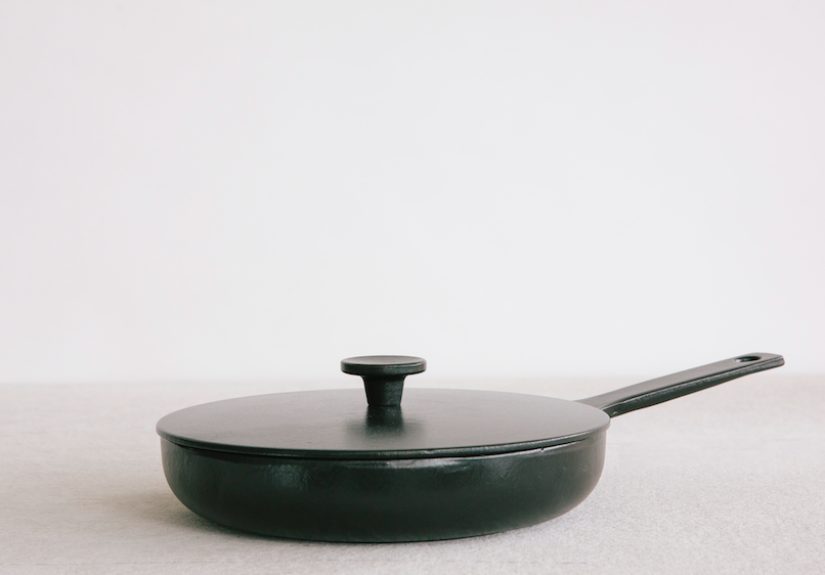
Not all enamel interiors look the same. Some frying pans have a light, smooth interior, while others use a dark matte interior designed to encourage browning. Both styles can cook beautifully, but they behave a little differently. Lighter interiors make it easier to monitor fond and browning. Darker interiors are forgiving, often better looking after heavy use, and popular for searing and roasting. In either case, the pan is still enameled and still lower-maintenance than bare cast iron.
Why So Many Cooks Love It
1. It keeps heat like a champ
Cast iron is famous for retaining heat, and the enameled version still delivers that superpower. Once the pan is properly heated, it stays hot and cooks steadily. That matters when you are browning chicken, crisping potatoes, or trying to avoid the sad gray fate that befalls steak dropped into a flimsy pan. Instead of losing its nerve the second cold food hits the surface, an enameled cast iron frying pan keeps things moving in the right direction.
2. It is easier to live with than raw cast iron
The biggest selling point is convenience. There is no seasoning requirement, no rust paranoia, and no need to avoid acidic ingredients. For cooks who want cast iron performance without cast iron mood swings, this is a very appealing arrangement. You can wash it with soap, use it regularly, and skip the elaborate maintenance ceremony.
3. It moves easily from stovetop to oven
An enameled cast iron frying pan is built for multitasking. Start a dish on the stove, finish it in the oven, and carry it straight to the table if you want to show off a little. It is excellent for pan-roasted chicken, baked frittatas, deep-dish cornbread, fruit crisps, cobblers, and one-pan dinners that make cleanup feel suspiciously civilized.
4. It is friendly to acidic foods
This is where enameled cast iron pulls ahead of bare cast iron for many households. If you cook shakshuka, marinara, wine-braised chicken, or anything involving tomatoes, vinegar, citrus, or white wine, the enamel coating is a major advantage. It gives you the heat retention of cast iron without the reactivity.
5. It looks good enough to leave out
Let us be honest: appearance matters. Enameled cast iron frying pans come in colors, finishes, and shapes that look great on the stove, on open shelving, or on the table. A good one can be cookware and serving ware at the same time. That is a nice bonus for anyone who appreciates a pan that performs well and does not look like it belongs in a blacksmith’s garage.
Where It Beats Bare Cast Iron
If you already own traditional cast iron, you may wonder whether an enameled cast iron frying pan is redundant. Not really. The two overlap, but they shine in different situations.
Bare cast iron is often the better choice for ultra-high-heat cooking, open-fire use, and building a natural nonstick seasoning over time. It is usually less expensive, incredibly durable, and ideal for cooks who enjoy the maintenance process or simply do not mind it.
Enameled cast iron wins when you want lower maintenance, easier cleanup, and the freedom to cook acidic dishes without overthinking dinner. It also tends to feel more approachable for beginners. A lot of people buy raw cast iron with noble intentions, then spend six months nervously Googling whether soap is a crime. Enameled cast iron simply asks you to cook.
Where It Falls Short
No pan is perfect, and this one has a few honest drawbacks.
First, it is heavy. Even a well-designed enameled cast iron frying pan can feel substantial, especially when full of food. Helper handles and balanced design help, but nobody has ever picked one up and said, “Wow, this floats.”
Second, enamel can chip if mistreated. It is durable, but not invincible. Sudden temperature changes, hard knocks, stacking without protection, or scraping aggressively with the wrong tool can shorten the life of the finish.
Third, it is not truly nonstick. Some editorial tests praise enameled cast iron for easier release than many stainless pans, but it still is not a slick nonstick skillet. Eggs can stick. Pancakes may protest. Delicate crepes are usually happier elsewhere. This pan is about browning, roasting, sautéing, shallow frying, baking, and braisingnot pretending physics has been canceled.
Finally, it is not always the best tool for screaming-hot searing. While many enameled models can handle oven heat and solid stovetop cooking, they generally do best with gradual preheating and medium or medium-high heat rather than endless blast-furnace treatment. If your ideal Saturday involves blackening steaks like you are auditioning for a campfire cooking show, raw cast iron or stainless steel may be the better fit.
How to Use an Enameled Cast Iron Frying Pan the Right Way
Preheat patiently
This pan rewards patience. Let it heat gradually rather than shocking it with high heat right away. Medium heat is often enough. Once it is hot, it holds that heat beautifully, which means you rarely need to crank the burner as high as you might with a thin pan.
Add a little fat before cooking
A small amount of oil or butter helps with browning and release. Even though the enamel surface is easier to cook on than raw iron for some people, it still benefits from proper fat and proper heat. Food usually sticks when the pan is too cool, too dry, or too aggressively crowded.
Use the oven to your advantage
This is one of the best reasons to own the pan. Sear chicken skin-side down on the stove, then transfer it to the oven. Start a vegetable hash on the burner, top with eggs, and bake until set. Make cornbread in the same pan and serve it hot. The pan excels at these hybrid techniques because it handles steady heat so well.
Avoid thermal shock
Do not take a screaming-hot pan and run cold water over it. Do not move it from the fridge straight onto intense heat. Let it cool down before cleaning. Enameled cast iron is sturdy, but dramatic temperature swings can damage the enamel. This is cookware, not an action movie.
What to Cook in It
An enameled cast iron frying pan is especially good at foods that benefit from even heat, a roomy cooking surface, and the ability to finish in the oven.
Excellent choices include chicken thighs, pork chops, salmon fillets, roasted vegetables, skillet pizzas, baked pasta finishes, cornbread, Dutch babies, frittatas, cobblers, fruit crisps, pan sauces, and one-pan tomato-based meals. It is also fantastic for shallow frying because the heavy body helps keep oil temperature steadier than lighter pans.
It is also a great pan for building fond, those browned bits that cling to the bottom and become the base for pan sauces. A splash of stock, wine, or even water can lift that flavor into something rich and deeply savory. This is one reason cooks who care about flavor development love enameled cast iron. It browns well, then lets you keep going.
The only foods I would not force into this pan are ultra-delicate eggs, very thin crepes, and anything that depends on a truly slippery surface. Could you make them work? Probably. Will you enjoy the process as much as using a better-matched pan? Probably not.
How to Clean and Care for It
The care routine is refreshingly simple. Let the pan cool, wash it with warm water, mild dish soap, and a non-abrasive sponge or brush, then dry it thoroughly. If food is stuck, soak it briefly or simmer a little water in the pan to loosen residue. For stubborn stains, a gentle baking soda paste can help.
A few habits make a big difference:
Do not use abrasive cleaners or harsh metal scrubbers on the enamel. Avoid banging utensils around like you are mad at the onions. Use wood, silicone, or other gentle tools when possible. Some manufacturers say metal utensils are acceptable, but gentler tools are still the safer long-term bet if you want the finish to stay pretty.
Hand washing is usually the smartest move, even if your particular pan is labeled dishwasher-safe. The dishwasher may not ruin the pan overnight, but repeated cycles can dull the finish over time. A quick hand wash is easier than living with regret and a slightly sad-looking skillet.
When storing, avoid stacking it carelessly with other heavy pans. A soft pan protector, towel, or liner can help prevent chips and scratches. If the enamel ever develops significant chips or flaking on the cooking surface, it is time to stop using that pan for food. Cosmetic darkening on the outside is one thing. Damage to the cooking surface is another.
How to Choose the Best Enameled Cast Iron Frying Pan
Size
For most households, a 10- to 12-inch pan is the sweet spot. It is large enough for searing several chicken thighs or cooking a generous amount of vegetables, but not so big that it becomes a full upper-body workout every time you wash it.
Weight and balance
All enameled cast iron is heavy, but some pans feel easier to maneuver because the handle design is better balanced. A helper handle is especially useful on larger skillets. If you plan to move the pan from stove to oven often, this detail matters more than you might think.
Pour spouts
They sound minor until you try pouring off hot grease without them. Then suddenly they seem like one of humanity’s better inventions. A good set of pour spouts makes cleanup and pan sauce work much neater.
Interior finish
Light interiors help you see browning and sauces more clearly. Dark matte interiors tend to hide wear better and are popular for high-contact cooking. Neither is universally better. The right choice depends on how you cook and what you value.
Brand reputation
Well-regarded brands tend to earn praise for consistent heating, durable enamel, strong handles, and better overall design. That does not mean you need the most expensive pan on the planet, but quality construction matters in a piece meant to last for years.
Is an Enameled Cast Iron Frying Pan Worth It?
For many home cooks, yes. It is one of those pieces that can genuinely pull more than its weight in a kitchen, even though it already weighs plenty. If you like cookware that browns beautifully, goes from stovetop to oven, handles acidic foods, and does not require a seasoning ritual, this pan earns its spot.
It is especially worth it if you cook a mix of savory and baked dishes, enjoy one-pan meals, and want something durable enough for daily use but attractive enough for serving. It is not the only frying pan you should own, but it is absolutely the kind of pan that makes you feel prepared for a lot of cooking situations.
Think of it as the practical overachiever of the cookware world. Not flashy in the gadget sense. Not trendy in the disposable sense. Just deeply useful, pleasantly handsome, and capable of turning out excellent food for a very long time.
Real-Kitchen Experiences With an Enameled Cast Iron Frying Pan
One of the most common experiences people have with an enameled cast iron frying pan is that the first use feels slightly more serious than a regular skillet. You pick it up and immediately understand two things: this pan means business, and your wrist would appreciate a helper handle. But after the first few meals, that weight starts to feel reassuring rather than awkward. The pan sits solidly on the burner, holds heat with confidence, and gives cooking a more controlled rhythm.
In everyday use, the experience is often less about dramatic chef moments and more about small, satisfying improvements. Chicken browns more evenly. Vegetables roast with better color. Pan sauces come together with less fuss because the fond builds nicely and releases well. Cornbread gets those crisp edges everyone fights over. A baked pasta or skillet cookie comes out looking like something you would happily carry straight to the table without transferring it to a prettier dish.
Another thing many cooks notice is how forgiving the pan feels once they stop treating it like a fragile museum piece. Yes, enamel deserves care. But no, it is not a crystal teacup. Used properly, it becomes a dependable daily pan. The trick is learning that “medium” really can mean medium. People accustomed to thin pans often overheat enameled cast iron at first. Once they realize the pan stores heat so well, their results improve fast. Food browns better, cleanup gets easier, and fewer mysterious scorch marks appear.
There is also the emotional experience of cooking acidic foods without fear. That sounds dramatic, but if you have ever hesitated before simmering tomatoes in raw cast iron, you understand. With enamel, shakshuka, quick marinara, wine pan sauces, and lemony braises feel uncomplicated. You stop managing the pan and start focusing on the food. That mental simplicity is a bigger advantage than it gets credit for.
Cleanup is usually where affection for the pan really deepens. After a good meal, nobody wants a second project disguised as dishwashing. Compared with raw cast iron, enameled cast iron often feels easier and less fussy. A soak, a soft sponge, a bit of soap, and most messes surrender. Even when something sticks, it tends to come off with patience rather than combat. The biggest lesson is not to rush. Let the pan cool, treat it gently, and it stays handsome for the long haul.
Then there is the serving experience. This pan has undeniable table presence. A bubbling fruit crisp, a golden frittata, roasted vegetables, or skillet cornbread looks generous and inviting when served right in the pan. It has that rare ability to make weeknight food feel a little more special without adding work. And that may be the best real-life quality of all: an enameled cast iron frying pan does not just cook well. It quietly improves the whole flow of cooking, serving, and cleaning up after people who are now asking for seconds.
Conclusion
An enameled cast iron frying pan earns its popularity because it hits a sweet spot that many home cooks want but do not always find: powerful heat retention, broad versatility, easier maintenance, and real kitchen beauty. It is great for searing, roasting, baking, shallow frying, and building richly browned flavor. It handles acidic foods with ease, moves comfortably from stovetop to oven, and asks for far less maintenance than traditional cast iron.
It is not a replacement for every skillet in your kitchen, and it does ask for respectful handling. But if you want one hardworking pan that can help with crispy chicken, skillet pizza, frittatas, cornbread, roasted vegetables, and pan sauces without demanding a lot of upkeep, this one is a strong investment. In a world full of cookware that promises everything and lasts about as long as a carton of berries, the enameled cast iron frying pan remains refreshingly reliable.