Table of Contents >> Show >> Hide
- Chinese Fringe Tree Basics (So You Know What You’re Planting)
- Where to Plant Chinese Fringe Tree (Location = Everything)
- When to Plant Chinese Fringe Tree
- How to Plant Chinese Fringe Tree (Step-by-Step, No Guessing)
- Watering: The #1 Thing That Makes or Breaks Establishment
- Mulching and Weed Control (Quietly Huge)
- Fertilizing: Compost Beats Overfeeding
- Pruning and Training: Keep It Light (Your Flowers Will Thank You)
- How to Get Maximum Blooms (Without Begging)
- Common Pests and Diseases (Usually Minor, Occasionally Annoying)
- Propagation: Possible, But Not the Easiest Weekend Project
- Landscape Design Ideas That Make the Flowers Pop
- Quick Troubleshooting: What Your Tree Might Be Telling You
- Hands-On Growing Notes: Real-World Experiences Gardeners Commonly Report (Extra Detail)
- Conclusion: A Small Tree with Big Spring Energy
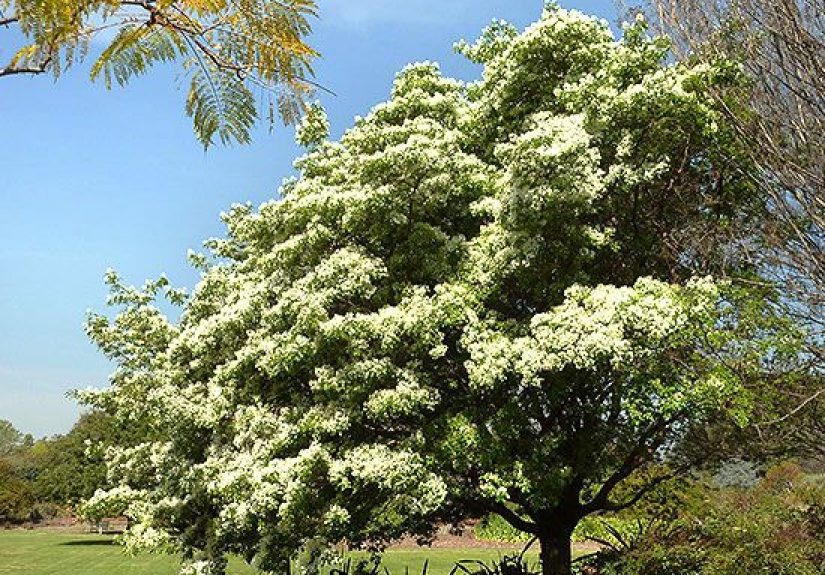
If you’ve ever wanted a small tree that looks like it got dressed up in a blizzard of white fringe and then casually
strolled into your yard like it owns the placemeet the Chinese fringe tree
(Chionanthus retusus). It’s the kind of spring bloomer that makes neighbors “just happen” to walk past your
house a little slower.
The best part? This tree isn’t a diva. Give it decent drainage, reasonable moisture while it settles in, and a spot
with good light, and it will reward you with fragrant late-spring flowers, glossy leaves, and (on some trees) dark
blue fruit that birds treat like a snack bar.
Chinese Fringe Tree Basics (So You Know What You’re Planting)
Chinese fringe tree is a small, deciduous tree (often multi-stemmed) in the olive family. In most
home landscapes it typically matures around 15–25 feet tall with a similar spread, though older
specimens in favorable conditions can be larger. It’s commonly grown in USDA hardiness zones 5–9.
It’s slow-growing, which is gardener-speak for: “You’ll have time to name it before it hits the roofline.”
Chinese vs. American fringe tree
You may also hear about the native white fringe tree (Chionanthus virginicus). The Chinese
species often has slightly smaller, darker, glossier leaves and showy pure-white flowers that appear after leaves
begin emerging, which gives the blooms a handsome green backdrop. Both can be outstanding ornamentals, but your
local availability and pest pressures may influence which is the better pick.
Do you get berries?
Sometimes. Chinese fringe tree is commonly described as having separate male and female plants. Male
trees often look showier in flower, while female trees can produce dark blue fruits if
pollinated. Nurseries don’t always label sex, so fruit can be a surprise bonus rather than a guaranteed feature.
Where to Plant Chinese Fringe Tree (Location = Everything)
The quickest way to make this tree love you back is to choose the right spot from day one. Chinese fringe tree can
tolerate a range of soils, but it strongly prefers not to have “wet feet” for long periods. Think: moist but
well-drained, not swampy.
Sunlight: more sun = more flowers (usually)
- Full sun (6+ hours) typically gives the heaviest bloom.
- Part shade can still work and may keep foliage looking extra lush in hotter regions.
- Full shade often means fewer flowersand the whole point here is the flower show.
Soil: drainage first, pH second, perfection last
Chinese fringe tree is adaptable (clay, loam, sandy soil can all work) as long as drainage is decent. Slightly
acidic to near-neutral soil is often ideal. If your soil is heavy clay, you can still grow this treejust avoid
planting it in a low spot where water sits after rain.
Avoid salty splash zones
If your planting spot gets winter road-salt runoff or salty spray, choose a different location. Salt stress is one
of those problems that starts quietly and ends with you staring at crispy leaves like they personally betrayed you.
Spacing and placement ideas
Give a Chinese fringe tree room to matureoften 15–20 feet from other trees or big shrubs, depending
on your variety and goals. This makes it great for:
- small urban yards and under power lines
- a patio “feature tree” that doesn’t dominate the whole property
- front-yard specimen planting (especially against evergreens for contrast)
- group plantings for a soft, cloud-like spring display
When to Plant Chinese Fringe Tree
Timing depends on your region, but these are the common “sweet spots”:
- Fall: often ideal in many areas because soil is still warm and roots can begin establishing before winter.
- Early spring: also excellent, especially where winters are harsh or soils freeze deeply.
- Winter planting: only in very mild climates where ground doesn’t freeze and you can water reliably.
One important note: Chinese fringe tree can be picky about being moved once it’s established. Translation: pick a
long-term home now so you don’t end up rehoming it like an oversized houseplant.
How to Plant Chinese Fringe Tree (Step-by-Step, No Guessing)
- Water the root ball first. A well-hydrated root ball slides out easier and reduces stress.
-
Dig a wide hole. Aim for 2–3 times as wide as the root ball, but only as deep
as the root ball. Wide matters more than deep for most young trees. -
Find the root flare. The trunk should widen slightly where roots begin. Planting too deep is a
classic mistake that leads to slow decline (the tree version of “I’m fine”). -
Set it at the right height. The top of the root ball should be level with, or slightly above,
the surrounding soilespecially in heavier soils. -
Backfill with native soil. Don’t create a “luxury potting soil bathtub” that holds water. Break
up large clods, remove obvious rocks, and use the soil you dug out. - Water deeply. Water right after planting to settle soil around roots and remove air pockets.
-
Mulch correctly. Apply 2–3 inches of mulch in a wide ring, keeping it a few
inches away from the trunk. No mulch volcanoestrees do not want a sweaty collar. -
Stake only if needed. Most container-grown Chinese fringe trees don’t need staking unless the site is windy
or the root ball is unstable. If you stake, remove supports within a year.
Watering: The #1 Thing That Makes or Breaks Establishment
Chinese fringe tree becomes fairly tolerant once established, but the first year is where you earn your flowers.
The goal is steady moisture (not constant sogginess).
Simple first-year watering guide
- Weeks 1–4: deep watering 2–3 times per week (depending on heat, wind, and rainfall).
- Months 2–6: deep watering weekly, adjusting for rain.
- After 6 months: water during dry spells; don’t let it go bone-dry for long stretches.
A “deep watering” means soaking the root zone thoroughlyslowlyso water reaches several inches down. Fast,
shallow sprinkling trains roots to stay near the surface, which is the plant equivalent of refusing to move out of
your parents’ basement.
Mulching and Weed Control (Quietly Huge)
Keep a mulch ring around the tree to reduce competition and stabilize soil moisture. Grass and weeds steal water
and nutrients, and young fringe trees do not enjoy sharing. A 3–4 foot mulch circle is a great
start, expanding as the tree grows.
Fertilizing: Compost Beats Overfeeding
Chinese fringe tree is slow-growing by nature. More fertilizer won’t magically turn it into a different species.
In many yards, an annual top-dressing of compost is plenty.
- If growth looks weak and leaves are pale, consider a soil test before adding fertilizer.
- If you fertilize, do it in early spring and keep it moderate.
- Avoid heavy high-nitrogen feeding, which can push leafy growth at the expense of flowering.
Pruning and Training: Keep It Light (Your Flowers Will Thank You)
Chinese fringe tree often looks best with a natural form. Many are multi-stemmed, and that “miniature live oak”
silhouette is part of the charm. Pruning is mainly about safety, structure, and clearancenot turning it into a
lollipop.
When to prune
- Any time: remove dead, broken, or diseased branches.
- Late winter: do structural pruning if needed, but understand you may remove some flower buds.
- Right after flowering: the best time for shaping if your top priority is next year’s bloom.
Multi-stemmed or single-trunk?
You can grow it either way:
- Multi-stemmed: easiest, natural-looking, great for a soft specimen.
- Single-trunk: possible with early traininggradually remove lower branches over time, not all at once.
Tip: if you’re training a single trunk, go slow. Removing too much canopy early can slow establishment and make the
tree sulk (and sulking trees don’t throw great flower parties).
How to Get Maximum Blooms (Without Begging)
Chinese fringe tree sometimes blooms heavily in alternate years, so don’t panic if one spring is quieter than the
last. To encourage strong flowering:
- Give it full sun if possible.
- Water consistently during spring growth and dry spells.
- Don’t over-pruneespecially not right before bloom time.
- Skip excessive nitrogen; use compost or balanced feeding if needed.
- Be patientslow growers often improve with age.
Flowers vs. fruit: choosing male or female (if you can)
If you want fruit for birds, you’ll need a female tree and pollination from a male nearby. If pollen allergies are
a concern, some growers prefer female plants (when available), since males are the pollen producers.
Common Pests and Diseases (Usually Minor, Occasionally Annoying)
Chinese fringe tree is often described as having no serious issues, but “no serious problems” doesn’t mean “no
problems ever.” Here’s what to watch for:
Mites
Mites can cause stippled or slightly bronzed foliage, especially during hot, dry weather. The fix is usually
improving watering consistency and, if needed, a strong spray of water to dislodge them or an appropriate miticide
per label instructions.
Scale insects
Scale may show up as small bumps on stems or leaves, sometimes with sticky honeydew. Horticultural oil (timed
correctly) is a common management tool, and keeping the tree from drought stress helps reduce susceptibility.
Borers
Borers tend to target stressed trees. If you see dieback, sawdust-like frass, or oozing, focus first on improving
tree vigor (watering, mulch, avoiding trunk injury). For significant borer issues, local extension guidance is
your best bet.
Leaf spot and powdery mildew
These are usually cosmetic. Improve airflow (don’t crowd it), avoid overhead watering late in the day, and clean up
heavily infected fallen leaves. Fungicides are rarely needed for a healthy, established tree.
Canker and root problems
Canker and root rot are more likely when a tree is stressedespecially in poorly drained soils. If your site holds
water, fix drainage or relocate the planting spot before planting. Prevention beats treatment here.
A note on emerald ash borer
Because fringe trees are in the olive family, there’s ongoing attention on whether emerald ash borer
may affect themespecially the native white fringe tree. Chinese fringe tree is often considered less vulnerable,
but if you live in an area with heavy emerald ash borer pressure, it’s smart to monitor any fringe tree for
canopy thinning or decline and consult local resources if symptoms appear.
Propagation: Possible, But Not the Easiest Weekend Project
Chinese fringe tree can be propagated by seed, layering, or sometimes cuttings, but it’s not known as the easiest
plant to reproduce at home. Seeds may take time and patience. If you want a sure thing, buying a healthy young
tree is often the most satisfying route (and the least likely to turn into a two-year science experiment).
Landscape Design Ideas That Make the Flowers Pop
This tree is at its best when you treat it like the star of a spring concert:
- Dark background contrast: plant in front of evergreens so the white fringe reads like fireworks.
- Patio placement: use it as a small shade-and-bloom feature near outdoor seating.
- Under power lines: a smart, space-conscious tree that still looks special.
- Companion planting: pair with ferns, hostas (shade edges), or acid-loving shrubs if your soil supports them.
Quick Troubleshooting: What Your Tree Might Be Telling You
“My tree isn’t blooming much.”
- Not enough sun (the most common cause).
- Recent pruning removed buds.
- It’s young or slow to maturepatience is part of the deal.
- Alternate-year bloom cycle is making one year quieter.
- Drought stress during spring growth reduced flowering.
“Leaves look pale or yellow.”
- Overwatering or poor drainage is stressing roots.
- High pH soils can reduce nutrient availabilitysoil test first.
- Competition from turfgrass is stealing resources.
“Leaf edges are crispy.”
- Heat + drought + wind exposurewater deeply and mulch correctly.
- Possible salt exposure if near roads or sidewalks treated in winter.
Hands-On Growing Notes: Real-World Experiences Gardeners Commonly Report (Extra Detail)
Let’s talk about what “growing a Chinese fringe tree” often looks like in real yardsbecause the glossy care guides
don’t always mention the little moments where you stare at the tree, the tree stares back, and nobody says
anything… but you both learn something.
1) The first summer is a hydration negotiation. Many gardeners find the tree looks perfectly fine
right after planting, then gets a bit dramatic once summer heat arrives. The leaves may droop slightly in the
afternoon, especially on new plantings. The fix usually isn’t constant watering; it’s deep watering on a
steady schedule so roots are encouraged to move outward and downward. A slow soak once a week (more during extreme
heat) tends to work better than daily sprinkles that only wet the surface.
2) Clay soil can workif you respect drainage. In heavier soils, gardeners often succeed by planting
slightly high, widening the planting hole, and making sure water doesn’t pool after storms. A common “aha” moment is
realizing that soil texture matters more than soil fertility at planting time. If the site stays soggy, roots can
struggle, and the tree’s growth feels stuck in slow motion (even by fringe tree standards).
3) Full sun gives more flowers, but part shade can keep it polished. People in hotter regions often
notice that a little afternoon shade can make the leaves look richer and less stressed, especially during heat
waves. Meanwhile, gardeners chasing maximum bloom will often choose a brighter location and simply commit to
consistent watering during dry stretches. The “right” answer depends on your climate and whether your priority is
peak flowering or bulletproof summer foliage.
4) The bloom schedule can mess with your expectationsin a good way. Chinese fringe tree frequently
blooms after leaves begin to emerge, which means the flowers pop against green foliage instead of bare branches.
Gardeners sometimes worry the tree “missed” its bloom window (especially after watching dogwoods fade), and then
boomwhite fringe shows up like it waited for the spotlight. Some people also notice heavy flowering one year and a
lighter show the next, which can be normal. The tree isn’t failing; it’s just pacing itself.
5) Training a single trunk is doable, but it rewards patience. Many nursery plants start as
multi-stemmed. Gardeners who want a more tree-like look often do best by selecting one strong leader early and
gradually removing lower branches over multiple seasons. Doing it all at once can reduce vigor and delay flowering.
The best “experience-based” approach is slow refinement: a little pruning each year, mostly for clearance and
structure, while preserving enough canopy to keep the tree thriving.
6) The mulch ring is the unsung hero. Gardeners who keep turf right up to the trunk often report
slower growth and more frequent drought stress. Those who maintain a wide mulch ring tend to see steadier
establishment, fewer weeds, and a tree that “looks happier” (yes, that’s subjective, but it’s also frequently true).
The practical reason is simple: less competition and more consistent soil moisture.
7) “Low maintenance” doesn’t mean “ignore it forever.” Once established, Chinese fringe tree really
can be low-fuss. But gardeners often learn that it still appreciates occasional deep watering during extended
drought, especially if you want reliable flowering. The tree may survive neglect, but it performs better when you
treat drought like an event, not a lifestyle.
8) Wildlife perks come with mild “yard reality.” If you end up with a fruiting (female) tree,
birds will likely notice. Gardeners sometimes report a bit of fruit drop or “litter” late summer into fall. It’s
usually not a dealbreaker, but it’s worth considering if you’re planting directly over a pristine patio. On the
bright side, it can turn your yard into a tiny nature documentaryminus the narrator voice (unless you provide it).
The big takeaway from these real-world patterns is that Chinese fringe tree is forgiving, but it’s at its best when
you do the simple fundamentals well: choose a good site, water smartly during establishment, mulch properly, and
prune lightly. Do that, and the tree usually pays you back with a spring display that looks way more high-maintenance
than it actually is.
Conclusion: A Small Tree with Big Spring Energy
If you want a flowering ornamental that fits smaller spaces, tolerates urban conditions, and delivers a memorable
late-spring bloom, Chinese fringe tree is an excellent candidate. Prioritize sunlight (for flowers),
drainage (for roots), and consistent watering during the first year (for everything else). Prune with a light hand,
give it time to mature, and you’ll end up with a tree that looks like it belongs in a garden magazineeven if your
gardening gloves don’t.