Table of Contents >> Show >> Hide
- What Counts as “Coneflower”?
- Pick a Variety That Fits Your Yard
- Best Growing Conditions
- How to Plant Coneflower
- Coneflower Care That Actually Works
- A Simple Coneflower Care Calendar
- Common Problems and How to Handle Them
- Landscape and Design Ideas
- Propagation: More Coneflowers Without Buying More Coneflowers
- Troubleshooting FAQs
- Real-World Experiences: of “What I Wish I Knew” (Without Pretending I’m You)
- Conclusion
- SEO Tags
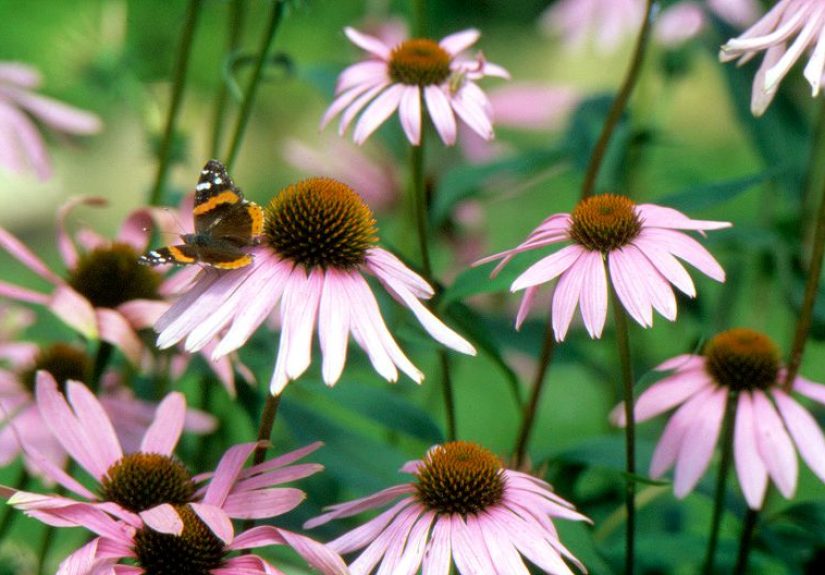
Coneflower (Echinacea) is the perennial equivalent of that friend who shows up to every event on time, looks fantastic in photos, and never asks you to “talk about your feelings.” Give it sun, decent drainage, and a little patience the first year, and it will reward you with months of blooms plus a steady stream of bees and butterflies.
Below is a practical, no-fluff guide to planting coneflower, caring for it through the seasons, and solving the most common “why is my plant doing that?” moments.
What Counts as “Coneflower”?
Garden centers use “coneflower” for several species in the Echinacea genus, most commonly purple coneflower (Echinacea purpurea). You’ll also see native species and hybrids bred for compact size, extra petals, or bold colors. The care basics are similar: plenty of sun, well-drained soil, and not too much fertilizer.
Pick a Variety That Fits Your Yard
Before you plant, decide what you want coneflower to do in your landscape. The right choice can mean stronger stems, better winter survival, and more pollinator action.
- For a native, naturalized look: Straight species (especially E. purpurea) often reseed and blend beautifully into prairie-style plantings.
- For small spaces or containers: Choose compact or dwarf varieties so you’re not trying to fit a 3-foot plant into a 12-inch pot like it’s carry-on luggage.
- For maximum pollinators: Single flowers (one ring of petals) typically make nectar and pollen easier for bees and butterflies to access than very double, frilly blooms.
- For cutting gardens: Taller, sturdy-stemmed types are great for bouquets; harvest when petals are fully opened but still fresh.
Best Growing Conditions
Sun: aim for 6–8 hours
For sturdy stems and lots of flowers, plant coneflower in full sun (about 6–8 hours of direct light). Light afternoon shade can help in very hot areas, but too much shade often means fewer blooms and floppier stems.
Soil: average is fine, soggy is not
Coneflowers tolerate a range of soils, including lower fertility soils, but they dislike “wet feet.” Choose a spot that drains well or improve heavy clay with compost and avoid low areas where water sits. If you test soil pH, coneflowers generally do well around slightly acidic to neutral (often cited near 6.5–7.2), but they’re adaptable.
Quick drainage test: Dig a hole about 12 inches deep, fill it with water, and see how long it takes to drain. If it’s still holding water many hours later, pick a higher spot or amend for better drainage.
Spacing: give them air
Space plants 12–24 inches apart depending on variety. Extra airflow helps reduce diseases like powdery mildew and keeps foliage drying faster after rain.
How to Plant Coneflower
Planting potted coneflowers (the easiest method)
- Time it right. Plant in spring after hard freezes or in early fall while soil is still warm.
- Dig a wide hole. Make it about 2× the width of the pot and about the same depth as the root ball.
- Loosen the roots. If roots are circling inside the pot, tease them gently outward so they grow into the soil instead of staying in a tight knot.
- Set depth correctly. Place the plant so the top of the root ball is level with surrounding soil (too deep can invite rot).
- Backfill and water. Firm soil gently and water deeply to settle it around roots.
- Mulch lightly. Add 2–3 inches of mulch, keeping it a couple inches away from the crown.
Starting coneflower from seed
Seed is budget-friendly and satisfying, but coneflower can germinate more reliably after a cold, moist period. Two simple approaches:
- Fall sow outdoors: Scatter seed on prepared soil in late fall. Press lightly so seeds contact soil (don’t bury deeply). Winter helps break dormancy, and seedlings emerge in spring.
- Indoor start: Chill seed in a moist medium in the refrigerator for a few weeks, then sow on seed-starting mix. Keep evenly moist and provide bright light once sprouted.
Seed-grown plants may bloom lightly the first year, but many put most energy into roots and flower more strongly in year two.
Dividing established coneflowers
When clumps get crowded or flowering declines, divide every 3–4 years in early spring or early fall. Dig up the clump, tease or cut it into sections with healthy roots and growth points, replant at the same depth, and water well until re-established.
Coneflower Care That Actually Works
Watering
During the first growing season, water deeply when the top inch or two of soil is dry. Once established, coneflower is usually drought-tolerant, but it blooms better with a deep watering during long hot, dry stretchesespecially in sandy soil or heat waves.
Fertilizer (aka: don’t overdo it)
Too much fertilizerespecially nitrogencan create lush leaves and fewer flowers. In most gardens, a spring layer of compost is enough. If you fertilize, keep it light and avoid “feed it like tomatoes” energy.
Staking and support
Most coneflowers stand on their own in full sun. If yours leans, check light and fertility first. For windy sites, a simple ring support early in the season is less noticeable than emergency-staking a plant that has already face-planted mid-bloom.
Deadheading vs. leaving seed heads
Deadheading spent blooms can encourage more flowering and a tidier look. But leaving some late-season seed heads feeds birds (hello, goldfinches) and adds winter interest. A popular compromise: deadhead early and midseason, then stop deadheading in late summer.
When to cut back
You can cut coneflowers back in fall, but many gardeners wait until late winter or early spring. Standing stems provide winter texture and can shelter beneficial insects. If plants had disease problems, remove and discard affected debris rather than leaving it in place.
A Simple Coneflower Care Calendar
- Spring: Remove old stems if you left them for winter, add a thin layer of compost, and water new plantings consistently.
- Summer: Deep water during prolonged drought, deadhead if you want extended blooms, and watch for Japanese beetles and mildew in humid weather.
- Fall: Decide how many seed heads to keep for birds and reseeding. Plant or divide coneflowers early enough for roots to establish before deep cold.
- Winter: Enjoy the seed heads and structure (and the bird show). In very cold regions, a light mulch after the ground freezes can help protect roots.
Common Problems and How to Handle Them
Pests
- Aphids: Spray off with water or use insecticidal soap.
- Japanese beetles: Hand-pick in the morning into soapy water; consider physical barriers for small plantings during peak beetle season.
- Mites: Often cosmetic; reduce plant stress and avoid broad-spectrum sprays that harm beneficial insects.
Diseases
Most coneflower disease issues improve with sun, spacing, and watering at soil level. Powdery mildew and leaf spots are common in humid conditions; remove badly affected leaves and focus on airflow and sanitation. If you’ve had recurring disease, avoid overhead watering, thin crowded clumps, and clean up debris at the end of the season.
Aster yellows (the “remove the whole plant” situation)
Aster yellows is a phytoplasma disease spread by leafhoppers. Symptoms can include distorted, greenish, tufted flowers and stunted growth. There’s no cure; the recommended action is to remove the entire plant (including roots) and dispose of it to limit spread. Keep weeds down because they can host the pathogen.
Landscape and Design Ideas
Coneflowers shine in pollinator borders, prairie-style plantings, and cutting gardens. Try pairing them with:
- Ornamental grasses for movement and gentle support
- Black-eyed Susans, blazing star, yarrow, bee balm for a long bloom sequence
- Salvia and catmint for strong color contrast and similar sun needs
Short on space? Choose compact varieties for containers, but use a well-draining mix and remember pots dry out faster than beds. In cold-winter areas, overwinter containers by moving them to a sheltered spot or insulating the pot so roots don’t freeze solid.
Propagation: More Coneflowers Without Buying More Coneflowers
Saving seed
To collect seed, leave a few flower heads to dry on the plant. When the cone turns brown and dry, snip it off and rub or shake seeds loose. Store seeds in a cool, dry place. For best germination, plan on sowing outdoors in fall or giving seeds a cold, moist chill period before spring sowing.
Managing self-seeding
Straight species coneflowers often reseed more reliably than fancy hybrids. If you like volunteer seedlings, let some seed heads mature. If you prefer a tidy border, deadhead most blooms before they dry, and relocate any surprise seedlings in early spring while they’re small and easy to move.
Troubleshooting FAQs
“My coneflower is tall and flopping.”
Flopping usually comes from too much shade, overly rich soil, or crowding. Increase sun, ease up on fertilizer, and thin or transplant if needed.
“It’s not blooming much.”
Check light first. Also remember: seed-grown plants often bloom more heavily starting year two.
“The leaves look dusty or spotted.”
Improve airflow and water at the base. Remove heavily affected leaves and keep the area around the plant free of old debris.
“My flowers look green and weird.”
That can be a sign of aster yellows. If you see distorted flowers with abnormal green growth and stunting, removing the plant is the safest way to protect nearby plants.
Real-World Experiences: of “What I Wish I Knew” (Without Pretending I’m You)
Garden guides love to say coneflower is “easy,” which is trueafter you learn what “easy” looks like in your own yard. Here are the most common experience-based lessons gardeners report once coneflower becomes a regular part of their beds.
1) The first year can feel underwhelming. If you plant a small coneflower and it doesn’t explode with blooms, don’t panic. Many perennials follow the “sleep, creep, leap” pattern. Year one is often about roots. By year two, the plant usually looks fuller, blooms longer, and handles weather swings better. Seed-grown plants, especially, may take longer to hit their stride.
2) Spacing is the easiest disease prevention you can do. When plants are young, it’s tempting to pack them close so the bed looks “finished.” Then summer arrives, leaves overlap, and you’ve created a humid microclimate. Gardeners who space coneflowers properly (and resist the urge to fertilize heavily) tend to see fewer issues with powdery mildew and leaf spots. If you already planted too tightly, thinning or transplanting in early spring can make a noticeable difference.
3) “Drought-tolerant” doesn’t mean “never water.” Coneflowers are tough once established, but they appreciate deep watering in their first season. Gardeners often report the best results when they water less often but more deeply, encouraging roots to grow down. After establishment, many people only water during extended dry spells. The bonus: plants that get occasional deep drinks often keep blooming longer into late summer.
4) Deadheading is a strategy, not a rule. Some gardeners love the tidy look and extra blooms they get from deadheading. Others stop deadheading in late summer because they want seed heads for birds and winter interest. A common middle ground is to deadhead early for more flowers, then leave later blooms to mature. In real gardens, this approach tends to deliver both: a longer flower show and goldfinches showing up when the seed heads dry.
5) Flopping usually means the plant is being “too polite.” When coneflowers lean or sprawl, the cause is often shade, rich soil, or too much nitrogen. In full sun and average soil, they’re generally sturdier. Gardeners who deal with flopping often fix it by moving the plant to a sunnier location, easing up on fertilizer, or doing a late-spring cutback (cutting stems back by about one-third) to encourage branching and a more compact shape.
6) Seedlings don’t always match fancy parents. If you save seed from a named cultivar (especially double-flowered or intensely colored varieties), the babies may come back with different colors or simpler blooms. Many cultivars are hybrids, so seedlings can be unpredictable. Gardeners who want a guaranteed match usually propagate by division or buy the same cultivar again. Gardeners who like surprises… well, they call it “garden adventure” and pretend they planned it.
7) Leaving stems up can make spring easier. People who keep coneflower stems standing through winter often report that spring cleanup is faster and less risky. You can see where plants are, avoid stepping on emerging crowns, and cut back when new growth is ready. Plus, the dried stems and seed heads add structure in winterproof your garden still has personality when flowers are off-duty.
Conclusion
Plant coneflower in full sun, keep soil draining well, water consistently the first year, and then let it do its thing. With just a little seasonal cleanup and smart spacing, coneflowers can bloom for months, feed pollinators, and bring birds into your yardwithout turning your weekend into a full-time horticulture internship.