Table of Contents >> Show >> Hide
- Why Hawthorn Trees Are Worth Growing
- Choose the Right Hawthorn for Your Yard
- Best Growing Conditions for Hawthorn Trees
- How to Plant a Hawthorn Tree Step by Step
- How to Care for a Hawthorn Tree After Planting
- Common Hawthorn Problems and How to Avoid Them
- How Long Does It Take a Hawthorn Tree to Grow?
- Final Thoughts
- Real-World Growing Experiences With Hawthorn Trees
- SEO Tags
Planting a hawthorn tree is a little like inviting a charming but slightly prickly guest into your yard. It shows up with clouds of spring flowers, colorful fall foliage, bright red berries, and enough personality to make nearby shrubs feel underdressed. But it also comes with thorns, opinions about drainage, and a dislike of being planted too deeply. In other words, hawthorn is wonderfully rewarding once you understand what it wants.
If you have been searching for a small ornamental tree that supports wildlife, offers multi-season beauty, and does not demand endless pampering, hawthorn deserves a spot on your shortlist. The trick is not just planting it anywhere with some hopeful mulch and a pep talk. To grow a healthy hawthorn tree, you need the right site, a smart planting method, steady care during establishment, and a watchful eye for a few classic rose-family problems.
This guide walks you through everything you need to know about how to plant and grow hawthorn tree successfully, from choosing the best variety to handling watering, pruning, and common diseases. Whether you are planting a Washington hawthorn, a green hawthorn, or a low-thorn cultivar for a smaller landscape, the basics are refreshingly manageable once you know the rules.
Why Hawthorn Trees Are Worth Growing
Hawthorns are small deciduous trees in the Crataegus genus, and they pack a lot of ornamental value into a modest footprint. Many varieties mature at roughly 20 to 35 feet tall, which makes them useful for home landscapes where a giant shade tree would be overkill and a tiny shrub would look like it forgot to grow up.
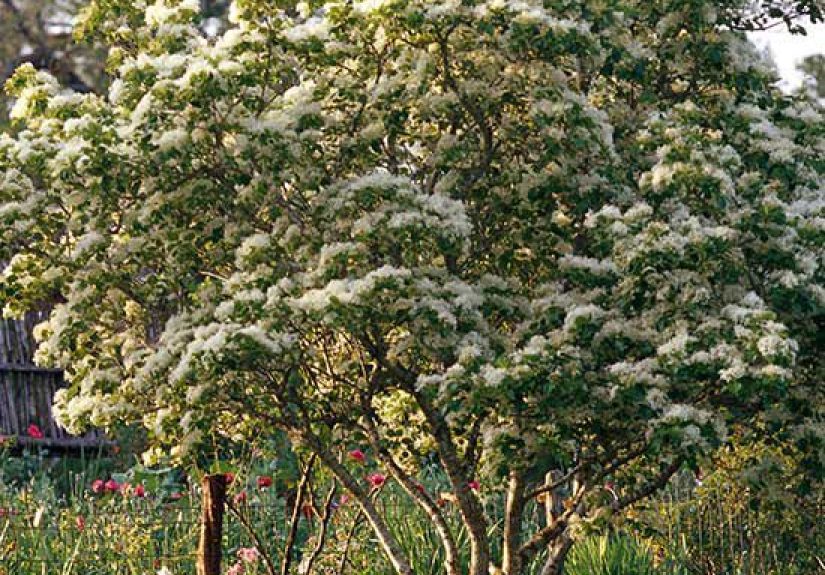
One of hawthorn’s best qualities is year-round interest. In spring, it produces clusters of white flowers. In summer, the foliage settles into an attractive green canopy. In fall, many hawthorns turn shades of orange, red, scarlet, or purple. Then come the berries, often called haws, which can persist into winter and feed birds when the garden is looking sleepy and dramatic.
Hawthorns also work well in wildlife-friendly landscapes. Birds, bees, and other pollinators appreciate them, and some species tolerate urban conditions better than you might expect. That said, not every hawthorn is ideal for every yard. Some are heavily thorned, some are more disease-prone, and some transplant more easily than others. Choosing the right one is half the battle.
Choose the Right Hawthorn for Your Yard
Washington Hawthorn
Washington hawthorn is one of the most popular landscape types in the United States, and for good reason. It offers white flowers, glossy green leaves, striking red fruit, and colorful fall foliage. It is a classic choice for gardeners who want a small flowering tree with strong seasonal appeal.
Green Hawthorn and ‘Winter King’
Green hawthorn, especially the cultivar Winter King, is another excellent option. It is often chosen because it has a somewhat cleaner ornamental look, attractive fruit, and a reputation for adaptability. In some landscapes, it can also be a friendlier option if you want fewer dramatic thorns and a tree that behaves itself a bit better near walkways.
Thornless or Low-Thorn Cultivars
If the idea of planting a medieval weapon in your front yard feels slightly excessive, look for thornless or low-thorn cultivars. Hawthorn thorns can be useful for hedging or security plantings, but they are less delightful when placed near patios, play areas, or tight side yards where someone is guaranteed to brush past them while carrying groceries and regret every life choice.
Best Growing Conditions for Hawthorn Trees
Sunlight
For the best flowering, fruiting, and overall shape, plant hawthorn in full sun. Some species tolerate partial shade, but reduced light usually means fewer flowers, fewer berries, and a looser growth habit. Hawthorn is not the tree to tuck into a gloomy corner and hope for the best.
Soil
One reason hawthorn is popular is its flexibility. It can adapt to a range of soil types, including clay and loam, and many selections tolerate both slightly acidic and slightly alkaline conditions. Still, “adaptable” does not mean “indestructible.” Well-drained soil is the sweet spot. If water sits around the roots for long periods, the tree will let you know by declining in that slow, passive-aggressive way trees do.
Space and Airflow
Give hawthorn enough room to mature naturally. Crowding it between buildings, fences, or overly enthusiastic shrubs increases humidity around the canopy and can make disease issues worse. Good airflow helps leaves dry faster and generally keeps the tree happier.
Climate
Many hawthorn trees perform well in USDA Zones 4 through 8, though exact hardiness depends on the species or cultivar. Always match the variety to your local climate before planting. The tree may be small, but it still expects you to read the label.
How to Plant a Hawthorn Tree Step by Step
1. Pick the Right Planting Time
Spring and fall are usually the best times to plant hawthorn. Cooler weather helps reduce transplant stress and allows roots to establish before summer heat or winter cold becomes a problem. Avoid planting during extreme heat unless you enjoy carrying hoses and worrying professionally.
2. Prepare the Site
Before digging, make sure the location has adequate sun, room for mature spread, and no conflict with utilities or hardscape. Hawthorn can work as a specimen tree, a street-side ornamental, a wildlife planting, or even part of a thorny screen, but it needs enough elbow room to do its job well.
3. Dig a Wide, Not Deep, Hole
Dig a hole about two to three times wider than the root ball, but no deeper than the root ball itself. This is one of the most important planting details. A wide hole helps roots move outward into the surrounding soil. A hole that is too deep practically invites trouble.
4. Find the Root Flare
Locate the root flare, which is the point where the trunk widens at the base before becoming roots. This area should sit at or slightly above the surrounding soil line when planted. If you bury the trunk too deeply, you increase the risk of root problems, poor establishment, and general long-term misery.
5. Loosen Circling Roots
If you are planting a container-grown hawthorn, inspect the root ball. Loosen or cut any circling roots so they do not continue wrapping around the trunk underground. It feels a bit rude, but it is actually a favor.
6. Backfill With Native Soil
Backfill using the soil you removed from the hole. Avoid creating a luxury suite of amended soil in just one pocket. Trees establish better when roots grow directly into the native soil rather than lounging in a rich planting hole and refusing to explore.
7. Water Thoroughly
Water the tree immediately after planting to settle the soil and remove air pockets. During the first few weeks, keep the root ball consistently moist, especially if the weather is dry or windy.
8. Mulch Correctly
Apply a 2- to 3-inch layer of mulch over the root zone, but keep it pulled back from the trunk. No mulch volcanoes. Ever. Mulch piled against the trunk traps moisture, invites decay, and turns a good planting job into a preventable problem.
How to Care for a Hawthorn Tree After Planting
Watering
The first year matters most. Newly planted hawthorn trees need regular watering until the roots establish in surrounding soil. Deep watering is better than light daily sprinkles once the tree is settled in. In hot or dry periods, check the soil before watering. The goal is evenly moist soil, not a swamp.
After establishment, many hawthorns show decent drought tolerance, but that does not mean they want to be ignored forever. During prolonged dry spells, a deep soaking helps protect flowering, fruiting, and overall vigor.
Fertilizing
Hawthorn usually does not need heavy feeding. In average garden soil, it often performs well without much fertilizer. If growth seems weak and a soil test suggests nutrient issues, use a modest, balanced approach. Avoid overdoing nitrogen, which can push soft growth and increase susceptibility to problems like fire blight.
Pruning
Prune hawthorn to remove dead, damaged, crossing, or crowded branches. If your main goal is to preserve flowers, do structural pruning shortly after bloom, since hawthorn forms flower buds on older growth. You can also remove clearly dead or diseased wood during dormancy when conditions are dry.
Always use clean, sharp tools, and take extra care because of the thorns. This is not a barefoot-sandals-and-optimism kind of tree.
Mulch and Weed Control
Keep a mulch ring around the tree to conserve moisture, moderate soil temperature, and reduce weed competition. A clean mulched zone also protects the trunk from mower and string-trimmer damage, which is one of those boring but deeply important details that saves trees.
Common Hawthorn Problems and How to Avoid Them
Fire Blight
Fire blight is a bacterial disease that affects many members of the rose family, including hawthorn. Symptoms can include blackened flowers, wilted shoots, and branch dieback that looks scorched. If you spot suspicious growth, prune out infected wood promptly during dry weather, cutting well below visible symptoms and disinfecting tools between cuts when managing active infections.
Cedar-Hawthorn Rust
This fungal disease is another common hawthorn headache. It often shows up as yellow or orange spots on leaves and can also affect fruit and twigs. The fungus needs alternate hosts, typically junipers or red cedars, to complete its life cycle. Good sanitation, selecting less susceptible cultivars, and avoiding overly crowded planting sites can help reduce trouble.
Transplant Stress
Some hawthorns, especially Washington hawthorn, can be a bit sensitive to transplanting. That means consistent moisture during establishment is essential. A tree that was planted correctly can still struggle if the root ball dries out repeatedly in the first season.
Thorns in the Wrong Place
This is not a disease, but it is definitely a lifestyle issue. Do not plant heavily thorned hawthorns where people regularly brush against them. Near driveways, narrow paths, children’s play areas, or dog routes, low-thorn or thornless cultivars are much smarter choices.
How Long Does It Take a Hawthorn Tree to Grow?
Hawthorn is generally considered a moderate grower. You are not planting it for a race; you are planting it for dependable, long-term beauty. A nursery-grown tree can establish and begin looking handsome fairly quickly if planted well. Flowering may start early on grafted trees, while seed-grown hawthorns can take several years before they fruit in earnest.
That delay is normal. Trees operate on a very different timeline than humans with online shopping habits.
Final Thoughts
If you want a small ornamental tree with spring flowers, fall color, winter berries, and excellent wildlife value, hawthorn is a strong candidate. The keys to success are simple but important: plant it in full sun, use well-drained soil, set the root flare at the proper height, water it carefully during establishment, and stay alert for common diseases. Do those things, and your hawthorn tree can become one of the most useful and beautiful plants in the landscape.
In other words, learn its preferences now, and later you get to enjoy the part where it quietly steals the show every season.
Real-World Growing Experiences With Hawthorn Trees
One of the most common experiences gardeners report with hawthorn is surprise at how much visual impact a relatively small tree can have. People plant it expecting a polite ornamental, then a few seasons later realize it has become the yard’s headline act. In spring, the flowers make the tree look frothy and bright. In fall, the color arrives with confidence. In winter, the berries keep the tree from disappearing into the background. Hawthorn tends to earn its place.
Another very typical experience happens during planting: many gardeners underestimate how important planting depth is. A hawthorn that looks fine on planting day can struggle later if the trunk flare is buried under soil or mulch. Gardeners who correct this early usually see better establishment, while those who plant too deep often spend the next year wondering why the tree looks moody. Hawthorn is not uniquely dramatic here, but it is a good reminder that small planting mistakes become large tree problems.
Watering is another area where experience teaches quickly. In the first season, hawthorn often rewards steady, deep watering with healthy new growth. But if the root ball dries out repeatedly, transplant stress shows up fast. Leaves may look tired, growth may stall, and the tree can seem stuck. Many growers learn that a newly planted tree needs consistency more than heroics. One deep soaking at the right time does more good than random bursts of panic watering during the hottest weekend of the month.
Gardeners also discover that hawthorn can be both tough and slightly fussy at the same time. Once established, it often tolerates ordinary landscape conditions very well. But during establishment and disease season, it appreciates attention. People who grow hawthorn successfully tend to become casual detectives. They notice leaf spots earlier. They prune more thoughtfully. They stop piling mulch against the trunk. They choose the planting site with airflow in mind instead of squeezing the tree into the last empty corner of the yard.
Then there is the thorn lesson. Almost everyone who has planted a thorny hawthorn in the wrong place eventually develops a strong opinion about it. A tree near a narrow walkway may look lovely until pruning day, trash day, or the day someone tries to retrieve a ball from underneath it. On the other hand, gardeners who place thorny hawthorn strategically often end up loving its structure and personality. It is one of those plants that rewards good planning and punishes casual placement with unforgettable precision.
Perhaps the best long-term experience with hawthorn is watching wildlife use it. Birds feeding on the fruit in late fall and winter make the tree feel alive long after flowering season ends. Pollinators visit the blooms in spring, and the whole plant begins to function as more than decoration. That is often the moment gardeners stop thinking of hawthorn as merely a “small flowering tree” and start appreciating it as part of a healthy, layered landscape.
In the end, growing hawthorn well is less about mastering a difficult tree and more about respecting a smart one. Give it sun, drainage, room, and patient first-year care, and it tends to return the favor for a very long time.