Table of Contents >> Show >> Hide
- Why Fireplace Fires Need a Different Approach
- The Safest Way to Put Out a Fire in a Fireplace
- What Not to Do When Putting Out a Fireplace Fire
- How to Handle Fireplace Ashes Safely
- How to Recognize a Chimney Fire
- How to Prevent Fireplace Fires From Becoming a Problem
- Quick Step-by-Step Fireplace Shutdown Checklist
- Common Questions About Putting Out a Fireplace Fire
- Real-World Experiences: What People Learn After Using a Fireplace
- Conclusion
There is a special kind of confidence that comes from lighting a cozy fireplace fire. There is also a special kind of panic that arrives when you realize, “Wonderful. Now I have to shut this thing down safely.” The good news is that putting out a fire in a fireplace is usually simple. The better news is that it does not require heroics, panic-flapping, or turning your living room into a low-budget disaster movie.
If you know the right method, a fireplace fire can be extinguished safely, cleanly, and with very little drama. In most cases, the safest approach is to let the fire burn down naturally, manage the embers properly, and handle the ashes like they are still plotting something. Because, frankly, they might be.
This guide explains how to put out a fire in a fireplace, what not to do, when to use a fire extinguisher, and how to tell the difference between a normal fire and a potential chimney emergency. It also covers the fireplace safety habits that make the whole process easier next time.
Why Fireplace Fires Need a Different Approach
A fireplace fire is not the same as a campfire in the backyard. It sits inside a structure connected to a chimney, surrounded by masonry, metal parts, combustible building materials nearby, and a living space full of furniture, rugs, and people who would prefer not to become part of a fire department report.
That is why the best way to put out a fire in a fireplace is usually controlled and gradual. Dumping water on hot logs can create steam, blast ash into the room, and in some cases damage hot firebrick or the flue. Closing the damper too early can push smoke and gases back into the house. And assuming the fire is “basically out” because the flames are gone is one of the oldest bad ideas in home heating.
In other words, the flames may be done performing, but the embers are still very much on stage.
The Safest Way to Put Out a Fire in a Fireplace
Method 1: Let the Fire Burn Down Naturally
This is the safest and easiest method for most wood-burning fireplaces.
- Stop adding fuel. Do not toss in one last “tiny log” because tiny logs have a habit of becoming not-so-tiny fires.
- Wait for the flames to shrink. Let the wood burn down until you mostly have glowing embers and small coals instead of active flames.
- Use a fireplace poker to spread the embers. Carefully separate partially burned logs and spread the hot coals across the hearth area. This helps them lose heat faster.
- Let the firebox do its job. Your fireplace is designed to contain heat. Give it time.
For everyday fireplace use, this is usually the smartest move. It is slow, but “slow and safe” beats “fast and regrettable” every single time.
Method 2: Smother the Embers Gently
If the fire is down to stubborn embers and you want to finish the job without waiting forever, you can help smother the heat.
- Spread the embers first. This reduces concentrated hot spots.
- Place a light layer of cool ash over the glowing embers. This cuts down oxygen and helps the coals die out faster.
- If needed, add a thin sprinkle of baking soda. This can help smother small remaining hot spots. Use it lightly, not like you are frosting a cake.
This method is often more controlled than using water, and much cleaner. It is especially useful when the fire is nearly out already but still glowing too actively for comfort.
Method 3: Use an ABC Fire Extinguisher for a Small Fireplace Flare-Up
This method is for a small, contained fire problem in the firebox, not for a roaring chimney fire and not for a situation where smoke is filling the room.
Use a fire extinguisher only if all of these are true:
- the fire is still small and contained;
- everyone else has been alerted;
- you have a clear escape route behind you;
- someone has called 911, or you are prepared to do so immediately;
- you know how to use the extinguisher.
A multipurpose ABC fire extinguisher is the common all-around home choice. Remember PASS:
- Pull the pin
- Aim at the base of the fire
- Squeeze the handle
- Sweep side to side
Be aware that dry chemical extinguishers make a mess. An ugly carpet is still better than a burned house, but cleanup is part of the bargain.
What Not to Do When Putting Out a Fireplace Fire
Some mistakes are so common they deserve their own warning label. Here are the big ones.
Do Not Pour a Bucket of Water on the Fire
Water sounds logical until it hits hot ash, blasts soot everywhere, creates a cloud of steam, and leaves you wondering why the room now looks like a haunted flour mill. On hot masonry, sudden cooling can also crack firebrick or damage the flue. Water is especially a bad idea in a suspected chimney fire.
Do Not Close the Damper Too Soon
A common mistake is shutting the damper the moment visible flames disappear. That can trap smoke, gases, and carbon monoxide in the home. Keep the damper open until the fire is completely extinguished and the embers are no longer producing heat or smoke.
Do Not Leave It “To Finish Up on Its Own” Before Bed
If the fire is still active, you are not done. Going to sleep with a live fireplace fire is a risky shortcut. A safer plan is to start your fire early enough that it has time to burn down before bedtime.
Do Not Assume Ashes Are Cold Because They Look Boring
Ashes can stay hot for days. Days. That sleepy gray pile can hide live embers that are perfectly capable of starting a fire in a trash can, cardboard box, garage, or on a wood deck.
How to Handle Fireplace Ashes Safely
Once the fire is fully out and the ashes have cooled for as long as possible, remove them carefully.
- Wear heat-resistant gloves.
- Use a metal shovel or ash tool.
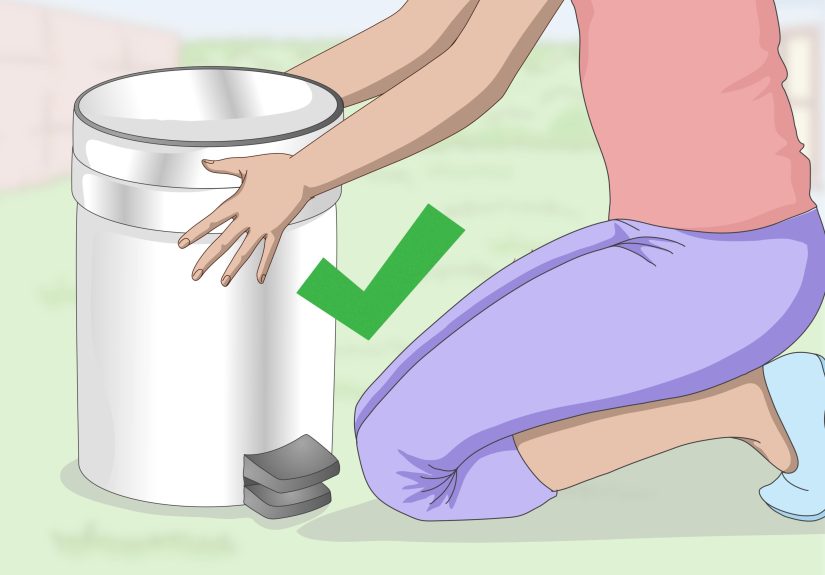
- Transfer ashes into a metal container with a tight-fitting lid.
- Store the container outside, well away from the house and anything combustible.
- Place it on a noncombustible surface, such as concrete, brick, or gravel.
Do not use plastic buckets, paper bags, cardboard boxes, or regular indoor trash cans. That is not ash disposal. That is fire scheduling.
Even when ashes seem cool, give them extra time before final disposal. When in doubt, treat them like they are still hot. That cautious attitude is one of the cheapest forms of home insurance you will ever practice.
How to Recognize a Chimney Fire
A normal fireplace fire should stay in the firebox and vent properly through the chimney. A chimney fire is different, more dangerous, and not something to casually “keep an eye on.”
Warning signs may include:
- loud cracking, popping, or rumbling sounds;
- dense smoke or flames from the chimney top;
- a strong, intensely hot smell;
- hot spots around the chimney or wall;
- smoke entering the room unexpectedly.
What to Do If You Suspect a Chimney Fire
- Reduce the air supply if you can do so safely. That may mean closing fireplace doors or controls as appropriate for your setup.
- Get everyone out of the house.
- Call 911 immediately.
- Do not pour water into the fireplace or chimney.
- Do not use the fireplace again until a qualified chimney professional inspects it.
Even if the fire seems to stop on its own, hidden damage may remain. A chimney can crack, warp, or fail internally and still look “mostly fine” from the couch. “Mostly fine” is not a safe engineering standard.
How to Prevent Fireplace Fires From Becoming a Problem
The easiest fireplace fire to put out is the one that never becomes dangerous in the first place. Smart fireplace habits matter.
Burn Only the Right Fuel
Use clean, dry, seasoned firewood. Well-seasoned wood burns hotter and cleaner, creates less smoke, and reduces creosote buildup. Wet or green wood creates more smoke and more chimney residue, which raises the risk of a chimney fire.
Do not burn trash, cardboard, magazines, wrapping paper, or random mystery wood from the garage corner. Your fireplace is not a paper shredder with ambition.
Keep the Area Around the Fireplace Clear
Maintain at least a 3-foot safety zone around the fireplace. Keep rugs, blankets, furniture, decorations, baskets, and curious pets outside that buffer zone.
Use a Screen or Protective Barrier
A sturdy metal or glass barrier helps prevent sparks and embers from leaping into the room. Fire has terrible boundaries, so it helps to provide some.
Open the Damper Before Lighting the Fire
Always check that the damper is fully open before starting the fire. It is much easier to confirm that before the flames are already going.
Schedule Annual Chimney Inspection and Cleaning
Have your chimney and fireplace inspected and cleaned by a qualified professional at least once a year, especially before heating season. Creosote buildup is flammable, and maintenance is one of the most important ways to reduce risk.
Install Smoke and Carbon Monoxide Alarms
Working smoke alarms and carbon monoxide alarms are essential anywhere you burn fuel. Install them on every level of the home and near sleeping areas, and test them regularly.
Quick Step-by-Step Fireplace Shutdown Checklist
- Stop adding wood.
- Let the flames die down.
- Spread the embers with a poker.
- Lightly cover embers with ash, or a thin sprinkle of baking soda if needed.
- Keep the screen in place.
- Leave the damper open until everything is fully out.
- After the ashes cool, transfer them to a lidded metal container.
- Store that container outdoors away from the home.
Common Questions About Putting Out a Fireplace Fire
Can you use water to put out a fire in a fireplace?
It is usually better not to. Water can create steam, scatter ash, and potentially damage hot masonry or the flue. Letting the fire burn down naturally is usually safer.
Can you close the glass doors and walk away?
No, not if the fire is still active. Protective doors or screens help contain sparks, but they do not replace safe shutdown. You still need to wait until the fire is truly out.
How long do fireplace ashes stay hot?
Often much longer than people expect. Ashes and buried embers can stay hot for days, so they should always be handled and stored as though heat is still present.
What is the safest extinguisher for home use?
An ABC-rated fire extinguisher is the most common general household choice because it can be used on many common home fire types. Still, it should only be used on small, contained fires when you have a safe way out.
Real-World Experiences: What People Learn After Using a Fireplace
One of the most common experiences homeowners talk about is how deceptively calm a fireplace can look right before it causes trouble. The flames die down, the room feels warm, the logs collapse into a neat glow, and it all looks peaceful enough to ignore. That is exactly when many people make mistakes. They assume the show is over because the bright part is over. In reality, the heat is still very much at work.
A familiar lesson is the ash lesson. Someone cleans out a fireplace the next morning, notices the ashes look cool, scoops them into a bag or plastic bucket, and leaves them in the garage or near the house. Hours later, the container begins to smoke or melt. This is one of those experiences that turns a casual fireplace owner into a lifelong believer in metal ash containers. Once you have seen how long embers can survive, you stop trusting appearances forever.
Another common experience is learning that draft and airflow matter more than people expect. Many first-time fireplace users close the damper too early because it seems like the efficient thing to do. Instead, they end up with lingering smoke smell, a dusty room, or worried questions about whether carbon monoxide could be an issue. After that, they tend to remember the rule: the damper stays open until the fire is truly out, not merely less exciting.
People also discover that the quality of the wood changes everything. Burn damp wood, and the fire tends to smoke more, hiss more, and leave behind more residue. Burn seasoned wood, and the fire is easier to manage, easier to extinguish, and less likely to leave you scrubbing soot or worrying about creosote buildup later. Experienced fireplace users often become surprisingly opinionated about firewood, which is not the hobby anyone plans on having, but here we are.
Then there is the “I should have had tools ready first” experience. A poker, shovel, gloves, screen, and metal ash can do not seem very glamorous until the moment you need them. Without those basics, even a simple shutdown becomes awkward. With them, the process feels controlled. Many homeowners say the biggest improvement in fireplace safety came not from buying something fancy, but from organizing a few practical tools in one easy-to-reach place.
Some people also learn that fireplace safety is less about one dramatic emergency and more about a hundred quiet decisions. Did you burn the right wood? Did you inspect the chimney before the season started? Did you keep the rug far enough away? Did you test the smoke and carbon monoxide alarms? Did you give the fire enough time to die before bed? Fireplace safety is built on those boring little choices, which are wonderful precisely because they are boring.
The strongest pattern in real-world experience is simple: the people who stay safest are usually the people who do not rush. They are patient when the fire is ending, patient with ashes, patient with maintenance, and patient enough to call professionals when something seems off. In fireplace care, patience is not just a virtue. It is practically a fire prevention device.
Conclusion
If you want to put out a fire in a fireplace safely, the best method is usually the least dramatic one: stop adding wood, let the fire burn down, spread the embers, smother remaining hot spots gently, and leave the damper open until everything is fully extinguished. After that, treat the ashes with respect and store them in a lidded metal container outdoors.
For small flare-ups, an ABC fire extinguisher may help if the fire is contained and you can get out safely. For a suspected chimney fire, do not negotiate, improvise, or try to be impressive. Get everyone out and call 911.
A fireplace should make your home feel warmer, not your risk level higher. With the right habits, you can enjoy the glow, skip the chaos, and end the evening with nothing more dramatic than a cup of cocoa and a room that still smells faintly like winter.