
Table of Contents >> Show >> Hide
- Table of Contents
- Why white twin sheets are upcycling gold
- Sheet check: choose the best second life
- Prep your sheet like a pro (fast, not fussy)
- Home + cleaning repurposes
- DIY decor + organization
- 6) No-sew cafe curtains (white looks intentionally “airy,” not “I gave up”)
- 7) Tablecloth, runner, and napkins that match on purpose
- 8) Drop cloth for painting and messy projects (the “save your floor” classic)
- 9) Backdrop for photos, videos, and “I swear my room is tidy” moments
- 10) Closet dividers and soft organizers
- 11) A soft, fabric-covered ceiling panel (yes, really)
- Sewing + craft projects (beginner-friendly)
- 12) The best “practice fabric” for patterns and prototypes
- 13) Reusable gift wrap (pretty, quiet, and not crinkly)
- 14) Tote bag in an afternoon (or a no-sew version if you’re feeling rebellious)
- 15) Produce bags, bread bags, and pantry liners
- 16) Kid costumes and pretend-play “everything”
- 17) Braided rug, rope basket, or pet toy (depending on fabric strength)
- Outdoor + garden uses
- Donate or recycle responsibly
- Quick project picker
- FAQ
- Experiences: what it’s really like to repurpose white twin sheets
- SEO tags (JSON)
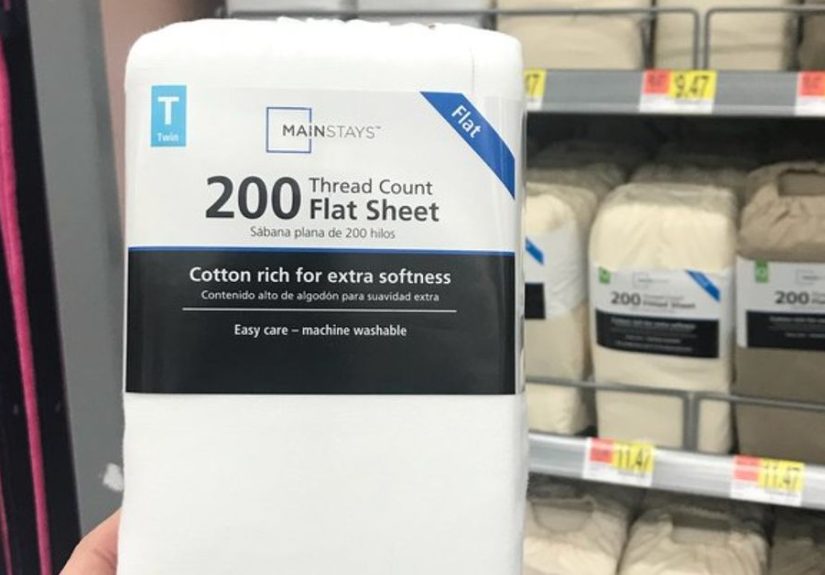
White twin sheets are basically the plain toast of the linen closetuntil you realize plain toast can become
French toast, croutons, and the thing you eat standing in front of the fridge at midnight. A simple white sheet
is one of the most useful “starter fabrics” you’ll ever own: it’s large, washable, dyeable, easy to cut, and
neutral enough to disappear into the backgroundor become the background.
In this guide, you’ll learn smart, practical ways to repurpose white twin sheets (flat or fitted) into
home, craft, garden, and donation winswithout turning your house into a chaotic craft-store aisle.
Expect ideas that range from “zero-sew, five-minute fix” to “I made something and now I feel unstoppable.”
Why white twin sheets are upcycling gold
A white twin sheet hits a rare sweet spot: it’s big enough to be useful, small enough to handle, and neutral
enough to be anything. White fabric also plays nicely with nearly every DIY methodfabric dye, fabric paint,
tie-dye, block printing, or even simple tea-staining for a vintage look. And because twin sheets are typically
lighter and easier to wrangle than larger sizes, they’re a great entry point for upcycling linens.
What you’re really “getting” from one twin sheet
Think of a sheet as affordable yardage. A standard twin flat sheet is often around 66″ x 96″
(sizes vary by brand). That’s a lot of fabric for drop cloths, curtains, table linens, craft backdrops, and more.
A fitted sheet usually matches a twin mattress footprint (commonly 39″ x 75″) plus pocket depth,
which makes it especially handy for snug “covers” and car-seat protectors.
Sheet check: choose the best second life
Before you cut anything, do a quick reality check. The goal isn’t to force a fancy project onto a sheet that’s
living its best “utility rag” life. Match the project to the sheet’s condition and fabric type.
1) Condition: good, okay, or “seen some things”
- Good condition (no stains, no tears, still soft): donate, curtains, table linens, sewing practice, slipcovers.
- Okay (minor wear, slight discoloration): drop cloth, cleaning cloths, garage tasks, craft backdrops, dye projects.
- Rough (thin spots, holes, stubborn stains): rags, stuffing, plant covers, pet bedding (if accepted), protective layers.
2) Fabric: cotton is the MVP, blends are the “depends”
Cotton or cotton-rich sheets are the easiest to sew, dye, and wash hot. Polyester blends can still work great
for drop cloths, dust covers, or moving protection, but they don’t always dye evenly. Microfiber is tough and
durable, but it can be slippery underfootimportant if you’re using it on floors.
Prep your sheet like a pro (fast, not fussy)
Step 1: Wash it like you mean it
Wash and dry the sheet before you repurpose it. Even “clean-looking” sheets can hold body oils, detergent
residue, or fabric softener buildup that affects dye, paint, and absorbency. Skip fabric softener if you want
the sheet to work as a cleaning cloth or paint drop cloth.
Step 2: Decide if you’re working with a flat sheet or fitted sheet
- Flat sheet: best for large surfacesdrop cloths, tablecloths, curtains, backdrops, garden covers.
- Fitted sheet: best for “hugging” shapescar seats, patio furniture cushions, mattresses, bins, pet crates (if appropriate).
Step 3: De-elastic (optional, but satisfying)
If you’re using a fitted sheet for sewing or crafting, cut off the elastic edge to create flatter fabric panels.
Keep the elastic strip for bundling cords, tying garden supports, or wrangling that one charger cable that’s
always trying to escape.
Step 4: Iron? Only if your project cares
Curtains, table linens, and photo backdrops look nicer ironed. Cleaning rags do not care. The garage absolutely
does not care. Your future self does not care. Choose peace.
Home + cleaning repurposes
1) Make a “quit buying paper towels” cleaning kit
Cut the sheet into a stack of cleaning cloths. Keep a small bin under the sink for clean cloths and another
for used cloths. White is a bonus here: you can wash it hot and, if needed, safely use oxygen bleach for stains.
This is one of the fastest ways to turn a single sheet into something you use every day.
- Best for: cotton sheets
- Pro tip: cut a mix of sizessmall squares for quick wipes, larger rectangles for windows and mirrors.
2) DIY dust covers for storage (goodbye, mystery fuzz)
White sheets make excellent breathable dust covers for off-season clothes, suitcases, fans, or stored bedding.
Cut a rectangle, drape it over the item, and secure it with safety pins, clips, or a tied strip of sheet fabric.
It looks cleaner than plastic and doesn’t trap moisture as easily.
3) Car-seat protector for pets, plants, and beach sand
A fitted twin sheet can stretch over a car seat back or bench area to create a quick protective cover. It’s
especially useful after the beach, after a muddy hike, or when transporting plants and potting soil. Bonus: you
can toss it in the wash instead of trying to vacuum sand out of seat seams forever.
4) Shoe-wrap and suitcase liner for travel
Cut long strips or medium squares to wrap shoes inside luggage. White fabric makes it easy to see dirt before it
spreads. You can also line the bottom of suitcases or storage bins with sheet fabric to reduce scuffs and keep
items from sliding around.
5) Drawer and shelf liners that don’t scream “contact paper”
For dresser drawers or linen closet shelves, cut sheet panels to fit. The fabric reduces snagging, softens
rattly drawers, and can be removed and washed. If you want it to stay put, use a few small pieces of removable
mounting putty at corners (no sticky residue drama).
DIY decor + organization
6) No-sew cafe curtains (white looks intentionally “airy,” not “I gave up”)
White fabric is classic for cafe curtainsprivacy plus light. Hem with iron-on hemming tape if you’re not sewing.
Hang them with clip rings, a tension rod, or even simple curtain clips. Twin sheets are especially handy if you
want a clean, minimal look in kitchens, bathrooms, or laundry rooms.
7) Tablecloth, runner, and napkins that match on purpose
A white twin flat sheet can become a tablecloth, a long runner, and a stack of napkinsespecially if you like
the “casual-yet-put-together” vibe. Add a simple border with fabric paint, stamp patterns using potatoes or
sponges, or keep it crisp and minimal. White also makes a perfect base for seasonal decor: swap out centerpieces,
not your entire table setup.
8) Drop cloth for painting and messy projects (the “save your floor” classic)
Old sheets are a go-to for covering floors and furniture during DIY. They’re easy to spread out, easy to wash,
and easier to store than stiff canvas drop cloths. A heads-up: thin sheets can let paint soak through, so
consider layering (sheet + cardboard or paper) if you’re using heavy paint or stain.
9) Backdrop for photos, videos, and “I swear my room is tidy” moments
Need a clean background for product photos, online listings, crafts, or videos? A white sheet is the easiest
instant backdrop. Hang it with clips, tape, or a tension rod. If you want a smoother look, lightly mist and
tug it taut, or iron just the visible portion.
10) Closet dividers and soft organizers
Cut sturdy strips and sew or tie them into hanging dividers, bin liners, or soft drawer organizers. White works
well here because it visually “disappears,” making closets look calmer. Add labeled tags (iron-on labels or
a simple marker label on a stitched patch) to keep things practical.
11) A soft, fabric-covered ceiling panel (yes, really)
For basements or utility spaces, some DIYers staple light fabric to joists to soften the look and create a cozy,
tent-like effect. A white sheet can brighten the space and hide visual clutter. If you try this, keep access to
utilities in mind and avoid placing fabric near heat sources.
Sewing + craft projects (beginner-friendly)
12) The best “practice fabric” for patterns and prototypes
A white cotton sheet is a budget-friendly way to test garment patterns, bag designs, or home projects before you
cut into pricier fabric. Tailors and sewists often make a trial version first to check fit and construction.
White fabric also makes it easy to mark adjustments clearly.
13) Reusable gift wrap (pretty, quiet, and not crinkly)
Cut squares for fabric gift wrap. Tie with ribbon, twine, or strips cut from the sheet itself. White becomes a
blank canvas: stamp it, doodle a holiday pattern, or keep it minimal for a “clean aesthetic” look. It’s also
great for oddly shaped gifts where paper fails and tape turns into a personal vendetta.
14) Tote bag in an afternoon (or a no-sew version if you’re feeling rebellious)
A simple tote pattern works well with sheets because the fabric is already soft and flexible. Add a second layer
for strength. If you don’t want to sew, you can create a temporary carry bag by knotting corners or using
fabric-safe tape for light loads (think: library books, not bowling balls).
15) Produce bags, bread bags, and pantry liners
White cloth bags are handy for storing bread, keeping produce together, or organizing pantry items. They’re
washable and easy to see through (so you don’t forget that one onion until it becomes an onion ghost). If you
sew, add a drawstring channel; if you don’t, a simple tie works too.
16) Kid costumes and pretend-play “everything”
White sheets are legendary for costumes because they can be anything: a cape, a toga, a ghost (the classic), a
wizard robe, a cloud, a giant marshmallow. Add fabric markers or iron-on shapes for quick character upgrades.
Just remember: the goal is fun, not a museum-quality historical reenactment.
17) Braided rug, rope basket, or pet toy (depending on fabric strength)
Tear or cut the sheet into long strips, braid them, and coil the braid into a simple rug or small basket. This
works best with heavier cotton. For pets, skip anything with loose strings that could be chewed and swallowed;
keep it simple and supervise play.
Outdoor + garden uses
18) Frost cover for plants (a surprisingly heroic use)
When temperatures drop, sheets can help protect tender plants overnight. Drape the sheet over supports so it
doesn’t press directly on the plants (stakes, hoops, or even upside-down buckets can help). Remove it in the
morning once the air warms up and sunlight returns. This is one of the most practical ways to reuse a sheet that
isn’t donation-worthy but is still structurally intact.
19) Shade cloth for seedlings and sun-sensitive pots
A light-colored sheet can reduce harsh sun on seedlings or patio plants during extreme heat. Clip it to a fence,
pergola, or temporary frame. White is ideal because it reflects light rather than absorbing it, helping reduce
heat stress.
20) Moving day padding and furniture wrap
Sheets are underrated moving supplies. Wrap mirrors, protect furniture corners, cushion fragile items, and
separate stacked pieces to prevent scratches. Unlike plastic wrap, fabric breathes and doesn’t trap moisture.
Plus, you’re not buying a pile of single-use packing materials.
21) Picnic blanket that can handle real life
A white twin flat sheet is an easy picnic blanket, beach layer, or “park day” base. It’s lightweight, folds
small, and washes easily. If you want it to feel more substantial, fold it double or sew two layers together.
Add a stitched corner pocket to hold small itemsor to stuff the whole sheet into for storage.
22) Garage and workshop protection (paint, sanding, mess management)
Use sheets to cover workbenches, protect floors under small repairs, or keep sawdust and debris contained.
For tasks involving spills or heavy chemicals, use appropriate protective materials and dispose of anything
contaminated according to local guidelines. The sheet is for everyday mess, not for turning your garage into a
science lab.
Donate or recycle responsibly
Sometimes the best repurpose is letting someone else use it. But donation rules varyespecially for animal
shelters and community programsso it helps to think in three lanes: donate, recycle, or downcycle.
When donation makes sense
- Donate if: the sheet is clean, dry, and free of major rips, heavy staining, or odors.
- Call first: some shelters have strict lists of what they can accept, and some cannot take certain bedding at all.
- Wash before donating: it’s a basic courtesy and reduces health risks for recipients.
Great places to consider (depending on local acceptance)
- Animal shelters and rescues: often use linens for bedding and cleaning needs, but donation guidelines vary.
- Homeless shelters and community organizations: may accept usable bedding for people in need.
- Textile recycling programs: some municipalities and recycling organizations accept sheets and household linens.
- Textile take-back services: some programs accept worn textiles and route them to reuse or recycling streams.
If it’s not donation-worthy
If the sheet is too worn for reuse, your best bet is textile recycling (if available) or downcycling into rags,
stuffing, protective layers, or garden covers. The goal is to keep usable textiles out of the trash as long as
they can safely serve a purpose.
Quick project picker
Not sure where to start? Use this quick guide to match your sheet to a project you’ll actually finish.
(Finishing is the underrated craft supply.)
| Sheet condition | Best uses | Skill level | Time |
|---|---|---|---|
| Like-new | Cafe curtains, table linens, sewing practice, donation | Beginner to intermediate | 30 minutes to 3 hours |
| Minor wear | Drop cloth, backdrop, storage covers, tote bag, picnic blanket | Beginner | 10 minutes to 2 hours |
| Stained/discolored | Dye projects, workshop covers, moving wrap, cleaning cloths | Beginner | 15 minutes to 2 hours |
| Thin/holes | Rags, garden frost cover (with care), stuffing, protective layers | Beginner | 10 minutes to 1 hour |
FAQ
Are old sheets good drop cloths for painting?
Yesespecially for quick DIY, craft projects, and light paint work. If your sheet is thin, layer it to prevent
paint from soaking through. Also be mindful that smoother fabrics can shift on slick floors; keep it flat and
avoid creating trip hazards.
What if my white sheet is yellowed?
Yellowing is common from age, oils, and detergent buildup. You can repurpose it for utility projects (rags,
drop cloths, garden covers) or lean into it with dye, paint, or printed designs where “perfect white” isn’t the
point.
How much fabric is a twin sheet, roughly?
Many twin flat sheets are around 66″ x 96″, which is a generous amount of fabric for household projects.
Fitted sheets are smaller in usable flat area but have a built-in elastic edge that’s perfect for snug covers.
Exact dimensions vary by brand and style (standard twin vs. twin XL).
Can I donate sheets to an animal shelter?
Sometimes. Many shelters can use bedding, but donation rules vary widelysome accept only certain items and
conditions, while others cannot accept bedding at all. Always check first, and only donate clean, dry items that
meet their guidelines.
What’s the easiest repurpose if I hate sewing?
Cutting cleaning cloths, making storage dust covers, using the sheet as a drop cloth, or creating a photo
backdrop are all no-sew, low-effort wins. Hemming tape can also handle quick curtain or tablecloth edges with
minimal commitment.
Experiences: what it’s really like to repurpose white twin sheets
Repurposing sheets sounds delightfully simple until you’re standing there with scissors thinking, “If I cut this
wrong, I’ll somehow ruin fabric that was already heading for retirement.” That little moment of hesitation is
normaland it’s also the turning point where upcycling goes from idea to habit.
One of the most common “first experiences” people report is starting with cleaning cloths. It’s low stakes,
immediately useful, and oddly satisfying to stack a neat pile of cloth squares like you’re running a tiny,
well-organized cleaning boutique. The surprise is how quickly they replace paper towels. Once the cloths live
within arm’s reach, they get used for everything: wiping counters, polishing mirrors, catching cooking splatters,
and cleaning up spills that mysteriously appear the moment you sit down.
The next experience is usually the “drop cloth reality check.” Sheets are convenient, but thin fabric teaches a
fast lesson: paint can bleed through. DIYers often learn to layersheet on top for grip and coverage, with a more
protective layer beneath for heavy paint jobs. People also realize that fabric can bunch up if you rush, so the
best “pro move” is boring but effective: take 30 seconds to smooth it out and keep it flat. Your ankles will
thank you later.
If you try curtains or table linens, the experience is less about sewing skill and more about patience. White
fabric shows every wrinkle and every uneven fold, so you learn a useful design truth: crisp edges read “intentional.”
Many beginners discover they don’t actually need a sewing machine to get that lookhemming tape and a careful iron
can handle the job. And because the fabric is white, even a simple curtain can make a room feel brighter and more
put-together, which is a suspiciously high reward for a project that started as “I don’t know what to do with this sheet.”
The most unexpectedly emotional experience tends to be donation. People often assume shelters will automatically
take old bedding, but some organizations have strict guidelines. That “call first” moment becomes part of the
upcycling mindset: repurposing isn’t just making somethingit’s matching the item to a real need. When donation
works out, it feels great because it’s not decorative; it’s directly helpful.
And then there’s the fun, chaotic category: costumes and kids’ projects. A white sheet becomes a cape, a fort, a
“ghost” costume, a wizard robe, a theater curtain, or a spaceship interior in about six seconds. The experience here
is learning that perfection is the enemy of joy. The best sheet projects are often the ones that look a little goofy,
because that’s how you know someone actually used them.
Over time, a pattern shows up: the sheet you repurpose once changes how you see everything else you own. That old
fabric stops being “trash” and starts being “material.” You begin to keep a small, sane stash of repurpose-ready
textiles for cleaning, painting, garden emergencies, and quick DIY. The end result isn’t a craft hoardit’s a
practical home that wastes less and improvises better. Which is a very fancy way of saying: your white twin sheet
just got promoted from “linen closet clutter” to “useful household sidekick.”





 Close
Close