
Table of Contents >> Show >> Hide
- What Does “Restore an iPod” Actually Mean?
- Before You Restore: 5 Things to Check First
- How to Restore an iPod Without iTunes: 8 Steps
- Step 1: Identify Your iPod Model
- Step 2: Try Erasing Directly from Settings
- Step 3: Turn Off Find My If You Can
- Step 4: Restore with Finder on Mac
- Step 5: Restore with Apple Devices on Windows
- Step 6: Use Recovery Mode for an iPod Touch That Will Not Start
- Step 7: Put an Older iPod Into Disk Mode or DFU Mode
- Step 8: Set Up the iPod Again or Restore from Backup
- Best Method by Situation
- Troubleshooting: What If the Restore Fails?
- Is It Safe to Use Third-Party iPod Restore Tools?
- Personal Experience: What Restoring an iPod Without iTunes Is Really Like
- Final Thoughts
- SEO Tags
Restoring an iPod used to mean one thing: open iTunes, pray it recognized your device, and stare at a progress bar like it owed you money. Thankfully, that is no longer the only route. Whether you have an iPod touch, iPod classic, iPod nano, or iPod shuffle, there are practical ways to restore an iPod without iTunes using Finder on a Mac, the Apple Devices app on Windows, built-in reset options, recovery mode, or Find My.
This guide walks you through the safest options first, then moves into deeper recovery methods for stubborn devices. The goal is simple: erase the iPod, reinstall or refresh the software when possible, and get it ready to use, sell, give away, or rescue from the digital swamp.
What Does “Restore an iPod” Actually Mean?
Before you click anything dramatic, understand the difference between restarting, resetting, erasing, and restoring. A restart simply turns the iPod off and back on. A settings reset may clear preferences while keeping some data. A full restore wipes the iPod and returns it to factory settings. On an iPod touch, that usually means erasing content and settings and reinstalling iOS if done through a computer. On older iPods, restoring typically refreshes the firmware and clears the device’s music, videos, playlists, and settings.
In plain English: restoring is the “move out, repaint the walls, and pretend nothing happened” option. It is useful when your iPod is frozen, disabled, stuck on the Apple logo, not showing up on a computer, loaded with someone else’s data, or being prepared for a new owner.
Can You Really Restore an iPod Without iTunes?
Yes, but the best method depends on your iPod model and your computer. On a Mac running macOS Catalina or later, Finder handles many tasks that iTunes used to handle. On Windows, Apple’s newer Apple Devices app can manage, back up, update, and restore supported Apple devices. If your iPod touch still works, you can erase it directly from Settings. If it is lost or inaccessible but still tied to your Apple Account, Find My can remotely erase it when the device comes online.
The one catch: very old iPods can be picky. An iPod classic or older nano may behave better with a certain cable, USB port, Mac, Windows PC, or legacy software setup. The steps below start with modern methods and include fallback tips for older click-wheel models.
Before You Restore: 5 Things to Check First
A restore is powerful, but it is not magic. It cannot recover a broken hard drive, bypass Activation Lock, or bring back music you never backed up. Before you begin, do these quick checks.
1. Back Up Anything You Still Need
If you are restoring an iPod touch and can still access it, back up your important data to iCloud or to a computer. Photos, notes, app data, and settings may be recoverable from a backup later. For older iPods, make sure your music library exists somewhere else, such as the Music app on your Mac, your Apple purchases, or your own local media folder. A restore removes content from the device.
2. Charge the iPod
A dying battery can interrupt the restore process. Charge the iPod for at least 30 minutes before starting. If the battery is old and dramatic, like a tiny soap opera actor, leave it connected to power during troubleshooting.
3. Use a Reliable Cable
Many restore failures are not software problems at all. They are cable problems wearing a fake mustache. Use an Apple or high-quality certified cable. Avoid loose, frayed, or charge-only cables, because some cables can power a device but cannot transfer data.
4. Know Your Apple Account Password
If Find My is enabled on an iPod touch, you may need the Apple Account password before restoring or activating the device again. This is normal security behavior. Do not use tools that claim to bypass ownership locks. They are risky, often unreliable, and can turn one problem into a very expensive paperweight.
5. Update Your Computer
If you are using Finder on Mac or Apple Devices on Windows, install available system updates first. Restore tools need current drivers and device support. A computer that has not been updated since the era of low-rise jeans may not recognize your iPod correctly.
How to Restore an iPod Without iTunes: 8 Steps
Step 1: Identify Your iPod Model
Start by figuring out what kind of iPod you have. This matters because an iPod touch behaves like an iPhone without cellular service, while an iPod classic, nano, or shuffle uses older firmware and different button combinations.
If your iPod has apps, Wi-Fi, a touchscreen, and Settings that look like iOS, it is an iPod touch. If it has a click wheel, tiny display, physical buttons, or a shuffle switch, it is an older iPod model. The newer the iPod, the more likely Finder, Apple Devices, iCloud, and Find My will help. The older the iPod, the more likely you will need a cable-based restore and possibly disk mode.
Step 2: Try Erasing Directly from Settings
If your iPod touch still turns on and you know the passcode, this is the easiest way to restore it without iTunes or a computer. Open Settings, go to General, then choose Transfer or Reset iPod touch. Tap Erase All Content and Settings and follow the prompts.
This method is perfect when you are selling the device, giving it to a family member, clearing clutter, or starting fresh because the iPod feels slower than a grocery store self-checkout machine. Once the erase finishes, the iPod restarts and displays the setup screen. From there, you can set it up as new or restore from a backup.
Step 3: Turn Off Find My If You Can
On an iPod touch, Find My protects the device from being erased and reused by someone who does not own it. If you can access the iPod, go to Settings, tap your name, open Find My, and turn off Find My iPod touch. You may need to enter your Apple Account password.
This step is especially important before selling or gifting the iPod. If you skip it, the next person may be stuck at Activation Lock during setup. That is not a fun gift. That is a tiny touchscreen-shaped apology note.
Step 4: Restore with Finder on Mac
If you have a Mac running macOS Catalina or later, you can restore an iPod without iTunes through Finder. Connect the iPod to your Mac with a USB cable. Open a Finder window and look for the iPod in the sidebar under Locations. Select it, click General, then choose Restore iPod or Restore iPod touch, depending on the model.
Finder may ask you to trust the device or enter the passcode. If the iPod is disabled or stuck, you may not see those prompts, which is where recovery mode comes in later. Confirm the restore and keep the device connected until the process finishes. Do not unplug it halfway through unless your hobby is creating more problems.
Step 5: Restore with Apple Devices on Windows
If you are on Windows and want to avoid iTunes, install the Apple Devices app from the Microsoft Store. After installation, open Apple Devices, connect the iPod, and select it from the sidebar. In the general device area, look for backup, update, or restore options.
For supported devices, Apple Devices can replace many of the old iTunes management tasks, including restoring. If the iPod does not appear, try another USB port, another cable, and a direct connection instead of a USB hub. Also make sure Apple Devices is updated. Windows loves drivers the way cats love knocking things off shelves: unpredictably.
Step 6: Use Recovery Mode for an iPod Touch That Will Not Start
If your iPod touch is stuck on the Apple logo, shows the connect-to-computer screen, restarts repeatedly, or is not recognized normally, recovery mode is the next step. Connect the iPod touch to your computer and open Finder on Mac or Apple Devices on Windows.
For an iPod touch 7th generation, press and hold the top button and volume down button at the same time until the recovery screen appears. For an iPod touch 6th generation or earlier, press and hold the Home button and top or side button together until the recovery screen appears. When Finder or Apple Devices offers Update or Restore, choose Restore if you want to erase and reinstall the software.
If the software download takes longer than expected and the iPod exits recovery mode, let the download finish, then repeat the button sequence. This is annoying, yes, but still cheaper than buying a replacement because the device had one bad afternoon.
Step 7: Put an Older iPod Into Disk Mode or DFU Mode
For an iPod classic, iPod nano, or other click-wheel model that refuses to appear, disk mode may help the computer detect it. First, make sure the Hold switch is off. Then reset the iPod by holding Menu and Center until the Apple logo appears. As soon as the logo appears, hold Center and Play/Pause until disk mode appears.
Once in disk mode, connect the iPod to the computer and check Finder, Apple Devices, or the available device-management tool. If the iPod still does not appear, the problem may be the cable, USB port, storage drive, battery, or logic board. Older hard-drive iPods can fail mechanically, especially after years in drawers, backpacks, glove boxes, and other retirement communities for electronics.
DFU mode is a deeper recovery option for some iPods, but use it carefully. Press buttons gently, follow the sequence for your model, and stop if buttons feel stuck. Breaking a physical button while trying to restore an old iPod is the tech version of locking your keys inside the car while the engine is running.
Step 8: Set Up the iPod Again or Restore from Backup
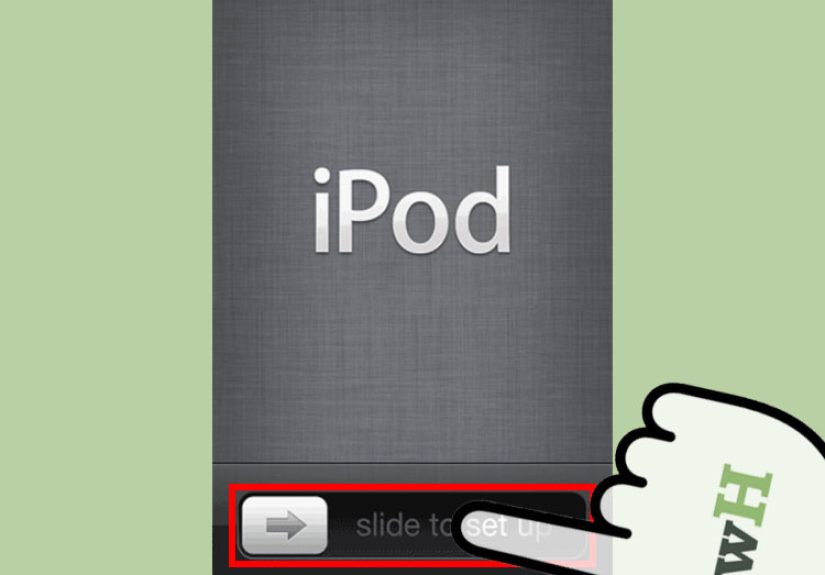
After the restore finishes, your iPod should restart. If it is an iPod touch, you will see the setup screen. Choose your language, connect to Wi-Fi, sign in with your Apple Account, and either set it up as new or restore from an iCloud or computer backup.
If it is an older iPod, you may need to sync music, playlists, podcasts, or audiobooks again from your computer. On modern Macs, that usually happens through Finder and the Music app. On Windows, Apple Devices and Apple Music may handle different parts of the job. Keep the iPod connected until syncing completes, then eject it properly before unplugging.
Best Method by Situation
If Your iPod Touch Still Works
Use the built-in erase option in Settings. It is simple, fast, and does not require iTunes, Finder, or a Windows app. Just make sure you have backed up anything important and know the Apple Account password linked to the device.
If You Have a Newer Mac
Use Finder. Connect the iPod, select it in the sidebar, and choose the restore option. This is the cleanest iTunes-free method for many users because it is built into macOS and feels familiar if you ever used iTunes in the past.
If You Have a Windows PC
Try Apple Devices first. Install it from the Microsoft Store, connect the iPod, select the device, and use the available restore options. If you are working with a very old iPod model and Apple Devices does not cooperate, you may need another computer or legacy software support.
If the iPod Is Disabled or Frozen
Use recovery mode for iPod touch or disk mode for older click-wheel models. These modes are designed for situations where the device cannot be managed normally. They are also your best chance when the iPod is stuck on the Apple logo or ignored by the computer.
If the iPod Is Lost
Use Find My to erase it remotely. This only works for an iPod touch connected to your Apple Account and able to reach the internet. If the device is offline, the erase request stays pending until it reconnects.
Troubleshooting: What If the Restore Fails?
The iPod Does Not Show Up on the Computer
Try a different cable, different USB port, and a direct connection instead of a hub. Restart both the iPod and the computer. On Mac, check Finder settings to make sure connected devices can appear in the sidebar. On Windows, update Apple Devices and restart the PC.
The Restore Gets Stuck
Leave the device connected and give it time. Some restores pause while software downloads or verifies. If the process fails with an error, restart the computer, reconnect the iPod, and try again. For iPod touch, repeat recovery mode if the device exits the recovery screen during a long download.
The iPod Asks for an Apple Account After Restore
That is Activation Lock. Enter the Apple Account previously used on the device. If you bought the iPod secondhand, contact the previous owner and ask them to remove it from their account. Avoid bypass tools. They often promise miracles and deliver headaches with a side of malware.
The Battery Dies During Restore
Charge the iPod longer and try again. If the battery cannot hold enough power to stay connected, the battery may need replacement before software restoration can succeed.
An Older iPod Makes Clicking Sounds
A clicking iPod classic may have a failing hard drive. Restoring can fix software corruption, but it cannot repair a dying drive. In that case, repair or storage replacement may be needed before the iPod becomes reliable again.
Is It Safe to Use Third-Party iPod Restore Tools?
Some third-party tools claim they can restore, repair, unlock, or revive iPods without iTunes. A few are legitimate utilities for specific repair situations, but many are unnecessary for normal restores. Be especially careful with tools that ask for your Apple Account password, promise to remove Activation Lock, or require disabling computer security.
For most people, the safest order is: Settings, Finder, Apple Devices, recovery mode, Find My, and then professional repair if hardware seems damaged. This keeps your data, account, and computer safer while still giving the iPod every reasonable chance to recover.
Personal Experience: What Restoring an iPod Without iTunes Is Really Like
The first thing you learn when restoring an iPod without iTunes is that the word “simple” depends heavily on the age of the iPod. An iPod touch can be surprisingly painless. If you know the passcode and Apple Account password, the Settings method feels almost too easy: tap through a few menus, confirm the erase, and wait. It is the rare tech process where the device does most of the work while you stand nearby pretending to supervise.
Finder on Mac is also smoother than many people expect. The funny part is that longtime iTunes users often spend five minutes looking for an app that no longer needs to exist. The iPod appears in Finder like an external drive with a management panel. Once you select it, the restore button is right there. It feels like iTunes moved into a smaller apartment, got rid of its clutter, and finally labeled the drawers.
Windows can be a little more unpredictable, mostly because device recognition depends on the app, drivers, cable, USB port, and sometimes the mood of the computer. Installing Apple Devices from the Microsoft Store helps modernize the process, but if the iPod is old, you may still need patience. A good cable matters more than people think. One worn cable can make a perfectly usable iPod look dead, confused, or possessed.
Older iPods are where the experience becomes more hands-on. Disk mode can feel like entering a secret code from an old video game. Hold Menu and Center, wait for the Apple logo, switch quickly to Center and Play/Pause, and hope the screen cooperates. When it works, it is oddly satisfying. When it does not, you start questioning your timing, your fingers, and possibly your entire relationship with early-2000s technology.
The biggest lesson is to diagnose before restoring. If the iPod only needs a force restart, restoring is overkill. If the storage is failing, restoring may fail no matter how carefully you follow the steps. If Activation Lock is active, no restore method will make the device yours without the correct account credentials. A restore is powerful, but it is not a magic wand. It is more like a very serious broom: excellent for cleaning up, useless for fixing a cracked floor.
Another practical lesson is to prepare your library before wiping anything. Many people restore an old iPod classic and then remember the music library only existed on that iPod. That is a painful moment. If your songs, playlists, or recordings matter, make sure they are backed up elsewhere before restoring. Once the device is erased, recovery becomes much harder and sometimes impossible.
Overall, restoring an iPod without iTunes is absolutely possible, and in many cases it is easier than the old way. Use Settings when the iPod touch works, Finder when you have a modern Mac, Apple Devices when you use Windows, recovery mode when the iPod touch is stuck, and disk mode when an older iPod refuses to appear. The process rewards calm troubleshooting. Also snacks. Snacks help.
Final Thoughts
Restoring an iPod without iTunes is no longer a strange workaround. It is often the normal method. Finder has taken over device management on newer Macs, Apple Devices gives Windows users a modern option, and iPod touch owners can erase directly from Settings or Find My. The key is choosing the right method for your model and situation.
If your iPod is accessible, start with the simplest option. If it is frozen, disabled, or invisible to the computer, use recovery mode or disk mode. If restore attempts fail repeatedly, think hardware: cable, battery, storage, port, or buttons. And before any full restore, back up what you can. Your future self will thank you, probably with fewer dramatic sighs.






 Close
Close