Table of Contents >> Show >> Hide
- Introduction: Turning a Day on the Water Into a Tournament People Remember
- How to Run a Fishing Tournament: 13 Steps
- 1. Decide the Purpose of the Tournament
- 2. Choose the Tournament Format
- 3. Select the Right Location
- 4. Check Local Laws, Permits, and Fishing Regulations
- 5. Pick a Date and Build a Realistic Timeline
- 6. Create a Budget and Set Entry Fees
- 7. Write Clear Tournament Rules
- 8. Recruit Volunteers and Assign Roles
- 9. Build a Registration System
- 10. Promote the Tournament
- 11. Prepare Equipment and Event-Day Supplies
- 12. Manage Safety, Weather, and Emergencies
- 13. Run Check-In, Weigh-In, Awards, and Follow-Up
- Sample Fishing Tournament Rule Outline
- Common Mistakes to Avoid When Running a Fishing Tournament
- Extra Experience: Lessons From Running a Fishing Tournament
- Conclusion: A Great Fishing Tournament Is Planned Before the First Cast
Note: This article is written for web publishing and is based on current U.S. fishing tournament practices, state agency guidance, boating safety standards, fish-care recommendations, and common tournament rule structures. Always verify local laws, permit requirements, species limits, and launch-site rules before hosting an event.
Introduction: Turning a Day on the Water Into a Tournament People Remember
Running a fishing tournament sounds simple until you actually start planning one. At first, it feels like a cheerful little checklist: pick a lake, invite anglers, weigh fish, hand someone a trophy, and eat something fried afterward. Then reality taps you on the shoulder wearing polarized sunglasses: permits, safety rules, fish handling, launch logistics, insurance, weather plans, sponsors, registration, scoring disputes, and at least one person asking if a 13.99-inch fish “rounds up.”
The good news? A successful fishing tournament does not require a stadium-sized budget or a professional bass trail production crew. It does require organization, clear rules, respect for local regulations, and a plan that protects both participants and the fishery. Whether you are hosting a small charity bass tournament, a youth fishing derby, a kayak fishing event, or a local club competition, the same foundation applies: keep it legal, fair, safe, fun, and conservation-minded.
This guide breaks down how to run a fishing tournament in 13 steps, from choosing the format to managing weigh-in day like a pro. You will learn how to build a tournament plan, create rules, recruit sponsors, set entry fees, handle registration, organize volunteers, manage fish care, and wrap up the event with results that nobody can argue withwell, almost nobody. Anglers are anglers.
How to Run a Fishing Tournament: 13 Steps
1. Decide the Purpose of the Tournament
Before you book a launch ramp or print flyers, decide why the tournament exists. Is it a charity fundraiser? A local club championship? A youth fishing day? A company team-building event? A high-stakes competitive tournament? Your purpose will shape nearly every decision that follows.
A charity fishing tournament may focus on community participation, sponsors, raffles, and family-friendly activities. A serious bass tournament may need stricter rules, official scales, boat checks, live-release procedures, and protest policies. A youth derby should emphasize safety, simple rules, education, and fun over intense competition.
Write a one-sentence mission statement. For example: “This tournament raises funds for local habitat restoration while giving anglers a fair, safe, and conservation-focused competition.” That sentence becomes your compass when decisions get messy.
2. Choose the Tournament Format
The format determines how winners are selected and how the event operates. Common fishing tournament formats include total weight, biggest fish, total length, catch-photo-release, species-specific categories, team competition, boat division, kayak division, youth division, and shore fishing division.
For traditional bass tournaments, total weight is common. Anglers bring a legal limit of fish to the scales, and the heaviest bag wins. For kayak tournaments, catch-photo-release is popular because anglers photograph fish on an approved measuring board and submit photos digitally. For family-friendly events, a simple “biggest fish” prize may be easier to manage.
Pick a format that matches your audience and your ability to administer it fairly. If this is your first tournament, do not create seven divisions, three bonus categories, and a scoring system that requires a math degree. Simpler is usually better.
3. Select the Right Location
The best tournament location is not always the lake with the biggest fish. You also need safe access, enough parking, suitable launch facilities, restrooms, weigh-in space, emergency access, and room for participants to gather without creating chaos.
Consider the size of the waterbody, expected boat traffic, seasonal fishing pressure, species availability, cell service, weather exposure, and local rules. If the event involves boats, make sure the launch can handle the number of participants. If it is a shore-based tournament, check that there is enough legal shoreline access.
Also confirm whether the lake, marina, park, or ramp requires a reservation, event permit, parking fee, or special-use approval. Some fishing permits authorize the contest but do not reserve the launch site. That means you may still need separate permission from a park, marina, city, county, or water-management agency.
4. Check Local Laws, Permits, and Fishing Regulations
This is the step you should never skip. Fishing tournament requirements vary widely by state, waterbody, species, number of participants, prize value, and whether fish are kept, released, weighed, transported, or photographed.
Some states require fishing contest permits for events above a certain size. Some require post-tournament reports. Some regulate culling, live possession, bag limits, slot limits, black bass tournaments, redfish tournaments, or summer tournament restrictions. Rules can also change from year to year, so last season’s assumptions may be stale bait.
At minimum, confirm the following:
- Whether a fishing tournament permit is required
- Whether anglers need state fishing licenses
- Species size limits, bag limits, possession limits, and closed seasons
- Rules for livewells, culling, weigh-ins, and fish transport
- Launch-site, park, marina, or special-event requirements
- Insurance, liability, or safety requirements
- Reporting requirements after the event
If you are unsure, contact the state fish and wildlife agency or local fisheries office. A five-minute call can save you from a tournament-day disaster that begins with a clipboard and ends with everyone looking uncomfortable.
5. Pick a Date and Build a Realistic Timeline
Choose a date that works for the fishery, weather, participants, and permitting process. Avoid major holidays unless your audience expects a holiday event. Check for conflicts with other tournaments, boating events, hunting seasons, local festivals, or ramp closures.
Give yourself enough lead time. A small informal club event might need four to six weeks of planning. A larger public tournament may need three to six months, especially if permits, sponsors, insurance, volunteers, and promotional materials are involved.
A simple planning timeline might look like this:
- 90 days out: Choose location, format, date, and budget.
- 60 days out: Apply for permits, recruit sponsors, open registration.
- 30 days out: Finalize rules, volunteers, prizes, and equipment.
- 7 days out: Confirm weather plan, supplies, launch logistics, and participant list.
- Event day: Check in anglers, conduct safety briefing, manage launch, score results, award prizes.
- After event: Submit reports, thank sponsors, publish results, review improvements.
6. Create a Budget and Set Entry Fees
A fishing tournament budget keeps the event from accidentally becoming a donation from your personal wallet. List all expected costs: permits, insurance, trophies, scales, measuring boards, weigh bags, banners, website fees, payment processing, launch fees, food, water, printing, first-aid supplies, staff shirts, and cleanup.
Then estimate revenue: entry fees, sponsorships, raffle sales, merchandise, donations, vendor fees, and optional side pots such as “big bass.” Be transparent about payouts. Anglers appreciate knowing whether 100% of entry fees go to prizes, whether a portion supports charity, or whether funds cover operating costs.
For example, a local charity tournament might charge $75 per boat, with $40 going to prizes, $25 to the charity, and $10 to operating expenses. A youth derby might be free because sponsors cover the cost. A competitive club event might keep entry fees lower but require annual membership dues.
7. Write Clear Tournament Rules
Good rules prevent confusion. Great rules prevent arguments at the weigh-in table while someone’s fish bag is dripping on your shoes.
Your rules should be written in plain English and shared before registration. Include the tournament date, official waters, eligible species, legal fishing methods, start and stop times, check-in deadline, scoring method, minimum size, creel limit, tie-breakers, safety requirements, late penalties, dead fish penalties, protest procedures, weather policy, sportsmanship standards, and disqualification rules.
For boat tournaments, include life jacket rules, kill switch rules where applicable, no-wake zones, off-limits areas, boat inspection procedures, and emergency contacts. For catch-photo-release events, define approved measuring boards, photo requirements, identifier cards, mouth position, tail position, photo deadlines, and penalty standards.
Do not rely on “everybody knows.” Everybody does not know. Somebody will ask whether trolling is allowed, whether live bait is allowed, whether two anglers can share one fish, or whether a fish caught at 6:59 a.m. counts when lines-in is 7:00 a.m. Write it down.
8. Recruit Volunteers and Assign Roles
A tournament director cannot do everything alone. You need volunteers who understand their jobs before the first truck backs down the ramp.
Key roles may include registration staff, launch marshal, safety officer, weighmaster, scorekeeper, fish-care team, photographer, parking helper, raffle coordinator, announcer, cleanup crew, and awards assistant. For larger events, assign a rules committee or protest committee.
Create a simple event-day contact sheet with names, phone numbers, and duties. Hold a short volunteer briefing before anglers arrive. Give each person a checklist. Volunteers do better when they are not forced to guess what “help out” means.
9. Build a Registration System
Registration should collect everything you need without making anglers feel like they are applying for a passport. Ask for participant names, contact information, emergency contact, boat number if applicable, fishing license confirmation, division, entry fee payment, waiver acceptance, and agreement to tournament rules.
Online registration works well for public events because it reduces paperwork and helps you track entries. For small club tournaments, a spreadsheet may be enough. Either way, keep accurate records.
Set a registration deadline. Decide whether walk-up entries are allowed. If you accept day-of registration, plan extra time and staff. Nothing slows down blast-off like someone filling out a waiver on the hood of a pickup truck while everyone else is ready to fish.
10. Promote the Tournament
Promotion attracts anglers, sponsors, volunteers, and spectators. Start with a clean event flyer that includes the tournament name, date, location, entry fee, prizes, registration link, contact information, eligible species, and charity beneficiary if applicable.
Promote through local tackle shops, marinas, fishing clubs, Facebook groups, outdoor retailers, community boards, email lists, local newspapers, radio stations, and sponsor pages. Ask sponsors to share the event. Post reminders as the date approaches, but do not spam people like a malfunctioning baitcaster.
Use SEO-friendly language on your event page, such as “local bass fishing tournament,” “charity fishing tournament,” “youth fishing derby,” “kayak fishing tournament,” and the name of the lake or city. Search engines and anglers both like clear information.
11. Prepare Equipment and Event-Day Supplies
Make an equipment checklist and pack it early. Depending on your format, you may need certified scales, a bump board, weigh baskets, aerated weigh tanks, fish bags, clipboards, pens, wristbands, boat numbers, PA system, tables, canopy tents, extension cords, batteries, phone chargers, first-aid kit, water, trash bags, signage, sponsor banners, trophies, cash envelopes, and printed rules.
For catch-photo-release tournaments, test your digital submission system before event day. Make sure anglers know how to submit photos and what the identifier card must show.
For weigh-in events, fish care is critical. Livewells should be working, weigh-in lines should move quickly, and fish should spend as little time out of water as possible. Use aerated holding tanks when appropriate and assign people specifically to fish care. Conservation is not a decorative slogan; it is part of running a responsible tournament.
12. Manage Safety, Weather, and Emergencies
Safety must be the top priority. Require participants to follow boating laws, carry required safety equipment, and use personal flotation devices as required by your rules and local regulations. Encourage or require life jackets during boat operation. Confirm emergency contacts and know the closest boat ramp, hospital, and law enforcement contact.
Monitor weather before and during the event. Establish clear rules for lightning, high winds, fog, unsafe water levels, extreme heat, or other hazards. Decide who has authority to delay, shorten, suspend, or cancel the tournament.
At the morning briefing, explain the emergency plan. Tell anglers how to contact tournament officials, what to do in severe weather, and where to check in if they leave early. A good safety plan is like a good anchor: you hope you do not need it, but you are very glad it is there when conditions change.
13. Run Check-In, Weigh-In, Awards, and Follow-Up
Event day should feel organized from the start. Open check-in early. Confirm registrations, distribute boat numbers or identifier cards, review rules, answer final questions, and conduct a safety briefing. Use an orderly launch system, such as assigned boat numbers or flights.
At the end of fishing time, require all participants to check in even if they caught nothing. Apply late penalties consistently. During weigh-in, keep the line moving, handle fish carefully, record weights accurately, and have at least two people verify results.
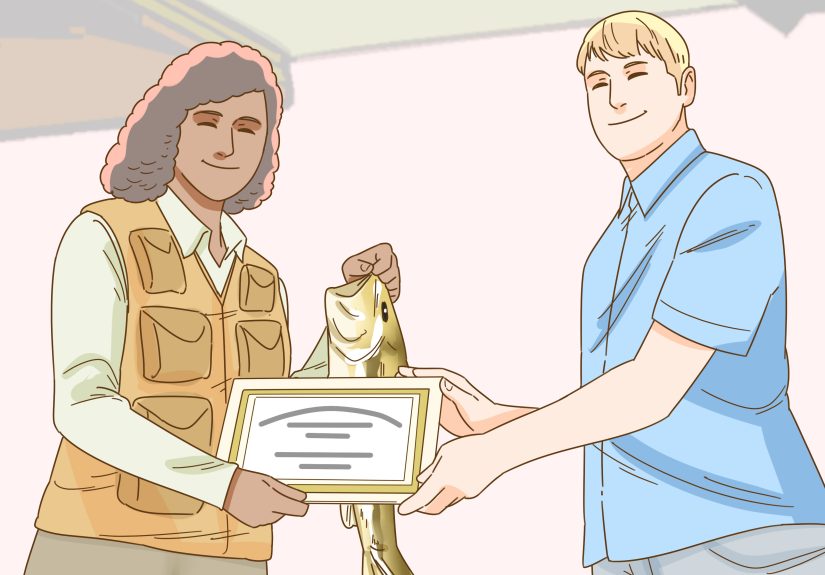
Announce winners clearly. Thank sponsors, volunteers, landowners, agencies, and participants. Take photos. Publish results online. If required, submit post-tournament reports to the appropriate agency. Finally, review what worked and what should improve next time. The best tournament directors keep learning.
Sample Fishing Tournament Rule Outline
Here is a practical rule outline you can adapt for your event:
- Eligibility: Participants must register, sign waivers, and hold required fishing licenses.
- Official waters: Fishing is allowed only within clearly defined tournament boundaries.
- Fishing hours: Lines in at 7:00 a.m.; lines out at 2:00 p.m.; check-in by 3:00 p.m.
- Eligible species: Largemouth, smallmouth, and spotted bass only, or other species as specified.
- Scoring: Winners determined by total legal weight, total length, or approved photo submissions.
- Fish care: Fish must be kept alive when required, handled carefully, and released according to event rules.
- Penalties: Late arrival, dead fish, short fish, photo errors, or rule violations may result in deductions or disqualification.
- Safety: Participants must follow boating laws and tournament safety instructions.
- Sportsmanship: Cheating, unsafe conduct, harassment, or interference with other anglers is grounds for disqualification.
- Protests: Protests must be submitted in writing within a defined time after weigh-in.
Common Mistakes to Avoid When Running a Fishing Tournament
Ignoring Permit Requirements
Permit mistakes can shut down an event or create legal problems. Regulations vary by state and waterbody, so verify requirements early.
Writing Vague Rules
If a rule can be interpreted five ways, it will be interpreted six ways at weigh-in. Be specific.
Underestimating Check-In Time
Registration always takes longer than expected. Open early and use a checklist.
Forgetting Fish Care
Poor fish handling can damage the resource and the tournament’s reputation. Plan for livewell management, fast weigh-ins, and proper release.
Having No Weather Plan
Bad weather is not impressed by your schedule. Create a clear delay or cancellation policy.
Trying to Do Everything Alone
A tournament director without volunteers becomes a tired person holding a clipboard and three ringing phones. Delegate.
Extra Experience: Lessons From Running a Fishing Tournament
The first lesson of running a fishing tournament is that anglers arrive early. Not “a little early.” More like “the sun is still negotiating with the horizon” early. If check-in opens at 5:30 a.m., expect someone to roll in at 4:52 asking where to park. Prepare for that. Put up signs the night before if allowed, have coffee if possible, and keep your registration table organized enough that you can find boat numbers without using a flashlight between your teeth.
The second lesson is that your rules meeting matters more than you think. Many tournament directors rush through it because everyone wants to launch. That is understandable, but a rushed briefing creates confusion later. Take five focused minutes to explain fishing boundaries, check-in time, safety expectations, scoring, penalties, and emergency contacts. Say the most important details twice. Anglers may be excellent at detecting a subtle bite in 15 feet of water, but somehow “check in by 3:00” can float right past them if it is only said once.
Another practical experience: build extra time into the weigh-in. Fish care and accurate scoring should never feel frantic. Use one person to call names, one to manage the line, one to handle the scale, one to record results, and one to double-check numbers. If the event is catch-photo-release, have a review team ready before submissions close. Do not wait until everyone is standing around hungry before opening the scoring app for the first time.
Sponsors also deserve more attention than a logo slapped onto a flyer. A good sponsor relationship is built on value. Mention them during announcements, tag them in social posts, display banners, invite them to set up a table, and send photos afterward. Local tackle shops, boat dealers, restaurants, marinas, and outdoor brands often support tournaments when they can see real community engagement. A handwritten thank-you note still works wonders, especially in a world full of lazy copy-and-paste emails.
One overlooked experience is the importance of a backup plan for small problems. Bring extra pens, extra tape, extra batteries, extra water, extra printed waivers, and an extra dose of patience. Someone will forget their signed form. A marker will die. A canopy leg will wobble. A phone battery will drop to 3%. None of these issues should derail the day if you have planned for them.
Finally, remember that the mood of the tournament follows the tournament director. If you stay calm, friendly, and fair, the event feels professional even when small hiccups happen. Smile. Keep decisions consistent. Thank people often. Celebrate the anglers who caught fish and the ones who donated entry fees to the lake without troubling the leaderboard. The best fishing tournaments are not only about who wins. They are about community, conservation, memories, and giving everyone a reason to come back next year with a better story and, supposedly, a much bigger fish that “got off right at the boat.”
Conclusion: A Great Fishing Tournament Is Planned Before the First Cast
Learning how to run a fishing tournament is really about learning how to manage people, rules, safety, fish care, and fun at the same time. The fishing is the exciting part, but the planning is what makes the event work. Start with a clear purpose, choose a practical format, verify permits, write strong rules, recruit dependable volunteers, communicate with participants, and protect the fishery that makes the tournament possible.
A well-run fishing tournament feels smooth because the hard work happened before launch. Anglers know where to go. Volunteers know what to do. Fish are handled responsibly. Results are recorded accurately. Sponsors feel appreciated. Participants leave tired, happy, and already thinking about next year.
Whether your event has 20 kids catching bluegill from a pond bank or 100 boats chasing bass across a reservoir, the formula is the same: keep it organized, keep it fair, keep it safe, and keep it fun. Do that, and your tournament will be remembered for the right reasonsnot because the weigh-in table collapsed, the rules were unclear, or someone tried to enter a fish that looked suspiciously like it had seen last Tuesday.