
Table of Contents >> Show >> Hide
- First: Confirm It’s Rabbits (Not Their Cousins in Crime)
- The #1 Solution: Rabbit-Proof Fencing (Yes, It’s Worth It)
- Targeted Barriers: Protect the Plants Rabbits Love Most
- Repellents: Helpful, But Not Magic (Use Them Strategically)
- What NOT to Do: The “Internet Told Me” Traps
- Habitat Makeover: Make Your Yard Less Bunny-Friendly
- Rabbit-Resistant Planting: Give Them Less to Love
- Distraction Feeding: A Tactical Decoy (Use Carefully)
- Scare Tactics & Motion Devices: Good for Short-Term Relief
- Trapping & Relocation: Know the Rules (and the Reality)
- A Simple 2-Week Action Plan (So You’re Not Guessing)
- Real-World Garden Experiences (and Lessons Learned)
- Conclusion: The Winning Combo
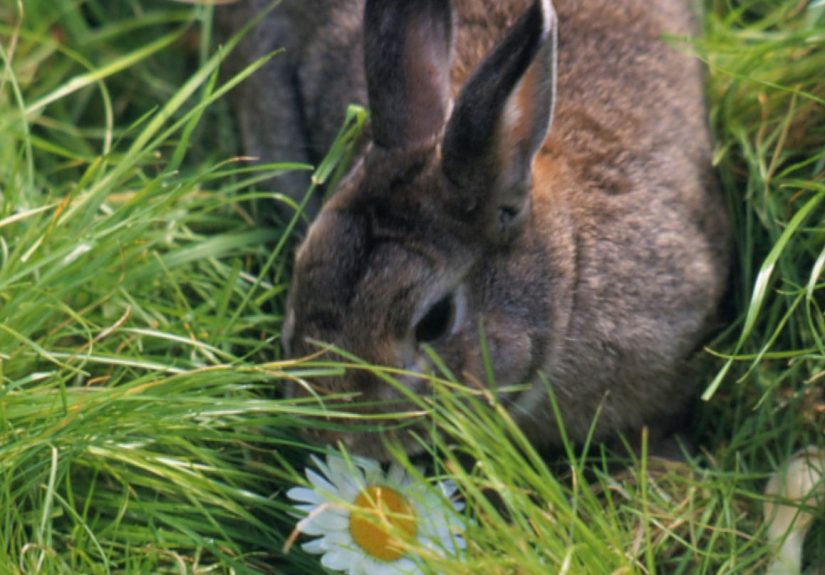
If your garden looks like it hosted an all-you-can-eat salad bar at 2 a.m., congratulations: you’ve likely been chosen by rabbits.
They’re cute, quiet, and shockingly efficientlike tiny landscapers who only accept payment in your seedlings.
The good news? You can stop rabbits from eating plants without turning your yard into a medieval fortress (okay… maybe a small fortress).
This guide walks you through what actually worksfencing, smart barriers, repellents, plant choices, and a few practical “do this first” steps.
First: Confirm It’s Rabbits (Not Their Cousins in Crime)
Before you buy 200 feet of wire mesh and develop a personal vendetta, make sure rabbits are the culprit.
Rabbit damage often looks like clean, angled snipsalmost like someone used tiny garden scissors.
You may also see round droppings (little pellets), nibbled seedlings, and low-to-the-ground browsing.
Deer typically tear plants more raggedly and higher up, while groundhogs can bulldoze entire sections like they’re remodeling.
Quick “Rabbit” Clues
- Clean cuts on tender stems and leaves, usually within ~2 feet of the ground
- Seedlings vanish overnight (because rabbits love the soft stuff)
- Pellet-like droppings nearby
- Damage repeats in the same easy-access spots along edges and near cover
The #1 Solution: Rabbit-Proof Fencing (Yes, It’s Worth It)
If you want the most reliable way to keep rabbits out of a garden, it’s a physical barrier.
Repellents and scare tactics can help, but rabbits are persistent when the buffet is free.
A properly built fence changes the math: it makes access annoying enough that rabbits go eat something easierlike your neighbor’s clover. (Kidding. Mostly.)
Fencing Specs That Actually Work
- Mesh size: 1-inch openings or smaller (hardware cloth can be even tighter)
- Height: 2 feet is often enough for cottontails; consider 3 feet if you have larger species, deep snow, or very motivated bunnies
- Bottom edge: Secure it to the ground with pins/stakes, or bury it a few inches to prevent squeezing under
- Support: Use sturdy stakes/posts so the fence doesn’t sag and create “rabbit doors”
Think of fence building as closing loopholes. Rabbits don’t need a wide opening; they need one moment of your fence being lazy.
If you bury the bottom edge, flare it outward away from the garden if you canthis makes digging less effective.
Also: check for gaps under gates. Rabbits love gates the way water loves cracks.
Budget-Friendly Fence Hack
If a full perimeter fence feels like a weekend you weren’t emotionally prepared for, fence only your “VIP section”:
the raised bed, the lettuce patch, the new perennials, the plants you actually care about.
You can also use removable panelsespecially early in the season when seedlings are most vulnerable.
Targeted Barriers: Protect the Plants Rabbits Love Most
Rabbits are not equal-opportunity nibblers. They tend to go for tender, young growth: lettuce, beans, peas, many flower buds, and fresh transplants.
So you can win a lot of battles with smaller, targeted barriersless work, faster payoff.
Easy Barrier Options
- Individual cages: Make simple cylinders from chicken wire/hardware cloth around new transplants
- Cloches: Use purpose-made cloches or DIY domes to cover seedlings
- Plant collars: Bottomless nursery pots or cut plastic jugs can shield the first few inches of growth
- Row covers/netting: Lightweight fabric or netting over hoops blocks access while plants establish
The key is preventing the first bites. Once rabbits learn “that bed tastes good,” they will RSVP nightly.
Protect new plants for the first few weeks, then reassess once growth toughens up.
Repellents: Helpful, But Not Magic (Use Them Strategically)
Rabbit repellents can work best as a supporting actornot the star of the show.
They’re most useful when you’re buying time (while you build a fence), protecting ornamentals, or reinforcing a barrier.
Repellents generally fall into two categories: taste repellents (make plants taste bad) and odor repellents (make the area smell “nope”).
Common Repellent Ingredients You’ll See
- Capsaicin (hot pepper): a contact/taste repellent that makes chewing unpleasant
- Putrescent egg solids / garlic oils: strong odor-based deterrents
- Dried blood / blood-based products: can deter rabbits, but often needs reapplicationespecially after rain
- Ammonium soaps of higher fatty acids: used in some commercial repellents
Repellent Rules (So You Don’t Waste Money)
- Start early: Apply at the first sign of nibbling, before the habit is established.
- Reapply after rain or irrigation: Many products wear off with weather.
- Rotate products: Switching scents/tastes helps reduce “rabbit acclimation.”
- Follow label directions: Especially on edible cropstiming and safe-use instructions matter.
A gentle reality check: if rabbits are hungry enough or food is scarce, repellents can lose the argument.
That’s why repellents + barriers beat repellents alone.
What NOT to Do: The “Internet Told Me” Traps
Rabbits have inspired many folk remediessome harmless, some ineffective, some legally sketchy.
Save your energy for methods with real-world results.
Skip These (or Treat as Last-Resort Experiments)
- Mothballs: Not a safe or appropriate outdoor wildlife repellentfollow pesticide label directions and choose legal, labeled options.
- Fake predators alone: Plastic owls and rubber snakes can work briefly, then become yard décor to rabbits.
- Random spices sprinkled on soil: Usually washes away quickly and doesn’t protect new growth.
- One-and-done solutions: Rabbits are consistent. Your strategy should be, too.
Habitat Makeover: Make Your Yard Less Bunny-Friendly
Rabbits love two things: food and places to feel safe while eating that food.
If your garden borders tall grass, brush piles, dense shrubs, or cluttered edges, you’ve basically built a “bunny lounge.”
Reducing shelter doesn’t hurt rabbitsit just encourages them to dine elsewhere.
Simple Habitat Changes That Help
- Keep grass trimmed and remove tall weeds near garden borders
- Clear brush piles, wood stacks, and dense ground-level hiding spots
- Block access under sheds/decks (where legal and appropriate) if rabbits use them as cover
- Harvest frequentlyoverripe produce can attract repeat visitors
Habitat work is especially useful when paired with fencing because it reduces the “comfort factor.”
If the path to your lettuce is open, exposed, and annoying, rabbits are more likely to pick an easier meal.
Rabbit-Resistant Planting: Give Them Less to Love
“Rabbit-resistant” doesn’t mean “rabbit-proof,” but it can reduce damage.
Many rabbits prefer mild, tender greens. Strong scents, tough textures, and certain plant families are less appealing.
A smart planting plan uses resistant plants as a buffer near the edges and keeps high-value treats deeper inside protected areas.
Plants Rabbits Often Avoid (Not Guaranteed, But Helpful)
- Aromatic herbs: rosemary, thyme, sage, oregano (mint can work but spreads aggressively)
- Alliums: onions, garlic, chives
- Strong-scent flowers: marigolds, lavender
- Many spring bulbs: daffodils are often less appealing than tulips
Use these as “border plants” and interplant near more vulnerable crops.
Think of it as creating a garden that smells like a candle shoppleasant for you, confusing for rabbits.
Distraction Feeding: A Tactical Decoy (Use Carefully)
Some wildlife-friendly advice suggests providing alternative foragelike clover or other preferred plantsaway from your prized beds.
This can reduce pressure, especially if your yard already hosts rabbits and you want to steer them away rather than wage total war.
The important caveat: if you overdo it, you may invite more rabbits to the neighborhood buffet.
How to Do It Without Creating “Rabbit Disneyland”
- Keep decoy forage far from your vegetable beds
- Pair it with fencing so the real garden is still off-limits
- Monitor results for 2–3 weeks and adjust if rabbit activity increases
Scare Tactics & Motion Devices: Good for Short-Term Relief
Motion-activated sprinklers, pinwheels, reflective items, and noise makers can helpespecially if you move them around.
The main issue is habituation: rabbits can learn that the “scary thing” never actually follows through.
Used alongside fencing and habitat cleanup, scare devices can reinforce the idea that your yard is a weird place to hang out.
Best Uses for Scare Devices
- Protecting a new planting for the first 1–2 weeks
- Covering gaps while you finish fencing
- Rotating locations every few days to stay unpredictable
Trapping & Relocation: Know the Rules (and the Reality)
Live trapping sounds humane, but it’s complicated.
Many states have regulations about trapping and relocating wildlife, and relocation can be stressful for animals and ineffective long-term if habitat conditions remain attractive.
If you’re considering trapping, check local guidelines and consider professional wildlife control services that prioritize humane, legal practices.
In most home gardens, you’ll get better results by focusing on exclusion (fencing/barriers) and deterrence.
A Simple 2-Week Action Plan (So You’re Not Guessing)
Days 1–2: Stop the Bleeding
- Cover seedlings/transplants with cloches, cages, or row cover
- Patch obvious access points (gaps under gates, fence corners)
- Clean up fallen produce and easy rabbit snacks
Days 3–7: Build the “Access Is Annoying” System
- Install a 2–3 ft fence with 1-inch mesh or smaller around priority beds
- Pin or bury the bottom edge so rabbits can’t scoot under
- Trim tall grass and remove nearby hiding spots
Days 8–14: Reinforce and Fine-Tune
- Add a labeled repellent to ornamentals or vulnerable plants (reapply after rain)
- Rotate scare devices if you’re using them
- Observe: where do rabbits approach from, and where are the weak points?
Real-World Garden Experiences (and Lessons Learned)
Gardeners swap rabbit stories the way campers swap bear storiesequal parts fear, disbelief, and “you won’t believe what happened next.”
One common pattern: the first year a gardener tries to “spray and pray.” They buy a repellent, apply it once, feel triumphant…
and then wake up to a hosta that looks like it lost an argument with a paper shredder.
The folks who eventually win tend to do two things: they commit to a barrier, and they protect plants during the vulnerable stage.
A backyard grower might start with cages on new transplantstomatoes, peppers, beansbecause rabbits often go after the soft stems early.
The cages look a little odd for a week or two (your garden briefly resembles a tiny outdoor prison yard),
but once plants are sturdier, those cages can come off or be moved to the next batch.
Another frequent “aha” moment is discovering that rabbits aren’t always entering where the damage occurs.
Gardeners often assume the nearest hole is the entry point, but rabbits can be sneaky commuters.
They may travel along a fence line, duck under at a single loose corner, then browse in a totally different bed.
The fix is usually boring and effective: walk the perimeter, tug the bottom edge, and pin down anything that lifts easily.
Once that one gap is closed, damage can drop dramaticallylike the rabbits had a team meeting and decided to resign.
Repellents, when they help, often help in a very specific way: they buy time.
A gardener might spray a capsaicin-based repellent on ornamentals while installing fencing over the weekend.
Or they’ll apply a labeled odor repellent to non-edible plants near the edge to discourage “casual sampling.”
The lesson people learn fast: repellents are maintenance tools, not permanent solutions.
After a rain or irrigation cycle, you either reapply or accept that you’re running an “honor system” buffet.
Plant choices also show up in real-life success stories. Gardeners who tuck aromatic herbs and alliums near bed edges often report fewer nibbles on nearby greens,
especially when those greens are also protected by a low fence. It’s not that rabbits never eat thymerabbits can be rude
but strong scent borders can reduce how often they start browsing there.
Finally, there’s the emotional win: once you stop thinking “How do I eliminate rabbits?” and start thinking “How do I make my garden inconvenient?”
everything gets easier. You’re not outsmarting a genius mastermindyou’re managing a hungry animal with a short attention span.
When your garden requires crawling under a pinned fence, crossing open space without cover, and chewing through a weird wire dome,
rabbits frequently decide your neighbor’s yard is a simpler dining experience. And that, honestly, is the most realistic definition of success.
Conclusion: The Winning Combo
If you remember only one thing, make it this: fencing and barriers are the backbone of rabbit control.
Add habitat cleanup to remove hiding spots, use repellents as support (not a miracle), and protect new plants during the seedling/transplant stage.
Do that, and you’ll spend less time cursing at tiny paw printsand more time eating the vegetables you actually planted for yourself.






 Close
Close