
Table of Contents >> Show >> Hide
- Start Here: The Grill Setup That Makes Every Recipe Easier
- The American BBQ Sauce “Flavor Map” (Pick Your Personality)
- BBQ & Grilling Recipes: The Main Event
- 1) Two-Zone Grilled Chicken Thighs with Crispy Skin (Weeknight Hero)
- 2) Juicy Burgers with a Real Crust (No Hockey Pucks Allowed)
- 3) Reverse-Seared Steaks (Restaurant Texture, Backyard Energy)
- 4) BBQ Pork Ribs (Tender, Not Mushy, With a Sticky Finish)
- 5) BBQ Pulled Chicken Sandwiches (Fast Version with Big Flavor)
- 6) Grilled Salmon with Lemon-Pepper Butter (Minimal Effort, High Payoff)
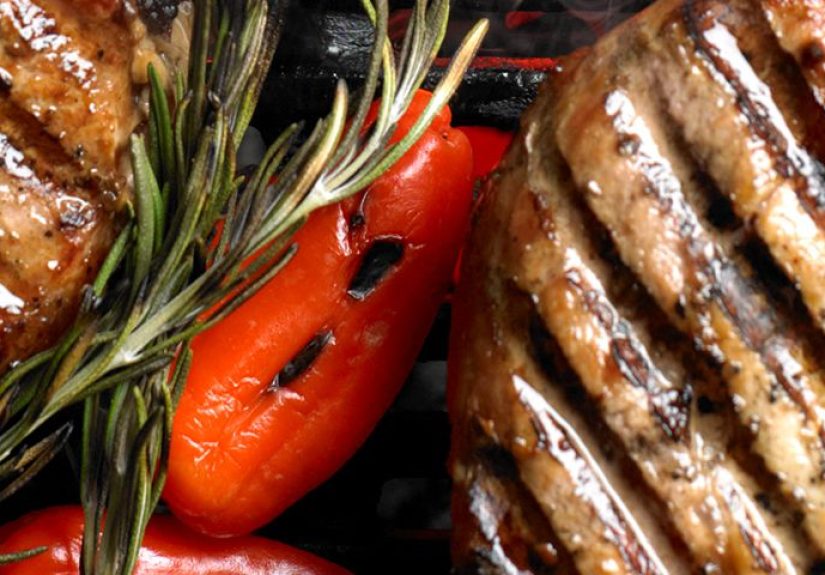
- 7) Grilled Veggie Platter That Doesn’t Taste Like “Obligation”
- 8) Shrimp Skewers with Garlic-Chili Glaze (10-Minute Flex)
- 9) BBQ Sides That Steal the Show (In a Friendly Way)
- 10) Dessert on the Grill: Caramelized Pineapple (Yes, You’re Doing This)
- Food Safety Without the Fear Vibes
- Troubleshooting: Common Grill Problems (and Quick Fixes)
- Real-Life BBQ & Grilling Experiences (The Stuff Recipes Don’t Tell You)
- Conclusion
BBQ and grilling are basically the same hobby expressed in two moods: “I’m making dinner” versus
“I’m starting a delicious, low-key fire ritual that might last all afternoon.” Either way, the goal is the same:
smoky, char-kissed food that makes people hover near the grill like it’s a campfire with snacks.
This guide is a practical, flavor-forward playbook of BBQ & grilling recipes plus the techniques that make them
consistently great. You’ll get a mix of weeknight-friendly wins, backyard-party staples, and a few “how is this so good?”
upgradeswithout turning your cookout into a graduate seminar. (Okay, maybe a tiny seminar. But with ribs.)
Start Here: The Grill Setup That Makes Every Recipe Easier
Direct heat vs. indirect heat (and why two-zone cooking is your best friend)
Most grilling heartbreak comes from using one temperature for everything. Thick chicken pieces burn outside before
they’re safe inside. Burgers drip and flare, then taste like yesterday’s campfire. Veggies go from “charred” to “carbon”
in the time it takes to answer one text.
The fix is simple: build two zones. One side is hot for searing; the other is cooler for gentle roasting and
a safe zone when flare-ups happen. On gas, it’s as easy as turning one set of burners down (or off). On charcoal, bank
coals to one side and leave the other side empty. This single move gives you control, flexibility, and the confidence to
cook thicker cuts without panic.
Thermometer > vibes (and the vibes improve because of it)
The fastest way to level up BBQ & grilling recipes is using an instant-read thermometer. It removes guesswork, reduces
overcooking, and makes you look mysteriously competent. Even better: resting meat after grilling matters because the
temperature continues to rise slightly (carryover cooking). Pull food a bit early and let it coast to perfection.
Flavor building blocks: rubs, brines, marinades, and sauces
Think of these as your “BBQ cheat codes”:
- Dry rubs build a seasoned crust (bark’s extroverted cousin). Great for pork, chicken, and ribs.
- Brines (wet or dry) help meat stay juicyespecially chicken and pork.
- Marinades add surface flavor; they’re not magical tenderness potions unless time, salt, and the cut cooperate.
- BBQ sauces bring sweetness, tang, heat, or creaminessjust add sugary sauces later so they don’t burn.
The American BBQ Sauce “Flavor Map” (Pick Your Personality)
BBQ sauce isn’t one sauceit’s a family reunion with regional accents. Here are a few classic directions, plus an easy
“make-it-tonight” version of each:
Kansas City-style: thick, sweet, smoky
This is the glossy, crowd-pleasing sauce most people imagine when you say “BBQ sauce.”
Quick build: ketchup + brown sugar (or molasses) + vinegar + Worcestershire + smoked paprika + black pepper.
Eastern Carolina-style: vinegar & pepper (bright, sharp, addictive)
Perfect for chopped pork, pulled chicken, and anything fatty that needs a tangy wake-up call.
Quick build: apple cider vinegar + red pepper flakes + salt + a little sugar (optional) + black pepper.
Mustard-based “Carolina Gold”: tangy, savory, slightly sweet
Excellent on pork and sausages.
Quick build: yellow mustard + vinegar + honey + garlic powder + a pinch of cayenne.
Alabama white sauce: creamy, peppery, surprisingly versatile
A mayo-and-vinegar sauce that loves grilled chicken. Also great as a dip for smoked wings or roasted potatoes.
Quick build: mayonnaise + vinegar + Worcestershire + black pepper + a dash of hot sauce.
BBQ & Grilling Recipes: The Main Event
Below are recipe blueprints designed for real-life grilling: clear steps, smart temperatures, and options for gas or charcoal.
Use them as written, or treat them like a playlistswap proteins, change sauces, and keep the method.
1) Two-Zone Grilled Chicken Thighs with Crispy Skin (Weeknight Hero)
Chicken thighs are forgiving, flavorful, and basically impossible to “ruin” if you cook them properly. Bonus: higher finishing
temps make them tender instead of stringy.
- Seasoning: salt + pepper + paprika + garlic powder (or your favorite BBQ rub)
- Setup: two-zone grill, lid closed
- Cook: start skin-side down on the cooler side until the fat renders; then finish with a quick crisp over heat
- Target temp: pull when the thickest part is very hot and tender (thighs shine at higher temps than breasts)
- Sauce option: brush lightly during the last few minutes only, or serve sauce on the side
Pro move: If flare-ups start, don’t fight the fire like you’re in an action movie. Slide the chicken to the cool zone,
close the lid, and let the grill behave.
2) Juicy Burgers with a Real Crust (No Hockey Pucks Allowed)
Great burgers are about fat content, gentle handling, and smart salting. Use 80/20 ground beef if you can.
- Form: make 5–6 oz patties, press a shallow dimple in the center
- Salt timing: salt the outside right before grilling (not mixed into the meat)
- Grill: sear over direct heat; flip when the first side releases easily
- Finish: move to indirect heat if the outside is done before the inside
- Food safety: cook ground beef to a safe internal temp
Optional chaos (that works): cooking patties from frozen can reduce moisture loss and still develop a great crust
just cook to a safe temperature.
3) Reverse-Seared Steaks (Restaurant Texture, Backyard Energy)
Reverse searing separates “getting the inside perfect” from “making the outside irresistible.” It’s especially great for thick steaks.
- Slow cook: place steak on the indirect side with lid closed until it’s about 10°F below your final target.
- Rest briefly: 5–10 minutes while you get the grill very hot.
- Sear: 45–90 seconds per side over direct heat for a deep crust.
- Final rest: a few minutes so juices redistribute (and carryover finishes the job).
Simple finish: sliced steak + flaky salt + chimichurri (parsley, garlic, vinegar, olive oil, pinch of chili).
4) BBQ Pork Ribs (Tender, Not Mushy, With a Sticky Finish)
You want ribs that bite cleanly but don’t fall apart like overcooked pot roast. Use a low, steady indirect heat and patience.
- Prep: remove membrane (optional but helpful), apply rub generously
- Cook: indirect heat, lid closed; add a wood chunk for smoke if using charcoal
- Moisture: spritz with apple cider vinegar + water if surface dries
- Finish: brush with sauce late; caramelize briefly over gentler direct heat
Tip: If sauce keeps burning, it’s not cursed. It’s sugar. Sauce later, or thin it slightly.
5) BBQ Pulled Chicken Sandwiches (Fast Version with Big Flavor)
When you want BBQ vibes without an all-day smoke session, pulled chicken is your friend.
- Grill chicken thighs or breasts mostly over indirect heat until safely done.
- Rest 5 minutes, then shred.
- Toss with a vinegar-pepper sauce for brightness or a Kansas City-style sauce for sweetness.
- Serve on buns with pickles and slaw.
6) Grilled Salmon with Lemon-Pepper Butter (Minimal Effort, High Payoff)
Salmon loves medium-high heat and a clean, well-oiled grate. Keep it simple: salt, pepper, oil, and a finishing butter.
- Season: salt + black pepper + lemon zest
- Grill: start skin-side down over medium heat; move to indirect if flare-ups happen
- Finish: top with butter mixed with lemon juice and chopped herbs
Confidence booster: if it sticks, it’s usually not ready to flip yet. Give it another minute.
7) Grilled Veggie Platter That Doesn’t Taste Like “Obligation”
Vegetables on the grill should be smoky, sweet, and charred at the edgesnot limp or burnt. Use high heat strategically and
cut veggies with cooking time in mind.
- Fast: asparagus, scallions, thin zucchini slices
- Medium: peppers, onions, mushrooms
- Slow: potatoes, carrots (par-cook first)
Method: lightly oil the veggies, season with salt and pepper, grill in batches by cook time, then finish with a
drizzle of good olive oil and a squeeze of lemon. Add feta or parmesan if you want instant applause.
8) Shrimp Skewers with Garlic-Chili Glaze (10-Minute Flex)
Shrimp cook fast and forgive almost nothing. Stay close to the grill and you’ll be fine.
- Skewer: double-skewer to prevent spinning
- Season: salt + garlic + chili flakes + a touch of sugar
- Grill: hot and quick, about 1–2 minutes per side depending on size
- Finish: brush with melted butter + lime juice
9) BBQ Sides That Steal the Show (In a Friendly Way)
A great BBQ plate isn’t just meat plus hope. Add contrast: crunchy, tangy, fresh, and maybe a little creamy.
- Vinegar slaw: cabbage + vinegar + salt + sugar + chili flakes (no mayo, picnic-proof)
- Grilled corn: grill in husk for steam, then char briefly; finish with lime, butter, and chili powder
- Potato salad upgrade: roast or grill the potatoes first for extra flavor
- Pickles & onions: quick-pickle red onions to cut through rich BBQ
10) Dessert on the Grill: Caramelized Pineapple (Yes, You’re Doing This)
Grill pineapple rings or spears over medium heat until grill marks form. Finish with lime juice and a tiny pinch of salt.
If you want to go full “summer movie montage,” serve with vanilla ice cream.
Food Safety Without the Fear Vibes
BBQ is fun; food poisoning is not. The basics are simple:
- Use separate plates/utensils for raw and cooked meat.
- Wash hands after handling raw meat.
- Cook to safe internal temperatures using a thermometer.
If you remember only one thing: don’t put cooked food back on the raw-meat plate. That plate is not “reversible.”
Troubleshooting: Common Grill Problems (and Quick Fixes)
“My meat is dry.”
Use two-zone cooking, pull earlier, and rest. Consider brining chicken or using thighs instead of breasts. Sauce at the table
instead of burning it on the grill.
“Everything is sticking.”
Clean grates, preheat well, then oil the grates (or lightly oil the food). Also: food releases when it’s properly seared.
Impatience is sticky.
“Flare-ups are ruining dinner.”
Trim excessive fat, keep a cool zone, and move food away from flames. Closing the lid can help, but oxygen plus dripping fat
equals fireworksso manage the fuel (fat) and the location (zone).
Real-Life BBQ & Grilling Experiences (The Stuff Recipes Don’t Tell You)
The first time you host a BBQ, you think you’re signing up to cook. What you’re actually signing up for is a live-action
juggling act: heat control, timing, socializing, and at least one person who asks, “Is it done yet?” every four minutes like
they’re paid per question.
My biggest early lesson was that grilling isn’t hardit’s variable. The wind changes, the sun moves, the charcoal decides
it has “a personality,” and suddenly your perfect plan is doing improv comedy. That’s when two-zone cooking becomes more than
a technique; it becomes emotional support. When the chicken skin starts to flare, you slide it to the cool side. When the burgers
are browning too fast, you finish them indirectly. It feels like cheating, but it’s really just being smarter than the fire.
Then there’s the moment you realize seasoning is not a single event. It’s a timeline. Salt too early in ground beef and the burger
can tighten up. Sauce too early and sugar scorches. But season a steak, let it sit, and it becomes more itselfbeefier, deeper, more
confident. Grill vegetables with a little oil and salt, then finish them while they’re hot with better olive oil and lemon, and suddenly
the veggie platter is the first thing to disappear. (Yes, even before the ribs. Shocking, I know.)
The most humbling experience is learning to trust the thermometer instead of your ego. There’s always a phase where you think you can
“tell” by feel. Sometimes you canuntil you can’t. The thermometer doesn’t care about your confidence. It quietly tells the truth, and it
makes your food better. Once you start pulling meat a little early and letting it rest, you notice the difference immediately: juicier slices,
more even doneness, and fewer frantic “please don’t be raw” internal prayers.
Another underrated part of BBQ: the pacing. Great grilling is rarely rushed. Even fast recipes work best when you give yourself five extra minutes
to preheat, to clean the grates, to set up a tray for cooked food, and to keep raw and cooked utensils separate. Those five minutes are the difference
between feeling in control and feeling like the grill is driving the car while you’re in the trunk.
And finally, the best BBQ memories are not about perfection. They’re about the small wins: the first time you nail crispy chicken skin without burning it,
the first steak that comes off exactly the doneness you wanted, the first time someone says, “Wait… you made this sauce?” Those moments stack up.
Before you know it, you’re the person who brings an extra pair of tongs “just in case,” keeps a cooler zone ready, and casually offers guests two sauces
like it’s no big deal. That’s the real transformation: not becoming a grill wizard, but becoming calm around fire. Also, yes, you will still occasionally
over-toast a bun. That’s tradition.
Conclusion
The best BBQ & grilling recipes aren’t about complicated stepsthey’re about smart heat, good seasoning, and knowing when to sauce (late) and when to rest
(always). Build a two-zone fire, cook with a thermometer, and choose a sauce style that matches your mood. Do that, and you’ll turn simple ingredients into
backyard legendswithout sacrificing half your day to the grill gods.






 Close
Close