Table of Contents >> Show >> Hide
- What Asbestos Actually Is
- Why the Word “Asbestos” Triggers So Much Anxiety
- When Asbestos Is Most Likely to Be a Real Problem
- Health Risks: Serious, Yes. Immediate, Usually No.
- The Symptoms That Matter Most
- One Major Risk Multiplier: Smoking
- How to Stop Worrying About Asbestos in Practical Terms
- Health Tips That Actually Help
- Common Myths That Make People More Afraid Than They Need to Be
- When to Call a Doctor and When to Call a Contractor
- Experience-Based Section: What Asbestos Worry Often Feels Like in Real Life
- Final Thoughts
- SEO Tags
Asbestos is one of those words that can turn a perfectly normal Tuesday into a full-blown home-improvement horror movie. You spot an old ceiling tile, hear the word “vermiculite,” and suddenly you are mentally drafting your memoir: How I Survived My Basement. The good news is that panic is not a strategy, and it is usually not the right response either.
If you are worried about asbestos, the smartest move is to replace fear with facts. Asbestos is a real health hazard, but the level of danger depends heavily on how much, how often, and whether fibers are actually airborne. In other words, not every old floor tile is a ticking time bomb, and not every strange-looking ceiling means disaster. This guide breaks down what asbestos is, when it is truly risky, what symptoms matter, and what practical steps can help you protect both your lungs and your peace of mind.
What Asbestos Actually Is
Asbestos is a group of naturally occurring mineral fibers that were widely used in building materials and industrial products because they are strong, heat-resistant, and good at insulating. For decades, that sounded like a brilliant idea. Then science stepped in and said, “Actually, no.”
The health concern comes from tiny airborne fibers. When asbestos-containing material is damaged, cut, sanded, drilled, scraped, or otherwise disturbed, those fibers can be released into the air. If inhaled, they can lodge in the lungs and stay there for a long time. That is why asbestos is not just a “weird old house” issue. It has been a workplace issue, a renovation issue, and in some cases a family exposure issue when workers carried dust home on clothing.
In homes and buildings, asbestos may be found in older insulation, pipe wrap, boiler materials, roofing and siding products, textured ceiling materials, patching compounds, vinyl floor tiles, adhesives, and some vermiculite attic insulation. The keyword here is older. Age alone does not confirm asbestos, but age plus certain materials is enough reason to be cautious.
Why the Word “Asbestos” Triggers So Much Anxiety
People worry about asbestos because the diseases linked to it are serious, and the timeline is maddeningly long. Unlike a stubbed toe, which announces itself immediately and dramatically, asbestos-related illness can take decades to show up. That delay makes the whole topic feel mysterious and ominous.
But anxiety tends to flatten important details. It turns “possible exposure” into “certain disease,” and “old building material” into “instant crisis.” The reality is more nuanced. While there is no ideal exposure level, most people who develop asbestos-related illness had repeated, substantial, or occupational exposure. Low levels of asbestos exist in everyday air, water, and soil, and most people do not become sick from those background exposures.
That does not mean you should shrug and start sanding suspicious insulation in flip-flops. It means your goal is to be careful, not catastrophic.
When Asbestos Is Most Likely to Be a Real Problem
1. When material is damaged or disturbed
Asbestos is most dangerous when fibers become airborne. Intact, sealed, and undisturbed asbestos-containing material is often less risky than material that has been broken, crumbled, drilled into, or ripped out during a renovation. This is why professionals often recommend management or encapsulation rather than automatic removal in every situation.
2. During DIY renovation or demolition
Home projects are wonderful until they involve mystery dust. Tearing out old flooring, removing popcorn ceiling texture, replacing pipe insulation, or digging around attic insulation can create exposure if asbestos is present. Renovation is one of the most common ways people unintentionally turn a manageable situation into an airborne one.
3. In certain jobs and industries
Construction workers, demolition crews, insulation workers, shipyard employees, mechanics handling older brake materials, firefighters, and some industrial workers have historically faced higher risks. Family members may also have been exposed through contaminated clothing brought home from work.
4. With repeated or heavy exposure over time
Risk generally rises with greater dose and longer duration. A brief incidental exposure is not something to ignore, but it is not the same as years of direct occupational exposure. That distinction matters, especially when you are trying to calm your brain at 2 a.m. after reading ten alarming forum posts and one wildly dramatic blog headline.
Health Risks: Serious, Yes. Immediate, Usually No.
Asbestos exposure has been linked to several major health conditions, including:
- Asbestosis, a chronic lung disease involving scarring of lung tissue
- Lung cancer
- Mesothelioma, a rare cancer affecting the lining around the lungs, chest, abdomen, or heart
- Pleural plaques and pleural thickening, changes affecting the lining around the lungs
These conditions usually do not appear right after exposure. In many cases, symptoms develop 10 to 40 years later, or even longer. That long latency is exactly why it helps to think clearly. If you disturbed an old tile last week, today’s slight cough is almost certainly not mesothelioma making a dramatic entrance. It is far more likely to be allergies, a cold, dry air, or your nervous system auditioning for an overacting award.
Still, a history of meaningful exposure is worth discussing with a healthcare professional, especially if you have symptoms or repeated exposure over time.
The Symptoms That Matter Most
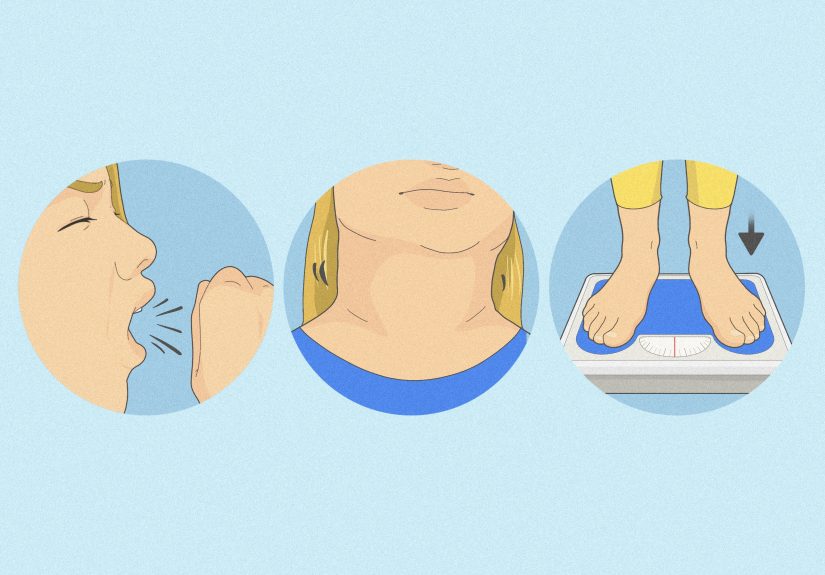
People with significant asbestos-related illness may develop symptoms such as:
- Shortness of breath
- A persistent cough
- Chest tightness or chest pain
- Unexplained weight loss
- Crackling sounds when breathing
- Fatigue or reduced exercise tolerance
Some symptoms, especially in lung cancer or mesothelioma, can appear later and may include chest pain, changing cough, coughing up blood, or unexplained weight loss. None of these symptoms automatically mean asbestos-related disease. They simply mean you should not play detective forever. A doctor is better at that job.
If you have a substantial exposure history and any ongoing respiratory symptoms, schedule a medical evaluation. Depending on your history, a clinician may recommend a physical exam, chest imaging, and lung function testing.
One Major Risk Multiplier: Smoking
If asbestos is the villain, smoking is the villain’s overly enthusiastic sidekick. Smoking and asbestos together raise lung cancer risk far more than either one alone. That means one of the best health moves for anyone worried about asbestos is also one of the least glamorous: quitting smoking.
Yes, quitting smoking is not as exciting as buying an air purifier with twelve settings and a futuristic blue light. But it matters more. If you smoke, stopping now can reduce additional damage to your lungs and lower your long-term cancer risk. Avoiding secondhand smoke also helps protect your respiratory system.
How to Stop Worrying About Asbestos in Practical Terms
Know the difference between “presence” and “exposure”
Many people panic the moment they suspect asbestos in a home. But possible asbestos in a material is not the same thing as breathing airborne asbestos fibers. If the material is intact and undisturbed, risk is often lower than people imagine.
Do not poke the scary thing
This is one of the rare moments in life when avoidance is mature and impressive. Do not drill, sand, scrape, cut, sweep aggressively, or vacuum suspicious material with a regular household vacuum. Disturbing it can make the situation worse.
Get the right kind of help
If you suspect asbestos, contact trained, certified, or accredited asbestos professionals based on your state or local rules. Visual inspection alone is not enough to confirm asbestos. Proper sampling and lab testing should be done by qualified people, not by a confident uncle with a dust mask from 2009.
Leave good-condition material alone when appropriate
Sometimes the safest and least expensive option is to leave asbestos-containing material in place if it is in good condition and unlikely to be disturbed. In other cases, repair, enclosure, or removal may be appropriate. The key is to make that call based on condition, location, and expert guidance, not panic.
Be smart about vermiculite insulation
If you have vermiculite attic insulation, treat it cautiously. Do not disturb it unnecessarily. Do not use that attic as your personal treasure-hunting arena. If the insulation needs to be evaluated or removed, bring in qualified professionals.
Health Tips That Actually Help
1. Avoid further exposure
This is the big one. If you are concerned about asbestos, reduce the chance of future fiber inhalation. That may mean postponing DIY work, restricting access to a damaged area, or hiring professionals.
2. Keep up with medical care
If you have a meaningful exposure history, tell your doctor. Share what happened, when it happened, how often, and what materials were involved if known. Clear exposure history is more useful than vague panic. Regular medical follow-up may be appropriate for people with significant exposure or symptoms.
3. Quit smoking
This deserves repeating because it is one of the most important protective steps. If you need help quitting, ask a healthcare professional about counseling, medication, nicotine replacement, or other evidence-based support.
4. Protect your lungs in general
Vaccinations against flu and pneumococcal pneumonia may be recommended for people with asbestos exposure concerns or lung disease. Good respiratory habits also matter: avoid smoke, reduce dust exposure, treat respiratory infections promptly, and do not ignore persistent breathing changes.
5. Manage the anxiety loop
Worry is understandable, but nonstop worry is not protective equipment. If asbestos fear has you checking your ceiling every six minutes, try this:
- Write down what was actually disturbed, when, and for how long.
- Stop further disturbance.
- Contact the appropriate professional.
- Talk to your doctor if exposure was meaningful or symptoms are present.
- Do not keep feeding the fear with random internet doom-scrolling.
A clear plan calms the nervous system better than a thousand worst-case scenarios.
Common Myths That Make People More Afraid Than They Need to Be
Myth: If asbestos is in a house, everyone in the house is doomed.
Fact: The biggest concern is inhaling airborne fibers, especially from damaged or disturbed materials. Presence alone does not equal instant illness.
Myth: You can identify asbestos just by looking at it.
Fact: You cannot reliably confirm asbestos by eye. Testing by qualified professionals is the safer route.
Myth: Removal is always the best answer.
Fact: Not always. Improper removal can increase risk. In some cases, leaving the material undisturbed or professionally managing it is safer.
Myth: A single exposure means you will get cancer.
Fact: Risk depends on amount, duration, and circumstances. One event is not the same as heavy occupational exposure over years.
When to Call a Doctor and When to Call a Contractor
Call a doctor if:
- You have a history of significant asbestos exposure
- You develop shortness of breath, persistent cough, chest pain, or unexplained weight loss
- You are a smoker or former smoker with asbestos exposure history
- You want a personalized assessment of your risk and follow-up needs
Call a qualified asbestos professional if:
- You suspect asbestos in a material you plan to renovate, remove, or disturb
- You see damaged insulation, crumbling ceiling material, or deteriorating pipe wrap
- You have vermiculite insulation in the attic
- You need testing, repair, encapsulation, or removal guidance
Think of it this way: doctors handle your body, contractors handle your building, and neither of those jobs should be assigned to a random message board commenter named “ToolGuy_1978.”
Experience-Based Section: What Asbestos Worry Often Feels Like in Real Life
The experiences below are illustrative examples based on common situations people face when dealing with asbestos concerns.
One of the most common experiences starts with a renovation project that seemed harmless. A homeowner decides to replace old vinyl flooring in a 1960s kitchen. Halfway through prying up tiles, they remember hearing that older floor tiles sometimes contained asbestos. The rest of the day becomes a mental circus: guilt, panic, frantic searching, and a sudden conviction that every speck of dust is a life-changing event. What helps most in that situation is not spiraling. It is stopping the work, avoiding more disturbance, documenting what happened, and getting professional advice. People often feel better the moment they shift from guessing to action.
Another common experience happens in attics. Someone goes up to store holiday decorations, notices pebble-like insulation, and later learns it might be vermiculite. Suddenly the attic feels like a dragon’s cave. In reality, the next smart step is simple: do not disturb it further, limit trips into the space, and consult a qualified professional if evaluation or removal is needed. Fear tends to shout, “Everything is contaminated!” while good guidance says, “Pause, contain the situation, and make informed choices.”
Then there is the experience of people who grew up around older homes and now worry about past exposures. Maybe their parents remodeled rooms without much protection years ago. Maybe a relative worked in construction and came home dusty. This kind of worry is often mixed with hindsight, which is emotionally exhausting because you cannot undo what already happened. In these cases, people usually feel better when they talk to a healthcare professional about their actual exposure history rather than treating uncertainty as proof of harm. The lesson is important: concern about past exposure deserves attention, but it does not require automatic despair.
There is also the “internet made it worse” experience, which deserves its own trophy. A person starts with one reasonable question about popcorn ceilings and ends up reading stories that make it sound like touching an old wall once means the end of civilization. This is where facts really matter. Many people discover that the material may not even contain asbestos, that intact materials often pose less risk, and that professional testing is the only way to know for sure. The emotional shift can be huge. Information does not erase risk, but it shrinks irrational fear down to a size the brain can actually manage.
Finally, many people describe a strange but helpful realization: the best way to stop worrying about asbestos is not to pretend it is harmless and not to treat it like magic poison. It is to respect it. Respect means knowing when to leave a material alone, when to call an expert, when to see a doctor, and when to stop rehearsing worst-case scenarios in your head. That balance is what turns fear into competence. And competence is a much nicer roommate than panic.
Final Thoughts
If you want to stop worrying about asbestos, the goal is not blind reassurance. It is informed calm. Asbestos can absolutely be dangerous, especially when fibers become airborne and exposure is repeated or heavy. But not every suspected material is an emergency, and not every past exposure means disease is inevitable.
The smartest approach is simple: do not disturb suspicious material, get qualified help when needed, protect your lungs, quit smoking if you smoke, and talk with a healthcare professional if you have significant exposure concerns or symptoms. Fear loves uncertainty. Facts, plans, and the right experts are how you take the microphone back.