Table of Contents >> Show >> Hide
- Step One: Diagnose Your Clog Before You Attack It
- Tools and Supplies That Make Unclogging Easier
- How to Unclog a Sink Drain (Kitchen or Bathroom)
- How to Unclog a Shower or Tub Drain (Hair Clogs)
- How to Unclog a Toilet Without Losing Your Cool
- Floor Drains, Laundry Drains, and Main Line Trouble
- Should You Use Chemical Drain Cleaners?
- When It’s Time to Call a Plumber
- How to Prevent Future Clogs (So You Don’t Have to Read This Again)
- Real-Life Drain Unclogging Experiences & Pro Tips (Extra Deep Dive)
- Conclusion: You Can Unclog (Almost) Any Drain
A clogged drain has a special talent for showing up at the worst possible moment: guests are on the way, you’re already late for work, or you’ve just shampooed your hair into a full foamy helmet. The good news? With a little know-how, you can unclog almost any household drain yourselfwithout destroying your pipes, gassing your lungs, or emptying your bank account on emergency plumbing bills.
In this guide, we’ll walk through how to unclog kitchen sinks, bathroom sinks, showers, tubs, toilets, and floor drains. We’ll also cover when DIY fixes are enough, when to step away from the chemical drain cleaner, and how to know it’s time to call a plumber. Along the way you’ll pick up practical tips, prevention strategies, and real-world lessons from common “drain disaster” scenarios.
Step One: Diagnose Your Clog Before You Attack It
Not all clogs are created equal. Figuring out what kind of blockage you’re dealing with helps you choose the right unclogging method and avoid making things worse.
Common types of clogs by location
- Kitchen sink: Usually grease, food particles, coffee grounds, starchy foods like rice or pasta, or a combination.
- Bathroom sink: Hair, toothpaste, soap scum, shaving residue, and hard water deposits around the stopper.
- Shower or tub: Hair + soap scum “nests” that grab lint and body oils and build up over time.
- Toilet: Excessive toilet paper, wipes labeled “flushable” (they’re usually not), hygiene products, or the occasional toy car.
- Floor or laundry drain: Lint, dirt, detergent residue, or, in basements, tree roots and sediment further down the line.
Before you reach for any tool, notice how the drain is misbehaving:
- Slow drain: Often a partial clog near the fixture you can fix with basic tools.
- Complete blockage: Standing water that won’t move even after several minutesusually a more compact obstruction.
- Multiple fixtures draining slowly or backing up: Possible main line or sewer issue. DIY is risky here; professional help is usually the safest route.
Tools and Supplies That Make Unclogging Easier
You don’t need a full plumber’s truck to clear a clogged drain. A small DIY “drain emergency kit” can handle most home clogs:
- Cup plunger: Flat-bottom plunger for sinks, tubs, and showers.
- Flange plunger: Bell-shaped plunger with a sleeve for toilets.
- Drain snake / auger: Flexible cable with a tip that breaks up or grabs clogs deeper in the drain.
- Plastic hair snake / zip tool: Thin, barbed plastic strip for pulling hair out of bathroom drains.
- Bucket and old towels: For catching water when you remove traps or open clean-outs.
- Rubber gloves and eye protection: To keep your hands and eyes safe from gunk and any cleaning products.
- Enzyme or bacteria-based drain cleaner (optional): Safer, slow-acting option for organic buildup compared with harsh chemicals.
Keep these in one spot in your home and future clogs will feel like minor annoyances rather than full-blown emergencies.
How to Unclog a Sink Drain (Kitchen or Bathroom)
Whether it’s your kitchen sink full of cloudy dishwater or a bathroom sink that looks like a tiny, sad pond, the basic steps are similar. Start with the gentlest methods and work your way up.
1. Clear standing water and check the stopper
Scoop out as much standing water as you can with a cup or small container. In bathroom sinks, pull out the stopper and clean off hair and gunksometimes that alone restores normal drainage. In kitchen sinks, remove any food trapped in the strainer.
2. Try hot (not boiling) water
Run very hot tap water down the drain for several minutes. For metal pipes and room-temperature conditions, some plumbers allow cautiously using near-boiling water; however, boiling water can stress PVC pipes and potentially cause damage, especially in cold weather.
3. Plunge the sink correctly
- Block any overflow openings with a wet cloth.
- Fill the sink so the plunger cup is fully submerged.
- Place the plunger firmly over the drain to create a seal.
- Use strong, steady pushes and pulls for 20–30 seconds.
- Lift the plunger quickly and see if the water drains.
If you have a double kitchen sink, plug the other side so you’re not just plunging water into the neighboring basin.
4. Use a drain snake or zip tool
For sinks that are still slow, remove the stopper (if there is one) and feed a drain snake or plastic hair tool down the pipe. Rotate as you push, then pull it back out. Don’t be shocked if what comes up looks like something that escaped from a sci-fi moviethat’s normal, and it’s progress.
5. Clean the P-trap
If the clog is still stubborn:
- Place a bucket under the U-shaped pipe (the P-trap) beneath the sink.
- Loosen the slip nuts by hand or with pliers and remove the trap.
- Clear out any gunk, rinse the trap, and check for buildup in the adjoining pipes.
- Reassemble, making sure the washers are seated correctly, then run water to check for leaks.
Cleaning the P-trap is one of the most reliable ways to fix a slow sink and is widely recommended by plumbing and home-maintenance experts.
How to Unclog a Shower or Tub Drain (Hair Clogs)
Hair clogs are incredibly common in showers and bathtubs. They act like a net, trapping soap scum, shampoo residue, and body oils. Over time, that “hair net” hardens into a gross, slimy plug that slows water to a miserable trickle.
1. Remove the drain cover
Depending on your drain, you may need to unscrew a metal cover, pry off a snap-in plate, or lift out a stopper. Set screws aside in a safe spot so they don’t vanish down the drain.
2. Pull out the hair physically
Use a plastic hair snake, a drain auger, or even a bent wire hanger with a small hook on the end. Feed it into the drain, twist, then pull back. You’ll likely remove a surprising amount of hair and soap scumthis is the most effective and plumber-approved method for hair clogs.
3. Flush with hot water
Once you’ve removed the hair, run hot water for a few minutes to wash away smaller bits of residue. If drainage is still slow, repeat the snaking process or move up to a longer auger.
4. Prevent the next clog
- Install a drain hair catcher or TubShroom-style insert.
- Brush long hair before showering to reduce shedding.
- Once a month, remove the cover and clear away early buildup.
How to Unclog a Toilet Without Losing Your Cool
A clogged toilet raises the stakes: there’s water (and other things) involved, and overflow is a real risk. Stay calm and move methodically.
1. Stop the water from rising
If the bowl is close to overflowing, remove the tank lid and push the flapper (the rubber stopper at the bottom) down to stop more water from entering the bowl. Turn off the shutoff valve behind the toilet if needed.
2. Use a flange plunger
- Make sure the plunger has an extended inner ring (flange) designed for toilets.
- Place it into the bowl so the flange fits into the drain opening.
- Push down gently at first to expel air, then plunge firmly for 20–30 seconds.
- If water suddenly rushes down, you’ve likely cleared the clog.
3. Try a toilet auger for stubborn clogs
If plunging doesn’t work, a toilet auger (closet auger) can reach deeper obstructions. Feed the cable into the bowl, crank the handle to push it through the clog, and then retract. This can break up or hook non-flushable items so they can be retrieved or pushed through.
Floor Drains, Laundry Drains, and Main Line Trouble
Floor drains in basements, garages, or laundry rooms can clog with lint, dirt, pet hair, or debris washed in from outside. Start with basic steps:
- Remove the grate and clear visible debris.
- Use a wet/dry vac to suck out standing water and loose material.
- Feed a drain snake into the opening to break up deeper buildup.
If multiple drains in the house are backing up at once, or sewage is coming up through floor drains, you may be looking at a main sewer line issue. That’s a strong sign it’s time for a professional inspection and mechanical cleaning instead of more DIY attempts.
Should You Use Chemical Drain Cleaners?
Chemical drain cleaners are widely marketed as a quick way to unclog any drain, but they come with important caveats. Many products contain strong alkalis (like lye) or acids (like sulfuric acid) that can corrode pipes, damage seals, and release dangerous fumes, especially in poorly ventilated bathrooms or small kitchens.
When chemicals are a bad idea
- If you’ve already used another product (never mix different cleaners).
- In older plumbing systems or with PVC pipes that may be vulnerable to damage.
- When the drain is completely blocked and standing water is presentthe chemical may just sit in the fixture, creating a hazard.
- If you’re on a septic system that can be disrupted by harsh chemicals.
Safer alternatives
For most clogs, plumbers now recommend:
- Mechanical removal first: plungers, snakes, and cleaning traps.
- Enzyme- or bacteria-based maintenance products for slow organic buildup.
- Professional drain cleaning if clogs are frequent, widespread, or severe.
If you ever decide to use a chemical cleaner, read the label carefully, wear eye and skin protection, ventilate the room, and never combine it with other cleaning agents (especially bleach or another drain product).
When It’s Time to Call a Plumber
Even the most capable DIYer hits a limit. Calling a professional is not “giving up”it’s protecting your home and your sanity. Plumbing companies and HVAC contractors commonly suggest picking up the phone when:
- Multiple drains clog at once (toilet, tub, and sink all slow or backing up).
- Water backs up into other fixtures when you run a different one (e.g., flushing the toilet makes the tub fill).
- Clogs keep coming back even after you’ve cleared them.
- There’s a strong, persistent sewer odor from drains or floor openings.
- You hear gurgling noises in sinks or toilets when other fixtures are used.
- Tree roots, collapsed pipes, or old galvanized piping are suspected issues.
Pros have motorized augers, hydro-jetting equipment, inspection cameras, and the expertise to tackle clogged drains without tearing apart your homeor your weekend.
How to Prevent Future Clogs (So You Don’t Have to Read This Again)
Smart everyday habits
- Kitchen: Scrape plates into the trash or compost, not the disposal. Avoid sending grease, oil, coffee grounds, pasta, and rice down the drain.
- Bathroom: Use drain screens in sinks and tubs. Toss dental floss, cotton swabs, and wipes in the trash, not the toilet.
- Laundry: Clean lint filters and check that discharge hoses and floor drains are clear.
Simple maintenance routines
- Once a month, remove stoppers and covers and manually clear hair and gunk.
- Run hot water after washing greasy dishes to help move fats along the line.
- Consider periodic professional drain cleaning if your home has older pipes or a history of clogs.
Think of drain maintenance like brushing your teeth: a little effort now saves a lot of pain (and money) later.
Real-Life Drain Unclogging Experiences & Pro Tips (Extra Deep Dive)
To really understand how to unclog any drain, it helps to peek into some common real-world situations and what people learn from them. These composite examples are based on what homeowners and plumbers frequently reportand how a little strategy could have made life much easier.
1. The “I Tried Everything in My Kitchen Sink” Story
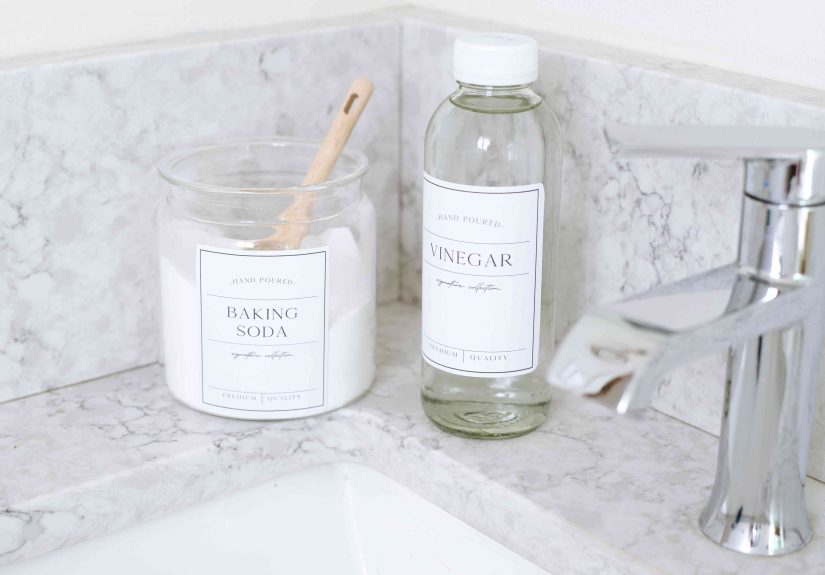
Picture a busy weeknight: a big pasta dinner, lots of dishes, and one innocent decisiondumping leftover noodles and sauce straight into the sink. Within minutes, the kitchen sink stops draining. First comes the panic, then the frantic Googling, and finally the classic move: dumping baking soda and vinegar down the drain over and over.
The fizz looks dramatic, but the water doesn’t budge. Why? Starchy foods like pasta swell with water and can pack tightly into bends in the pipe. Foam alone can’t move that dense wad of carbs. The real fix comes when someone finally grabs a plunger, seals the drain correctly, gives 20–30 strong plunges, and then removes and cleans the P-trap. Out comes a thick plug of soggy noodles and grease. Lesson learned: use physical methods first and stop using the sink once you know it’s cloggeddon’t keep adding water and dish soap on top of the problem.
2. The Shower That Turned Into a Foot Bath
Another common scenario: a household with several people with long hair, a busy morning routine, and no drain screen. At first, the shower drain seems “a little slow.” Nobody has time to deal with it, so they ignore it. A few weeks later, everyone is showering ankle-deep in water. Someone finally pours baking soda and vinegar into the drain, sees some improvement, and then assumes the job is doneuntil the problem returns within days.
When a drain keeps re-clogging that quickly, the issue is usually a hair plug that was never fully removed. The fizz may have knocked some gunk loose, but the main hair “core” is still sitting in the line. Once someone removes the drain cover, uses a plastic hair snake, and physically pulls out the big hair mass, the problem truly goes away. Add a simple hair catcher and a once-a-month cleanout, and that chronic slow drain disappears from the family drama list.
3. The Toilet That Wouldn’t Take the Hint
Toilets are another place where people often underestimate the clog. Many families keep flushing repeatedly when the water level doesn’t drop, hoping it will magically fix itself. Instead, the bowl creeps toward overflowand that’s when the real panic begins.
In these situations, the turning point usually comes when someone learns two key habits: first, to stop flushing if the water isn’t going down, and second, to use a flange plunger instead of a flat one. Once the right plunger is used with proper techniqueslowly seating it in the drain opening, then plunging with steady forcethe clog clears in seconds. Many people also discover that “flushable” wipes, paper towels, and certain feminine products really aren’t flushable in typical plumbing systems. A small trash can next to the toilet and some clear house rules about what can and can’t be flushed can prevent repeat emergencies.
4. The Mystery of the Repeating Clog
One of the most frustrating experiences is tackling the same clog over and over. Homeowners clear a bathroom sink, enjoy a week or two of normal drainage, and then the slow swirl returns. At this point, it’s tempting to blame the sink, the house, or the universe.
What many people eventually discoverusually with a plumber’s helpis that the “repeat clog” can be a symptom of something deeper: a partially blocked main line, a sagging section of pipe that collects debris, or tree roots invading old sewer pipes. In stories like these, the turning point is often a camera inspection that shows what’s really happening behind the walls and underground. Once the underlying problem is fixed (for example, by replacing a damaged pipe or clearing roots), the constant clogs stop. The takeaway is powerful: if you’re doing all the right things at the fixture and the clog still returns, it’s time to look beyond the drain opening and bring in a professional.
5. What These Experiences Have in Common
Across all of these scenarios, a few themes repeat:
- DIY methods work best when you start early, before the drain is completely packed and overflowing.
- Mechanical tools are your best friends: plungers, snakes, and hair catchers consistently beat endless chemicals.
- Habits matter: what you send down the drain today affects how your plumbing behaves next month.
- Professional help is not defeat; it’s the safe and smart move when clogs are deep, frequent, or affect multiple fixtures.
When you see your clogged drain as a puzzle instead of a catastrophe, it becomes much easier to choose the right tool, fix the issue, and keep your home’s plumbing running smoothly.
Conclusion: You Can Unclog (Almost) Any Drain
Learning how to unclog any drain is really about understanding what’s happening in the pipes you can’t see. Kitchen sinks collect grease and food; bathroom drains grab hair and soap scum; toilets face an endless stream of “flushable” items that really belong in the trash. With the right tools, a little patience, and a clear game plandiagnose, choose the right method, work from gentle to more aggressive, and know when to call a proyou can handle most clogs safely and confidently.
The next time water stops moving, you won’t panic. You’ll reach for your plunger, snake, or hair catcher, follow the steps you’ve learned, and save yourself a costly last-minute plumbing visit. Your drains (and your future self) will thank you.