
Table of Contents >> Show >> Hide
- What “Square End” Wrapping Means (and Why It Looks So Good)
- Tools & Materials
- Before You Start: Quick Setup for Cleaner Results
- Step 1: Measure the Paper Like You Mean It
- Step 2: Cut Clean Lines (Yes, This Matters)
- Step 3: Wrap the Middle and Tape the Seam
- Step 4: Create the “Triangle Folds” on One End
- Step 5: Fold Up the Bottom Flap, Then Fold Down the Top Flap
- Step 6: Repeat on the Other End, Then Finish Like a Pro
- Troubleshooting: Fix the Most Common “Oops” Moments
- Pro Tips for Square Ends That Look Store-Wrapped
- Eco-Friendly Wrapping Without Losing the “Wow”
- “Real Life” Wrapping Experiences: What Usually Happens (and How to Win Anyway)
- Conclusion
Gift wrapping is basically a tiny home-improvement project: you measure, you cut, you smooth, you wonder why you started,
and thenboomsuddenly it looks expensive. The secret to that “store-wrapped” finish isn’t fancy paper or a bow the size
of a small pet. It’s the square end: those crisp, tucked-in corners that make a box look sharp instead of
“I wrestled this paper in the parking lot.”
In this guide, you’ll learn a simple, repeatable method to wrap a box with square ends in six steps.
You’ll also get troubleshooting tips (for when the paper tears, the tape sticks to your elbow, or your “straight line”
becomes modern art). By the end, you’ll be able to wrap gifts for birthdays, holidays, graduations, and those times you
suddenly remember you’re supposed to bring a present today.
What “Square End” Wrapping Means (and Why It Looks So Good)
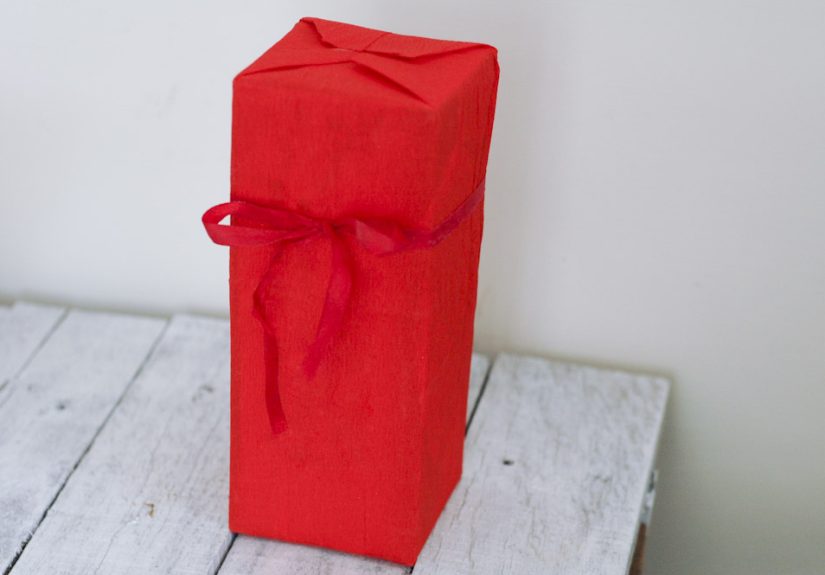
A “square end” is the clean, flat closure on each short side of a wrapped box. Instead of a puffy wad of paper, you create
neat triangular folds (like wrapping a book corner) and tuck them into tidy flaps. The result is:
- Crisper corners that stay put
- Less bulk at the ends, so bows sit flatter
- A cleaner silhouette (yes, gifts can have a silhouettelet them be glamorous)
Tools & Materials
- Wrapping paper (medium-weight is easier to crease neatly)
- Scissors (sharp enough to cut, not just emotionally supportive)
- Tape (clear tape works; double-sided tape makes seams look “invisible”)
- Optional: ruler or straight edge, ribbon, gift tag, bone folder or old gift card (for crisp creases)
Before You Start: Quick Setup for Cleaner Results
1) Work on a flat, clean surface
A table is best. Floors work in a pinch, but you’ll discover new dust bunnies and possibly a missing sock. A flat surface
helps you keep paper aligned and corners sharp.
2) Close the box securely
If the lid pops open mid-wrap, you’ll end up taping the universe. Use a small piece of tape to keep the box shut so you can
wrap smoothly without the box trying to “escape.”
3) Pick the “bottom” of the gift
Plan to keep the main paper seam on the underside of the box. That way, the top looks clean and photo-ready (even if you
never take photos and only wrap gifts for your dogno judgment).
Step 1: Measure the Paper Like You Mean It
Roll out the wrapping paper with the pattern side down. Place your box upside down (top facing the paper)
near the middle so your seam will end up on the bottom.
Here’s the goal:
- Width: enough to wrap fully around the box with about 1–2 inches of overlap for taping.
- Length: enough that, at each short end, the paper reaches about halfway to two-thirds up the side of the box.
Why not use extra paper “just in case”? Because extra paper creates bulky folds at the ends, which makes square ends harder.
Think: tailored suit, not sleeping bag.
Step 2: Cut Clean Lines (Yes, This Matters)
Cut the paper to size with smooth, long scissor strokes. If your cut edge looks jagged, you have two options:
(1) accept it and place that edge on the bottom seam, or (2) fold over about ½–1 inch of the edge to hide
the rough cut before taping the seam. That small fold instantly looks more polished.
Step 3: Wrap the Middle and Tape the Seam
Pull one long side of paper up and over the box, smooth it down, then bring the opposite side over to overlap.
Keep the paper snug (not so tight it tears, but not so loose it slides around like a bad pair of jeans).
Tape the seam on the underside of the box. For a cleaner look, use double-sided tape along the edge so no
tape shows on the outside. If you’re using regular clear tape, keep pieces short and place them where they’ll be least visible.
Step 4: Create the “Triangle Folds” on One End
Now for the square end magic. Stand the box on its side so you’re working on one short end at a time.
-
Push and crease: Press the paper inward along the edges of the box end to “mark” where folds will go.
This helps you fold accurately (and not freestyle your way into chaos). -
Fold in the sides: Bring one side flap toward the center of the end, forming a triangle at the top and bottom.
Repeat on the other side. You should now see two neat triangles pointing inward. -
Sharpen the creases: Run your fingers (or a gift card) along the folds to create crisp edges.
The cleaner the creases, the more professional the finish.
If your triangles look uneven, don’t panic. Lift gently, re-crease, and try again. Wrapping paper is forgivingunlike glitter,
which never forgets.
Step 5: Fold Up the Bottom Flap, Then Fold Down the Top Flap
With the side triangles formed, you’ll have two main flaps left: one at the bottom and one at the top.
-
Fold the bottom flap up toward the center of the box end. Smooth it flat.
Tape it down near the center so the tape won’t show. -
Fold the top flap down over the bottom flap, creating a clean horizontal edge.
Tape it neatlyone or two small pieces is usually enough if your folds are crisp.
Congratulations: you just made a square end. It should look flat, tidy, and satisfyingly geometric.
Step 6: Repeat on the Other End, Then Finish Like a Pro
Rotate the box and repeat Steps 4–5 on the remaining end. Try to match the fold angles and flap widths so both ends look consistent.
Finish with:
- A ribbon (classic cross wrap or diagonal wrap)
- A tag (place it near the bow so it looks intentional, not accidental)
- A small topper (sprig of greenery, sticker seal, or mini ornament for seasonal gifts)
Troubleshooting: Fix the Most Common “Oops” Moments
The paper is too long at the ends
If the paper climbs almost all the way up the box, the end folds get bulky. Trim the paper so it reaches about halfway to
two-thirds up the sides. Less bulk = cleaner square ends.
The paper is too short (it won’t cover the ends)
First, try turning the box diagonally on the paper before cutting; a diagonal placement can give you extra coverage.
If it’s still short, patch the underside with a second piece of matching paper (hide the “seam surgery” on the bottom),
or use a wide ribbon band to cover the join like it was the plan all along.
The corners keep puffing out
Puffiness usually means loose tension or weak creases. Pull the paper snug around the box before you fold, press firmly into
the corners to create strong crease lines, and consider double-sided tape for a flatter finish.
The paper tears when I pull it tight
Thin or brittle paper tears easily. Loosen your tension slightly and rely on crisp folds (not brute force) for a snug look.
If a tear happens, patch from the inside with tape, then cover the spot with a ribbon or tag placement that looks “designed.”
Pro Tips for Square Ends That Look Store-Wrapped
- Make your first crease your best crease: fold once, press sharply, then tape.
- Use double-sided tape for seams and end flaps when you want a cleaner look.
- Keep tape minimal: too much tape can create bumps and makes gifts harder to open (unless your goal is “escape room” gifting).
- Match your fold widths: consistent flaps on both ends make the whole box look more intentional.
Eco-Friendly Wrapping Without Losing the “Wow”
You can wrap beautifully and waste less. A few practical ideas:
- Measure before cutting to reduce leftover scraps.
- Reuse gift wrap scraps as ribbon strips, belly bands, or tag backing.
- Try recyclable or kraft-style paper for a simpler, modern look that’s easier to reuse.
- Save boxes and use tissue as padding for fragile gifts, reducing the need for extra packaging.
“Real Life” Wrapping Experiences: What Usually Happens (and How to Win Anyway)
Wrapping a box with square ends sounds calm in theory: fold, crease, tape, repeat. In real life, it often looks like you’re
auditioning for a competitive origami show while a pet judges you silently and the tape roll disappears like it’s practicing
its own escape artistry. If you’ve ever started wrapping feeling confident and ended up questioning every decision you’ve
made since middle school, you’re in excellent company.
One of the most common experiences is the “paper confidence gap”: you cut the paper, wrap the center,
and then realize the ends are either drowning in extra paper or barely covered. The fix is learning what “enough” looks like
that sweet spot where the paper reaches about halfway to two-thirds up the sides. The first time you hit that measurement,
you’ll feel like you unlocked a life skill. The second time, you’ll start judging pre-cut gift wrap sheets like a sommelier:
“Hmm… notes of ‘too short,’ with a strong finish of regret.”
Another classic moment is the “lopsided triangle” situation. You fold one side flap in, and it looks crisp.
You fold the other side, and suddenly the end resembles a paper hat from a fast-food restaurant. This is where pressing the
paper into the edges of the box before folding becomes your best friend. Those crease “guide lines” are like lane markers
on a highwaywithout them, your folds drift and things get weird fast.
Then there’s the experience of upgrading your wrap game with one tiny change: double-sided tape.
People often describe this as the moment their gifts start looking “expensive,” even if the gift inside is a mug you bought
at the last minute (affectionately) and a bag of candy you absolutely did not sample on the way home. Double-sided tape keeps
seams clean and lets you hide stickiness where it belongs: out of sight. It’s the difference between “homemade” and “hand-finished.”
Holiday wrapping brings its own special set of experiences, like the assembly-line marathon. You start with
one box, then suddenly there are twelve, and you’re rationing ribbon like it’s a scarce resource. In those moments, having a
repeatable square-end method matters because it reduces decision fatigue. You don’t have to reinvent the wheel each timeyou
just run the steps. Measure. Wrap the middle. Make triangles. Fold bottom up. Fold top down. Tape. Repeat. It becomes almost
meditative… until someone asks, “Is that present for me?” and you have to casually body-block the tag.
Finally, a very real experience: the gift recipient who tries to open the present delicately to “save the paper.”
A neatly wrapped square end practically invites careful unwrapping, because it looks too nice to destroy. If that’s your
audience, use fewer tape pieces and place tape where it’s easy to find. If your audience is the “rip first, ask questions later”
type, secure those ends with confidence. Either way, square ends help your gift look intentionallike you planned the presentation,
not like you wrestled it into submission five minutes before leaving the house.
The best part? Once you’ve wrapped a few boxes this way, your hands learn the folds. It stops being “six steps” and starts
being muscle memory. And when someone says, “Wow, you’re good at wrapping,” you can smile politelywhile privately enjoying
the fact that you, a human with scissors and paper, just achieved crisp geometry on purpose.
Conclusion
Wrapping a box with square ends is a skill that pays off fast: your gifts look cleaner, your corners stay sharper, and you
waste less paper once you learn the right sizing. The method is simplewrap the center snugly, create triangle folds at each
end, then fold bottom up and top down for a flat, tailored finish. Practice on a shoebox once, and you’ll be ready for the
real thing when gift-giving season shows up uninvited (as it always does).




 Close
Close