
Table of Contents >> Show >> Hide
- Passenger princess: the simple definition
- Where did “passenger princess” come from?
- How people use “passenger princess” in real life
- Is “passenger princess” a compliment or an insult?
- Passenger princess vs. passenger prince (and gender-neutral options)
- Why the term got so popular
- How to be a great passenger princess (without annoying the driver)
- Common scenarios and examples of “passenger princess” usage
- Frequently asked questions
- Conclusion: it’s a vibe, not a life plan
- Bonus: of Passenger Princess “Experiences” People Actually Relate To
Some slang terms arrive like a meteor: loud, bright, and suddenly everywhere. “Passenger princess” is one of those. You’ll see it in TikTok captions, dating bios, group chats, and that one friend’s Instagram story where they’re riding shotgun with a Starbucks cup and the confidence of someone who has never once worried about parallel parking.
But what does it actually mean? Is it a compliment, a joke, a red flag, or just a cute way to describe who controls the playlist? (Spoiler: sometimes it’s all four.) Let’s break it downdefinition, origin, common uses, and how to talk about it like an adult who still laughs at memes.
Passenger princess: the simple definition
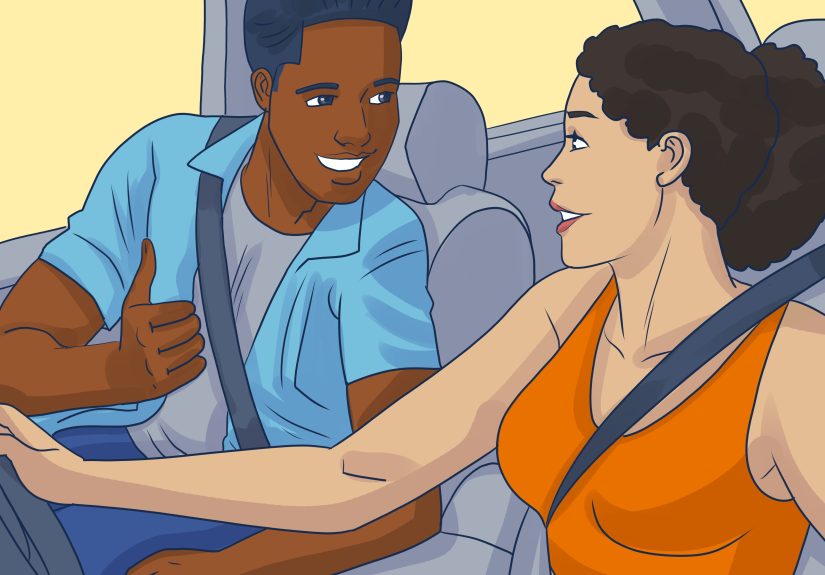
A passenger princess is someoneoften a woman in internet slangwho prefers riding in the passenger seat while someone else drives. It’s usually playful, sometimes affectionate, and often implies the driver is providing a little “princess treatment” (comfort, care, attention, and yes… occasionally snacks).
Depending on who’s using it, “passenger princess” can mean:
- She doesn’t drive (by choice, convenience, anxiety, or circumstance).
- She prefers not to drive because she likes relaxing, chatting, or being taken care of.
- She has a “job” as co-pilotmusic, vibes, directions, drink runner, moral support, and emergency nap scheduling.
And yes, there’s a male version: passenger prince. Some people also use gender-neutral alternatives (more on that later), because the passenger seat is for everyoneincluding your dog, who is absolutely a passenger princess if they demand the window cracked exactly 1.7 inches.
Where did “passenger princess” come from?
The term is internet-born and social-media-fed. It shows up in online posts years ago, then gains momentum as meme culture does what it does best: repeats a phrase until it becomes a personality trait.
Broadly, here’s how the timeline tends to get explained online:
- Early usage: People used it in posts and jokes before it was “a thing.”
- Viral lift: It took off as a TikTok-friendly labelshort, visual, and easy to turn into a skit.
- Mainstream spillover: After it went viral, it started appearing in entertainment media, celebrity interviews, and pop culture references.
In other words: it went from “inside joke” to “dating bio line” at record speed. That’s the modern slang pipelinetoday a meme, tomorrow an identity, next week a song title.
How people use “passenger princess” in real life
“Passenger princess” isn’t used like a formal label. It’s more like a vibe categorypart joke, part dynamic. Here are the most common ways it shows up.
1) The affectionate relationship dynamic
In couples, the term often signals: “My partner drives; I ride shotgun.” Sometimes it’s framed as chivalry. Sometimes it’s framed as teamwork. Sometimes it’s framed as “I would rather eat raw onions than merge onto a freeway.”
Example: “He drives, I DJ. We are both contributing to society.”
2) The co-pilot job description
A lot of “passenger princess” jokes come with an unspoken rule: the passenger isn’t uselessthey’re in charge of comfort and vibes. Think:
- Controlling music (a sacred responsibility)
- Handing snacks without crinkling the bag like a thunderstorm
- Keeping the driver awake on long trips
- Helping with navigation (or at least pretending to)
- Being a hype person when traffic turns the driver into a philosopher
Example caption: “Passenger princess duties: playlist, snacks, emotional support, and saying ‘we’re almost there’ every 12 minutes.”
3) The dating profile shorthand
On dating apps, “passenger princess” can be a cheeky way to say:
- “I like being taken on little drives and errands.”
- “I want a partner who likes driving (and maybe spoiling me a little).”
- “I’m flirty and low-stakes about it.”
But it can also read as: “Please become my personal chauffeur.” Which is why reactions varysome people find it cute, others see it as entitled. The meaning depends heavily on tone and context.
4) The meme caption (especially in the passenger seat selfie genre)
Social media loves a label that fits neatly under a photo. “Passenger princess” is easy to slap onto a selfie taken from the front seat, iced coffee in hand, sunlight doing free PR for your cheekbones.
Example caption: “I can’t drive but I can pick a perfect road trip song in 0.4 seconds.”
Is “passenger princess” a compliment or an insult?
It’s mostly playful, but it can swing either way depending on who’s saying it and how.
When it’s cute
- It’s mutual and lighthearted: the driver enjoys driving; the passenger enjoys riding.
- It’s affectionate: a small symbol of care, trust, and companionship.
- It’s balanced: the passenger contributes (navigation, errands, music, support).
When it’s… not cute
- It’s used to shame someone for not driving (especially if they can’t drive for practical reasons).
- It’s used to imply entitlement (“drive me everywhere”) without reciprocity.
- It reinforces a gender stereotype in a way that feels controlling or dismissive.
A good rule: if both people laugh, it’s probably fine. If one person is annoyed, stressed, or feeling used, it’s not a “trend” problemit’s a communication problem.
Passenger princess vs. passenger prince (and gender-neutral options)
Passenger prince is the commonly used male counterpart. Many people use the terms interchangeably as jokes, especially when the passenger role is tied to “aux cord leadership” rather than gender.
If you want something gender-neutral, people sometimes say:
- Passenger royal (dramatic, fun, and accurate)
- Shotgun VIP (sounds like you come with a security detail)
- Co-pilot (classic, functional, and least likely to start a discourse)
Use whatever fits the vibe of your relationship/friendship. Language is flexible; traffic is not.
Why the term got so popular
“Passenger princess” stuck for a few reasons:
- It’s visual. You can instantly picture the scenario: front seat, selfie, road trip, vibes.
- It’s relatable. Many people prefer ridingbecause driving can be stressful, especially in big cities or heavy traffic.
- It’s easy content. Couples skits, “day in the life,” road trip videos, and “who’s the passenger princess?” trends write themselves.
- It’s a soft-power flex. Being driven around can signal comfort, care, or being “spoiled” in a playful way.
Also, it’s the rare slang that can be used affectionately without sounding like you’re trying too hardunless you say it three times in one conversation. Then it becomes a summons.
How to be a great passenger princess (without annoying the driver)
If you’re embracing the passenger princess life, congratulationsyou have acquired a role with responsibilities. Here’s how to do it well.
1) Respect the driver’s focus
Save the deep relationship talk for the stoplight, not the left turn across oncoming traffic. If the driver looks tense, lower the intensity. Being relaxing is part of the brand.
2) Offer real help (not “help”)
There’s a difference between “Do you want me to GPS?” and “Turn left… no, the other left… wait, maybe right.”
Try:
- Confirming directions before tricky exits
- Checking ETA and traffic reroutes
- Reading signs out loud when it’s helpful
3) Take charge of comfort
Keep water handy, manage snacks, and ask if the driver wants a break. Road trips are basically endurance sports with better music.
4) Be the vibe manager
Yes, you can control the playlistbut do it with diplomacy. If the driver is white-knuckling through a storm, maybe don’t play the saddest breakup ballad known to humankind.
5) Don’t turn “princess” into “problem”
If you never drive and never contribute in other ways (gas money, errands, planning, flexibility), the “cute” label can start to feel like a burden to the driver. Balance is what makes the joke land.
Common scenarios and examples of “passenger princess” usage
Scenario: running errands together
You: “I’m passenger princess today. I’ll handle the coffee order and the playlist.”
Translation: “You drive; I’ll make this trip easier and more fun.”
Scenario: long road trip
You: “I’m on passenger princess dutysnacks, directions, and keeping you awake.”
Translation: “I’m not driving, but I’m not dead weight.”
Scenario: dating app bio
Bio line: “Seeking someone to be my chauffeur while I become your passenger princess.”
How it can read: Flirty and playfulor demandingdepending on the rest of the profile. (Add a line that shows reciprocity if you want it to feel charming.)
Frequently asked questions
Does a passenger princess have to be someone who can’t drive?
No. Some people can drive but prefer not to. Others don’t drive due to anxiety, access, disability, finances, or simply not needing to. The term is slang, not a DMV category.
Is “passenger princess” always about romantic relationships?
Not always. Friends use it. Family members use it. People jokingly use it for pets. It’s basically shorthand for a passenger-seat lifestyle.
Is it sexist?
It can be if it’s used to enforce stereotypes (“women shouldn’t drive”) or shame someone. But it’s often used ironically or affectionately. The healthiest version is the one where both people have agency and the relationship isn’t built on unpaid chauffeur labor.
Conclusion: it’s a vibe, not a life plan
“Passenger princess” is a playful slang term that captures a familiar dynamic: one person drives, the other ridesoften with a sprinkle of affection and a heavy dose of memes. Used well, it’s a cute shorthand for comfort, companionship, and co-pilot energy. Used poorly, it can sound entitled or stereotype-y.
If you’re going to claim the title, do it like royalty: be kind, be helpful, and never underestimate the power of a perfectly timed snack handoff.
Bonus: of Passenger Princess “Experiences” People Actually Relate To
Because “passenger princess” isn’t just a definitionit’s a whole collection of mini-moments that feel weirdly universal. Here are a few experiences people commonly describe (or joke about) that explain why the term stuck so hard.
The Playlist Power Struggle
One of the most classic passenger princess experiences is realizing the passenger seat comes with unofficial DJ authority. The driver might own the car, but the passenger often owns the mood. You cue up a road trip anthem, the driver relaxes, and suddenly traffic isn’t a personal attackit’s just the intro before the chorus drops. Of course, power must be used responsibly. Nothing tests a relationship like skipping someone’s favorite song mid-bridge. Passenger princess lesson: if you touch the playlist, you accept the consequences.
The “Can You Just…” Errand Tour
Another common scenario: the driver says, “We’re just going to one place.” The passenger princess hears, “We’re going on an adventure.” Ten minutes later, you’ve added coffee, a quick stop for a gift bag, and that “one thing” from the store you absolutely cannot live without. When it’s mutual and fun, it feels like teamwork. When it’s not, it feels like your partner got drafted into a side quest without consent. The best passenger princesses read the room, offer to make it easy (ordering ahead, running inside quickly), and don’t pretend gas stations are free.
The Road Trip Snack Ritual
Road trips are where passenger princess energy truly shines. Many people describe the passenger role as “comfort operations”: opening snacks, passing water, unwrapping something without making the car sound like a trash compactor, and asking, “Do you want to stop soon?” at the exact moment the driver starts considering a nap at 70 mph. There’s also the deeply relatable experience of being the passenger who packs the emergency kitgum, wipes, charger, hand sanitizer, and a hoodiethen saving the day like a glamorous suburban superhero.
The GPS Drama (A.K.A. “Why Is It Rerouting?!”)
Plenty of people joke that the passenger princess job includes navigation… until navigation becomes a psychological thriller. The GPS says “take the exit,” the driver says “which one,” and the passenger realizes the map is zoomed in so far it’s basically abstract art. The experience is half comedy, half adrenaline, and it ends with a very calm, totally not panicked sentence like: “Okay, worst case, we just keep going and figure it out.” Passenger princess rule: if you’re going to navigate, commit. If you’re not, be honest and let the driver know earlybefore the missed exit becomes a family legend.
The Quiet, Sweet Part
Finally, beyond the jokes, lots of people describe the passenger princess dynamic as simply… comforting. Riding next to someone you trusttalking, listening to music, watching the scenerycan feel like quality time without needing a big plan. Sometimes the “princess” part isn’t about being spoiled; it’s about feeling safe and cared for. When both people like the arrangement, it’s less “chauffeur and client” and more “partners sharing a small daily ritual.” And honestly? That’s the kind of trend worth keeping.





 Close
Close