Table of Contents >> Show >> Hide
- What Is Hypothyroidism?
- Why the Symptoms Can Be Easy to Miss
- Common Signs and Symptoms of Hypothyroidism
- 1. Fatigue that feels bigger than ordinary tiredness
- 2. Increased sensitivity to cold
- 3. Unexplained weight gain or difficulty losing weight
- 4. Constipation
- 5. Dry skin, brittle nails, and hair changes
- 6. Puffy face or swelling
- 7. Muscle aches, weakness, joint pain, and stiffness
- 8. Slower heart rate
- 9. Mood changes, depression, and brain fog
- 10. Heavy or irregular menstrual periods
- 11. Hoarse voice and slowed speech
- 12. Goiter or fullness in the neck
- Symptoms Can Look Different From Person to Person
- When Symptoms Should Not Be Ignored
- How Hypothyroidism Is Diagnosed
- What Hypothyroidism Can Feel Like in Real Life
- Final Thoughts
Note: This article is for informational purposes only and is not a substitute for medical advice, diagnosis, or treatment. The experience-based section near the end uses realistic composite scenarios inspired by commonly reported symptom patterns.
Hypothyroidism does not usually kick down the front door. It sneaks in like an uninvited houseguest, quietly turning down your body’s internal thermostat, slowing your energy, and making everyday life feel a little heavier than it should. One day you are fine. A few months later, you are wearing socks to bed, forgetting why you walked into the kitchen, and wondering why your hairbrush suddenly looks dramatic.
That is part of what makes hypothyroidism so tricky. The symptoms are often subtle at first, and many of them are easy to blame on stress, aging, poor sleep, a hectic schedule, or just plain life. But when the thyroid gland does not make enough thyroid hormone, the body’s systems begin to slow down. Over time, that slowdown can affect energy levels, digestion, mood, skin, hair, heart rate, menstrual cycles, and even the way you think and feel.
If you have been asking yourself, “Why do I feel so off lately?” this guide walks through the most common signs and symptoms of hypothyroidism, what they can look like in daily life, and when it is smart to get checked out.
What Is Hypothyroidism?
Hypothyroidism, also called an underactive thyroid, happens when your thyroid gland does not produce enough thyroid hormone. The thyroid is a small butterfly-shaped gland at the front of your neck, but it has a very big job. Thyroid hormones help regulate metabolism, temperature, heart function, digestion, and how your body uses energy.
When thyroid hormone levels drop, body processes slow down. That is why hypothyroidism symptoms often feel like someone hit the “low battery” button on your whole system.
The condition can happen for several reasons, but a common cause is Hashimoto’s disease, an autoimmune condition in which the immune system gradually attacks the thyroid. Hypothyroidism can also develop after thyroid surgery, certain medications, radiation treatment, pregnancy-related thyroid problems, or not getting enough iodine in rare cases.
Why the Symptoms Can Be Easy to Miss
One of the most frustrating things about hypothyroidism is that it rarely announces itself with one giant, unmistakable sign. Instead, it tends to build slowly. You may first notice that you are more tired than usual. Then constipation shows up. Then your skin gets dry. Then your mood dips. Then your jeans feel snug, even though your lunch habits have not changed much except maybe the emergency granola bar situation.
Because symptoms appear gradually, many people adjust to them without realizing how different they feel. They assume they are overworked, under-rested, aging, or somehow failing at adulthood. In reality, the thyroid may simply be underperforming.
Common Signs and Symptoms of Hypothyroidism
1. Fatigue that feels bigger than ordinary tiredness
Fatigue is one of the most common symptoms of hypothyroidism. This is not always the kind of tiredness that disappears after one good night’s sleep. It can feel like dragging yourself through wet cement, even after a reasonable amount of rest. Some people describe it as low energy, sluggishness, exhaustion, or feeling slowed down all day.
If your thyroid hormone is low, your cells are not using energy as efficiently as they should. That can leave you feeling physically and mentally drained.
2. Increased sensitivity to cold
If everyone else seems comfortable and you are reaching for a sweater, blanket, and possibly a mild emotional support radiator, hypothyroidism may be part of the story. Low thyroid hormone can slow metabolism, which reduces the amount of heat your body generates. Feeling unusually cold, especially in the hands and feet, is a classic warning sign.
3. Unexplained weight gain or difficulty losing weight
Hypothyroidism can contribute to modest weight gain, often because metabolism slows and the body may retain more salt and water. It usually does not explain major weight changes all by itself, but it can make weight management feel more difficult than it used to. Many people notice that they are gaining weight even though their routine has not changed much, or that the scale seems oddly resistant to their best efforts.
4. Constipation
When the body slows down, digestion may slow down too. Constipation is a very common hypothyroidism symptom and sometimes shows up early. If bowel movements become less frequent, more difficult, or more uncomfortable without an obvious reason, it is worth paying attention.
5. Dry skin, brittle nails, and hair changes
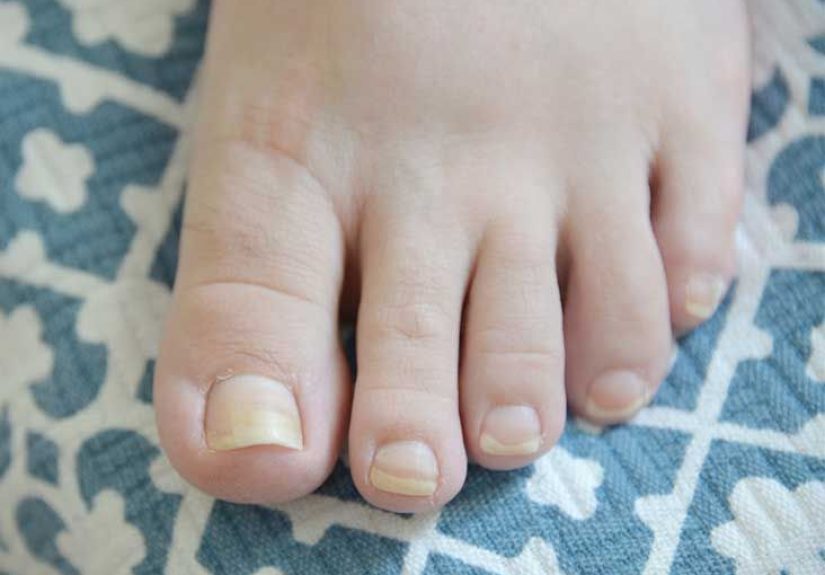
Hypothyroidism can make skin dry, rough, pale, or cool to the touch. Hair may become dry, coarse, brittle, or thinner than usual. Some people notice more hair in the shower drain or on the brush. Nails may also become brittle and break more easily.
Another less-talked-about clue is thinning of the outer part of the eyebrows. It is not the most famous symptom, but it does show up often enough to deserve a little spotlight.
6. Puffy face or swelling
Some people with hypothyroidism develop a puffy face, swelling around the eyes, or mild swelling in the hands and feet. The change can be gradual enough that you do not notice it right away, but photos may start doing the detective work for you.
7. Muscle aches, weakness, joint pain, and stiffness
Low thyroid hormone can affect muscles and joints. You may feel achy, weak, stiff, or sore for no obvious reason. Some people notice cramps, poor exercise tolerance, or hand discomfort that seems suspiciously eager to complain after everyday tasks. Hypothyroidism can also contribute to carpal tunnel syndrome in some cases.
8. Slower heart rate
Because thyroid hormone affects heart function, hypothyroidism can lead to a slower-than-usual heart rate. Not everyone notices this directly, but some people feel less energetic during activity or notice reduced stamina. Severe untreated hypothyroidism can place extra stress on the body, which is one more reason not to shrug off persistent symptoms.
9. Mood changes, depression, and brain fog
Hypothyroidism can affect the brain as well as the body. Some people feel down, emotionally flat, less motivated, or more irritable than usual. Others describe “brain fog,” meaning trouble concentrating, slower thinking, forgetfulness, or feeling mentally blurry. If your thoughts feel like they are moving through peanut butter, your thyroid may deserve a mention during a medical visit.
10. Heavy or irregular menstrual periods
In women, hypothyroidism can affect menstrual cycles. Periods may become heavier, more frequent, or less predictable. Some people also notice fertility problems. Because hormone systems like to talk to each other constantly, thyroid issues can ripple into reproductive health in ways that are easy to miss at first.
11. Hoarse voice and slowed speech
A hoarse voice can sometimes show up with hypothyroidism. In more noticeable cases, speech may sound slower or more effortful. It is not always dramatic, but if your voice has changed along with fatigue, cold intolerance, constipation, and dry skin, that cluster of symptoms starts to look more meaningful.
12. Goiter or fullness in the neck
Some people develop an enlarged thyroid, called a goiter. This can make the front of the neck look or feel fuller. A goiter does not automatically mean hypothyroidism, but it can be linked to thyroid disease and should be checked by a healthcare professional.
Symptoms Can Look Different From Person to Person
Hypothyroidism does not read from a script. One person may mainly struggle with fatigue and constipation. Another may notice depression, hair loss, and feeling cold all the time. A third may have only mild symptoms, especially in early or subclinical hypothyroidism.
Age can also change the picture. Older adults may not have the textbook symptoms people expect. Instead of obvious weight gain or dramatic cold intolerance, they might mainly experience fatigue, forgetfulness, low mood, sleepiness, or reduced activity. In children and teens, hypothyroidism can show up as slowed growth, delayed puberty, poor school performance, or ongoing sluggishness.
Pregnancy and the postpartum period can make thyroid symptoms more confusing too, because tiredness, mood shifts, and body changes are already in the mix. That is why thyroid problems are often diagnosed with blood work rather than symptoms alone.
When Symptoms Should Not Be Ignored
You do not need to panic every time you feel cold or tired. These symptoms are common and can happen for many reasons. But it is a good idea to talk with a healthcare professional if:
- Several symptoms are happening together
- The symptoms are getting worse over time
- You have a family history of thyroid disease
- You have another autoimmune condition
- You are pregnant, recently postpartum, or trying to conceive
- You have had thyroid surgery, neck radiation, or take medications that can affect the thyroid
In rare severe cases, untreated hypothyroidism can become dangerous. Extreme drowsiness, confusion, trouble breathing, or a major decline in functioning needs urgent medical attention. That is not the most common scenario, but it is the kind of thing your body would prefer you not put on the “I’ll deal with it later” list.
How Hypothyroidism Is Diagnosed
Symptoms can raise suspicion, but blood tests confirm the diagnosis. Healthcare professionals typically use thyroid-stimulating hormone (TSH) and often free T4 levels to check thyroid function. In many cases, a high TSH suggests the thyroid is not producing enough hormone, so the pituitary gland is working overtime to push it harder.
Depending on the situation, your clinician may also order thyroid antibody tests to look for Hashimoto’s disease or other related testing. The important point is simple: symptoms matter, but blood work is what separates thyroid trouble from other conditions that can look similar.
What Hypothyroidism Can Feel Like in Real Life
Clinical symptom lists are helpful, but they can sound a little sterile. Real life is messier. Hypothyroidism often shows up not as one dramatic event, but as a slow shift in how a person moves through the day.
For one person, it may begin with mornings getting harder. They start hitting snooze more often, then dragging through breakfast, then needing coffee just to resemble a functioning member of society. By afternoon, they feel wrung out. They chalk it up to stress. A few months later, they notice they are freezing in rooms that used to feel normal, and their skin is suddenly so dry that lotion becomes a lifestyle.
For someone else, the first clue may be mental rather than physical. They feel foggy in meetings, forget simple tasks, and struggle to focus on conversations. They know something is off but cannot explain it well. Friends may say, “You seem tired,” while the person thinks, “Tired is not the word. It feels like my brain is buffering.” That slowed, fuzzy feeling is a common way hypothyroidism affects daily life.
Some people experience it through body changes that are easy to dismiss at first. Their face looks a little puffier in photos. Their rings feel tighter. Hair becomes dry and thin. The scale creeps up even though their habits have not changed enough to explain it. Constipation becomes a regular annoyance. Workouts feel harder, and recovery takes longer. They may assume they are simply getting older, when in fact their thyroid function has changed.
Women sometimes notice the problem through menstrual changes. Periods become heavier or more irregular. Fertility may become more complicated. During the postpartum period, symptoms can blend in with new-parent exhaustion so well that thyroid disease stays hidden longer than it should.
Older adults may experience hypothyroidism differently. Instead of saying, “I feel cold and constipated,” they may simply seem more fatigued, less active, more forgetful, or more down than usual. Because these changes can overlap with other conditions, thyroid problems may not be the first thing anyone suspects.
What ties these experiences together is the slow, steady sense that the body is not operating at its normal speed. People often say they no longer feel like themselves. They are still getting through the day, but everything takes more effort. Once properly diagnosed and treated, many describe a feeling of relief that goes beyond lab numbers. It is the relief of realizing they were not lazy, weak, careless, or imagining things. Their body was asking for help in a language that was easy to misread.
Final Thoughts
Hypothyroidism is common, treatable, and often overlooked in its early stages. Its signs and symptoms can include fatigue, cold intolerance, constipation, dry skin, hair thinning, weight gain, puffiness, depression, brain fog, muscle aches, heavier periods, and a slower heart rate. The challenge is that many of these symptoms are not exclusive to thyroid disease, which is why diagnosis depends on blood tests rather than guesswork.
If several of these symptoms sound familiar, do not self-diagnose based on a search engine spiral and a dramatic glance at your hairbrush. Do pay attention to patterns, write down what you have noticed, and talk with a healthcare professional. When hypothyroidism is identified and treated appropriately, many people feel significantly better. And honestly, your internal thermostat, digestive tract, and energy levels may all send thank-you notes.