
Table of Contents >> Show >> Hide
- What Counts as an “International Recipe” (and Why It’s Not a Vibe Test)
- Build a Global Pantry (So You Can “Travel” on a Random Wednesday)
- Techniques That Travel: The Universal Rules Behind Great Global Food
- International Recipe Blueprints (Flexible Templates You’ll Use Forever)
- Blueprint #1: The Stir-Fry (East & Southeast Asian-Inspired)
- Blueprint #2: The Coconut Curry (Thai/Indian-Inspired Weeknight Version)
- Blueprint #3: The Taco Night That Isn’t Just “Ground Beef Again”
- Blueprint #4: Mediterranean Mezze Dinner (No Stove Stress)
- Blueprint #5: Noodle Soup (Global Comfort Food Mode)
- Seven Cuisine Spotlights (Easy “Starter Dishes” to Learn the Flavor Logic)
- 1) Mexican-Inspired: Big Flavor, Bright Finish
- 2) Italian-Inspired: Simple Ingredients, Precise Technique
- 3) Japanese-Inspired: Umami + Clean Balance
- 4) Korean-Inspired: Sweet-Heat + Fermented Depth
- 5) Thai-Inspired: Hot, Sour, Salty, Sweet in One Bite
- 6) Indian-Inspired: Spices as Structure, Not Decoration
- 7) Middle Eastern-Inspired: Herbs, Sesame, and Warm Spices
- Shopping Smarter for International Cooking
- Common Mistakes (and Quick Fixes)
- Conclusion: Cook the World, One Grocery Trip at a Time
- Experiences: What International Recipes Feel Like in Real Life (The Kitchen Passport Effect)
- SEO Tags
“International recipes” sounds fancylike you need a passport, a pasta maker, and an uncle named Marco who judges your risotto.
In reality, cooking around the world is often just one smart pantry shelf and a few repeatable techniques away.
The goal isn’t to perfectly replicate your favorite dish from a tiny alleyway café (unless you enjoy dramatic kitchen monologues).
It’s to borrow the big ideasspices, sauces, textures, and methodsso your weeknight dinners stop tasting like “Tuesday again.”
This guide breaks down international cooking into a practical system: build a global pantry, learn a handful of transferable techniques,
and use flexible “recipe blueprints” that adapt to what you have. You’ll get specific examples across multiple cuisines, plus troubleshooting
tips so you can fix a bland curry, rescue gummy rice, and confidently say, “Yes, I meant to do that.”
What Counts as an “International Recipe” (and Why It’s Not a Vibe Test)
An international recipe is any dish rooted in a culinary tradition outside your own everyday rotationwhether that’s Korean-inspired rice bowls,
Mediterranean mezze, Indian lentils, Mexican street-style tacos, or French vegetable stews. It can be traditional, modern, or a respectful
home-cook adaptation. What matters is that you’re learning the flavor logic: the ingredients, the balancing acts (salt/acid/heat/sweet),
and the techniques that make the dish taste “right.”
Think of international cooking like learning songs on a guitar. You don’t start by building a guitar from trees. You start with chords.
In the kitchen, your “chords” are things like blooming spices, making quick pickles, or building a sauce with aromatics + fat + acid.
Build a Global Pantry (So You Can “Travel” on a Random Wednesday)
The fastest way to cook international recipes more often is to stop treating “international ingredients” like rare artifacts.
Most big U.S. grocery stores carry at least a starter set now, and online ordering fills the gaps. Start small: pick 10–12 items you’ll
actually use, then expand based on your favorite cuisines.
Core “Flavor Passport” Ingredients (Pick 10 to Start)
- Soy sauce (umami backbone for East Asian-inspired dishes and marinades)
- Rice vinegar or lime/lemon (acid = instant brightness)
- Miso paste (soups, glazes, dressingstiny spoonful, huge payoff)
- Fish sauce (a few drops can make noodles, soups, and stir-fries taste deeper)
- Tahini (sesame richness for dressings, dips, sauces)
- Chiles (dried, flakes, or pasteheat plus complexity)
- Curry paste or curry powder (shortcut to big flavor with minimal fuss)
- Canned coconut milk (creamy base for curries and soups)
- Chickpeas or lentils (global comfort food, high protein, pantry-friendly)
- Jasmine or basmati rice (the side dish that becomes the main character)
- Tomato paste (adds body and depth to sauces and stews)
- Olive oil + a good vinegar (Mediterranean-style building blocks)
“Pantry 2.0” Upgrades (Add These When You’re Ready)
- Gochujang (sweet-spicy Korean chile paste for sauces and marinades)
- Harissa (North African chile pastestews, roasted veggies, eggs)
- Za’atar (herby, tangy seasoningflatbreads, salads, chicken)
- Ghee (toasty, buttery richness; excellent for blooming spices)
- Corn tortillas (tacos, tostadas, quick chilaquiles-style breakfasts)
- Rice noodles (stir-fries and quick soups)
- Capers or olives (salty punch in Mediterranean dishes)
- Sesame oil (finish dishes with a nutty aromause sparingly)
Pantry tip: buy the smallest size the first time. Your spice drawer should not become a museum exhibit titled
“Things I Was Emotionally Vulnerable Enough to Purchase Once.”
Techniques That Travel: The Universal Rules Behind Great Global Food
1) Bloom Your Spices (a.k.a. Wake Them Up)
Many cuisines start by heating spices briefly in oil or ghee to release aroma and deepen flavor. This is common in South Asian cooking
and shows up in other regions too. The trick: medium heat, short time, constant attention. Burnt spices taste like regret.
2) Build a Flavor Base: Aromatics First
Onion, garlic, ginger, scallion, celery, peppersmost international recipes begin with some version of “cook aromatic things until
they smell incredible.” That smell is your sign you’re on the right track. If it smells like nothing, keep going. If it smells like
smoke, you are now making “charcoal-inspired cuisine.”
3) Balance the Big Four: Salt, Acid, Heat, Sweet
Global dishes often taste “restaurant-level” because they’re balanced. If something tastes flat, it usually needs acid
(lime, lemon, vinegar) or a bit more salt. If it tastes harsh, it might need a touch of sweet
(honey, sugar, sweet chili) or richness (oil, coconut milk, yogurt).
4) Rice Like You Mean It
Great rice is a power move. Rinsing helps remove excess surface starch so grains cook up less sticky (unless you’re intentionally making
sticky rice or sushi rice). For many types of rice, careful simmering and a rest period matter as much as cook time.
Once you get rice right, entire cuisines unlock.
5) Quick Pickle Anything
A 10-minute quick pickle (vinegar + salt + a little sugar, plus optional chile) adds crunch, acidity, and contrastperfect for tacos,
rice bowls, sandwiches, and mezze plates. It’s the simplest “international” upgrade you can do without learning new cookware.
International Recipe Blueprints (Flexible Templates You’ll Use Forever)
These aren’t strict recipesthey’re repeatable frameworks. Swap proteins, vegetables, and sauces based on your pantry and what’s on sale.
That’s how you cook globally without needing a separate grocery trip for every craving.
Blueprint #1: The Stir-Fry (East & Southeast Asian-Inspired)
- Prep first: slice protein and veggies; mix a quick sauce (soy + acid + a touch of sweet + optional chile).
- High heat: cook protein, remove; cook veggies; return protein.
- Sauce + thicken: add sauce; if you want gloss, stir in a small cornstarch slurry.
- Finish: sesame oil, scallions, toasted sesame seeds, or a squeeze of lime.
Example combo: chicken + broccoli + carrots + garlic/ginger + soy + rice vinegar + honey + chile flakes over jasmine rice.
Blueprint #2: The Coconut Curry (Thai/Indian-Inspired Weeknight Version)
- Start with aromatics: onion, garlic, ginger.
- Bloom paste/spices: curry paste or curry powder in oil.
- Add coconut milk: simmer to meld flavors; add protein + vegetables.
- Balance: salt + acid (lime) + optional sweet (a little sugar) + heat (chiles).
- Serve: over rice; top with herbs like cilantro or basil.
Example combo: chickpeas + spinach + coconut milk + curry powder + tomatoes + lime. Fast, cozy, and accidentally impressive.
Blueprint #3: The Taco Night That Isn’t Just “Ground Beef Again”
- Protein: spiced beans, shredded chicken, fish, roasted veggies, or beef strips.
- Texture: crunchy slaw or quick-pickled onions.
- Fat: avocado, crema/yogurt sauce, or cheese.
- Acid: lime wedge is non-negotiable.
- Heat: salsa, hot sauce, or sliced jalapeños.
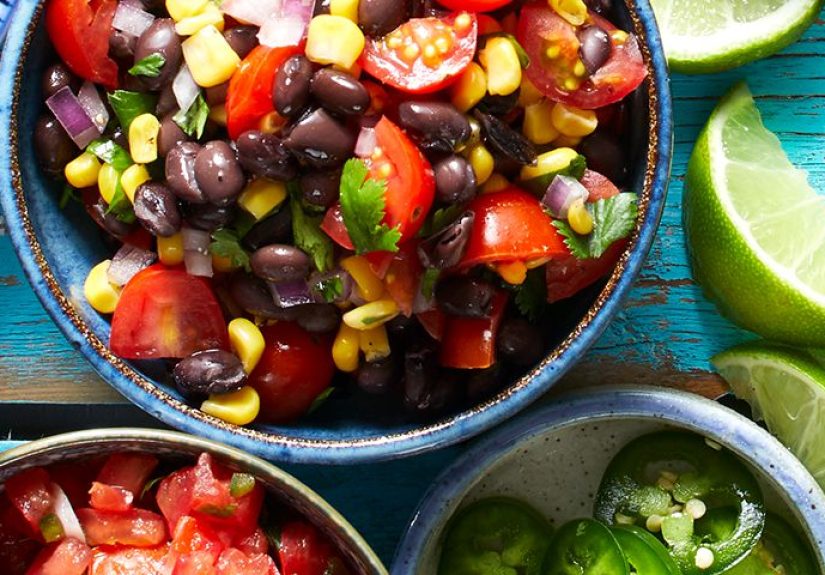
Example combo: black beans sautéed with cumin + garlic, topped with cabbage slaw, lime, and a smoky salsa.
Blueprint #4: Mediterranean Mezze Dinner (No Stove Stress)
- One dip: hummus or tahini-lemon sauce
- One protein: grilled chicken, chickpeas, or canned tuna with herbs
- One salad: cucumber + tomato + olive oil + lemon
- One carb: pita, flatbread, or rice
- One “extra”: olives, feta, roasted peppers, or quick pickles
It’s dinner that feels like a vacation, even if you’re eating it next to your laptop.
Blueprint #5: Noodle Soup (Global Comfort Food Mode)
- Broth base: boxed broth or bouillon + aromatics (ginger/garlic/scallion).
- Season: soy or miso; add chile if you like.
- Add-ins: mushrooms, greens, shredded chicken, tofu, or eggs.
- Noodles last: cook just until tender.
- Finish: lime, herbs, sesame oil.
Seven Cuisine Spotlights (Easy “Starter Dishes” to Learn the Flavor Logic)
1) Mexican-Inspired: Big Flavor, Bright Finish
Core idea: chiles + acid + herbs. Start with tacos, rice bowls, or a skillet of beans with cumin, garlic, and a squeeze of lime.
Add crunchy slaw or pickled onions for contrast.
2) Italian-Inspired: Simple Ingredients, Precise Technique
Core idea: quality basicsolive oil, garlic, tomatoes, herbs, cheese. Start with a tomato-garlic pasta, a chopped salad with olives,
or roasted vegetables finished with lemon and Parmesan.
3) Japanese-Inspired: Umami + Clean Balance
Core idea: gentle but deep seasoning. Try a rice bowl topped with sautéed veggies and a soy-based sauce, or a simple miso soup with tofu
and greens. Keep flavors clean; don’t overwhelm with too many extras.
4) Korean-Inspired: Sweet-Heat + Fermented Depth
Core idea: gochujang, garlic, sesame, and something tangy. Make a quick “bibimbap-style” bowl: rice + sautéed vegetables + protein + a
spicy-sweet sauce. Top with a fried egg and you’ve basically won dinner.
5) Thai-Inspired: Hot, Sour, Salty, Sweet in One Bite
Core idea: balance is everything. Curry paste + coconut milk is a friendly entry point. Finish with lime and fresh herbs if you can.
If it tastes “almost there,” it probably needs more lime.
6) Indian-Inspired: Spices as Structure, Not Decoration
Core idea: layered spice and aromatics. Start with lentils (dal-style), chickpea stews, or spiced potatoes and peas. Bloom spices in fat,
then build the sauce. Finish with yogurt or lemon if it needs brightness.
7) Middle Eastern-Inspired: Herbs, Sesame, and Warm Spices
Core idea: lemon + garlic + herbs + sesame (tahini) + spices like cumin. Make a tahini sauce, roast spiced vegetables, add chickpeas,
and serve with rice or flatbread. A drizzle of olive oil and a sprinkle of za’atar can make it feel instantly special.
Shopping Smarter for International Cooking
Read Labels Like a Calm Detective
For sauces and pastes, check sodium and sugar. Some brands are much saltier or sweeter than others, which can throw off your balance.
If a sauce is intense, use less and add water/stock to stretch it.
Buy Pastes Over Powders When You Want “Instant Personality”
Curry pastes, harissa, and gochujang deliver concentrated flavor quickly. Powders are great too, but pastes often feel more dimensional
for weeknight speed.
Frozen Herbs and Aromatics Are Totally Allowed
If fresh ginger or herbs keep going bad, buy frozen cubes (or freeze your own). The “authenticity police” do not get a vote in your
personal kitchen budget.
Common Mistakes (and Quick Fixes)
“It’s Bland”
- Add salt in small pinches, tasting as you go.
- Add acid (lemon/lime/vinegar) to wake everything up.
- Add a tiny bit of umami: soy sauce, miso, parmesan, or tomato paste.
“It’s Too Salty”
- Add unsalted components: more veggies, rice, potatoes, or beans.
- Add acid and a little fat (olive oil, yogurt) to soften the edge.
- If it’s soup/stew, dilute with water/stock and simmer to re-balance.
“My Rice Is Gummy”
- Rinse next time (unless making sticky rice on purpose).
- Use the right water ratio for that rice type.
- Let it rest covered after cooking, then fluff gently.
“The Spices Taste Raw”
- Bloom spices briefly in oil at the start.
- Give the dish time to simmer so flavors meld.
- Add a finishing touch (fresh herbs, citrus) to round it out.
Conclusion: Cook the World, One Grocery Trip at a Time
International recipes don’t require perfectionthey require curiosity and a plan. Build a small global pantry, learn a few techniques that
show up everywhere, and rely on flexible blueprints that adapt to what you already have. Over time, you’ll start recognizing patterns:
a soy-ginger sauce behaves like a cousin to a citrus-garlic dressing; blooming spices in ghee feels like the sibling of sautéing aromatics
in olive oil. That’s not just cookingthat’s fluency.
Experiences: What International Recipes Feel Like in Real Life (The Kitchen Passport Effect)
Cooking international recipes is less like “following a foreign rulebook” and more like discovering that your kitchen has secret doors.
The first time you make a Thai-inspired coconut curry on a weeknight, you realize something important: you didn’t need a special occasion.
You needed a can of coconut milk, a spoonful of curry paste, and the confidence to squeeze a lime over dinner without asking permission.
That limetiny, ordinary, and suddenly magicalteaches you that brightness can change everything. Many home cooks describe that moment as
the point where they stop “making food” and start “building flavor.”
International cooking also has a funny way of making you more relaxed. When you learn that a Mexican-style meal can be assembled from beans,
tortillas, quick pickles, and a simple sauce, you stop believing dinner must be complicated to be exciting. When you try a mezze-style spread
one nightdip, salad, bread, something crunchyyou realize the meal doesn’t have to be one big centerpiece. It can be a friendly lineup of
small, satisfying things that everyone can mix and match. It feels social, even if it’s just you and a streaming show that asks,
“Are you still watching?” (Yes. Also, I’m still eating.)
Then there’s the skill-building. International recipes teach your senses. You learn the smell of garlic turning sweet instead of sharp.
You learn what “bloomed spices” smell like (warm, toasty, alive) compared to spices dumped into liquid (sometimes flat, sometimes muddy).
You learn that soy sauce isn’t just saltyit’s depth. You learn that fish sauce, used carefully, can disappear into the background and make
a soup taste like it took all day. You learn that miso can turn a simple dressing into something you want to put on everything. Suddenly,
you’re not relying on exact instructions as much. You’re tasting, adjusting, and making decisionslike a cook, not a copier.
International cooking also changes the way you shop. You start noticing small “gateway” ingredients: a jar of tahini that becomes sauces,
dips, and dressings; a bag of basmati rice that shows up beside curries, grilled meats, and roasted vegetables; a chile paste that turns
roasted chicken into a new idea. Your grocery cart becomes more strategic and less random. Instead of buying a one-off ingredient for a
single recipe, you buy building blocks that connect multiple cuisines. That’s when cooking feels less expensive and more creative at the
same timean underrated win.
And finally, international recipes create stories. Even when you’re cooking from a weeknight blueprint, the dish carries a sense of place.
A bowl of noodle soup feels like comfort from somewhere else. A plate of tacos feels like celebration on a Tuesday. A curry simmering on the
stove smells like anticipation. You may not be traveling, but you’re practicing the most useful kind of food adventure: the kind that fits
into your real schedule, your real budget, and your real life. Over time, your kitchen becomes a mapone where you can visit a new “country”
anytime you’ve got 30 minutes, a hungry household, and a willingness to taste as you go.






 Close
Close