Table of Contents >> Show >> Hide
- What makes Mason Cash bowls “the Mason Cash bowls”?
- Material matters: earthenware, weight, and why your bowl doesn’t moonwalk
- A practical size guide (so you don’t buy the bowl that could bathe a golden retriever)
- What they’re especially good at
- Collections and styles: cane, colors, and the “I bought it because it has chickens” phenomenon
- Care and keeping your bowl beautiful (without treating it like it’s made of glass slippers)
- Buying tips (so you get the right one the first time)
- Are Mason Cash mixing bowls worth it?
- Quick FAQ
- Experience Notes: What it’s like living with a Mason Cash bowl
Every kitchen has at least one “main character” item: the pan you reach for first, the knife you guard like a dragon,
the spatula that has seen things. For a lot of bakers, that hero is a Mason Cash mixing bowlan old-school, grippy,
pleasantly hefty bowl that feels like it should come with its own theme music.
These bowls have a reputation that’s oddly rare in kitchen gear: they’re practical and a little iconic.
They show up everywhere from cozy home kitchens to baking-obsessed gift lists, and they’ve become a go-to for people who
want their tools to work hard without looking like a science experiment on the counter.
What makes Mason Cash bowls “the Mason Cash bowls”?
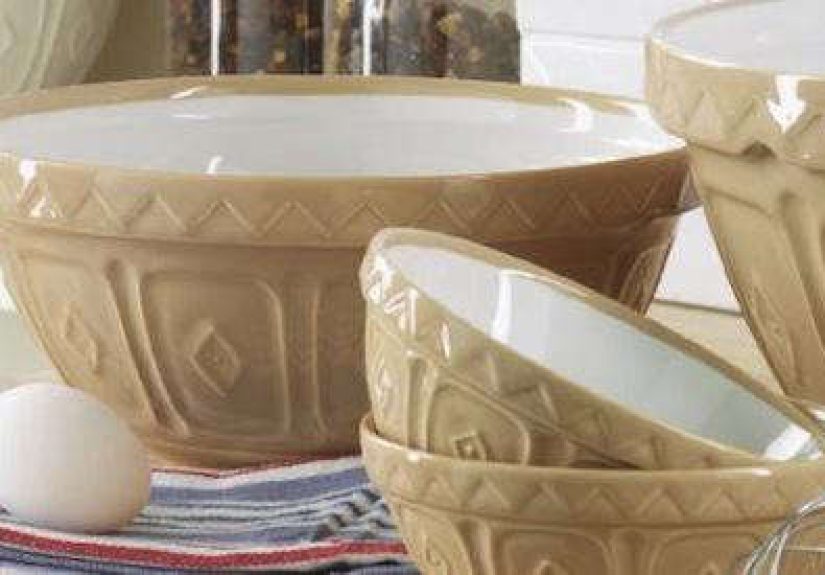
Start with the look: that classic textured exterior (often called the “cane” pattern) isn’t just decoration. It’s there
to help you grip the bowl and control it while mixingespecially when your hands are damp, floury, or living their best
butter life. The wide, open shape also gives you room to whisk, fold, and even knead without feeling like you’re boxing
in a phone booth.
There’s also a real heritage factor. The iconic cane-style bowl design dates back to the early 1900s and has changed
very little since, which is basically the kitchenware version of “if it ain’t broke, don’t fix it.”
Material matters: earthenware, weight, and why your bowl doesn’t moonwalk
Mason Cash bowls are typically made from earthenware with a glossy glaze. In plain English: they’re ceramic bowls with a
solid feel, a smooth interior, and enough weight to stay put when you’re stirring thick cookie dough or kneading a shaggy
bread mix.
Why bakers love the heft
- Stability: A heavier bowl is less likely to slide around while you whisk or fold.
- Control: The textured pattern helps your hands “lock in” so tipping and rotating feels safer.
- Temperature friendliness: Ceramic can hold warmth better than thin metal, which can be handy for doughs and batters that benefit from a steadier environment.
How they compare to other mixing bowls
If you’ve ever wondered why people own multiple kinds of bowls (and why they’re all somehow dirty at the same time),
here’s the quick breakdown:
- Stainless steel: Lightweight, nearly indestructible, great for whipping whitesbut can skitter across counters and doesn’t hold warmth.
- Glass: Nonreactive and great for seeing progress, but can be heavy and slippery, and it’s not always “drop-friendly.”
- Plastic: Light and cheap, but can stain, hold odors, and feel less steady with heavy dough.
- Mason Cash earthenware: Steady, grippy, and pretty enough to leave outat the cost of being heavier and needing a little care to avoid chips.
A practical size guide (so you don’t buy the bowl that could bathe a golden retriever)
Mason Cash bowls are famously offered in multiple sizes, and the “right” one depends on what you actually make. Below is
a user-friendly way to think about common capacities and how they behave in real kitchen life.
Small (around 2 quarts)
- Best for: whisking a small batch of glaze, mixing a vinaigrette, beating a couple eggs, tossing berries with sugar, or making pancake batter for one sleepy Saturday.
- Feels like: the bowl you grab without thinkingbecause it fits under your arm and doesn’t demand commitment.
Medium (around 4 to 5.5 quarts)
- Best for: cookie dough, cake batter, brownie batter, mashed potatoes, or a standard loaf of bread dough.
- Why it shines: enough space to fold flour without launching a blizzard across your stove.
Large (around 10 quarts)
- Best for: big bread batches, holiday stuffing, multiple cookie batches, or serving a serious salad at a party.
- Reality check: this is not the bowl you want to lift one-handed when it’s fullunless you’ve been training for the Mixing Bowl Olympics.
Tip: If you’re buying your first Mason Cash bowl, the medium range is usually the most versatile. It’s the “weeknight hero”
size: big enough for baking projects, not so huge it lives permanently on your counter like a kitchen pet.
What they’re especially good at
1) Bread dough (including the sticky ones)
The wide, open shape gives you room to mix, fold, and even do gentle kneading. And because the bowl is steady, you can
work the dough without the whole setup scooting away from you. Many bakers also use these bowls for resting dough
because ceramic can help keep conditions a bit more consistent than thin metal.
2) Cookie dough that fights back
Thick cookie dough is where light bowls start to betray you. A heavier earthenware bowl stays put, so you can cream butter
and sugar or fold in chocolate chunks without chasing your bowl around the counter.
3) Whisking and folding without the “flour explosion”
A deeper bowl helps, surebut so does a shape that’s wide enough to whisk comfortably. The Mason Cash profile tends to hit
a sweet spot: open enough for easy mixing, tall enough to keep ingredients mostly inside the bowl where they belong.
4) Serving, because the bowl is actually nice-looking
These bowls often double as serving pieces: salads, fruit, popcorn, even a pile of dinner rolls. It’s the kind of bowl you
can carry to the table without apologizing for it.
Collections and styles: cane, colors, and the “I bought it because it has chickens” phenomenon
The original cane look is the classic, but Mason Cash also releases patterned and themed collections. If you’ve ever
convinced yourself you need a second mixing bowl because the first one “doesn’t spark joy,” welcomeyour membership card
is in the mail.
- Original cane: the timeless neutral that matches basically everything.
- Color variations: same general idea, but more personality on your counter.
- Illustrated/themed sets: fun designs that can feel giftable and collectible (and yes, some are exclusive collaborations).
Care and keeping your bowl beautiful (without treating it like it’s made of glass slippers)
Most Mason Cash bowls are designed for everyday use and are commonly listed as dishwasher safe. Some lines are also noted
as microwave/freezer safe, and certain product pages list oven-safe temperaturesoften in the neighborhood of
roughly 320°F to 350°F depending on the specific bowl. The important part is not to treat “ceramic” like
“invincible.”
Smart habits that help prevent chips and cracks
- Avoid sudden temperature shocks: Don’t take a cold bowl straight into a hot oven, and don’t rinse a hot bowl in cold water.
- Use friendly tools: Silicone spatulas and wooden spoons are kinder to glazed surfaces than aggressive metal utensils.
- Be cautious with high-powered mixing: Some retailers specifically caution against electric hand mixers or metal utensils, since repeated contact can increase the risk of damage.
- Store thoughtfully: If you stack bowls, consider a towel or liner between them to reduce clinking.
Also: the “best” cleaning method is the one you’ll actually do. If the dishwasher is the only way dishes get done in your
house, you’re not alone. Just load carefully so the bowl doesn’t knock against hard items during the wash cycle.
Buying tips (so you get the right one the first time)
Pick size based on your most common project
If you bake cookies and quick breads weekly, go medium. If you’re a bread baker or cook for a crowd, consider large. If
you mostly do sauces, small batters, and prep work, start smaller and add later.
Check the product details for origin and care notes
You’ll often see “earthenware” listed as the material, and many U.S. retailers list current bowls as made in Portugal.
Care details (dishwasher/microwave/freezer/oven) can vary slightly by size or line, so it’s worth reading the specifics
on the exact bowl you’re buying.
Expect the “it’s heavy” moment
A lot of people love the stability, but the weight is realespecially in the larger sizes. If you have wrist or grip
issues, you might choose a medium bowl for mixing and a lighter bowl for tasks that require frequent lifting.
Are Mason Cash mixing bowls worth it?
If you want one bowl that feels sturdy, looks great on the counter, and handles thick batters like a champ, Mason Cash is
a strong pick. You’re paying for durability, design, and that satisfying “this will still be here in five years” feeling.
They can be pricier than basic stainless sets, but they also tend to be used constantlyand often end up doing double duty
as serving bowls.
They’re especially worth it if you bake often, love bread dough projects, or want a statement piece that’s functional. If
you rarely bake and just need something light and stackable, you might start with stainless or glass and add Mason Cash
later as your “treat yourself” bowl.
Quick FAQ
Are they dishwasher safe?
Many listings describe them as dishwasher safe. For longevity, careful loading (and avoiding hard knocking) is the real
secret sauce.
Can they go in the microwave or freezer?
Many product pages list microwave/freezer compatibility, but always check the specific bowl you’re buying and avoid
rapid temperature changes.
Are they oven safe?
Some U.S. retailers list oven-safe temperatures (often around 320°F–350°F depending on the bowl/line). Confirm your exact
model before baking with it.
Experience Notes: What it’s like living with a Mason Cash bowl
The funny thing about a “famous” mixing bowl is that, once it moves into your kitchen, it stops being famous and starts
being useful. And usefulness has a vibe. Here are experience-style moments that come up again and again with
Mason Cash bowlspulled from the kinds of real-world situations home bakers talk about (the unglamorous ones included).
1) The Saturday bread session where the bowl refuses to slide
You know that scene: flour on the counter, a recipe open on your phone, and the absolute confidence that you will not
become a person who buys “artisan bread” because you make artisan bread now. When you start mixing, the bowl
matters more than you think. A lightweight bowl tends to rotate and scoot as you stir, especially when the dough turns
sticky. A heavier Mason Cash bowl behaves like it signed a lease. It sits, it holds steady, and it lets you focus on the
dough rather than wrestling the equipment.
The wide shape is also a comfort. You can fold, scrape, and gather the dough without feeling like you’re digging into a
narrow cylinder. When the dough needs a rest, that same ceramic weight helps it feel anchoredlike a calm place for your
dough to do its slow magic. (Bonus: when the kitchen is slightly cool, bakers often appreciate how ceramic can feel more
temperature-stable than thin metal.)
2) The cookie dough that turns into arm day
If you’ve ever mixed cookie dough by hand and thought, “Wow, I’m basically a pioneer,” you’ll appreciate a bowl that
doesn’t move. Thick doughespecially chocolate chip dough loaded with mix-inscan turn stirring into a small workout.
With a Mason Cash bowl, the weight gives you leverage: one hand on the rim, one hand mixing, and the bowl doesn’t try to
escape. The textured exterior helps too. Even when your hands are slightly greasy (because butter), it’s easier to keep a
grip without doing that awkward “hug the bowl to your chest” move.
A common “aha” moment happens when you’re scraping down the sides. The smooth interior makes it easier to see what you’re
doing, especially if the interior is lighter. You feel more in control, which makes baking less chaoticand more fun.
3) The party salad flex
Then there’s the moment you realize the bowl is pretty enough to serve from. You toss a salad, throw in toasted nuts,
maybe some citrus, and suddenly your mixing bowl is at the table like it belongs there. That’s one of the sneaky benefits:
you’re not buying a “special occasion” serving piece that only comes out twice a year. You’re using the same bowl for prep
and presentation, which feels both efficient and slightly smug (in a good way).
4) The “care is easy, but don’t be reckless” lesson
Over time, most people develop a rhythm: silicone spatulas, wooden spoons, and a little awareness about bumps and sudden
temperature changes. It’s not fragile, but it’s ceramicso it rewards calm handling. The bowl becomes one of those objects
you treat well because it treats you well back. And that’s a very satisfying relationship, especially because it doesn’t
require emotional labor, only basic kitchen manners.
In other words: a Mason Cash bowl doesn’t just hold ingredients. It changes how the process feelssteadier, more grounded,
and a little more joyful. And if your kitchen could use a tool that’s both hardworking and charming, that’s kind of the
whole point.