Table of Contents >> Show >> Hide
- What Is Lyme Disease?
- Stage 1: Early Localized Lyme Disease Symptoms
- Lesser-Known Early Signs of Lyme Disease
- Stage 2: Early Disseminated Lyme Disease Symptoms
- Stage 3: Late Lyme Disease Symptoms
- Why Lyme Disease Symptoms Are Often Missed
- Testing: Why a Negative Test Early On Does Not Always End the Story
- When to Contact a Doctor
- Treatment: What Usually Happens
- What to Do After a Tick Bite
- Prevention Tips That Actually Fit Real Life
- Experience-Based Insights: What People Often Notice Before They Realize It Is Lyme
- Conclusion
Lyme disease is one of those illnesses that can arrive quietly, wearing a very convincing disguise. One day you are enjoying a hike, gardening, camping, or walking the dog through tall grass; a few days or weeks later, you feel like you caught the flu from a forest goblin. Fever, fatigue, body aches, headache, and a strange rash may appearor they may not. That is what makes Lyme disease symptoms tricky: they do not always follow the textbook.
Caused mainly by Borrelia burgdorferi bacteria in the United States and spread through bites from infected blacklegged ticks, Lyme disease can affect the skin, joints, nervous system, and heart. The good news is that Lyme disease is usually treatable, especially when recognized early. The not-so-funny news is that many people never see the tick, never develop the classic bull’s-eye rash, or mistake early signs for a summer cold, stress, overtraining, or “I guess I slept weird.”
This guide explains Lyme disease symptoms by stage, highlights lesser-known warning signs, and shows when it is time to call a healthcare professional instead of asking the internet to diagnose your knee.
What Is Lyme Disease?
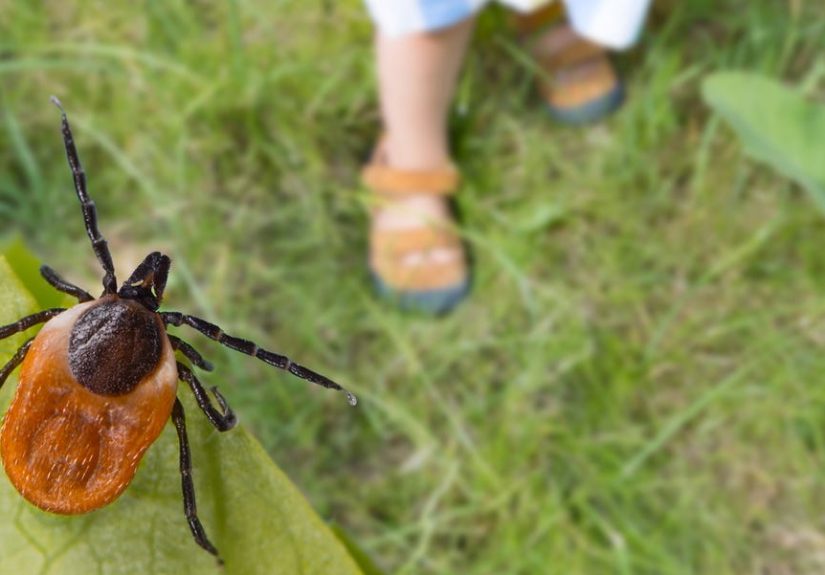
Lyme disease is a bacterial infection transmitted by infected blacklegged ticks, sometimes called deer ticks. These ticks are tiny, especially in the nymph stage, when they can be about the size of a poppy seed. That means a tick can attach to the skin, feed, and leave before you ever notice it. Nature really did not need to make disease-carrying bugs this sneaky, but here we are.
In the U.S., Lyme disease is most common in the Northeast, Mid-Atlantic, and upper Midwest, though risk can exist in other areas as tick ranges change and people travel. Symptoms may appear in stages, but the stages can overlap. Some people move from early symptoms to later complications without a neat timeline, while others have mild symptoms that are easy to brush off.
Stage 1: Early Localized Lyme Disease Symptoms
Early localized Lyme disease typically develops within 3 to 30 days after an infected tick bite. This is the stage when treatment is often simplest and recovery is usually fastest. Unfortunately, it is also the stage most likely to be mistaken for something ordinary.
The Classic Rash: Erythema Migrans
The most recognizable sign of Lyme disease is the erythema migrans rash. It often starts near the tick bite and expands gradually over several days. Many people picture a perfect bull’s-eye, but Lyme rashes are not always auditioning for a medical textbook. They may appear as a solid red patch, an oval area, a bluish-red blotch, or a warm expanding rash without obvious rings.
The rash is usually not painful and may not itch much. That is one reason it can be missed, especially if it appears on the scalp, back, behind the knee, groin, armpit, or another place you do not inspect with the enthusiasm of a detective holding a magnifying glass.
Flu-Like Symptoms
Early Lyme disease symptoms can include fever, chills, headache, fatigue, muscle aches, joint pain, swollen lymph nodes, and general malaise. The fatigue can feel deeper than normal tiredness, as if your body has opened 47 browser tabs and none of them are responding.
These symptoms may happen with or without a rash. That matters because many people assume no bull’s-eye means no Lyme disease. In reality, some people never notice a rash at all.
Lesser-Known Early Signs of Lyme Disease
Some Lyme disease symptoms are subtle, odd, or easy to explain away. Lesser-known early signs may include a stiff neck, light sensitivity, mild dizziness, sleep disruption, unusual irritability, or migrating aches that seem to move from one joint or muscle group to another.
Another overlooked clue is feeling unusually wiped out after mild activity. A person may say, “I only walked around the block, so why do I feel like I carried a refrigerator uphill?” While fatigue has many causes, when it appears after possible tick exposureespecially with fever, rash, or body achesit deserves attention.
Stage 2: Early Disseminated Lyme Disease Symptoms
If Lyme disease is not treated early, the bacteria can spread to other parts of the body. Early disseminated Lyme disease often appears weeks after the bite, sometimes around 3 to 10 weeks later. Symptoms may become more widespread and more concerning.
Multiple Rashes
Instead of one expanding rash, some people develop multiple rashes on different parts of the body. These may be smaller than the original rash and may not look like bull’s-eyes. Multiple expanding rashes can be an important clue that the infection has spread through the bloodstream.
Facial Palsy
Lyme disease can affect the nerves and cause facial palsy, which means weakness or drooping on one or both sides of the face. A person may have trouble smiling evenly, closing one eye, or controlling facial muscles. Because facial drooping can also signal a stroke, sudden facial weakness should be treated urgently.
Nerve Pain, Tingling, and Numbness
Neurologic Lyme disease can cause shooting pains, numbness, tingling, burning sensations, or weakness. Some people describe nerve pain that wakes them at night or feels electric. Others may notice pain traveling down the arms, legs, back, or ribs.
Headache and Neck Stiffness
Severe headache, neck stiffness, sensitivity to light, or confusion may suggest inflammation involving the nervous system. These symptoms require prompt medical evaluation. Not every headache after a tick bite is Lyme disease, of course; sometimes a headache is just your body asking for water and fewer emails. But severe or unusual symptoms should not be ignored.
Heart Symptoms
Lyme carditis is an uncommon but serious complication that can affect the heart’s electrical system. Warning signs may include palpitations, chest pain, shortness of breath, lightheadedness, fainting, or an unusually slow heartbeat. These symptoms need urgent medical care.
Stage 3: Late Lyme Disease Symptoms
Late Lyme disease can develop months after infection if the illness is not diagnosed and treated. The most common late manifestation is Lyme arthritis, often involving large joints.
Lyme Arthritis
Lyme arthritis often causes swelling, warmth, and pain in one or more large joints, especially the knee. The swelling may be dramatic, sometimes more impressive than the pain itself. A knee may look like it is storing snacks for winter, yet the person may still be able to walk.
Joint symptoms can come and go. One week the knee is swollen, the next week it improves, then it returns like an unwanted subscription renewal. Persistent or recurrent joint swelling after possible tick exposure should be evaluated.
Late Neurologic Symptoms
Late Lyme disease can sometimes involve ongoing nerve symptoms, memory trouble, concentration problems, numbness, or pain. These symptoms overlap with many other conditions, so diagnosis should be based on a careful medical history, exam, exposure risk, and appropriate testing.
Why Lyme Disease Symptoms Are Often Missed
Lyme disease can be missed for several reasons. First, ticks are tiny and bites are often painless. Second, the rash may be absent, hidden, or atypical. Third, early symptoms resemble viral infections, stress, autoimmune flares, or ordinary aches. Fourth, many people do not connect symptoms with a tick bite because they never saw the tick.
Skin tone can also affect recognition. On darker skin, redness may appear purple, brown, grayish, or subtly darker than surrounding skin. A rash may be easier to feel as warmth or swelling than to see clearly. Good lighting and checking for expansion over time can help.
Children may describe symptoms differently. Instead of saying “joint pain” or “fatigue,” a child may become cranky, refuse sports, nap more, limp, complain of headaches, or say their legs feel “weird.” Adults should pay attention to behavior changes after outdoor exposure.
Testing: Why a Negative Test Early On Does Not Always End the Story
Lyme disease blood tests look for antibodies, not the bacteria directly. In the first few weeks after infection, the body may not have produced enough antibodies to show up. That means early tests can be falsely negative, especially when a person already has a classic erythema migrans rash.
Healthcare professionals often diagnose early Lyme disease clinically when the rash is typical and exposure risk fits. Later in the illness, antibody testing is generally more useful. A positive test should also be interpreted carefully because antibodies can remain after an old infection has been treated.
In plain English: Lyme testing is helpful, but it is not a magic eight ball. Symptoms, geography, timing, exam findings, and exposure history all matter.
When to Contact a Doctor
Contact a healthcare professional if you develop an expanding rash, fever, chills, fatigue, headache, muscle aches, joint pain, swollen lymph nodes, facial weakness, nerve pain, or unusual symptoms after a tick bite or possible tick exposure.
Seek urgent care for chest pain, fainting, shortness of breath, severe headache, stiff neck, confusion, sudden facial drooping, weakness, or a very swollen painful joint. These symptoms may have causes other than Lyme disease, but they should not be handled with “let’s see how it looks after the weekend.”
Treatment: What Usually Happens
Lyme disease is treated with antibiotics. Commonly used options include doxycycline, amoxicillin, or cefuroxime axetil, depending on age, pregnancy status, allergies, symptoms, and the body systems involved. Early treatment usually leads to faster and more complete recovery.
Some people have fatigue, pain, or difficulty thinking after treatment. This is sometimes called post-treatment Lyme disease syndrome. Researchers are still studying why it happens. Current evidence does not support routine long-term antibiotics for persistent symptoms, because extended antibiotic use can carry serious risks. People with ongoing symptoms should work with a clinician to evaluate other possible causes and build a safe recovery plan.
What to Do After a Tick Bite
If you find an attached tick, remove it promptly with fine-tipped tweezers. Grasp it close to the skin and pull upward with steady pressure. Avoid twisting, burning, painting it with nail polish, or trying to scare it out with folklore. Ticks are not impressed by drama.
Clean the bite area and your hands afterward. Consider taking a clear photo of the tick or saving it in a sealed container for identification. Write down the date, where on the body it was attached, and where you may have picked it up. Watch for symptoms over the next several weeks.
Prevention Tips That Actually Fit Real Life
To reduce your risk, use EPA-registered insect repellent, wear long sleeves and pants in tick-heavy areas, walk in the center of trails, shower after outdoor activity, and do full-body tick checks. Check pets, gear, socks, shoes, waistbands, behind ears, behind knees, and the hairline. Ticks enjoy hiding in inconvenient places because apparently they also have a flair for interior design.
Putting clothes in a dryer on high heat can help kill ticks on dry clothing. Around the yard, keeping grass trimmed, clearing leaf litter, and creating barriers between wooded areas and play spaces may reduce tick habitat.
Experience-Based Insights: What People Often Notice Before They Realize It Is Lyme
Many real-world Lyme disease stories begin with a sentence like, “I thought I was just tired.” That is the trouble with early Lyme symptoms: they can sound boring. A person may feel unusually exhausted after a normal day, blame it on poor sleep, drink extra coffee, and keep going. Then the headache arrives. Then the chills. Then the body aches. Still, because there is no dramatic rash or obvious tick bite, Lyme disease may not make the suspect list.
Consider a common scenario: someone spends a weekend hiking, doing yardwork, or visiting a wooded cabin. A week later, they feel flu-ish but have no cough or sore throat. Their knees ache, their neck feels stiff, and they are so tired they consider negotiating with the laundry basket. If they live in or traveled to a Lyme-prone area, that cluster of symptoms matterseven if they never saw a tick.
Another experience people describe is the “mystery rash.” It may not look like a bull’s-eye. It may be a plain expanding red patch on the thigh, a dusky oval on the hip, or a warm area on the back that a spouse notices first. Some people assume it is a spider bite, allergic reaction, bruise, or irritation from clothing. A useful clue is expansion. A small irritated spot that steadily grows over days deserves attention, especially after outdoor exposure.
Parents often notice Lyme disease differently in children. A child may stop wanting to run, complain that “my legs are tired,” develop headaches, nap more than usual, or seem unusually emotional. A knee may swell weeks later, long after everyone has forgotten the camping trip. In children, a limp or swollen joint should never be dismissed as ordinary growing pains without considering the full picture.
Adults with later symptoms sometimes describe frustration because their complaints seem disconnected: one week it is knee swelling, another week it is nerve tingling, another week it is brain fog. They may feel as if their body is sending postcards from different departments. The key lesson is pattern recognition. Symptoms that move, recur, or appear after possible tick exposure should be discussed with a healthcare professional.
The most helpful experience-based habit is simple documentation. Take photos of rashes with dates. Mark the rash edge lightly with a pen to see whether it expands. Write down fever, fatigue, joint swelling, neurologic symptoms, and outdoor exposure. This record can help a clinician make sense of symptoms that otherwise feel random. Lyme disease is easier to address when the clues are gathered early.
Conclusion
Lyme disease symptoms can be straightforward, sneaky, or somewhere in between. The classic bull’s-eye rash is useful when it appears, but it is not the whole story. Early symptoms may include fatigue, fever, chills, headache, body aches, swollen lymph nodes, and an expanding rash. Later symptoms can involve multiple rashes, facial palsy, nerve pain, heart rhythm problems, severe headaches, and swollen joints.
The best approach is awareness without panic. Check for ticks after outdoor activity, remove attached ticks promptly, monitor symptoms, and seek medical care when warning signs appear. Early diagnosis and treatment can prevent many complicationsand spare you from playing a long, unpleasant game of “Is it Lyme or just Tuesday?”