
Table of Contents >> Show >> Hide
- What Is Masseter Botox?
- Why People Get Masseter Botox
- How It Works (Without a Biology Lecture That Puts You to Sleep)
- Is Masseter Botox FDA-Approved?
- Who’s a Good Candidate (And Who Should Pause)
- What Happens at the Appointment
- Timeline: When You’ll Notice Results
- How Many Units Are Used?
- Side Effects and Risks
- Long-Term Considerations: What We Know (And What We’re Still Figuring Out)
- Aftercare: Small Things That Help
- Cost and Insurance: What to Expect in the U.S.
- How to Choose a Provider (Your Jaw Deserves Better Than a “Botox Party”)
- FAQs
- Experiences Related to Masseter Botox (About )
- SEO Tags
If your jaw has been auditioning for a role as “World’s Most Determined Nutcracker,” you’re not alone. A lot of us clench when we’re stressed, grind at night,
or simply have naturally strong masseter muscles (the main chewing muscles at the sides of your jaw). Enter masseter Botoxa treatment that can
soften jaw tension, reduce teeth grinding-related discomfort for some people, and (yes) sometimes create a slimmer-looking lower face.
But let’s keep it real: masseter Botox is not a magical jawline coupon code. It’s a medical procedure using a prescription medication (botulinum toxin),
and while it’s widely performed, it’s often off-label when used for jawline slimming or TMJ-related symptoms. The smartest approach is understanding
what it can do, what it can’t, and what “normal” looks like after you get it.
What Is Masseter Botox?
“Masseter Botox” is a shorthand for injecting a neuromodulator (commonly onabotulinumtoxinA, aka Botox) into the masseter muscles.
The goal is to temporarily reduce how strongly those muscles contract. Over time, if the muscle is used less forcefully, it can also become a bit smaller,
which is why people may notice a softer, less square jaw shape.
Providers may use different FDA-approved botulinum toxin products (for other indications) in the masseter area. What matters most is that it’s administered
by a licensed, trained medical professional using legitimate, properly handled product.
Why People Get Masseter Botox
1) Jaw clenching and teeth grinding (bruxism)
Bruxism is the “I’m fine” of the jaw world: you might not notice you’re doing it until you wake up with sore cheeks, a tight jaw, or a headache that feels like
a marching band set up camp behind your eyes. Some studies suggest botulinum toxin injections into chewing muscles can reduce pain and muscle activity in certain
cases, but research quality varies and it isn’t considered a universal first-line treatment.
Many clinicians still start with basics like night guards, stress management, sleep hygiene, and dental evaluationthen consider injections as an add-on when symptoms
persist or when muscle overactivity is a major driver.
2) TMJ/TMD symptoms (jaw pain, tightness, sometimes headaches)
Temporomandibular disorders (TMD) have multiple causesjoint issues, muscle issues, bite factors, posture, injury, and more. Botox may help when muscle
overactivity is part of the problem, but it’s typically described as a supplemental option rather than a cure-all. If your pain is mainly from the joint
itself (not the muscle), results may be limited.
3) Cosmetic jawline slimming (masseter reduction)
If you have a broader lower face due to prominent masseter muscles (often called masseter hypertrophy), relaxing the muscle can reduce its bulk over
time. This can soften a square jaw shape and create a more tapered look. Important caveat: if your jawline looks wide because of bone structure, parotid gland size,
or facial fat distribution, masseter Botox may have minimal impact.
4) “My face feels like it’s been chewing gum professionally”
Some people seek masseter Botox for daily jaw fatiguetightness at the angle of the jaw, a habit of clenching during work, or soreness after long conversations.
Whether injections make sense depends on what’s driving that tightness and whether less invasive fixes have been tried.
How It Works (Without a Biology Lecture That Puts You to Sleep)
Botulinum toxin works by reducing the release of acetylcholine at the neuromuscular junction. Translation: the muscle gets a “calm down” memo and contracts less
forcefully for a period of time. Because the masseter is a chewing muscle, the most noticeable functional change is often that tough foods feel tougher
for a little whileespecially if a higher dose is used.
Over weeks, a less-active muscle can shrink slightly. That’s why “jaw slimming” results typically take longer than wrinkle-smoothing results elsewhere on the face.
Is Masseter Botox FDA-Approved?
Botox and other botulinum toxin products are FDA-approved for several medical and cosmetic indications (like certain wrinkles, chronic migraine, spasticity, and more).
However, masseter injections for jaw slimming or TMJ-related symptoms are commonly off-label. Off-label use is legal and can be appropriate when a trained
clinician believes it’s beneficial, but it also means the exact use isn’t an FDA-approved indication and insurance coverage is less predictable.
Who’s a Good Candidate (And Who Should Pause)
You may be a good candidate if:
- You have masseter hypertrophy (your masseters visibly bulge when you clench).
- You clench or grind and have muscle-driven jaw soreness.
- You’ve tried conservative options (like a night guard) and still struggle.
- You want a non-surgical way to soften a square-looking jaw caused mainly by muscle size.
You should be extra cautious or avoid it if:
- You have an active infection at the planned injection site.
- You’ve had a prior severe allergic reaction to botulinum toxin products.
- You have certain neuromuscular disorders (your clinician should screen for this).
- You already have significant difficulty swallowing or breathing issues (risk discussion matters).
- You’re pregnant or breastfeeding (many providers avoid elective toxin treatment due to limited data).
A qualified clinician will also evaluate whether your jaw symptoms could be dental, joint-based, or related to other conditions that need different treatment.
What Happens at the Appointment
Step 1: Assessment
Expect your provider to feel the masseter while you clench, check symmetry, and discuss your goals: pain relief, reduced clenching, cosmetic contouring, or a mix.
This is also where you talk about your bite, dental history, TMJ symptoms, headaches, and any medications.
Step 2: Injection mapping
Masseter Botox typically involves multiple small injections per side. Providers avoid areas that could affect your smile muscles and aim for the thickest part of the
masseter. The exact injection pattern and dose depend on anatomy, product used, and goals.
Step 3: The injections
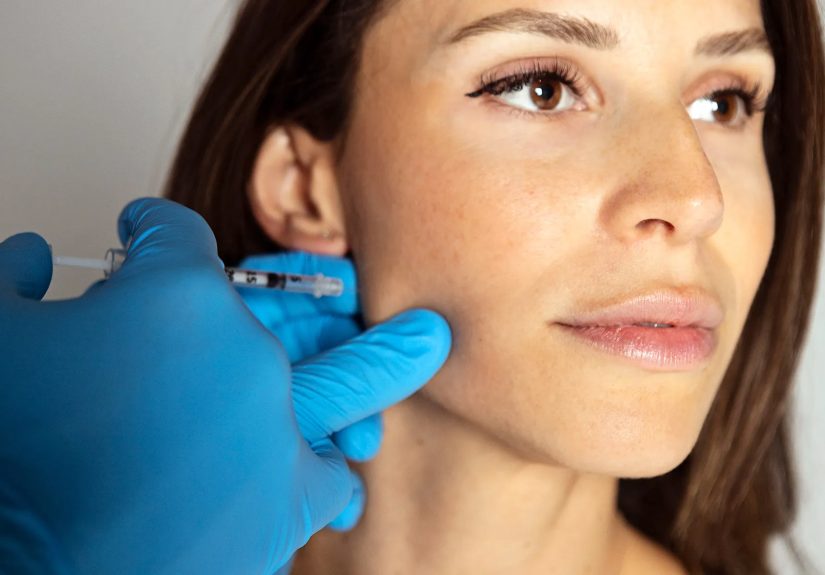
The injection process is quick (often minutes). Discomfort is usually mildmore “pinch” than “plot twist.” Some providers use ice, vibration tools,
or topical numbing to make it easier.
Timeline: When You’ll Notice Results
- Same day: Possible tenderness, mild swelling, or tiny bumps at injection sites.
- 2–7 days: Early changes in clenching strength or tension (varies).
- 2–4 weeks: Peak functional effect for many people; cosmetic contouring may begin to show.
- 4–8 weeks: Cosmetic “slimming” is often clearer as muscle bulk reduces.
- About 3–4 months: Many people notice the effect fading and consider maintenance.
Some patients find that after a few rounds, they can stretch the time between treatments because the clenching habit decreases and the muscle stays less bulky.
Others need consistent maintenance. Bodies are wonderfully inconsistent like that.
How Many Units Are Used?
Dosing varies widely based on your muscle size, product choice, and whether the goal is pain relief, contouring, or both. Many plastic surgery practices describe
masseter treatments requiring a relatively higher amount of neurotoxin compared with small wrinkle areas. A clinician should explain your dose and why it fits your anatomy.
One important safety detail: units are not interchangeable across products. Botox units and Dysport units are not a 1:1 swap, and your provider should
be fluent in the differences.
Side Effects and Risks
Most side effects are temporary and localized, but you should know the full menuespecially because this is a chewing muscle, not a forehead line.
Common, usually mild effects
- Bruising, swelling, tenderness, or soreness at injection sites
- Headache or flu-like feelings (less common)
- Jaw fatigue for a few days
Functional effects (the “I didn’t think about steak” category)
- Temporary chewing weakness, especially with tough or chewy foods
- Changes in how your bite feels for a short period (often due to muscle balance shifting)
Aesthetic effects (usually technique- and anatomy-dependent)
- Smile asymmetry if nearby muscles are affected
- A slightly “softer” lower face that some people loveand others interpret as less sharp
- In some cases, skin may look a bit looser if muscle bulk decreases quickly
Rare but serious risks
Botulinum toxin products carry a boxed warning about distant spread of toxin effect. Serious symptoms (reported hours to weeks after injection) can include
swallowing or breathing difficulties and generalized muscle weakness. These severe reactions are uncommon in cosmetic dermatologic use at labeled doses, but the warning exists
for a reason: it’s a potent medication and should be treated like one.
Counterfeit or unapproved product risk (a very real 2025 problem)
There have been FDA actions and public warnings about counterfeit or unapproved “Botox” sold online and used in unsafe settings. This is one of the strongest arguments for
getting injected only by a licensed, reputable medical professional who sources product through legitimate channels.
Long-Term Considerations: What We Know (And What We’re Still Figuring Out)
Masseter Botox has a long track record in aesthetic medicine and therapeutic use for muscle overactivity, but certain long-term questionsespecially with repeated, high-dose
masticatory muscle injectionsare still being researched.
Mandibular bone and muscle changes
Because the masseter helps load the jawbone during chewing, researchers have looked at whether reducing masseter force over time could affect mandibular bone. Some studies and
reviews suggest changes may occur, but the clinical significance for typical cosmetic dosing schedules in healthy adults is not fully settled.
Balance matters
Your chewing system is a team sport. If the masseter relaxes, other muscles (like temporalis) may do more work, which is one reason some providers evaluate the whole pattern
of clenching rather than treating the masseter in isolation.
Aftercare: Small Things That Help
- Don’t rub or massage the treated area right after injections.
- Skip intense exercise for the rest of the day if your provider advises it.
- Stay upright for a few hours (common guidance).
- If you’re sore, stick to softer foods brieflyyour jaw is adjusting.
- Call your provider if you notice unusual weakness, trouble swallowing, or breathing issues.
Cost and Insurance: What to Expect in the U.S.
Cost depends on location, provider expertise, the product used, and (especially) how many units you need. In the U.S., masseter Botox is often priced per unit or per area.
Cosmetic jaw slimming is typically out-of-pocket. If injections are used as part of treatment for significant jaw pain or bruxism-related issues, coverage is still inconsistent
and often requires documentationso assume you may pay yourself unless your insurer explicitly confirms otherwise.
How to Choose a Provider (Your Jaw Deserves Better Than a “Botox Party”)
- Look for a board-certified dermatologist, plastic surgeon, facial plastic surgeon, or appropriately trained medical professional.
- Ask what product they’re using and how it’s sourced.
- Ask how they assess masseter hypertrophy vs other causes of a wide jaw.
- Make sure they discuss risks, dosing, and realistic outcomesnot just “snatched.”
FAQs
Will I be able to chew normally?
Most people chew normally, but tougher foods can feel harder for a few weeks, especially if higher doses are used. If you do a lot of gum chewing or love beef jerky,
you may need a brief break (your jaw will forgive you).
Does it change my smile?
It shouldn’t when done correctly, but technique matters. If toxin affects nearby muscles, temporary asymmetry can occur. This is another reason to choose an experienced injector.
Is it permanent?
No. The effect wears off over months. If you stop, muscle activity gradually returns to your baseline.
Can it help headaches?
Some people with clenching-related headaches report improvement when jaw tension decreases. But headaches have many causes, so it’s not a guaranteed fix.
Experiences Related to Masseter Botox (About )
People’s experiences with masseter Botox tend to fall into a few recognizable storylinesdifferent goals, similar “oh, that’s what my jaw was doing” moments.
Here are real-world patterns patients commonly describe (shared as informational examples, not medical advice).
The Night Grinder: One common experience is realizing how much nighttime grinding was affecting the morning. People in this group often say the first sign
of improvement isn’t a slimmer jawlineit’s waking up without that tight, clenched “jaw workout” feeling. A few describe their first couple of weeks as “odd but manageable,”
especially with chewy foods. Then, they notice fewer tension headaches, less tooth soreness, and fewer “why does my face hurt?” mornings. The best outcomes usually happen
when injections are paired with basics like a properly fitted night guard and stress reduction strategies. The injection helps the muscle stop overfiring; the lifestyle changes
help keep it from auditioning for the overachiever Olympics again.
The Desk-Clencher: This is the person who doesn’t grind at night but clamps down while answering emails like each subject line is a personal attack.
Their experience often includes a surprising emotional benefit: once the jaw relaxes, they notice the rest of their body unclenching tooshoulders drop, face softens,
and they stop “holding tension” all day. They’ll often say, “I didn’t realize how tense I was until I wasn’t.” The flip side is that some desk-clenchers feel temporary
fatigue when eating crunchy salads or thick sandwiches. For them, planning softer meals for a few days can make the transition feel smoother.
The Jawline Optimizer: People seeking cosmetic contouring often describe a slower-burn payoff. In the first week or two, they may think nothing happened.
Around weeks three to six, photos start to look differentespecially from the front, where the lower face can appear less wide. Many also notice a side benefit: less
jaw tension. The most satisfied patients tend to be the ones whose injector explained anatomy clearly: Botox can reduce muscle bulk, but it won’t reshape bone. Another
common note is balancesome people love a softer angle, while others prefer a stronger jawline and choose a lighter dose or fewer maintenance sessions.
The “I Just Want Relief” TMJ Crowd: For muscle-driven jaw pain, some describe masseter Botox as taking the edge offless aching, fewer flare-ups,
and improved comfort during stress. Others report partial improvement or no change, especially when their symptoms are more joint-based or linked to broader issues.
A frequent theme is that the most helpful consultations include a full plan: physical therapy, dental input, posture and ergonomic tweaks, and injections as one toolnot
the entire toolbox.
Across these experiences, the “good” version usually includes: a skilled injector, realistic expectations, and follow-up. The “bad” version usually includes: bargain
shopping, unclear product sourcing, and letting someone who learned anatomy from vibes go anywhere near your chewing muscles. Your jaw has been carrying you through life.
It deserves professional handling.







 Close
Close