
Table of Contents >> Show >> Hide
- Why “Lucky Foods” Are a Thing (and Why It’s Actually Kinda Brilliant)
- 15 Lucky New Year Foods (What They Symbolize + Easy Ways to Eat Them)
- 1) Black-Eyed Peas
- 2) Collard Greens (or Any Leafy Greens)
- 3) Cornbread
- 4) Pork
- 5) Sauerkraut (and Cabbage)
- 6) Lentils
- 7) Grapes (The “12 Grapes” Tradition)
- 8) Long Noodles
- 9) Whole Fish
- 10) Dumplings
- 11) Mandarin Oranges (and Other Citrus)
- 12) Pomegranates
- 13) Rice (Especially in a “Prosperity Bowl”)
- 14) Rice Cakes (Like Korean New Year Rice Cake Soup)
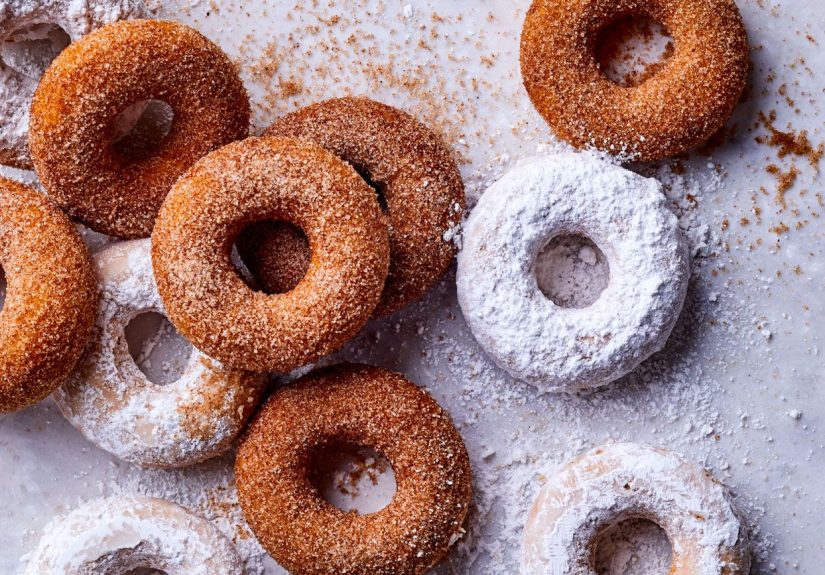
- 15) Ring-Shaped Baked Goods (Bundt Cake, Doughnuts, Bagels, or a Lucky Coin Cake)
- How to Build a “Lucky” New Year Menu Without Stressing Yourself Out
- Real-Life Moments: 500+ Words of Lucky-Food “Experiences” You Can Steal for Your Own Tradition
- Conclusion: Make Luck Delicious
New Year’s resolutions are great and all, but have you tried eating your way into prosperity? Across the U.S. (and way beyond it),
people kick off January 1 with “lucky” foodsdishes that symbolize wealth, health, longevity, and overall good vibes for the months ahead.
Is it scientifically proven? No. Is it delicious, cozy, and an excellent excuse to start the year with carbs? Absolutely.
Think of these foods as edible optimism. Some are chosen because they look like money (coins, bills, gold), some because they’re linked to
“moving forward,” and some because tradition says soand tradition is basically peer pressure from your ancestors.
Why “Lucky Foods” Are a Thing (and Why It’s Actually Kinda Brilliant)
The logic behind New Year’s luck foods is surprisingly consistent across cultures:
- Greens = cash: leafy greens resemble paper money.
- Beans and lentils = coins: small, round legumes echo wealth and abundance.
- Gold-colored foods = prosperity: cornbread, citrus, and ring-shaped cakes get honorary “gold bar” status.
- Long foods = long life: noodles are the poster child for longevity.
- Forward motion = progress: certain foods symbolize moving ahead instead of backsliding.
The best part? You don’t have to “believe” in luck foods to enjoy them. You can treat them as a fun ritualone that
nudges you to gather with people you like, cook something meaningful, and start the year with intention instead of doomscrolling.
15 Lucky New Year Foods (What They Symbolize + Easy Ways to Eat Them)
1) Black-Eyed Peas
In many Southern U.S. households, black-eyed peas are the headliner of New Year’s Day. They’re often associated with good luck and
prosperityespecially when served in classic dishes like Hoppin’ John.
Try it: Simmer with onion, garlic, and smoked turkey (or keep it vegetarian with veggie broth and spices). Serve with rice for a full “prosperity bowl.”
2) Collard Greens (or Any Leafy Greens)
Collards, mustard greens, kaleif it’s green and leafy, it’s basically a symbolic paycheck. Greens are a classic “money” food,
and they pair beautifully with beans and cornbread.
Try it: Cook low and slow with broth, onion, and a splash of vinegar. Add a pinch of red pepper flakes for a little “spicy luck.”
3) Cornbread
Cornbread is often called the “gold” of the New Year’s table thanks to its warm yellow color. Plus, it’s comforting, filling,
and an excellent sponge for potlikker (that flavorful liquid left behind after cooking greens).
Try it: Bake a skillet cornbread and drizzle with honey for a sweet-start bonus.
4) Pork
Pork shows up in New Year traditions for a bunch of reasons, but a popular theme is progress: pigs root forward. The symbolism is basically:
“We’re moving ahead this yearno moonwalking into old drama.”
Try it: Roast pork loin, slow-cooker pulled pork, or even a simple pork chop situation. Pair it with sauerkraut for a classic combo in parts of the U.S.
5) Sauerkraut (and Cabbage)
In Pennsylvania and other regions influenced by German and Pennsylvania Dutch traditions, pork and sauerkraut is a famous New Year’s meal.
Cabbage is also linked to prosperity because it’s leafy and greenlike, you guessed it, money.
Try it: Warm sauerkraut with apples and onions. Serve alongside pork, or tuck it into a sandwich for low-effort luck.
6) Lentils
Lentils are a big deal in Italian New Year celebrations because they resemble coins. The idea is simple: eat coin-shaped foods,
invite prosperity. It’s financial vision boarding… but stew.
Try it: Make lentil soup with carrots, celery, and thyme. Or serve lentils with sausage for a hearty, celebratory vibe.
7) Grapes (The “12 Grapes” Tradition)
In a beloved tradition that started in Spain and spread widely through Spanish-speaking communities, people eat 12 grapes
at midnightone for each monthoften making a wish as they go. It’s part snack, part speed challenge, part “don’t choke, this is for luck.”
Try it: Use small seedless grapes. If you’re hosting, set out a pre-counted cup of 12 per person (because counting grapes at 11:59 p.m. is chaos).
8) Long Noodles
Long noodles symbolize longevity in several Asian traditions. The general rule of thumb: the longer the noodle, the longer the life.
(So yes, this is your sign to avoid cutting them into tiny pieces like you’re prepping for noodle kindergarten.)
Try it: Make longevity noodles with garlic, mushrooms, and greens. Or do Japanese-style year-crossing soba if you want something lighter.
9) Whole Fish
Fish is often linked to abundance and prosperityplus it swims forward, which fits the “new year, forward motion” theme.
In some Chinese traditions, fish is also associated with surplus.
Try it: Roast a whole fish with lemon and herbs, or keep it simple with fillets if your grocery store’s “whole fish” aisle feels intimidating.
10) Dumplings
Dumplings are eaten for luck in Lunar New Year traditions, often because they resemble ancient ingotsaka money in snack form.
They’re also a perfect food for gathering: everyone folds, chats, laughs, and argues about the “right” amount of filling.
Try it: Buy frozen dumplings for convenience and pan-fry for crispy bottoms (a.k.a. “golden luck”). Serve with a dipping sauce of soy sauce, vinegar, and chili oil.
11) Mandarin Oranges (and Other Citrus)
Mandarin oranges are a Lunar New Year classic, tied to good fortune and prosperity through symbolism (color, shape) and wordplay in Chinese languages.
Plus, they’re bright and cheerfulbasically edible sunshine during the darkest part of winter.
Try it: Put a bowl of mandarins on the table and snack all day. Bonus points for gifting them to guests as they leave.
12) Pomegranates
Pomegranates symbolize abundance because they’re packed with seeds. They also show up in New Year traditions in Greek culture,
where the fruit is tied to good fortune and prosperity. Even if you skip the ritual, the symbolism still tastes great.
Try it: Sprinkle seeds on salads, yogurt, or roasted vegetables. It’s like confetti you can eat.
13) Rice (Especially in a “Prosperity Bowl”)
Rice is a global staple often associated with abundancepartly because it feeds a crowd and partly because it’s literally a “grain of plenty.”
In the U.S., rice often shows up with black-eyed peas (hello again, Hoppin’ John).
Try it: Build a New Year prosperity bowl: rice + beans/peas + greens + a protein. Easy, budget-friendly, and symbolic enough to make your aunt proud.
14) Rice Cakes (Like Korean New Year Rice Cake Soup)
In Korean New Year traditions, rice cakes are a mustoften served in a warm soup that signals a fresh start and a new year of growth.
The shape of sliced rice cakes can also connect to “coin-like” symbolism.
Try it: If you can find sliced rice cakes at an Asian grocery store, make a simple broth and add eggs, scallions, and dumplings for a festive bowl.
15) Ring-Shaped Baked Goods (Bundt Cake, Doughnuts, Bagels, or a Lucky Coin Cake)
Round and ring-shaped foods symbolize “coming full circle,” continuity, and prosperity. Some traditions even tuck a coin into a cake
(whoever finds it gets extra good luckplus the responsibility of not biting down like a cartoon character).
Try it: Bake a bundt cake, serve doughnuts at brunch, or try a “lucky coin” cake tradition with a clearly wrapped coin (safety first, fortune second).
How to Build a “Lucky” New Year Menu Without Stressing Yourself Out
You don’t need all 15 foods on one plate (unless you’re training for the New Year’s Day Buffet Olympics). A simple, symbolic menu could be:
- Classic Southern: black-eyed peas + greens + cornbread
- PA Dutch-inspired: pork + sauerkraut + a side of potatoes
- “Midnight luck” snack: 12 grapes + sparkling water (or champagne, if you’re fancy)
- Lunar New Year crossover: dumplings + long noodles + mandarins
The real “secret ingredient” is consistency: make it a ritual you look forward to. That’s how traditions stickone cozy meal at a time.
Real-Life Moments: 500+ Words of Lucky-Food “Experiences” You Can Steal for Your Own Tradition
I don’t have personal experiences (I’m a chat model, not your cousin who “accidentally” ate 24 grapes at midnight and blamed destiny),
but I can tell you what people commonly describeand help you turn those ideas into your own memorable New Year ritual.
One of the most popular “luck food” experiences is the quiet morning kitchen on January 1. The holiday rush is over,
the world is a little softer, and someoneoften the designated family cookstarts a pot of beans or lentils like they’re lighting a comforting candle.
The smell becomes the soundtrack of the day: onions sizzling, broth simmering, greens steaming down from “mountain” to “reasonable side dish.”
The symbolism is nice, sure, but the deeper experience is this: you’re starting the year by nurturing yourself and other people.
Another classic is the New Year’s “build-your-own luck bowl” situation. Imagine a table with rice, black-eyed peas,
greens, cornbread, and toppings like hot sauce, vinegar, scallions, and shredded cheese. People assemble their bowls like they’re designing
their own year: “More greens, pleaseI’m manifesting promotions,” or “Extra cornbread because I deserve joy.” It gets playful fast, and
playfulness is an underrated tradition. It lowers the pressure and makes the ritual something kids actually remember (instead of “that time
adults talked about interest rates for three hours”).
If you’re hosting, the 12 grapes moment is an instant memory-maker. Guests line up their grapes, laugh nervously,
and suddenly everyone is cheering for each other at midnight like it’s the Olympics of tiny fruit. Someone always finishes early and starts
coaching others (“Chew faster!”), and someone else inevitably drops a grape and declares, “That one was February, and honestly, that tracks.”
The trick is to keep it safe: small seedless grapes, no rushing kids, and a “do your best” vibe instead of a “gulp like a pelican” vibe.
For a more hands-on tradition, try a dumpling-folding hangout. People say this feels less like cooking and more like
building community. You put out wrappers, filling, a little bowl of water to seal the edges, and suddenly everyone has a job. The perfectionists
make museum-quality dumplings. The beginners make “modern art dumplings” that taste great anyway. While you fold, you talkabout the year that
passed, what you learned, what you hope for. The food becomes a reason to slow down and actually connect.
Finally, there’s the experience of making lucky foods your own. Some people grew up with pork and sauerkraut, others with
black-eyed peas, others with noodles or citrus. The most meaningful New Year tables often mix traditions: greens next to dumplings, lentil soup
alongside cornbread, mandarins on the counter, pomegranate seeds scattered like edible fireworks. That mashup doesn’t “ruin” traditionit reflects
real life. And if the point of these foods is to welcome abundance, then variety on the table is kind of the whole message.
Conclusion: Make Luck Delicious
Whether you’re Team Black-Eyed Peas, Team Grapes-at-Midnight, or Team “I’ll take any luck available in casserole form,” lucky New Year foods
are a joyful way to begin again. Pick a few that sound tasty, learn the meaning behind them, and let the ritual remind you of what you want:
more warmth, more abundance, more laughter, and more meals that feel like home.







 Close
Close