Table of Contents >> Show >> Hide
- Does Medicare cover blood sugar monitors?
- Which blood sugar monitoring devices Medicare covers
- What Medicare Part B pays for
- How much testing supply Medicare covers
- Who qualifies for a Medicare-covered CGM?
- What about Medicare Advantage plans?
- Original Medicare vs. Medicare Advantage for blood sugar monitors
- What Medicare does not automatically cover
- How to get a blood sugar monitor covered by Medicare
- Examples of how coverage may work
- Common mistakes that lead to denied claims
- Real-world experiences with Medicare and blood sugar monitors
- Final takeaway
If Medicare paperwork makes your eyes glaze over faster than a stale donut at a church potluck, you are not alone. Blood sugar monitors are one of those categories that seem simple at first glanceuntil you realize Medicare separates devices, supplies, prescriptions, suppliers, and payment rules like it is organizing a very fussy sock drawer. The good news? Medicare does cover blood sugar monitoring equipment in many situations. The trick is knowing what is covered, under which part of Medicare, and what hoops you need to hop through before a claim gets paid.
If you have diabetes and need a standard blood glucose meter or a continuous glucose monitor, this guide breaks down how Medicare coverage works, what costs to expect, and where people most often get tripped up. We will also cover the difference between Original Medicare and Medicare Advantage, because that little distinction can turn a routine order into an annoying customer-service marathon.
Does Medicare cover blood sugar monitors?
Yes. In many cases, Medicare Part B covers blood sugar monitors and related supplies as durable medical equipment. That includes standard blood glucose meters, test strips, lancets, and control solutions. Part B may also cover continuous glucose monitors (CGMs) and related supplies if you meet Medicare’s eligibility requirements.
That is the short answer. The longer answer is that Medicare coverage depends on the type of device, whether your doctor prescribes it correctly, whether your supplier is enrolled in Medicare, and whether you meet the medical criteria for the equipment. In other words, Medicare is saying, “Yes, but let’s make this interesting.”
Which blood sugar monitoring devices Medicare covers
1. Standard blood glucose meters
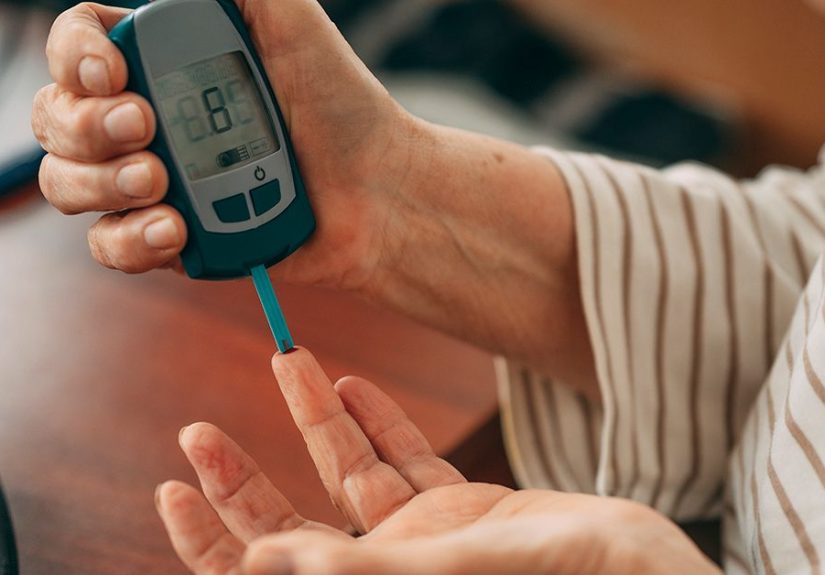
A standard blood glucose meter is the classic finger-stick device many people use at home. Medicare Part B generally covers:
- Blood glucose meters
- Blood sugar test strips
- Lancets and lancet devices
- Glucose control solutions used to check meter and strip accuracy
These supplies are covered for people with diabetes even if they do not use insulin. That matters because many people assume Medicare only helps if insulin is part of the picture. Not so. If you have diabetes and your provider prescribes home testing equipment, Medicare may help pay for it.
2. Continuous glucose monitors (CGMs)
A CGM is a wearable device that tracks glucose levels throughout the day and night. Instead of relying only on finger-stick checks, a CGM can show trends, patterns, and alerts. For many people, that can be a huge quality-of-life upgrade. Less guessing. More data. Fewer “Why do I suddenly feel weird?” moments.
Medicare Part B may cover a CGM and related supplies if your doctor or other qualified provider prescribes it and you meet eligibility rules. In general, Medicare covers CGMs for people with diabetes who are treated with insulin or who have a documented history of problematic hypoglycemia. Your provider must also determine that you, or your caregiver, have enough training to use the device properly.
What Medicare Part B pays for
Under Original Medicare, blood sugar monitoring equipment is generally handled through Part B, not Part D. That is because these items are usually treated as medical equipment and supplies rather than retail prescription drugs.
In 2026, the standard rule is this: after you meet the Part B deductible, you typically pay 20% of the Medicare-approved amount for covered durable medical equipment and supplies, as long as your supplier accepts assignment. The 2026 Part B deductible is $283.
That means Medicare usually pays 80% of the approved amount, and you pay the remaining 20%. If your supplier does not accept assignment, your costs can be higher. Translation: the cheapest-looking supplier is not always the cheapest experience.
How much testing supply Medicare covers
Medicare does not simply toss you an unlimited mountain of test strips and wish you luck. There are usual quantity limits for standard blood glucose meter supplies.
Every 3 months, Medicare may cover:
- Up to 300 test strips and 300 lancets if you use insulin
- Up to 100 test strips and 100 lancets if you do not use insulin
Medicare also generally covers one lancet device every 6 months. If you need more strips or lancets than the usual amount, Medicare may still cover them, but your doctor must document why the higher quantity is medically necessary. So yes, extra supplies are possiblebut only if the paperwork and medical record back them up.
That documentation piece is not just bureaucratic confetti. It is one of the biggest reasons claims get delayed or denied.
Who qualifies for a Medicare-covered CGM?
This is where people tend to get confused, especially because CGM rules have changed over time. Current Medicare guidance is broader than it used to be.
In general, Medicare may cover a continuous glucose monitor if all of the following are true:
- You have diabetes
- Your provider prescribes the CGM according to FDA-approved use
- Your provider confirms that you or your caregiver can use it properly
- You are insulin-treated or you have a history of problematic hypoglycemia
- You have a qualifying visit with your treating practitioner within the required timeframe before the order
That last point matters. Medicare expects your provider to evaluate your diabetes control and confirm that you meet the eligibility criteria before the CGM is ordered. Telehealth may count in certain circumstances if it is Medicare-approved.
Another helpful detail: Medicare no longer limits CGM eligibility only to people taking a certain amount of insulin per day. If you are insulin-treated, that can support eligibility. And people who do not use insulin may still qualify if they have documented problematic low blood sugar episodes.
What about Medicare Advantage plans?
Medicare Advantage plans must cover at least the medically necessary services and supplies that Original Medicare covers. So, if Original Medicare covers a qualifying blood sugar monitor or CGM, a Medicare Advantage plan must offer at least that basic level of coverage.
However, that does not mean the experience is identical. Medicare Advantage plans can have:
- Different copays or coinsurance
- Network rules
- Preferred suppliers
- Prior authorization requirements
- Plan-specific ordering and refill procedures
Original Medicare is often more straightforward on access: if the doctor and supplier are enrolled in Medicare and the item is covered, you usually move forward without a separate plan approval maze. Medicare Advantage may add more structure, which sometimes feels like “help” and sometimes feels like an obstacle course designed by a fax machine.
Original Medicare vs. Medicare Advantage for blood sugar monitors
| Coverage issue | Original Medicare | Medicare Advantage |
|---|---|---|
| Basic monitor and CGM coverage | Covered under Part B if criteria are met | Must cover at least what Original Medicare covers |
| Cost sharing | Usually 20% after Part B deductible | Varies by plan |
| Supplier choice | Any Medicare-enrolled supplier that accepts assignment | Often limited by network or plan rules |
| Prior authorization | Usually less of an issue for standard coverage | May be required for some supplies or brands |
| Out-of-pocket limit | No yearly cap unless you have supplemental coverage | Plans have an annual out-of-pocket maximum for covered services |
What Medicare does not automatically cover
Coverage is generous in many cases, but not limitless. Medicare does not simply pay for every gadget with a diabetes label slapped on the box. Some common issues include:
- Buying from a supplier that is not enrolled in Medicare
- Choosing a device brand that is not handled through your plan’s process
- Trying to get more strips or lancets without medical documentation
- Assuming pharmacy coverage and DME coverage work the same way
- Ordering a CGM without meeting the eligibility criteria
Also, do not confuse monitor coverage with medication coverage. Part B generally covers monitors and certain diabetes equipment, while Part D typically covers diabetes medications and many injection supplies. If insulin is used with a Medicare-covered durable insulin pump, that insulin is handled differently under Part B.
How to get a blood sugar monitor covered by Medicare
If you want the smoothest possible experience, follow these steps in order:
Get a proper prescription
Your doctor or other qualified provider should clearly document your diabetes diagnosis, the specific device or supplies needed, and the frequency of testing or monitoring. For CGMs, the order should reflect the device’s FDA-approved use and your qualifying medical need.
Use a Medicare-enrolled supplier
This is a big one. Medicare advises beneficiaries to make sure both the doctor and the durable medical equipment supplier are enrolled in Medicare. Ask whether the supplier accepts assignment. If the answer gets weirdly vague, that is your cue to ask again more slowly.
Confirm the refill schedule
For test strips, lancets, sensors, and transmitters, timing matters. Reorders that are too early or out of sync with Medicare’s utilization limits can cause denials.
Keep documentation current
If you need more than the usual quantity of standard testing supplies, or if you use a CGM, expect Medicare or your plan to want up-to-date chart notes. This is especially important when there are changes in treatment, episodes of hypoglycemia, or frequent testing needs.
Examples of how coverage may work
Example 1: Standard glucose meter. Maria has Type 2 diabetes and does not use insulin. Her doctor prescribes a blood glucose meter, test strips, lancets, and control solution. Under Original Medicare Part B, she may qualify for coverage of the meter and up to 100 strips and 100 lancets every 3 months, with 20% coinsurance after the Part B deductible is met.
Example 2: Higher strip usage. James does not use insulin, but his physician wants him checking more often due to unstable blood sugar readings and recent medication changes. Medicare may cover additional strips if the doctor documents why the higher quantity is medically necessary.
Example 3: CGM coverage. Denise uses insulin and has recurring overnight lows. Her provider evaluates her diabetes management, confirms she can use a CGM safely, and writes the prescription appropriately. Medicare Part B may cover the CGM and related supplies if all requirements are met.
Common mistakes that lead to denied claims
Many Medicare denials are less about the medical need and more about the paperwork. The most common problems include:
- Missing or incomplete documentation
- No clear diabetes diagnosis in the record
- No valid prescription for the device and supply quantity
- Orders that do not match refill timing or utilization rules
- Using a non-participating supplier
That may sound dry, but it can save real money. If your claim is denied, do not immediately assume Medicare never covers the item. Sometimes the problem is simply that the order was incomplete or the supplier billed it incorrectly.
Real-world experiences with Medicare and blood sugar monitors
People’s experiences with Medicare and blood sugar monitors are often surprisingly similar. The first pattern is confusion at the handoff point. Someone retires, leaves employer insurance, signs up for Medicare, and assumes their monitor will keep arriving the same way it always did. Then a supplier says the device now has to go through durable medical equipment billing instead of the pharmacy. Suddenly, a routine refill becomes a project. The person is not doing anything wrong; they are just running into the fact that Medicare has its own system, vocabulary, and timing rules.
Another common experience involves people with Type 2 diabetes who do not use insulin but still have serious blood sugar swings. In the past, many of these patients were told a CGM was basically out of reach under Medicare. More recent coverage changes have made access broader for people with documented problematic hypoglycemia. That has been a meaningful shift in real life. For some older adults, a CGM is not just a convenience item. It can help spot overnight lows, reduce fear around driving or exercise, and make caregivers feel less like they need to play detective at all hours.
Then there is the supplier issue, which deserves its own tiny award for “Most Likely to Cause Unnecessary Frustration.” A beneficiary may have a perfectly valid prescription and still hit a snag because the supplier is not enrolled in Medicare, does not accept assignment, or is out of network for a Medicare Advantage plan. The patient hears, “This item is not covered,” when the more accurate statement would be, “This item is not covered through this exact route.” That distinction matters. Sometimes the fix is changing suppliers, not changing devices.
Caregivers also tend to describe a learning curve. A spouse or adult child may help manage refills, chart notes, and doctor visits. Once they understand how Medicare thinks, the process gets easier. They learn to ask practical questions: Is the doctor’s note current? Does the prescription include testing frequency? Is the supplier billing this under Part B? Does the plan require prior authorization? Those questions may not be glamorous, but they are the difference between a smooth shipment and a three-week phone tree adventure.
Finally, many people say the emotional side is just as important as the financial side. A covered blood sugar monitor can create peace of mind. A standard meter helps people stay on track. A CGM can provide alerts, trends, and reassurance. When Medicare coverage works the way it should, people often feel more independent, more confident, and less exhausted by constant uncertainty. That is easy to overlook in policy discussions, but it is a real outcome. A monitor is not just a device. For many Medicare beneficiaries, it is part safety tool, part daily guide, and part sanity saver.
Final takeaway
Medicare does cover blood sugar monitors, but the details matter. Standard blood glucose meters, test strips, lancets, and control solutions are generally covered under Part B for people with diabetes. Continuous glucose monitors may also be covered under Part B when a beneficiary meets current eligibility requirements, including insulin treatment or documented problematic hypoglycemia.
Under Original Medicare, the usual cost is 20% of the Medicare-approved amount after you meet the Part B deductible. In 2026, that deductible is $283. Medicare Advantage plans must cover at least what Original Medicare covers, but they may use networks, prior authorization, or different cost-sharing rules.
The smartest move is to treat blood sugar monitor coverage like a three-part checklist: get the right prescription, use the right supplier, and make sure the documentation matches your real medical need. Do that, and Medicare coverage becomes a lot less mysteriousand a lot less likely to turn into a hold-music endurance contest.
Note: Medicare rules, approved amounts, and plan procedures can change. Medicare Advantage plans may have network and prior authorization rules, so always confirm coverage with your plan and supplier before ordering a device or refill.