Table of Contents >> Show >> Hide
- What Is a Medium Walnut, End-Grain Butcher Block?
- Why Walnut Wins Hearts in the First Five Seconds
- Why End-Grain Construction Is Such a Big Deal
- Why the Medium Size Is the Sweet Spot
- How It Performs in Everyday Cooking
- Maintenance: The Part Everyone Asks About
- Pros and Cons of a Medium Walnut, End-Grain Butcher Block
- What to Look for Before You Buy
- Who Should Buy One?
- Final Thoughts
- Experiences With a Medium Walnut, End-Grain Butcher Block
- SEO Tags
Some kitchen tools are pure utility. Others are decorative divas. A medium walnut, end-grain butcher block is one of those rare overachievers that manages to be both. It chops, slices, dices, and minces like a champ, while also sitting on the counter looking like it has better taste than the rest of the room. If your kitchen had a casting call for “most likely to be complimented by guests,” this board would not only audition, it would get the lead role.
That mix of beauty and performance explains why walnut butcher blocks continue to attract serious home cooks, design lovers, and anyone who has ever muttered, “I want my kitchen to look expensive without becoming emotionally attached to marble maintenance.” A medium-sized version, in particular, lands in the sweet spot. It is large enough for real prep work, yet not so massive that cleaning it feels like wrestling a coffee table in the sink.
This article breaks down what makes a medium walnut, end-grain butcher block special, how it performs in real kitchens, what kind of maintenance it actually needs, and whether it deserves a permanent place in your cooking routine. Spoiler: it probably does, provided you are willing to oil it occasionally and avoid treating it like a dishwasher-safe frisbee.
What Is a Medium Walnut, End-Grain Butcher Block?
Let’s decode the phrase, because it packs a lot into a few words.
“Medium” means practical, not puny
There is no single universal size standard for a medium butcher block, but in the market it usually refers to boards that are comfortably larger than a quick snack-prep board and smaller than an oversized carving slab. Think of it as the everyday workhorse size: roomy enough for onions, herbs, chicken breasts, citrus, and sandwich assembly, but still manageable to lift, wash, dry, and store.
“Walnut” means rich color and premium style
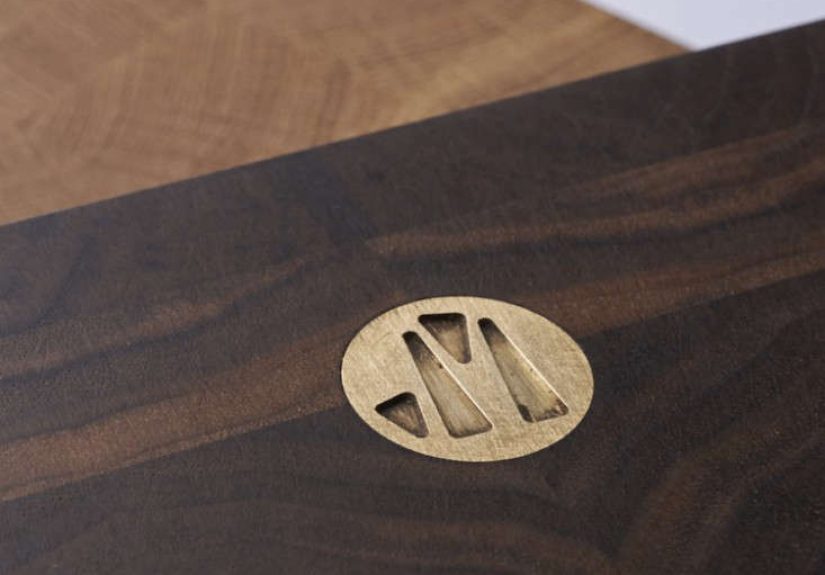
American black walnut is prized for its deep brown tones, subtle grain, and furniture-grade good looks. It tends to bring a warmer, moodier appearance than maple, which is brighter and more traditional. If maple is a crisp white button-down, walnut is the tailored dark blazer that somehow makes everything around it look more pulled together.
“End-grain” means the wood fibers face up
End-grain construction is the famous checkerboard style. Instead of long strips running across the surface, the board is built from blocks with the wood fibers standing upward. This is the cutting-board equivalent of turning a crowd into a chorus line: tidy, structured, and surprisingly graceful under pressure. The result is a surface that is known for being durable, attractive, and more forgiving on knife edges than many harder-feeling surfaces.
Why Walnut Wins Hearts in the First Five Seconds
Walnut’s biggest advantage is obvious before you even touch it: it looks fantastic. A medium walnut butcher block instantly adds depth to a kitchen. It works in modern spaces, farmhouse kitchens, minimalist apartments, and classic interiors without throwing a style tantrum.
But walnut is not just a pretty face with a dramatic side profile. It also offers a practical balance of hardness, stability, and workability. That matters because a cutting surface has to do more than sit there looking handsome. It has to take repeated knife contact, resist daily wear, and age in a way that feels charming rather than tragic.
Walnut also tends to develop character gracefully. Small marks, slight tonal changes, and a mellowed sheen can make the board look seasoned rather than damaged. In the right light, a well-used walnut butcher block does not appear “old.” It appears experienced. Like a cast-iron skillet with stories.
Why End-Grain Construction Is Such a Big Deal
People love to call end-grain butcher blocks “knife friendly,” and for good reason. The structure helps explain the hype. When the blade lands, it slips between upright wood fibers rather than hacking across long exposed strands. That means the cutting surface tends to show wear more gracefully, and the knife edge often takes less abuse than it would on harder-feeling alternatives.
End-grain boards are also beloved for their visual texture. The patterned surface creates a mosaic effect that feels handcrafted, substantial, and quietly luxurious. Even when it is just holding a loaf of sourdough and a tomato, it somehow gives “weekend cooking show energy.”
There is, however, a tradeoff. End-grain boards are often heavier and more expensive than simpler grain constructions. They are not the bargain-bin option. They are the “buy once, maintain properly, and enjoy for years” option.
Why the Medium Size Is the Sweet Spot
Oversized butcher blocks are impressive, but they can be awkward for daily use. Tiny boards are easy to grab, yet frustrating when one chopped pepper sends half your prep onto the counter. A medium walnut, end-grain butcher block threads the needle beautifully.
For many home cooks, medium is the ideal size because it gives enough working room for serious prep without dominating the kitchen. You can dice vegetables on one side, slide them into a pan, then use the other half for herbs or garnishes. It is large enough to serve as a cheese or charcuterie board for guests, but not so large that it needs its own zip code.
This size also fits the rhythm of real cooking. Weeknight dinner does not need a theatrical prep station. It needs a board that can handle garlic, greens, fruit, bread, and proteins without making cleanup feel like a side quest. That is where medium shines.
How It Performs in Everyday Cooking
For meal prep
A medium walnut end-grain butcher block is ideal for the repetitive, slightly chaotic choreography of everyday cooking. Chopping onions, trimming green beans, cubing tofu, halving lemons, or slicing steak for tacos all feel more controlled on a stable, substantial board. The surface area is generous enough to avoid crowding, but not so large that you are endlessly reaching across it like you are clearing snow off a windshield.
For serving
This is where walnut gets to show off. A medium board transitions easily from prep tool to presentation piece. Arrange cheeses, salami, figs, crackers, olives, or crostini on it, and suddenly your snack situation looks curated. The dark wood tones create contrast that flatters food, especially pale cheeses, fresh fruit, and crusty bread.
For kitchen aesthetics
Many kitchen tools are best hidden away. A walnut end-grain butcher block often earns counter space. Lean it against a backsplash, set it beside a utensil crock, or use it as a base for oils and salt when not in service. It brings texture and warmth to kitchens that might otherwise feel too slick, too sterile, or too “everything is gray and I regret it.”
Maintenance: The Part Everyone Asks About
Let’s be honest. The beauty of a walnut butcher block comes with a little responsibility. Not a lot. Not “raise a sourdough starter” levels of commitment. But enough that you should know what you are signing up for.
1. Hand-wash only
Never put a walnut butcher block in the dishwasher. Heat, soaking, and aggressive drying cycles are a fast track to warping, cracking, and regret. Wash it by hand with mild soap and warm water, then dry it promptly.
2. Do not let it sit wet
Wood and standing water are not best friends. A butcher block should not be left in a puddle, parked in a damp sink, or forgotten under a wet towel while you scroll your phone. Dry it thoroughly and let air circulate around it before storing it flat.
3. Oil it regularly
Food-safe mineral oil or a board cream helps keep the wood conditioned and less prone to drying out. If the surface looks dull, thirsty, or rough, that is your board politely asking for moisturizer. Regular oiling is one of the simplest ways to protect the wood and keep that rich walnut color looking lively instead of tired.
4. Expect light maintenance, not perfection
Scratches happen. Knife marks happen. Slight tonal changes happen. That is normal. Light sanding and re-oiling can refresh the surface when needed. A quality butcher block is meant to be used, not preserved in a glass case like a royal tiara.
Pros and Cons of a Medium Walnut, End-Grain Butcher Block
Pros
Beautiful appearance: Walnut offers one of the richest, most sophisticated looks in kitchen wood products.
Knife-friendly surface: End-grain construction is favored by many cooks for everyday chopping and slicing.
Versatile size: Medium boards handle prep work well while remaining portable.
Dual-purpose value: It works for cooking and serving, which means fewer single-use kitchen items cluttering your cabinets.
Repairable surface: Minor wear can often be improved with sanding and reconditioning.
Cons
Higher price point: Walnut end-grain boards are usually more expensive than simpler wood or plastic boards.
Heavier than basic boards: Even a medium one can feel substantial.
Requires routine care: If you hate hand-washing and occasional oiling, this may not be your soul mate.
Not invincible: It can stain, dry out, or warp if neglected.
What to Look for Before You Buy
Not all walnut butcher blocks are created equal. Some are heirloom-quality beauties. Others are one enthusiastic roast chicken away from disappointment. Here is what separates the keepers from the forgettable ones.
Solid construction
Look for tight joinery, an even surface, and a stable feel. A quality end-grain board should feel substantial, not flimsy or hollow.
Comfortable thickness
A medium board with decent thickness usually feels better under the knife, stays put more confidently, and looks more premium. Thin boards can be fine, but the thicker ones often deliver that true butcher-block experience.
Easy handling
Finger grips, carved handles, or a shape that is easy to lift can make a surprising difference. Gorgeous is good. Gorgeous and practical is better.
Food-safe finish
Choose a board intended for food prep, with a finish or care routine designed for kitchen use. This is not the moment to improvise with mystery coatings from the garage.
Who Should Buy One?
A medium walnut, end-grain butcher block is a strong choice for home cooks who care about both performance and aesthetics. It is especially good for people who prep often, host casually, appreciate natural materials, or want one beautiful kitchen piece that earns its keep.
It may not be ideal for someone who wants a zero-maintenance board they can toss in the dishwasher and forget about forever. In that case, a simpler synthetic option might fit the lifestyle better. But for cooks who enjoy tools with character, the walnut end-grain board is deeply satisfying. It turns routine chopping into a slightly more civilized event.
Final Thoughts
A medium walnut, end-grain butcher block is not just another cutting board. It is a practical luxury: useful enough for daily prep, handsome enough for serving, and durable enough to justify its place in a hardworking kitchen. The walnut brings warmth and depth. The end-grain construction brings performance and personality. The medium size brings sanity.
Yes, it needs a little maintenance. So do good knives, cast iron pans, leather boots, houseplants, and apparently humans. That does not make it high-maintenance. It makes it worth caring for. If you want a kitchen tool that feels substantial, looks beautiful, and gets better with attention, this is an easy recommendation.
In a world full of flimsy, forgettable kitchen gear, a medium walnut, end-grain butcher block feels reassuringly permanent. It is the kind of piece that says, “I cook here,” even if all you are doing tonight is slicing bread, assembling sandwiches, and pretending that counts as a rustic dinner party.
Experiences With a Medium Walnut, End-Grain Butcher Block
Living with a medium walnut, end-grain butcher block tends to change how people feel about prep work. At first, it seems like a simple upgrade: better wood, better look, better chopping surface. But over time, the experience becomes more noticeable in small, daily ways. You reach for it automatically. You trust it. You start to realize that a board with a little weight and stability makes the whole kitchen feel calmer.
One of the most common experiences is the shift from “special occasion board” to “everyday favorite.” Many buyers think walnut is too pretty for regular use. Then real life happens. They slice tomatoes on it, chop parsley on it, break down fruit for lunch, and use it to prep weeknight dinners. Before long, the board is not being saved for guests. It is part of the routine. It turns out the nicest-looking item in the kitchen is also the one doing the most work.
Another experience people often mention is how satisfying the surface feels under a chef’s knife. There is a soft confidence to it. The board feels firm, but not harsh. It does not sound hollow, flimsy, or plasticky. Chopping on a good end-grain surface has a muted, grounded quality that makes cooking feel more deliberate. You notice it most when moving from a cheap board to a substantial walnut one. Suddenly, dicing onions feels less like a rushed task and more like a proper kitchen ritual.
There is also the visual pleasure factor, and yes, that matters. A medium walnut butcher block tends to stay out on the counter because it actually improves the room. Owners often discover it doubles as kitchen decor without trying too hard. It looks right beside a bowl of citrus, a jar of wooden spoons, or a bottle of olive oil. Even when it has a few knife marks, it still looks inviting. In some ways, those marks help. They make the board feel lived-in rather than staged.
Of course, the care routine becomes part of the relationship. Oiling the board can feel like a chore the first time, but later it becomes oddly satisfying. The moment the wood darkens and the grain comes alive again is one of those tiny domestic victories that makes you feel like you have your life together. For at least six minutes, anyway. The board rewards attention quickly, and that makes maintenance feel less annoying than expected.
There are practical lessons, too. Owners learn not to leave it wet. They learn that quick hand-washing is easier than dealing with a dried-on mess later. They learn that a medium size really is the sweet spot because it can handle dinner prep without becoming a bulky obstacle. And they learn that a quality butcher block does not need to remain flawless to remain beautiful. In fact, part of the appeal is watching it develop character. A medium walnut, end-grain butcher block often starts as a purchase and ends as a kitchen companion. That sounds dramatic for a cutting board, but spend a few months with one and you may find yourself agreeing with the drama.