
Table of Contents >> Show >> Hide
- What exactly is MASLD (and why did it get a new name)?
- How MASLD happens: the “metabolic traffic jam” model
- Who’s at risk (and who can still get it anyway)
- The MASLD spectrum: fat, inflammation, scarring, and why fibrosis is the big deal
- Symptoms: why MASLD can be sneaky
- How MASLD is diagnosed (without turning your life into a medical drama)
- Treatment: the surprisingly powerful basics (plus newer options)
- Weight loss targets that actually matter
- Food: what helps most (and what to stop pretending doesn’t matter)
- Movement: your liver likes consistency more than intensity
- Medications: what’s real, what’s promising, and what’s for “other reasons”
- Alcohol: it still matters (even if MASLD isn’t “alcoholic”)
- Monitoring: what “good follow-up” looks like
- Common myths (and the reality check your liver deserves)
- Conclusion: what you should remember after you close this tab
- Experiences: what MASLD often looks like in real life (500-ish words)
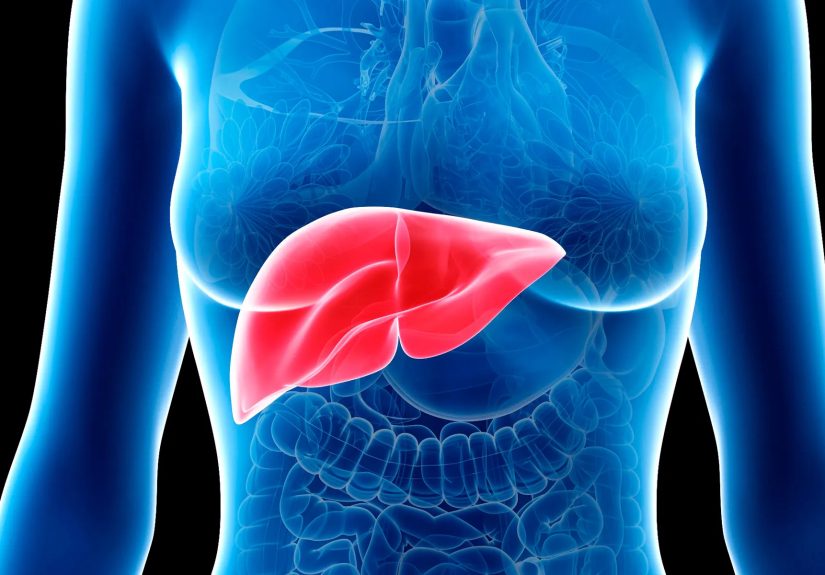
Your liver is the ultimate “quiet coworker.” It shows up every day, does 500 jobs at once, never asks for credit,
and only files a complaint when things are really, really messy. Metabolic Dysfunction-Associated Steatotic Liver Disease
(MASLD) is one of those “messy” situationsoften brewing silently while you feel totally fine.
The good news: MASLD is common, understandable, andespecially in earlier stagesoften improvable with practical,
boring-but-effective habits (yes, I’m talking about food, movement, sleep, and those “adulting” doctor visits).
The better news: you don’t need to become a kale evangelist or run a marathon to make meaningful progress.
What exactly is MASLD (and why did it get a new name)?
MASLD is a condition where extra fat builds up inside liver cells (“steatotic” = fatty). What makes it MASLD is the
metabolic dysfunction part: the liver fat is tied to cardiometabolic risk factors like excess weight,
insulin resistance or type 2 diabetes, high blood pressure, and abnormal cholesterol/triglycerides.
So… is this the same thing as “fatty liver” or NAFLD?
Mostly, yes. For years you probably heard “nonalcoholic fatty liver disease” (NAFLD). Medicine has been shifting to
new terminology that reflects the real driver for many patients: metabolic health. You may still see the older names
in labs, imaging reports, and plenty of websites. Don’t panicthis is a name change, not a surprise new organ.
You’ll also hear about MASH (metabolic dysfunction-associated steatohepatitis), which is a more active,
inflamed form of fatty liver disease that can lead to scarring (fibrosis). Think of MASLD as the umbrella and MASH as
the stormier weather under it.
How MASLD happens: the “metabolic traffic jam” model
MASLD isn’t usually caused by one villain. It’s more like a traffic jam created by multiple cars:
insulin resistance, excess calorie intake (especially ultra-processed foods and sugary drinks), genetic susceptibility,
inactivity, poor sleep, stress, and sometimes certain medications or health conditions.
When the body becomes insulin-resistant, the liver receives more fatty acids from the bloodstream and may create more
fat internally. The liver can store some fat safely, but too much can trigger inflammation and cellular stressespecially
when combined with oxidative stress and other metabolic issues.
Who’s at risk (and who can still get it anyway)
MASLD clusters with metabolic risk factors. The more of these you have, the higher your odds:
- Excess weight (especially more abdominal/visceral fat)
- Type 2 diabetes or prediabetes
- High triglycerides or low HDL (“good” cholesterol)
- High blood pressure
- Metabolic syndrome (a combo of the above)
But here’s the twist: you can be “not that big” and still have MASLD (“lean MASLD”). Genetics, body fat distribution,
diet quality, and muscle mass can matter as much as the number on the scale.
The MASLD spectrum: fat, inflammation, scarring, and why fibrosis is the big deal
MASLD isn’t one single stage. It’s a spectrum:
- Simple steatosis: fat in the liver, minimal inflammation
- MASH: fat + inflammation + liver cell injury
- Fibrosis: scar tissue forms as the liver tries to repair itself
- Cirrhosis: advanced scarring that disrupts liver structure and function
- Liver cancer (hepatocellular carcinoma) risk rises, especially with cirrhosis
Here’s the practical takeaway: fibrosis stage is one of the strongest predictors of long-term outcomes.
Many people live for years with liver fat and never develop severe scarringbut some do. The goal is to identify who
is at higher risk and intervene early.
Symptoms: why MASLD can be sneaky
Most people with MASLD have no symptoms. When symptoms appear, they can be vague:
fatigue, mild right-upper-belly discomfort, or “I just feel off.” Unfortunately, those are also symptoms of,
well… being a human with a job.
Red flags that require prompt medical evaluation include yellowing skin/eyes, swelling in the belly or legs,
easy bruising, vomiting blood, confusion, or black/tarry stools. Those may indicate advanced liver disease.
How MASLD is diagnosed (without turning your life into a medical drama)
1) History + labs
Clinicians typically look at risk factors, alcohol intake patterns, medications, and other causes of liver disease.
Blood tests often include ALT/AST (liver enzymes), platelets, and metabolic markers (glucose/A1C, lipids).
Important: normal liver enzymes don’t guarantee a healthy liver. Some people with significant fibrosis
can have normal or near-normal enzymes. Enzymes are clues, not verdicts.
2) Imaging (ultrasound, elastography, MRI-based tools)
Imaging can detect fat and, in some cases, estimate stiffness (a proxy for scarring). Standard ultrasound can see liver
fat but may miss mild disease and is not always reliable as a broad screening tool. Newer approaches like
vibration-controlled transient elastography (often referred to by a common device type) can estimate liver stiffness and
fat (CAP). MRI-based methods can quantify fat more precisely, and magnetic resonance elastography can measure stiffness.
3) Risk stratification: the “fibrosis-first” approach
Many clinical pathways focus on one key question: Is advanced fibrosis likely? That’s where noninvasive
scores come in. A commonly used first step is FIB-4 (based on age, AST, ALT, and platelets).
A typical workflow looks like this:
- Step 1: Calculate FIB-4 to estimate fibrosis risk.
- Step 2: If FIB-4 is above a threshold (often around 1.3 in many adult pathways), follow up with a second test
like elastography or an enhanced fibrosis blood test. - Step 3: Refer to a liver specialist if tests suggest advanced scarring, results disagree, or symptoms warrant it.
For higher-risk peopleespecially those with type 2 diabetes or multiple metabolic risk factorsrepeat risk assessment
periodically (often every 1–2 years) rather than doing a one-and-done.
Treatment: the surprisingly powerful basics (plus newer options)
If MASLD had a slogan, it would be: “Small changes, repeated forever, beat big changes, attempted once.”
Treatment focuses on reducing liver fat, calming inflammation, and preventing or reversing fibrosiswhile also lowering
cardiovascular risk (because your heart has opinions about your liver’s behavior).
Weight loss targets that actually matter
Studies consistently show a dose-response relationship between weight loss and liver improvement:
- ~5% body weight loss can reduce liver fat and improve labs in many people.
- ~7–10% loss is often associated with improvement in inflammation and cell injury (MASH features).
- 10%+ loss is more likely to improve fibrosis in some patients, though results vary.
You do not have to lose weight fast. In fact, rapid weight loss can backfire for some people. Aim for steady,
sustainable change (the “I can do this in real life” pace).
Food: what helps most (and what to stop pretending doesn’t matter)
There isn’t one magic diet, but patterns that tend to help MASLD share common traits:
fewer ultra-processed foods, less added sugar, higher fiber, and healthier fats.
- Mediterranean-style eating: emphasizes vegetables, legumes, whole grains, nuts, olive oil,
and fish; limits refined carbs and saturated fat. - Cut sugary beverages: soda, sweet tea, “juice” cocktailsliquid sugar hits the liver fast.
- Upgrade carbs: swap refined grains for whole grains; aim for fiber that actually fills you up.
- Protein with a plan: lean proteins and plant proteins can help protect muscle mass during weight loss.
Bonus plot twist: coffee (caffeinated or not) is associated in multiple studies with less advanced liver disease.
If coffee agrees with your stomach, sleep, and anxiety levels, it may be a small supportive habitnot a cure, but a helpful side character.
Movement: your liver likes consistency more than intensity
Exercise helps even if the scale barely moves. It improves insulin sensitivity and reduces liver fat.
Practical approach:
- Start where you are: walking counts, and it’s wildly underrated.
- Build to 150 minutes/week of moderate activity (or equivalent) if feasible.
- Add strength training 2–3 times/week to preserve muscle and improve metabolic health.
If you’re exhausted just reading that, start smaller: 10 minutes after meals, three times a day. Your liver doesn’t care
about your athletic identity. It cares about your weekly total.
Medications: what’s real, what’s promising, and what’s for “other reasons”
For a long time, there were no medications specifically approved to treat MASH/MASLD liver scarring. That has changed.
In the U.S., a first-in-class medication was approved (for certain adults with noncirrhotic disease and moderate-to-advanced fibrosis),
used alongside diet and exercise. This is a meaningful milestonebut it’s not a replacement for lifestyle changes or metabolic risk control.
Other medications may be used because they treat conditions that drive MASLD:
- GLP-1 receptor agonists (for obesity/type 2 diabetes): can produce substantial weight loss and may improve MASH activity in some patients.
- Pioglitazone (type 2 diabetes): can improve MASH in selected patients, but has trade-offs and isn’t for everyone.
- Vitamin E (selected patients without diabetes): may improve MASH features in some cases; discuss risks/benefits with a clinician.
Also important: treating cardiovascular risk is not optional. Many people with MASLD are more likely to have heart-related events
than liver failure. Managing blood pressure, lipids, and diabetes is liver care.
Alcohol: it still matters (even if MASLD isn’t “alcoholic”)
MASLD is defined around metabolic dysfunction, but alcohol can still worsen liver injury. If you have significant fibrosis,
or if your clinician raises concern about MASH, it’s worth having a frank conversation about alcohol and your personal risk.
“Moderation” is a moving targetand your liver didn’t vote for loopholes.
Monitoring: what “good follow-up” looks like
Monitoring depends on your risk level. Many people can be followed in primary care with periodic reassessment.
Higher-risk patients may need specialty care. Typical monitoring can include:
- Repeat fibrosis risk scoring and/or elastography at intervals recommended for your risk group.
- Management of metabolic risk factors (A1C, blood pressure, lipids, weight, sleep apnea evaluation when relevant).
- If cirrhosis is present: routine surveillance for liver cancer and varices, plus monitoring for decompensation.
Common myths (and the reality check your liver deserves)
Myth #1: “My liver enzymes are normal, so I’m fine.”
Reality: enzymes can be normal even when fibrosis is significant. Risk assessment focuses on fibrosis, not vibes.
Myth #2: “I don’t drink, so fatty liver can’t happen.”
Reality: MASLD is primarily tied to metabolic risk. Alcohol isn’t required for liver fat to accumulate.
Myth #3: “If I just detox for a week, my liver will reset.”
Reality: your liver already detoxes. What it needs is fewer metabolic stressors over monthsnot a three-day juice cleanse
that ends in a pizza apology tour.
Conclusion: what you should remember after you close this tab
MASLD is common, often silent, and closely linked to metabolic health. The most important question isn’t “Do I have liver fat?”
but “Do I have (or am I heading toward) significant fibrosis?” Noninvasive tests can help sort that out without drama.
The foundation of treatment is still lifestyle and metabolic risk management: sustainable weight loss (when needed),
Mediterranean-style eating, consistent movement, and good control of diabetes, blood pressure, and cholesterol.
Newer therapies are expanding options for higher-risk patients, but the day-to-day basics remain the main event.
Experiences: what MASLD often looks like in real life (500-ish words)
People rarely “feel” MASLD happening, so the experience is often less about symptoms and more about discovery,
decisions, and follow-through. Here are three common journeys clinicians hearpresented as composite scenarios
(because your liver’s personal diary is private).
1) “I went in for routine labs and accidentally met my liver.”
A lot of MASLD stories begin with a casual blood test: maybe your annual physical, maybe an insurance screening,
maybe you were trying to prove you’re fine (spoiler: the body loves plot twists). A mild ALT bump shows up, or an
ultrasound done for something else notes “fatty infiltration.” You Google it, panic briefly, then land on a forum
where someone recommends celery juice and emotional support crystals. Classic internet.
The helpful turn happens when you treat it like a risk factorsimilar to high cholesterolrather than a moral judgment.
Your clinician checks metabolic markers, reviews alcohol intake honestly (yes, weekends count), and runs a fibrosis
risk score like FIB-4. Often, risk is low and the plan is simple: reduce sugary drinks, prioritize protein and fiber,
walk after dinner, recheck in 6–12 months. Not glamorous. Very effective.
2) “I have type 2 diabetes, and MASLD showed up like an uninvited plus-one.”
For people with type 2 diabetes, MASLD is common enough that it should feel less like “bad luck” and more like
“part of the metabolic package.” The experience here is often frustration: “I’m already managing meds, glucose,
appointments… now my liver wants attention too?”
The good news is that the goals overlap. Improving insulin sensitivity, losing even a modest amount of weight,
and choosing foods that stabilize glucose often reduce liver fat. People who switch from sugary breakfast
routines to higher-protein, higher-fiber meals frequently report fewer cravings, more steady energy, and better
numbers across the board. If a GLP-1 medication is appropriate, the experience can be eye-opening: appetite quiets,
weight shifts, and lab trends improvethough side effects and access issues can be real obstacles.
3) “I did everything ‘right’ for six weeks, then got bored.”
This one is extremely human. People start strong: meal prep, gym membership, motivational playlist that could power a
small city. Then work stress hits, sleep slips, and the plan collapses under the weight of being too perfect.
The turning point is often learning that MASLD responds to consistency more than intensity.
The strategies that stick are usually simple: a default grocery list, two or three repeatable breakfasts, a rule like
“no sugary drinks on weekdays,” and movement anchored to existing routines (walk while taking calls, lift twice weekly,
stretch while watching TV). Some people add coffee (if tolerated). Others prioritize sleep and discover their late-night
snacking was basically a sleep-deprivation hobby. The “win” becomes building a lifestyle you can repeat in real life,
not a short-term transformation that requires a full-time assistant.
The most important shared experience across all three journeys: MASLD is not a character flaw. It’s a metabolic signal.
When you respond with practical changes and appropriate medical follow-up, the liver often respondsquietly, reliably,
and with the kind of gratitude only a hardworking organ can show.




 Close
Close