
Table of Contents >> Show >> Hide
- What Are Monoclonal Antibodies?
- The Rise of Monoclonal Antibody Therapy During the Pandemic
- Why Many COVID-19 Monoclonal Antibodies Stopped Working
- Where Monoclonal Antibodies Fit Today
- Monoclonal Antibodies vs. Vaccines vs. Antivirals
- Who May Benefit From COVID-19 Monoclonal Antibody Prevention?
- Safety, Side Effects, and Practical Considerations
- Lessons Learned From Earlier COVID-19 Antibody Treatments
- The Future of Monoclonal Antibodies for COVID-19
- Experience-Based Insights: What Patients and Families Often Learn
- Conclusion
Monoclonal antibodies to fight COVID-19 once sounded like something from a sci-fi medical drama: tiny lab-made defenders, trained to recognize the coronavirus, rushing in like microscopic bodyguards with excellent aim and no coffee breaks. For a while, that image was not far from reality. During earlier waves of the pandemic, monoclonal antibody therapy became one of the most talked-about tools for helping high-risk patients avoid severe COVID-19.
But COVID-19 has never been famous for sitting still. As SARS-CoV-2 evolved, many antibody treatments that worked against earlier strains became less effective against newer variants. That does not mean monoclonal antibodies were a failure. In fact, they taught doctors and researchers a great deal about viral targeting, immune protection, outpatient treatment, and the challenge of keeping medicine one step ahead of a virus that keeps changing its outfit.
Today, the role of COVID-19 monoclonal antibodies is more specific than it once was. In the United States, monoclonal antibodies are no longer used as a broad treatment for active COVID-19 infection the way they were in 2020 and 2021. However, one important category remains: pre-exposure protection for certain people with moderate to severe immune compromise who may not respond well to vaccination. In other words, monoclonal antibodies still matterbut the story has become more precise, more cautious, and much more variant-aware.
What Are Monoclonal Antibodies?
Monoclonal antibodies are laboratory-made proteins designed to act like the antibodies your immune system naturally produces. The word “monoclonal” means they come from one cloned immune cell line, so each antibody is built to recognize one specific target. Think of them as highly trained security guards who have memorized one face in a crowd. If that face appears, they react quickly.
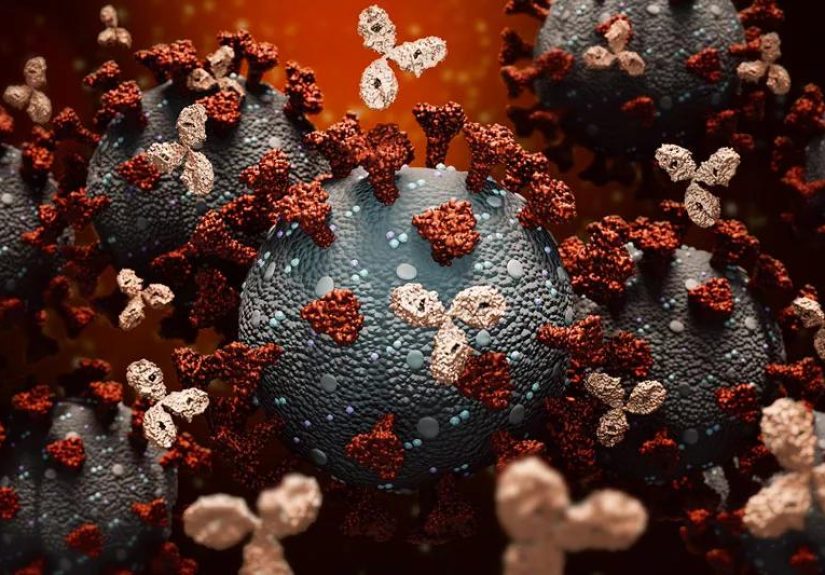
For COVID-19, most monoclonal antibody treatments were designed to target the spike protein on SARS-CoV-2, the virus that causes COVID-19. The spike protein is the part of the virus that helps it attach to human cells. Block that attachment, and you may reduce the virus’s ability to enter cells, multiply, and cause more damage.
How Monoclonal Antibodies Work Against COVID-19
COVID-19 monoclonal antibodies work by binding to specific regions of the virus, especially the receptor-binding domain of the spike protein. This can help neutralize the virus before it spreads widely through the body. When used early in the illness, earlier antibody products helped some high-risk patients reduce their chance of hospitalization or severe outcomes.
The timing mattered. Monoclonal antibodies were most useful when given early, while viral replication was still the main problem. Once COVID-19 progressed into severe inflammation, low oxygen levels, or hospitalization, the treatment strategy often shifted toward other medicines, oxygen support, and immune-modulating therapies.
This is one reason COVID-19 treatment has never been a one-size-fits-all menu. A medication that helps during the first few days of infection may be much less useful later. The virus has stages, and medicine must match the moment.
The Rise of Monoclonal Antibody Therapy During the Pandemic
In the early pandemic, doctors had limited treatment options for people who tested positive but were not yet sick enough to be hospitalized. Monoclonal antibody therapy helped fill that gap. Products such as bamlanivimab, casirivimab-imdevimab, sotrovimab, and bebtelovimab became familiar names in hospitals, infusion centers, and public health updateseven if patients understandably needed a second attempt to pronounce them.
These treatments were especially important for people at high risk of severe COVID-19, including older adults, people with certain chronic diseases, and immunocompromised patients. For many clinicians, monoclonal antibodies represented a hopeful shift: instead of waiting to see whether a vulnerable patient became dangerously ill, doctors could act earlier.
Real-world studies from earlier variant periods suggested that anti-spike monoclonal antibodies helped reduce hospitalization and severe disease among selected high-risk patients. That was a meaningful win at a time when emergency rooms were crowded, families were anxious, and everyone suddenly knew more about nasal swabs than they ever wanted to know.
Why Many COVID-19 Monoclonal Antibodies Stopped Working
The biggest weakness of monoclonal antibodies is also their greatest strength: they are specific. A highly targeted antibody can be powerful when the target stays the same. But if the virus mutates in the exact region the antibody recognizes, the antibody may lose its grip. It is like designing a perfect key, only to discover the lock has been replaced overnight.
SARS-CoV-2 variants, especially Omicron and its descendants, carried changes in the spike protein. Some of those changes made older monoclonal antibody products less able to neutralize the virus. As a result, U.S. regulators paused, limited, or revoked authorization for several earlier antibody treatments when data showed they were unlikely to work against circulating variants.
This is an essential point for readers searching for “monoclonal antibodies for COVID treatment” today: an antibody therapy that was useful in 2021 may not be useful now. COVID-19 medicine is tied closely to variant surveillance. When the virus changes, treatment recommendations can change too.
Where Monoclonal Antibodies Fit Today
As of current U.S. guidance, monoclonal antibodies are not the main treatment for active COVID-19 infection. For nonhospitalized patients at higher risk of severe disease, treatment commonly centers on antiviral options such as nirmatrelvir-ritonavir, remdesivir, or molnupiravir when appropriate. These medications work differently from antibodies because they target viral replication rather than acting as substitute immune proteins.
However, monoclonal antibodies have not disappeared from the COVID-19 toolbox. Pemivibart, sold under the name Pemgarda, is authorized for pre-exposure prophylaxis in certain adults and adolescents who are moderately or severely immunocompromised and unlikely to mount an adequate immune response to COVID-19 vaccination. It is given by intravenous infusion and is intended to help prevent COVID-19 before exposure, not to treat an active infection after symptoms begin.
What Pemivibart Means for Immunocompromised People
For many immunocompromised people, vaccination remains important but may not provide the same level of protection it provides for people with typical immune function. Some patients take medications that suppress immune response. Others have medical conditions that make it harder for the body to produce strong antibodies after vaccination.
That is where pre-exposure monoclonal antibody protection may help. Pemivibart is designed to provide ready-made antibodies rather than asking the body to create them from scratch. It is not a replacement for vaccination when vaccination is recommended, and it is not a magic force field. But for selected patients, it may add another layer of protection in a world where “just avoid all germs forever” is not exactly a practical life plan.
Monoclonal Antibodies vs. Vaccines vs. Antivirals
To understand COVID-19 treatment clearly, it helps to separate three major tools: vaccines, monoclonal antibodies, and antivirals.
Vaccines Train the Immune System
COVID-19 vaccines teach the immune system to recognize the virus and respond more effectively if exposure occurs later. They are preventive, not a treatment for active infection. Vaccines rely on the body’s ability to generate an immune response, which is why protection may be weaker in some immunocompromised people.
Monoclonal Antibodies Provide Ready-Made Defense
Monoclonal antibodies are manufactured outside the body and given directly to the patient. They can provide immediate passive protection, meaning the body does not have to build those antibodies itself. That advantage is especially relevant for people who cannot produce enough protective antibodies after vaccination.
Antivirals Slow Viral Replication
Antiviral medications work by interfering with the virus’s ability to multiply. For COVID-19, antivirals are most effective when started early after symptoms appear. They do not depend on matching one exact spike protein shape the way many monoclonal antibodies do, which can make them more durable across variants.
Who May Benefit From COVID-19 Monoclonal Antibody Prevention?
The people most likely to benefit from current monoclonal antibody prevention are those with moderate to severe immune compromise who may not respond adequately to vaccination and who meet authorized conditions for use. This can include some people receiving chemotherapy, organ transplant recipients taking immune-suppressing drugs, patients with certain blood cancers, or individuals using medications that significantly reduce immune function.
Eligibility is not something a person should guess from a search result or a neighbor’s cousin’s Facebook post. A healthcare provider must review the patient’s medical condition, current medications, vaccination status, exposure history, and local variant information. Monoclonal antibody use is medical decision-making, not a “click add to cart” situation.
It is also important to understand what current pre-exposure monoclonal antibody protection does not do. It does not treat active COVID-19. It is not authorized as post-exposure prevention after known contact with an infected person. It does not replace testing, vaccination, ventilation, masking in high-risk settings, or staying home when sick. It is one layer in a layered strategy.
Safety, Side Effects, and Practical Considerations
Like all medical products, monoclonal antibodies can have side effects. Infusion-related reactions may include fever, chills, nausea, headache, dizziness, itching, rash, or changes in blood pressure. Rarely, severe allergic reactions can occur. That is why these medications are administered under medical supervision, usually in a clinic, infusion center, or healthcare setting prepared to respond if a reaction happens.
Practical logistics matter too. An IV infusion requires scheduling, transportation, monitoring, and insurance coordination. For someone who is immunocompromised, a clinic visit can also feel stressful because medical spaces contain other people who may be sick. Good planning helps: asking about mask policies, appointment timing, ventilation, and check-in procedures can make the experience smoother.
Lessons Learned From Earlier COVID-19 Antibody Treatments
The history of monoclonal antibodies in COVID-19 offers several lessons. First, early treatment can save lives when the right medicine matches the right patient at the right time. Second, viruses evolve, and treatments must be tested continuously against circulating variants. Third, access matters. A powerful therapy is less useful if patients cannot find it, schedule it, afford it, or receive it quickly enough.
Another lesson is that public communication must be clear. Many people heard that monoclonal antibodies were helpful in 2021 and still assume they are broadly available for COVID-19 treatment today. That misunderstanding is understandable, but outdated. The current reality is more nuanced: older products lost authorization because variants changed, while newer antibody strategies focus on prevention for specific high-risk groups.
The Future of Monoclonal Antibodies for COVID-19
Researchers are still interested in monoclonal antibodies because the concept remains scientifically strong. The next generation of COVID-19 antibodies may focus on broader activity against multiple variants, longer duration of protection, and combinations that reduce the risk of viral escape. Scientists are especially interested in antibodies that target conserved regions of the virusareas less likely to mutate without weakening the virus itself.
Future products may also be designed with better variant forecasting in mind. Instead of chasing yesterday’s strain, researchers want antibodies that can hold up against tomorrow’s version of SARS-CoV-2. That is not easy. Viruses are rude little editors. They keep revising the manuscript. But each generation of research improves the odds of designing more resilient therapies.
Experience-Based Insights: What Patients and Families Often Learn
Experiences around monoclonal antibodies to fight COVID-19 vary widely, but several common themes appear again and again among patients, caregivers, and healthcare teams. The first is confusion. Many people remember hearing that monoclonal antibodies were “the treatment” for high-risk COVID-19 during earlier pandemic waves. Later, when they or a family member tested positive, they were surprised to learn that those same products were no longer authorized or recommended. That moment can feel frustrating, especially when someone is scared and wants a familiar option. The lesson is simple but important: COVID-19 treatment depends on the current variant landscape, not yesterday’s headlines.
A second common experience involves timing. Families often learn that COVID-19 care rewards speed. When symptoms begin, high-risk patients should test early and contact a healthcare provider quickly. Antivirals have treatment windows, and prevention options must be discussed before exposure. Waiting “to see if it gets worse” may close doors that were open on day one. In plain English: COVID-19 does not send a calendar invite before becoming serious.
For immunocompromised patients, the experience is more personal. Many have already spent years thinking carefully about infection risk. They may be vaccinated, boosted, cautious in crowds, and still worried that their immune system will not respond strongly enough. For them, pre-exposure monoclonal antibody protection can feel like an added seat beltnot a guarantee, but a meaningful layer. The emotional benefit can be real: fewer sleepless nights before a medical appointment, a little more confidence attending an essential family event, or less anxiety during respiratory virus season.
Caregivers often learn the value of asking specific questions. Instead of asking, “Can I get monoclonal antibodies?” a more useful question may be, “Am I eligible for COVID-19 pre-exposure prophylaxis because of my immune status?” Another helpful question is, “If I test positive, which antiviral treatment should I consider, and how quickly should I call?” These questions help clinicians give practical answers based on current guidance.
Patients also learn that logistics are part of medicine. An IV infusion may require transportation, time off work, insurance approval, and a healthcare setting that offers the product. For older adults or people with mobility challenges, the appointment itself may be the hardest part. Families who plan aheadsaving clinic phone numbers, knowing medication lists, keeping test kits available, and discussing treatment plans before illnessoften feel less panicked when symptoms appear.
Finally, many people learn that layered protection is not dramatic, but it works better than relying on one tool. Vaccination, ventilation, testing, staying home when sick, masks in high-risk indoor spaces, antiviral access, and monoclonal antibody prevention for eligible people all play different roles. None of them is perfect. Together, they create a smarter defense. In the COVID-19 era, the best plan is not one superhero treatment. It is a well-organized teamand yes, the team should wash its hands.
Conclusion
Monoclonal antibodies to fight COVID-19 have had a dramatic journey: early promise, real-world usefulness, variant-driven setbacks, and a more focused role today. They are no longer the broad outpatient treatment option many people remember from the first years of the pandemic. Still, they remain scientifically important and clinically relevant for certain immunocompromised people who need extra protection before exposure.
The best way to understand monoclonal antibodies is not as a miracle cure, but as a targeted tool. When the target matches, they can be powerful. When the virus changes, the tool must change too. For patients, families, and healthcare providers, the smartest approach is to stay current, act early, and build protection in layers.
Note: This article is for general educational and publishing purposes only. It is not a substitute for medical advice, diagnosis, or treatment. Anyone with COVID-19 symptoms, a positive test, immune compromise, medication concerns, or questions about eligibility for prevention or treatment should speak with a licensed healthcare provider.






 Close
Close