
Table of Contents >> Show >> Hide
- Who Is Michael Massaia?
- How Insomnia Became the Beginning of a Photo Series
- Why Central Park Looks So Haunting Without People
- The Power of Black-and-White Film
- Natural Light, Predawn Silence, and the Look of a Dream
- A Different Vision of New York City
- Why the Series Still Feels Fresh Years Later
- Not Just Empty Photos, But Emotional Landscapes
- What Photographers Can Learn From Massaia’s Central Park Project
- Experiences Related to the Topic: Standing With the Viewer in the Empty Park
- Conclusion
Central Park is usually the opposite of empty. On a sunny afternoon, it can feel like every stroller, jogger, saxophone player, tourist group, hot dog cart, and squirrel with a business plan has reported for duty. But in Michael Massaia’s black-and-white photographs, New York’s most famous park becomes something else entirely: silent, theatrical, lonely, and almost dreamlike.
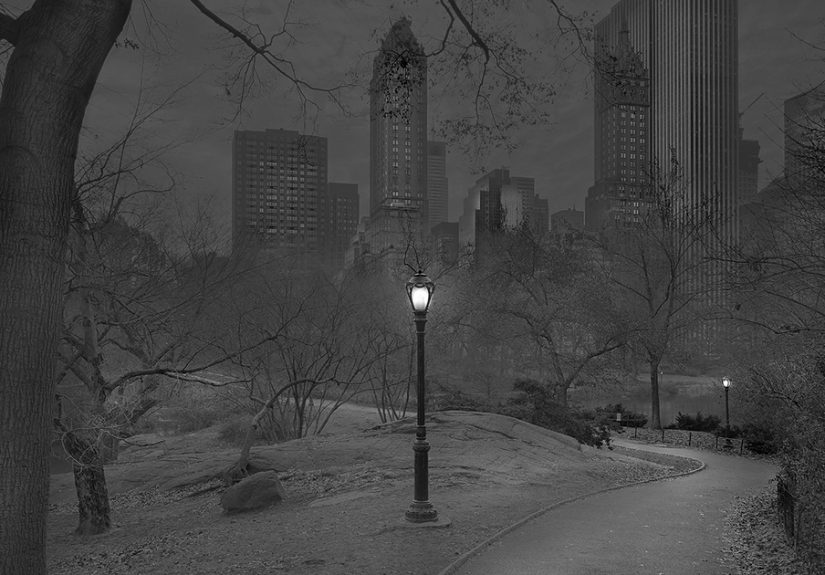
The New Jersey-based fine art photographer and printmaker is best known for Deep in a DreamCentral Park, a haunting photography series born from severe insomnia. Instead of lying awake and arguing with the ceiling at 3 a.m., Massaia began walking through New York City during the strange hours when the city exhales. Eventually, those sleepless walks led him into Central Park, where he found a version of the park most people never see: empty paths, glowing skylines, black water, winter trees, and famous landmarks stripped of crowds.
The result is not ordinary Central Park photography. It is not postcard pretty. It is not “wish you were here” tourism. It is more like “are we sure the city is still operating?” And that is exactly what makes the work so powerful.
Who Is Michael Massaia?
Michael Massaia is a fine art photographer and printmaker born in New Jersey in 1978. He has spent much of his career photographing places close to home, often focusing on isolation, disconnection, memory, and the quiet drama of ordinary scenes. His work is rooted in craftsmanship: large-format black-and-white film, handmade prints, and carefully controlled analog and digital printing techniques.
Unlike photographers who rely on quick digital bursts and heavy editing, Massaia’s process is slow, deliberate, and almost stubbornly hands-on. He is known for working alone and controlling the image from exposure to final print. Many of his photographs are “one shot” scenes, not composites stitched together later. In plain English: the ghosts in the picture are not Photoshop ghosts. They are atmosphere, patience, and the slightly unsettling magic of being awake when most sensible people are asleep.
How Insomnia Became the Beginning of a Photo Series
The story behind Deep in a DreamCentral Park begins around 2007, when Massaia started documenting the park as a way of coping with severe insomnia. Long nights became long walks. Long walks became photographs. What might have been only a private struggle slowly transformed into a body of work that gave sleeplessness a visual language.
Insomnia is not just “staying up late because one more episode turned into six.” It can involve difficulty falling asleep, waking repeatedly, waking too early, or feeling as though sleep never really happened. Health organizations generally recommend that adults get at least seven hours of sleep each night, and persistent sleep trouble can affect mood, concentration, energy, and safety. That context matters because Massaia’s project is not romanticizing sleep deprivation. It shows how an artist redirected a difficult condition into disciplined observation.
Between roughly 2 a.m. and 5 a.m., Central Park changes character. The daytime park is social, noisy, and kinetic. The predawn park is spacious, uncanny, and still. Massaia noticed that during these hours the park seemed to undergo a metamorphosis. In his photographs, the familiar becomes unfamiliar: Bow Bridge looks like a passage into a dream, The Mall becomes a corridor of shadows, and the skyline beyond the trees glows like a distant stage set.
Why Central Park Looks So Haunting Without People
Central Park was designed in the 19th century by Frederick Law Olmsted and Calvert Vaux as a democratic landscape, a place where city residents could escape urban pressure and experience meadows, woodlands, lakes, paths, and scenic views. Today, the 843-acre park welcomes tens of millions of visits each year. Its crowds are part of its identity.
That is why Massaia’s people-free images feel so surprising. Remove the picnickers, runners, musicians, tourists, wedding photographers, and children chasing bubbles, and the park becomes less like a public space and more like a memory of one. The benches wait. The paths curve into darkness. The arches, ponds, and trees seem to hold their breath.
In photographs such as The Mall, 4 A.M., Gapstow Bridge, Bow BridgePredawn, Half Moon, Zoo Entrance, and Private Gardens, the absence of people is not empty in a boring way. It is empty in a loaded way. You feel that millions of footsteps have been there, but none are present now. The city has not vanished; it has simply stepped out of frame.
The Power of Black-and-White Film
Black-and-white photography is often described as timeless, but in Massaia’s Central Park images it does more than remove color. It removes distraction. Without the green of grass, the yellow of taxi lights, or the bright jackets of tourists, the viewer is pushed toward shape, tone, texture, fog, reflection, and shadow.
Massaia’s use of large-format film gives the images extraordinary detail and depth. Large-format cameras are not casual tools. They are slow, heavy, and demanding. You do not sprint through a park with one unless you enjoy cardio with a side of punishment. But that slowness is part of the point. It forces the photographer to compose carefully and wait for the exact balance of light and darkness.
His prints are often described in relation to traditional processes such as gelatin silver and platinum printing, with split-toning techniques that can add subtle depth to the final image. These choices help create photographs that feel handmade rather than merely captured. The images are not just records of Central Park; they are crafted interpretations of it.
Natural Light, Predawn Silence, and the Look of a Dream
One of the most fascinating aspects of the series is Massaia’s preference for the faint natural light before sunrise. Predawn light is different from daylight and different from night. It is soft, even, and uncertain. Shadows have not fully surrendered. Highlights are not yet bossy. The world appears temporarily undecided.
That in-between quality suits Central Park perfectly. The park is already a designed illusion of nature inside one of the busiest cities on Earth. At 4 a.m., the illusion becomes even stranger. Trees look sculptural. Buildings glow behind branches. Water turns into a mirror. A footpath can seem inviting in one photograph and ominous in the next.
This is why the images feel “haunting” without relying on horror clichés. There are no monsters, no staged figures, no jump-scare nonsense lurking behind a shrub. The eeriness comes from restraint. It comes from seeing a place associated with life and activity presented in a moment of near-total pause.
A Different Vision of New York City
New York City is usually photographed as motion: traffic, crowds, neon, steam, grit, ambition, speed. Massaia’s Central Park series does the opposite. It slows New York down until the city feels almost suspended. The skyline remains, but it is distant. The park remains, but it is altered. The viewer stands in a version of Manhattan that seems to exist between sleep and waking.
That is what makes the project resonate beyond photography circles. Anyone who has experienced insomnia knows that nighttime can distort reality. The refrigerator hum becomes dramatic. A hallway becomes suspicious. Thoughts get louder. Ordinary rooms begin auditioning for psychological thrillers. Massaia takes that nocturnal state and applies it to a landmark everyone thinks they know.
In doing so, he reveals that Central Park is not one place. It is many places depending on time, light, weather, season, and mood. In spring, it may feel tender and expectant. In winter, it can feel severe and almost abandoned. In the minutes before dawn, it becomes a private theater of branches, bridges, water, stone, and silence.
Why the Series Still Feels Fresh Years Later
Although the early phase of Deep in a DreamCentral Park gained wide attention years ago, the project continues to feel relevant because it touches several modern obsessions at once: insomnia, urban loneliness, analog craft, and the search for stillness in overstimulated cities.
In an age when nearly everyone carries a camera in a pocket, Massaia’s work reminds us that seeing is not the same as noticing. Thousands of people can photograph Central Park every day, but only a few will build a sustained visual study around its emptiest hours. The difference is not access to a famous subject. The difference is attention.
The series also speaks to a culture that is increasingly tired. Sleep trouble is common, screens are everywhere, and many people live with the sense that their minds are still open for business long after the body has clocked out. Massaia’s photographs do not offer a cure for insomnia, but they do show one possible artistic response: when rest does not come, observation can become a form of order.
Not Just Empty Photos, But Emotional Landscapes
What separates these images from simple “empty city” photography is emotional precision. Empty streets and parks can feel cold if photographed carelessly. Massaia’s Central Park images feel lonely, but they are not careless. They are composed with affection and discipline. The photographer clearly knows the park’s moods, angles, and recurring characters: bridges, exits, trees, paths, skylines, benches, and bodies of water.
The work also avoids turning Central Park into a gimmick. The park is not merely spooky because nobody is there. Instead, the absence of people allows the landscape design to speak. Curving paths become visual sentences. Trees become silhouettes. Bridges become thresholds. The city’s architecture becomes a glowing border around a darker inner world.
That is why the photographs are easy to admire but hard to shake off. They do not shout. They linger. They feel like dreams you can almost explain in the morning but not quite.
What Photographers Can Learn From Massaia’s Central Park Project
1. A familiar subject can still be original
Central Park has been photographed endlessly, but Massaia found a fresh perspective by changing the hour, mood, and method. The lesson is simple: originality often begins with looking when others are not looking.
2. Limitations can create style
Black-and-white film, natural light, large-format equipment, and people-free compositions all create restrictions. But those restrictions also give the series its identity. Sometimes the best creative decision is not adding more options; it is choosing the right limits.
3. Mood matters as much as subject
A bridge is a bridge until light, weather, timing, and composition turn it into a psychological doorway. Massaia’s images prove that atmosphere can transform even the most photographed locations.
4. Personal struggle can become artistic structure
Insomnia is difficult, and it should be taken seriously. But Massaia’s work shows how a painful pattern can sometimes be redirected into a disciplined creative practice. The art does not erase the struggle; it gives it form.
Experiences Related to the Topic: Standing With the Viewer in the Empty Park
Viewing Massaia’s Central Park photographs can feel like entering the park without actually stepping outside. The first reaction is usually surprise. We are conditioned to imagine Central Park as crowded, colorful, and loud. Seeing it empty creates a small mental glitch, as if someone pressed pause on New York City and forgot to tell the pigeons. The absence of people makes the viewer more aware of everything else: the bend of a path, the shine of wet pavement, the black lace of tree branches, the pale glow of buildings beyond the park’s edge.
There is also a strange comfort in these images. Yes, they are haunting, but they are not hopeless. They suggest that even the busiest places have secret hours. A city can be overwhelming by day and contemplative before sunrise. For people who have experienced insomnia, grief, anxiety, creative restlessness, or simply the feeling of being awake at the wrong time, the photographs may feel familiar. They capture the private side of public space, the hour when the world seems to belong to anyone still walking through it.
For photographers, the series offers a useful reminder that dramatic pictures do not always require dramatic events. No parade is needed. No celebrity has to wander into the frame wearing sunglasses indoors. The drama can come from patience, weather, silence, and a willingness to return to the same place again and again. A photographer could spend a lifetime learning how one familiar location changes with season, light, and mood. Massaia’s work proves that repetition is not the enemy of creativity; shallow attention is.
The images also create a powerful contrast between vulnerability and control. Insomnia can feel uncontrollable. The body refuses the schedule. The mind will not dim the lights. Yet the photographs themselves are highly controlled: carefully composed, technically demanding, and printed with precision. That tension gives the work emotional weight. It is not a messy diary of sleeplessness; it is a refined visual response to it.
For readers who have never walked through Central Park in the predawn hours, the series may inspire curiosity, but it should also inspire respect. Night photography requires planning, awareness, and safety. The point is not to wander recklessly through dark spaces in search of moody content. The point is to notice how time changes place. Even in one’s own neighborhood, the early morning can reveal scenes that daylight hides: empty sidewalks, quiet storefronts, misty trees, parked cars silvered by streetlights, and a sky slowly deciding what color it wants to be.
That is the deeper experience behind Deep in a DreamCentral Park. It is not only about an insomniac photographer capturing a famous park with no people. It is about how sleeplessness, craft, and attention can turn an overfamiliar landmark into a mysterious emotional landscape. It reminds us that cities have inner lives, that silence can be visually loud, and that sometimes the most unforgettable photographs come from the hours most people sleep through.
Conclusion
Michael Massaia’s haunting photographs of Central Park show that even the most familiar places can become strange when seen at the right hour. Born from insomnia and shaped by painstaking black-and-white film craftsmanship, Deep in a DreamCentral Park transforms New York’s beloved 843-acre landmark into a quiet, eerie, and poetic world. The series works because it is not simply about emptiness. It is about attention, solitude, timing, and the emotional charge of public spaces when the public disappears.
For photographers, artists, and anyone who has ever stared at the ceiling at 3 a.m., Massaia’s work offers a compelling lesson: difficult nights do not always have to vanish without meaning. Sometimes they become images. Sometimes they become a body of work. And sometimes, if you are patient enough, even insomnia can lead you into the park before dawn, where the city is still breathing but not yet awake.





 Close
Close