Table of Contents >> Show >> Hide
- Why Soft Green Works So Well on a Bookshelf
- Before You Paint: Know What You Are Working With
- Choose the Right Soft Green Paint
- Tools and Materials You Will Want
- Step-by-Step: How to Paint a Wood Bookshelf Soft Green
- How to Get a Smooth, Professional Finish
- Styling Ideas After the Paint Dries
- Common Mistakes to Avoid
- Conclusion
- Extra Experiences: What Painting a Wood Bookshelf Soft Green Really Feels Like
If you have ever stared at a perfectly decent wood bookshelf and thought, “You know what you need? A glow-up and a calming personality,” then soft green may be your color. It is fresh without being loud, cozy without being gloomy, and stylish without acting like it has a design degree from a very expensive school. A soft green bookshelf can make a reading corner feel more relaxed, help a home office feel less like a tax audit, and give an old piece of furniture a second life that looks intentional instead of “I had extra paint.”
The trick, of course, is getting that dreamy soft green finish to look smooth, durable, and actually worth the Saturday afternoon you sacrifice to the DIY gods. Painting a wood bookshelf is not complicated, but it does reward patience, decent prep, and the emotional maturity to let paint dry before touching it “just to see.” This guide walks through the process from choosing the right green to applying the final coat, with practical advice, real-world examples, and a few lessons learned the hard way by people who have absolutely painted a shelf too soon and regretted everything.
Why Soft Green Works So Well on a Bookshelf
Soft green sits in that sweet spot between neutral and color. It has enough personality to make the bookshelf feel special, but it still plays nicely with white walls, warm wood floors, brass accents, black metal lamps, woven baskets, and the random stack of books you swear you are about to organize. It can lean sage, mint, gray-green, or a muted botanical tone depending on the room and the light.
That flexibility matters because a bookshelf is rarely just a bookshelf. It is storage, display, décor, and occasionally the place where receipts, chargers, and one lonely sock go to disappear. A soft green finish helps the piece blend into a room while still giving it presence. In a bedroom, it feels soothing. In a home office, it feels focused. In a living room, it adds a subtle layer of color that does not compete with art, plants, or your collection of novels you keep buying faster than you read them.
For example, a pale sage green can make a traditional wood bookcase feel updated without erasing its character. A dusty green with gray undertones works beautifully in modern spaces. A slightly brighter minty green can make a child’s room or craft corner feel cheerful and light. The key is to choose a softened green, not one that shouts from across the room like it just drank three espressos.
Before You Paint: Know What You Are Working With
Even if you call it a wood bookshelf, the piece may include more than one material. Many bookshelves are made from solid wood frames but use plywood, veneer, or MDF for shelves or back panels. That does not mean you cannot paint them. It just means prep matters even more.
Start by asking a few simple questions:
- Is the bookshelf bare wood, stained wood, or previously painted?
- Does it have a glossy topcoat?
- Are there dents, scratches, nail holes, or chipped edges?
- Will it hold heavy books or mostly decorative objects?
A raw unfinished bookshelf is the easiest case. It usually needs sanding, dust removal, primer, and paint. A stained or glossy bookshelf needs more attention because slick surfaces are not eager to bond with new paint. If the shelf will hold heavy books, durability matters more than ever, especially on horizontal surfaces where friction happens every day.
Choose the Right Soft Green Paint
The color is the fun part, but durability is what keeps the fun from peeling off six weeks later. For a bookshelf, a furniture paint, cabinet paint, trim paint, or high-quality interior acrylic enamel is usually a smarter choice than a basic wall paint. You want something that levels nicely, resists scuffs, and can handle occasional wiping without acting offended.
What kind of finish is best?
For most wood bookshelves, satin is the sweet spot. It has a soft sheen, wipes clean more easily than flat paint, and hides minor surface flaws better than a shinier finish. Semi-gloss is another strong option if you want extra durability and a cleaner, crisper look. If the shelf is highly detailed, either finish can work, but satin usually feels a bit more relaxed and forgiving.
How to choose the right shade
Test your green before you commit. Paint a sample board or a hidden part of the shelf and look at it in morning light, afternoon light, and lamp light. Green is famous for shape-shifting. A color that looks like serene sage in the store can look unexpectedly gray, yellow, or minty at home. Soft green usually looks best when it has enough gray or earthy depth to stay grounded.
If your room has warm floors, cream walls, or brass hardware, a muted sage or olive-leaning soft green often looks beautiful. If your room has cooler whites, black accents, or a more modern feel, a grayed-out green can look elegant and tailored. If you love color but do not want the piece to dominate, choose a tone two steps softer than the one you first fall in love with. Paint chips are professional exaggerators.
Tools and Materials You Will Want
- Drop cloth or rosin paper
- Screwdriver for removing hardware and shelves
- Mild cleaner or degreaser
- Sandpaper in 120, 180, and 220 grit
- Sanding sponge for corners and trim
- Tack cloth or microfiber cloth
- Wood filler for dents or holes
- Bonding or stain-blocking primer
- Soft green furniture, cabinet, or trim paint
- Mini foam or fine-finish roller
- High-quality angled brush
- Painter’s tape if needed
If the bookshelf has fancy trim, spindles, or grooves, a brush will do more of the work. If it has wide flat sides and simple shelves, a mini roller helps create a smoother finish. Many DIYers use both: roller for flat panels, brush for details and corners. That combo usually gives the best result without requiring you to buy a spray system and then spend your weekend cleaning it.
Step-by-Step: How to Paint a Wood Bookshelf Soft Green
1. Empty the bookshelf completely
This sounds obvious, yet every year a brave soul tries to paint around books “to save time.” Do not be that person. Remove books, baskets, décor, and adjustable shelves. Take off hardware if the bookshelf has doors or knobs. Put the screws in a labeled bag unless you enjoy mystery hardware later.
2. Clean like you mean it
Bookshelves collect dust, but they also collect oils from hands, old polish, and invisible grime. Wipe the entire piece with a suitable cleaner or degreaser, then let it dry fully. This step is boring, which is exactly why people rush through it. Unfortunately, paint loves a clean surface and hates shortcuts.
3. Repair the surface
Fill nail holes, dents, or chipped corners with wood filler. Let it dry, then sand smooth. If the edge veneer has lifted anywhere, fix that first. A fresh coat of paint will not magically hide structural issues. It will simply highlight them in soft green.
4. Sand for adhesion and smoothness
For a previously finished bookshelf, start with a light to moderate sanding to dull the sheen. You usually do not need to sand everything to raw wood. The goal is to scuff the surface so primer can grip. Use 120- to 150-grit sandpaper if the finish is slick or rough, then move to 180- or 220-grit to smooth things out. Always wipe away dust thoroughly.
If the bookshelf is unfinished wood, sand with the grain until the surface feels consistent and splinter-free. Extra attention to shelf fronts and side panels is worth it because those areas catch the light and reveal every tiny flaw. Dust left behind can ruin an otherwise smooth finish, so treat tack cloth like your best friend for the day.
5. Prime the bookshelf
Primer is not glamorous, but it is often the difference between a finish that lasts and one that chips the first time you slide a hardback encyclopedia into place. Use a bonding primer if the surface is glossy or previously finished. Use a stain-blocking primer if you are covering dark stain, knots, or wood that may bleed tannins.
Apply a thin, even coat. Resist the urge to slather it on “for coverage.” Thick coats create drips, texture, and regret. Let the primer dry fully according to the label. Then lightly sand with fine grit paper and wipe off the dust again. This in-between sanding is one of those little pro moves that makes the final paint look dramatically better.
6. Paint in thin, even coats
Now the makeover gets interesting. Stir the paint well and begin with the inside sections, then move to outer sides and shelf fronts. Use a brush for corners and detail work, then roll broad flat surfaces for a more even finish. Paint in the direction of the grain whenever possible.
Two thin coats are usually the minimum. Three may be better if you are covering a dark wood tone or aiming for a pale, airy green. Let each coat dry properly before the next. Rushing this step can cause dragging, streaking, and that slightly rubbery texture that says, “I absolutely touched this before it was ready.”
7. Let it cure before heavy use
Dry and cured are not the same thing. Dry means the paint feels dry to the touch. Cured means it has hardened enough to perform well. That difference matters on bookshelves because books are heavy, shelf edges get bumped, and decorative objects seem harmless until they leave little circular dents in soft paint.
If possible, wait several days before loading the shelf lightly and longer before packing it with heavy books. In humid rooms or cool weather, patience matters even more. Yes, this part is annoying. No, there is not a magical shortcut. The paint finishes hardening on its own schedule, not yours.
How to Get a Smooth, Professional Finish
A painted bookshelf can look custom and elevated, or it can look like it lost a fight with a bargain brush. The difference usually comes down to technique, not talent.
- Use high-quality tools. Cheap brushes shed bristles like they are emotionally overwhelmed.
- Do not overload the brush or roller. Thin coats level better.
- Watch edges for drips. Shelves love to hide them underneath.
- Sand lightly between primer and paint coats, and between paint coats if needed.
- Work in a clean space where dust is not floating through the air like confetti.
- Keep good ventilation, but do not blast the piece with aggressive airflow that causes paint to dry too fast on the surface.
If the bookshelf has open sides or vertical supports, paint the less visible areas first to build confidence. By the time you reach the front-facing panels, your hand will be steadier and your technique more consistent. That is not cheating. That is strategy.
Styling Ideas After the Paint Dries
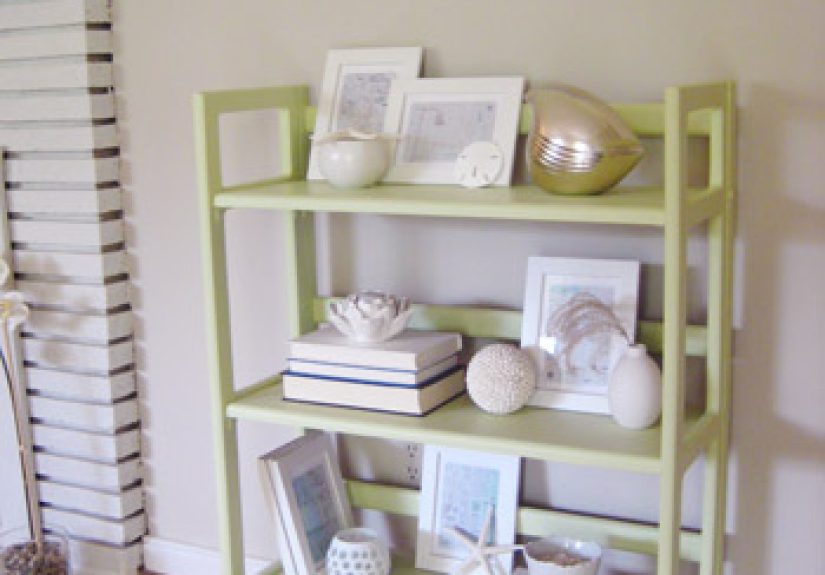
Soft green bookshelves look especially good when styled with contrast and breathing room. A few combinations work almost every time:
- White book spines, pottery, or picture frames for a crisp look
- Natural wood boxes or woven baskets for warmth
- Brass or antique gold accents for a classic finish
- Black objects for graphic contrast
- Plants for a layered, natural palette
One smart move is to leave a little empty space. Not every shelf needs to be packed. A newly painted bookshelf deserves room to show off its color. Also, your books will not be offended by a little negative space. They are books. They are doing fine.
Common Mistakes to Avoid
- Skipping cleaning because the shelf “didn’t look dirty”
- Painting over glossy stain without proper sanding or primer
- Using thick coats to save time
- Ignoring cure time and loading books too soon
- Choosing a bright green when the room really wants a muted one
- Forgetting to test the color in the room’s actual lighting
Another common mistake is assuming paint will hide poor prep. It usually does the opposite. Paint is basically a spotlight for bumps, dents, dust nibs, and repair work you hoped nobody would notice. Prep first, brag later.
Conclusion
Painting a wood bookshelf soft green is one of those rare DIY projects that can be practical, affordable, and genuinely pretty at the same time. The color adds calm without being boring, personality without chaos, and style without requiring a full room renovation. If you clean thoroughly, sand intelligently, prime properly, and apply thin coats with patience, you can turn a tired bookcase into a piece that looks thoughtful, polished, and completely at home in your space.
The best part is that a soft green bookshelf does more than hold books. It changes the mood of a room. It can make a corner feel softer, a home office feel more grounded, or a bedroom feel a little more serene. And if anyone compliments it, you are fully allowed to act casual while internally shouting, “Thank you, I did prime between coats.”
Extra Experiences: What Painting a Wood Bookshelf Soft Green Really Feels Like
There is a very specific kind of optimism that kicks in when you decide to paint a wood bookshelf soft green. It usually begins with a sentence like, “This should be easy,” which is the universal opening line to every respectable DIY adventure. You set the bookshelf in the garage or by an open window, line up the sandpaper, crack open the primer, and suddenly you are not just painting furniture. You are starring in your own home-improvement montage, only with more dust and fewer flattering camera angles.
The first emotional turning point comes during sanding. At this stage, the bookshelf looks worse before it looks better, which is deeply rude but completely normal. The finish gets dull, the wood filler looks suspicious, and you briefly wonder whether you have made a huge mistake. Then primer goes on, and everything shifts. The piece starts to look intentional. You can see possibility. The bookshelf is no longer a random old item; it is becoming a design choice.
Then comes the soft green paint, which is when the project becomes weirdly satisfying. The color goes on and suddenly the whole shelf feels calmer, fresher, and more expensive than it has any right to feel. Even a basic bookshelf can start to look like something from a boutique home store where they put one ceramic vase on a shelf and call it a lifestyle.
One of the most memorable parts of the experience is seeing how much the color changes with light. In the morning, the green may look airy and barely there. In the evening, it can deepen into something moodier and richer. That shift is part of the charm. A good soft green does not sit flat. It moves gently with the room, which makes the bookshelf feel more custom and alive.
There is also a practical kind of pride that comes later, after the paint has cured and the shelves are loaded again. Books look sharper against soft green. White and cream book jackets pop. Natural baskets look warmer. Plants look like they belong there. Even ordinary objects seem a bit more curated, as if the bookshelf quietly convinced everything on it to behave better.
And then there is the lesson every DIY painter learns eventually: patience wins. The projects that turn out best are rarely the ones done fastest. They are the ones where you let the primer dry, sanded one more time than you wanted to, and waited before stacking heavy books back on the shelves. That patience shows up in the final finish. It is visible in the smoothness, the durability, and the way the piece keeps looking good weeks later instead of developing instant battle scars.
In the end, painting a wood bookshelf soft green is not just about changing the color of furniture. It is about changing your relationship with a piece you already own. It is a reminder that homes do not always need more stuff; sometimes they just need a better version of what is already there. A little sanding, a little primer, a little restraint, and suddenly the bookshelf you barely noticed becomes part of the room’s personality. That is a pretty solid return on one can of paint.