Table of Contents >> Show >> Hide
- What Your Muscles Actually Need After Training
- The “Anabolic Window” Is Bigger Than the Internet Told You
- So… Do Protein Shakes Help After a Workout?
- How Much Protein Do You Need for Muscle and Recovery?
- What’s in a Post-Workout Shake, and Why It’s Not Magic
- Food-First Post-Workout Options (That Aren’t Boring)
- When a Protein Shake Is Actually a Great Idea
- What to Watch Out for With Protein Powders
- How to Make Your Post-Workout Nutrition Actually Work
- Quick FAQ
- Real-World Experiences: What People Notice (The 500-Word Reality Check)
- Conclusion
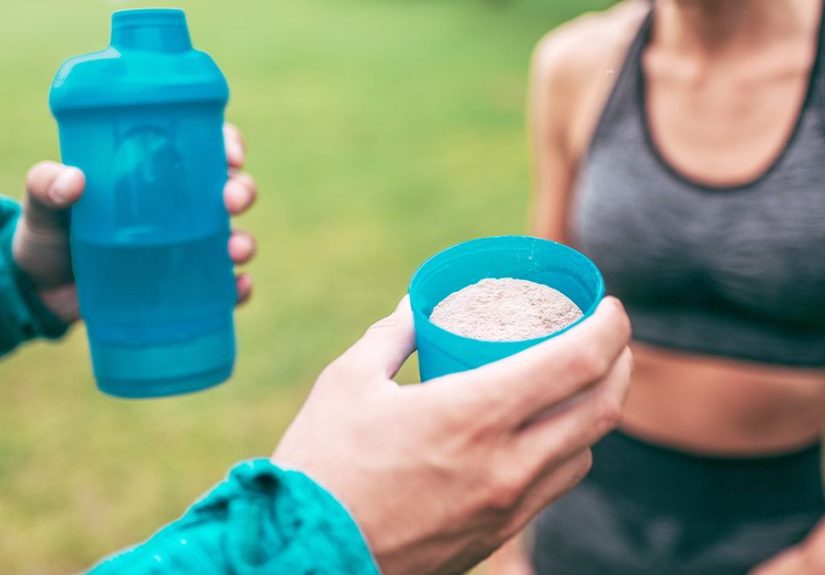
The post-workout protein shake has become the gym’s unofficial handshake. Lift, sweat, selfie, shake. It’s quick, it’s
convenient, and it tastes like “Birthday Cake Battery Acid” in the best possible way.
But here’s the plot twist: for a lot of people, that shake may not do much for muscle growth specificallynot because
protein is useless, but because your muscles aren’t grading you on whether you drank a shake within 17 seconds of racking
the barbell. They care about the bigger picture: your total daily protein, your training stimulus, and whether you’re
consistently giving your body what it needs to rebuild.
Let’s break down what the science actually suggests, when protein shakes help, when they’re basically just expensive
flavored calories, and how to set up post-workout nutrition that supports real progress.
What Your Muscles Actually Need After Training
1) A training signal (the workout)
Resistance training is the “construction permit.” It creates the stimulus for your body to adaptrepairing tissue and
building stronger muscle fibers over time. Without that signal (progressive overload, adequate volume, consistency),
nutrition can’t magically build muscle out of thin air.
2) Enough building blocks (protein and total calories)
Protein provides amino acidsespecially essential amino acidsyour body uses to repair and build muscle. But muscle growth
is not a single-meal event. It’s the result of repeated training sessions plus enough nutrition across the day and week.
If you’re already eating enough protein overall, the “extra” you add via a shake often has diminishing returns.
3) Time (and sleep, and recovery)
Muscle remodeling takes time. The goal isn’t to “feed the workout.” It’s to consistently support recovery so the next
session is betterand the next month looks different in the mirror.
The “Anabolic Window” Is Bigger Than the Internet Told You
For years, fitness culture sold a dramatic story: miss your post-workout shake and your muscles will pack up and leave.
In reality, the idea of a tiny, must-hit window has been seriously challenged. Research reviews and analyses have found
that protein timing around workouts is far less critical than simply consuming adequate protein overall.
Translation: if you lift at 6 p.m. and eat a normal dinner with protein at 7:30 p.m., your muscles are not filing a
complaint.
That doesn’t mean timing is meaninglessjust that it’s usually a “nice-to-have” rather than a “must-do,” especially for
people who already eat protein regularly throughout the day.
So… Do Protein Shakes Help After a Workout?
Yeswhen they help you hit your total protein target. Nowhen you’re already hitting it, and
you’re adding a shake “because that’s what you do.”
Protein shakes can be useful if:
- You struggle to eat enough protein (busy schedule, low appetite, limited cooking time).
- You train hard and need convenient calories (two-a-days, high volume, endurance + lifting).
- You’re in a calorie deficit and want a simpler way to protect lean mass.
- You’re older and find it harder to eat enough high-quality protein per meal.
- You finish workouts and can’t eat real food for a while (commute, meetings, travel).
A shake may not do much extra if:
- Your daily protein is already adequate and evenly spread across meals.
- Your training consistency is shaky (no pun intended) and you’re trying to out-supplement missed workouts.
- You’re using the shake as a “muscle insurance policy” while sleep and recovery are a mess.
How Much Protein Do You Need for Muscle and Recovery?
Your needs depend on body size, training style, age, and goals. But for people aiming to build or maintain muscle with
regular training, many sports nutrition experts land in a higher-than-RDA range.
Practical targets many active people use
- Daily protein: roughly 1.4–2.0 g/kg/day for most exercising adults.
- Per meal: about 0.25–0.30 g/kg after exercise is a common guideline (and often works well as a per-meal anchor).
If math makes your eyes glaze over, here are easy examples:
- 150 lb (68 kg) person: ~95–135 g/day, with many meals landing around ~20–30 g protein.
- 200 lb (91 kg) person: ~125–180 g/day, with meals often around ~25–40 g protein.
Key idea: once you’re consistently near that “enough” zone, adding more and more proteinespecially from supplementsoften
gives smaller benefits than improving training quality, total calories, or sleep.
What’s in a Post-Workout Shake, and Why It’s Not Magic
Whey is fast and effectivebut not exclusive
Whey protein is popular because it’s high in essential amino acids and is rich in leucine (a key trigger for muscle protein
synthesis). It digests quickly, which can be helpful when you need convenience.
But “fast” doesn’t automatically mean “better.” Some research suggests different protein sources can still support muscle
protein synthesis over the recovery window. And in real life, most people aren’t choosing between whey and nothingthey’re
choosing between whey and lunch.
Whole foods come with bonus nutrients
A shake is mostly protein (sometimes plus sweeteners, gums, and flavorings). Whole foods bring additional nutrients that
support training: calcium and vitamin D from dairy, iron and B12 from meat, fiber and minerals from legumes, and so on.
For many people, a food-first approach works great.
Food-First Post-Workout Options (That Aren’t Boring)
If the main reason you drink a shake is “because that’s what gym people do,” consider using real food insteadespecially
if you’re already near your daily protein target.
Fast options (10 minutes or less)
- Greek yogurt + fruit + granola (protein + carbs for refueling)
- Chocolate milk (yes, the classiceasy protein and carbs)
- Cottage cheese + berries (high-protein and simple)
- Tuna packet + crackers (portable, salty, effective)
- Egg sandwich (protein + carbs, very “real life”)
Full meal ideas (when you can eat properly)
- Chicken bowl: rice + chicken + veggies + olive oil or avocado
- Salmon plate: potatoes + salmon + salad
- Bean-and-beef chili (protein + carbs + fiber)
- Tofu stir-fry: noodles or rice + tofu + mixed vegetables
Notice the pattern: protein plus carbs is often a smart combo for recoveryespecially if you trained hard and want to feel
human again tomorrow.
When a Protein Shake Is Actually a Great Idea
Protein shakes shine when they solve a real problem:
You don’t have time to eat
If you finish a workout and you’re sprinting to work, a shake can be a practical bridge until your next meal.
You’re under-eating protein
Lots of people think they’re getting plenty of protein, but their meals say otherwise (a coffee for breakfast doesn’t count,
no matter how motivational the cup is). If a shake helps you reach a consistent daily intake, it can support results.
You’re in a calorie deficit
When calories are lower, it’s harder to protect muscle mass. Higher protein targets can be helpful, and shakes can make that
easier to maintain.
You’re older (or your appetite is lower)
With age, it can become harder to stimulate muscle protein synthesis from smaller protein doses. If a shake helps you get a
more robust protein hit, it may be usefulespecially paired with resistance training.
What to Watch Out for With Protein Powders
1) “More protein” can become “more calories”
A shake can be 120 calories… or 600 calories if it’s blended with peanut butter, oats, and optimism. If your goal is muscle
gain, extra calories may be fine. If your goal is fat loss, “post-workout” can quietly become “post-workout dessert.”
2) Quality and contamination concerns
Protein powders are dietary supplements, which means oversight isn’t the same as for prescription medications. Independent
testing and reporting have raised concerns about heavy metals like lead showing up in some products. If you use powders
often, consider choosing brands that use credible third-party testing programs.
3) Digestive issues
Some people get bloating, gas, or stomach discomfortoften from lactose (in whey concentrate), sugar alcohols, or certain
thickeners. If your shake makes you feel like a balloon animal, switch formulas or try a food option.
4) Not everyone should go high-protein
Higher-protein diets are generally considered safe for healthy people, but individuals with kidney disease (or at risk)
should talk with a clinician or registered dietitian about appropriate targets.
How to Make Your Post-Workout Nutrition Actually Work
Step 1: Set a daily protein target you can repeat
Consistency beats perfection. A daily range you can sustain is better than a heroic “clean bulk” plan you quit next Tuesday.
Step 2: Distribute protein across the day
Instead of one mega-dose at night, aim for protein at multiple meals. Many people do well with 25–40 grams per meal (adjusted
for body size), with one of those meals happening after training when it’s convenient.
Step 3: Pair protein with carbs when training is demanding
Carbs help replenish glycogen (your workout fuel tank). If you’re lifting heavy, training longer, or doing intense cardio,
protein-plus-carbs can support recovery better than protein alone.
Step 4: Don’t ignore the boring super-supplement: sleep
You can buy the fanciest protein powder on earth, but if you’re sleeping five hours a night, your recovery will still look
like a loading screen stuck at 12%.
Quick FAQ
Is it “bad” to drink a protein shake after a workout?
Not inherently. If you like it and it helps you meet your daily protein, it can be a useful habit. It’s just not a magic
muscle switch by itself.
Do I need protein within 30 minutes?
Usually, no. If you ate protein within a few hours before training and you’ll eat again afterward, you’re likely covered.
The “rush” matters most when you won’t be eating for a long time or you train again soon.
What’s a simple post-workout protein amount?
Many people do well with roughly 20–40 grams of high-quality protein after training, adjusted for body size and appetite.
What if I train early and don’t want breakfast?
That’s one of the best cases for a shake: quick, drinkable, and easier than chewing eggs at 6 a.m. when your soul is still
asleep.
Real-World Experiences: What People Notice (The 500-Word Reality Check)
In the real world, people’s experiences with post-workout protein shakes tend to fall into a few familiar categoriesand
they’re not always about muscle growth.
First: the “shake helped me because I wasn’t eating enough” crowd. This is incredibly common. Someone starts
lifting, drinks a shake after workouts, and suddenly they’re gaining strength and seeing changes. The shake gets the credit,
but the behind-the-scenes hero is often total protein intake finally reaching a consistent level. Many folks realize their
“normal” day had surprisingly low protein: a pastry breakfast, a light lunch, and a dinner that wasn’t as protein-heavy as
they assumed. The shake becomes an easy anchorlike a daily checkbox that improves the whole nutrition pattern.
Second: the “I felt less sore, so it must be working” crowd. Sometimes a shake does coincide with better
recoveryespecially when it adds both protein and calories after training. But soreness is tricky. It’s influenced by sleep,
stress, hydration, workout novelty, and how aggressively you increased volume. People often attribute “less soreness” to the
shake when the real driver is that they’re simply fueling more consistently and not under-eating after hard sessions.
Third: the “I’m doing everything right… why am I not growing?” crowd. This is where protein shakes can become
a distraction. A lot of lifters already hit solid protein numbers, but their training lacks progressive overload, their
recovery is inconsistent, or their total calories are too low to support mass gain. In that situation, adding a post-workout
shake feels productive (and tastes great), but it may not move the needle much. Often the bigger breakthrough comes from a
smarter program, more weekly volume, or simply eating enough overallnot from changing the exact timing of protein.
Fourth: the “shakes mess up my stomach” crowd. Also common. People report bloating, gas, or a heavy feeling
especially with lactose-containing powders, sugar alcohols, or overly thick “mass gainer” blends. Many end up switching to
whey isolate, a plant blend they tolerate better, orplot twistjust eating Greek yogurt or a turkey sandwich because their
digestive system prefers food to laboratory foam.
Fifth: the “it’s just convenient” crowd. And honestly, this is a great reason. Busy parents, shift workers,
students, and travelers often use shakes not because they believe in a mythical anabolic portal, but because it’s the only
realistic way to get protein between responsibilities. Convenience is a performance enhancer in disguise: it helps you stay
consistent, and consistency is what builds muscle.
Bottom line from lived experience: protein shakes can be helpful tools, but most of the “magic” comes from what they make
easiermeeting daily protein needs, recovering with enough calories, and staying consistentrather than the post-workout
timing itself.
Conclusion
Protein shakes aren’t villains and they aren’t superheroes. If a shake helps you reach a realistic daily protein target,
it can absolutely support muscle recovery and progress. But if you’re already eating plenty of protein, the post-workout
shake may not add muchbecause muscle growth is driven more by total intake, training quality, and recovery than by a
narrow “anabolic window.”
If you love your shake, keep it. If you’re tired of paying “Birthday Cake Premium Pricing,” swap in real food and focus on
the fundamentals. Either way, your muscles mostly want the same thing: consistent training and consistent nutrition.