Table of Contents >> Show >> Hide
- What Is a Rain Barrel and Why Should You Use One?
- Main Rain Barrel Options for Homeowners
- How to Choose the Right Rain Barrel Size
- Must-Have Rain Barrel Features
- Where to Place a Rain Barrel
- Safe Uses for Rain Barrel Water
- Maintenance Tips That Keep Your Rain Barrel Working
- Common Rain Barrel Mistakes to Avoid
- Are Rain Barrels Legal?
- Best Rain Barrel Option by Situation
- Rain Barrel Cost and Value
- Extra Experience Section: Real-Life Lessons From Using Rain Barrels
- Conclusion
Rain barrels are the home improvement project equivalent of finding money in the laundry: simple, surprisingly satisfying, and a little embarrassing that we were letting it slip away for so long. Every time rain runs off your roof, through your gutters, and into the street, your yard loses a free supply of water that could have helped flowers, shrubs, trees, and thirsty container plants survive the next dry spell.
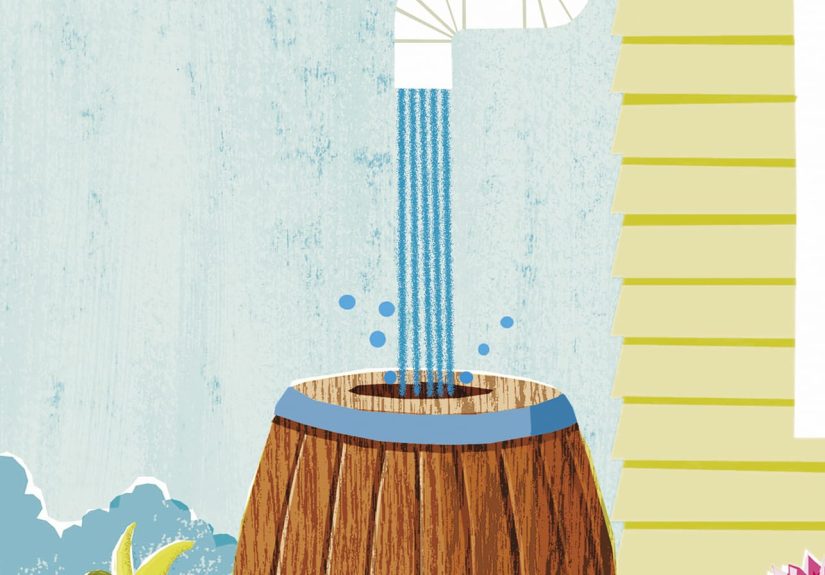
A rain barrel is a container connected to a roof downspout that captures and stores rainwater for later use. It is one of the easiest entry points into sustainable water collection because it does not require a giant underground tank, a degree in hydrology, or a backyard that looks like a municipal utility station. Most homeowners start with one 50- to 65-gallon barrel, learn how fast it fills, and then decide whether to expand.
And yes, it fills faster than people expect. A common water-conservation estimate is that one inch of rain falling on 1,000 square feet of roof can produce about 623 gallons of runoff. That means a standard rain barrel can fill during a modest storm, especially if it is connected to a busy downspout. Translation: your roof is already doing half the work. The barrel just shows up with a bucket and a clipboard.
This guide explains the best rain barrel options, how to choose the right size and material, what features matter, how to install one safely, and how to maintain it without accidentally creating a mosquito resort with waterfront views.
What Is a Rain Barrel and Why Should You Use One?
A rain barrel collects rainwater from your roof through a gutter and downspout system. The stored water is typically used outdoors for lawns, ornamental plants, trees, shrubs, raised beds, and general garden tasks. Because roof runoff can pick up dirt, pollen, bird droppings, asphalt particles, bacteria, and other contaminants, rain barrel water should be treated as non-potable. In plain English: do not drink it, do not cook with it, and do not pretend it is artisanal cloud juice.
Used correctly, a rain barrel offers several practical benefits. It can reduce demand on municipal or well water, lower outdoor water use during warm months, help manage stormwater runoff, and give gardeners a backup supply during short dry periods. It can also reduce erosion near downspouts because water is redirected into storage instead of blasting mulch across the yard like a tiny weather-related crime scene.
Main Rain Barrel Options for Homeowners
Rain barrels come in more styles than most people expect. Some are purely practical, some are decorative, and some are so attractive they look like they should be charging rent on a patio. The best choice depends on your climate, available space, garden size, budget, and how visible the barrel will be.
1. Plastic or Resin Rain Barrels
Plastic and resin rain barrels are the most common option for residential use. They are lightweight, affordable, widely available, and resistant to rust and rot. Many models hold between 45 and 80 gallons, which is enough for watering container plants, small beds, or a section of landscaping after a storm.
The main advantage is convenience. Most ready-made resin barrels include a screened inlet, spigot, overflow outlet, and sometimes a hose connection. They are easy to move when empty and simple to clean. The downside is that lower-quality plastic can become brittle after years of sun exposure, so look for UV-resistant material if the barrel will sit in full sun.
2. Recycled Food-Grade Barrels
Recycled food-grade barrels are popular with DIY homeowners because they are sturdy, inexpensive, and often made from heavy-duty plastic. Many were originally used to store food ingredients, which makes them safer than random industrial containers. The important rule is simple: know what was in the barrel before you bring it home. If it previously held unknown chemicals, solvents, or anything you would not want near your tomatoes, leave it alone and let it live its mysterious second life elsewhere.
A DIY recycled barrel usually needs a spigot, overflow fitting, screen, and downspout connection. It can be a cost-effective project, but the fittings must be watertight, and the top must be secured to keep out mosquitoes, leaves, and curious wildlife.
3. Wooden Rain Barrels
Wooden barrels bring a traditional garden look that plastic cannot quite match. They can blend beautifully with cottage gardens, rustic patios, and historic homes. Some are made from repurposed oak barrels, which gives them character and a “tiny winery in the backyard” vibe.
However, wood requires more maintenance than plastic. It may dry out, leak, swell, or need periodic care depending on the material and climate. Wooden barrels are often heavier and more expensive. They are best for homeowners who value appearance and do not mind a little upkeep.
4. Decorative Stone-Look, Clay-Look, and Urn-Style Barrels
Decorative rain barrels are designed for front yards, patios, and visible garden spaces where a bright blue drum would cause neighborhood drama. These barrels often resemble stone, terra cotta, ceramic urns, or planter-topped containers. Some even include a shallow planting area on top, allowing you to grow flowers while storing water below.
The benefit is obvious: they look good. The tradeoff is that decorative barrels may cost more and sometimes hold less water than basic models. Before buying one, check the actual capacity, spigot height, overflow design, and whether the lid can be removed for cleaning.
5. Collapsible Rain Barrels
Collapsible rain barrels are made from flexible materials supported by a frame. They are lightweight, portable, and useful for renters, seasonal gardeners, or anyone who wants storage only during part of the year. When not in use, they can be drained, dried, folded, and stored.
They are practical, but not always as durable or attractive as rigid barrels. They may also need extra care to stay stable when full. Remember, water is heavy: one gallon weighs a little over eight pounds. A full 50-gallon barrel weighs more than 400 pounds before counting the barrel itself. That is not a container anymore; that is a small, damp boulder.
6. Slimline Rain Tanks
Slimline tanks are tall, narrow containers designed for tight spaces along walls, fences, garages, and side yards. They are ideal for urban homes, townhouses, and small lots where a round barrel would block a walkway or annoy everyone carrying groceries.
Slimline models can hold more water than a standard barrel while using less ground space. The key is stability. Because they are tall, they should sit on a level, compacted base and may need to be secured according to the manufacturer’s instructions.
7. Linked Multi-Barrel Systems
One rain barrel is a good start. Two or three connected barrels can make a noticeable difference for larger gardens. Linked systems use overflow hoses or bottom connections to move water from one barrel to the next. When the first barrel fills, the extra water flows into the second, then the third.
This setup is useful because a single 55-gallon barrel may fill quickly during one storm, while the rest of the roof runoff escapes through the overflow. A multi-barrel system captures more of that water and gives you a bigger reserve for dry days.
8. Large Cisterns
A cistern is the bigger, more serious cousin of the rain barrel. While rain barrels often hold less than 100 gallons each, cisterns can hold hundreds or even thousands of gallons. They may be above ground, partially buried, or underground.
Cisterns are best for homeowners with large landscapes, frequent irrigation needs, or serious stormwater-management goals. They cost more and may require permits, pumps, filters, professional installation, or local approval. For most beginners, a standard rain barrel is the better first step. Start small, learn the rhythm of your roof, then decide whether your yard needs a water-storage empire.
How to Choose the Right Rain Barrel Size
The right size depends on roof area, rainfall, garden demand, and available space. A simple formula used by many water-conservation programs is:
Roof area in square feet × rainfall in inches × 0.623 = gallons of potential runoff
For example, if one downspout drains about 250 square feet of roof and a storm drops one inch of rain, that downspout could send roughly 156 gallons toward your barrel. A 55-gallon barrel would fill and overflow before the storm is done. That does not mean a 55-gallon barrel is useless. It simply means you need an overflow plan, and you may want a second barrel if you have enough space.
For small patios and container gardens, a 40- to 55-gallon barrel may be enough. For raised beds, shrubs, or a larger ornamental garden, two linked barrels or a 100-gallon tank may be more practical. For serious irrigation, a cistern or larger tank makes more sense.
Must-Have Rain Barrel Features
A Secure Lid and Fine Screen
A rain barrel should have a tight lid and a screen where water enters. The screen keeps out leaves, roof grit, insects, and debris. It also helps prevent mosquitoes from reaching standing water. If the screen tears, replace it quickly. Mosquitoes are not known for respecting “under repair” signs.
An Overflow Outlet
Every rain barrel needs an overflow. Once the barrel is full, incoming water must go somewhere safe. The overflow should direct water away from your foundation, basement, crawl space, walkways, and neighboring property. Ideally, send excess water to a garden bed, rain garden, lawn area, or another barrel.
A Convenient Spigot
The spigot should be high enough to fit a watering can underneath but low enough to access most of the stored water. Some barrels also include a lower drain plug for cleaning. Brass fittings are often more durable than plastic fittings, but either can work if installed correctly.
A Stable Base
Place the barrel on a flat, strong, level surface such as concrete blocks, pavers, or a purpose-built stand. Elevating the barrel improves gravity flow and makes it easier to fill a watering can. Never place a full barrel on an unstable platform. A tipping rain barrel is basically a slow-motion disaster with excellent hydration.
A Downspout Diverter
A diverter channels water from the downspout into the barrel and can return excess water to the downspout when the barrel is full. Diverters are especially useful in areas where overflow control matters. They also make it easier to disconnect the system during winter.
Where to Place a Rain Barrel
The best location is under a downspout close to the plants you want to water. Choose a spot with firm ground, easy access, and a safe overflow route. Avoid areas where the barrel blocks doors, pathways, utility meters, vents, or emergency access.
Think about convenience. If your vegetable beds are 90 feet away and your hose barely reaches, you may not use the stored water as often as you imagined. Sustainability works better when it does not require a daily obstacle course.
Safe Uses for Rain Barrel Water
Rain barrel water is best for outdoor, non-potable uses. Good uses include watering ornamental plants, trees, shrubs, flowers, lawns, and non-edible landscape areas. It may also be used for rinsing garden tools, cleaning muddy boots, or watering compost piles.
Be more careful with edible gardens. Because roof runoff is not treated drinking water, avoid spraying it directly on leafy greens, fruits, herbs, or vegetables that will be eaten raw. If you use it near edible plants, apply it to the soil around the base, avoid contact with the edible portion, and wash produce thoroughly with safe water before eating. Local extension offices may offer region-specific guidance based on roofing material, climate, and crop type.
Maintenance Tips That Keep Your Rain Barrel Working
Rain barrel maintenance is simple, but it should not be ignored. Clean gutters so leaves and debris do not wash into the barrel. Check the inlet screen after storms. Make sure the overflow is clear. Inspect the spigot for leaks. Empty and rinse the barrel periodically to reduce sediment buildup.
To prevent mosquitoes, keep all openings screened and sealed. Do not leave the lid open. If water sits unused for long periods, drain and refresh the system. Some homeowners use mosquito dunks labeled for water features, but always follow the product directions and confirm that the treatment is appropriate for your intended water use.
In freezing climates, winterize the barrel before hard freezes. Drain it, disconnect it from the downspout, open the spigot, and store it upside down or in a protected area if possible. Freezing water expands and can crack fittings or split the container. In mild climates, year-round use may be possible, but you should still inspect the system before heavy storms.
Common Rain Barrel Mistakes to Avoid
The first mistake is forgetting the overflow. A full barrel without overflow control can dump water right next to the foundation, which is the opposite of helpful. The second mistake is placing the barrel on uneven ground. The third is using an unsafe recycled container. The fourth is assuming rain barrel water is clean enough to drink. It is not.
Another common mistake is buying a barrel that looks lovely but has an awkward spigot. If the spigot is too low, you cannot fit a watering can underneath. If it is too high, you may leave gallons of water trapped below the outlet. Always examine the practical details before falling in love with a barrel that looks like it belongs in a garden magazine.
Are Rain Barrels Legal?
In most places in the United States, small residential rain barrels are allowed, encouraged, or even promoted through local conservation programs. However, rules can vary by state, county, city, homeowners association, and water district. Some areas may have guidelines about storage size, mosquito control, overflow, plumbing connections, or potable use.
Before installing a large system, check local regulations. This is especially important if you live in a drought-prone western state, a community with strict stormwater rules, or an HOA neighborhood where someone once wrote a six-page complaint about mailbox beige.
Best Rain Barrel Option by Situation
Best for Beginners
A 50- to 65-gallon resin barrel with a screened lid, overflow outlet, and spigot is the best starter option. It is affordable, easy to install, and large enough to show real benefits without taking over the yard.
Best for Small Spaces
A slimline tank works well beside a garage, fence, or narrow side yard. Choose a model with a stable base and enough capacity to justify the installation.
Best for Decorative Landscapes
An urn-style or stone-look barrel is ideal for visible areas. It blends with patio furniture, flower beds, and front-yard landscaping while still collecting usable water.
Best for Larger Gardens
Linked barrels or a 100-gallon tank provide more storage for raised beds, shrubs, and dry summer weeks. Add a proper overflow route and consider a hose connection for easier watering.
Best for Serious Water Collection
A cistern is the right choice for high-volume collection, but it requires more planning. Consider professional help for large tanks, pumps, filtration, and code compliance.
Rain Barrel Cost and Value
Rain barrel prices vary widely. DIY recycled barrels may cost less but require tools and fittings. Basic resin barrels are usually budget-friendly. Decorative barrels cost more, and cisterns can become a major investment. The financial payback depends on local water rates, rainfall, outdoor watering habits, and how consistently you use the stored water.
Even when the savings are modest, the environmental value can be meaningful. Rain barrels reduce runoff, help conserve treated water, and make homeowners more aware of how much water a roof sheds during a storm. They also create a satisfying little ritual: rain falls, barrel fills, plants drink, gardener feels clever. Everybody wins, except maybe the water bill.
Extra Experience Section: Real-Life Lessons From Using Rain Barrels
The first lesson most people learn is that one barrel is both more useful and less magical than expected. It is useful because it fills quickly and gives you a free supply for watering. It is less magical because 50 gallons disappears fast during hot weather. A few large containers, a thirsty hydrangea, and one ambitious tomato plant can empty a barrel before lunch. That is not failure; it is information. If your first barrel runs dry often, your garden is politely asking for more storage.
The second lesson is that location matters as much as capacity. A barrel placed near the plants you water most often will get used. A barrel hidden behind the garage, guarded by weeds and one suspicious spider, may become yard sculpture. Put the barrel where it fits naturally into your routine. If you use a watering can, elevate the barrel high enough to slide the can under the spigot. If you use a hose, remember that gravity-fed pressure is gentle. It will not behave like a regular outdoor faucet unless the barrel is elevated or connected to a pump.
The third lesson is to respect overflow. Many beginners focus on collecting water but forget that storms do not stop when the barrel is full. A good overflow setup is not optional; it protects your foundation and keeps paths from becoming slippery. Direct overflow into a lawn, rain garden, mulched bed, or second barrel. Watch the system during the first heavy rain if you can. You will learn more in ten minutes of real weather than in an hour of staring proudly at your new setup.
The fourth lesson is that cleanliness is easier than rescue. Keep gutters reasonably clean, check the screen, and rinse sediment before it turns into mystery sludge. A barrel does not need to be sterile, but it should not smell like a swamp with career goals. If the water smells bad, drain it away from edible plants, clean the barrel, and start fresh.
The fifth lesson is seasonal timing. Install the barrel before the rainy season, not after you have watched three perfect storms vanish down the drain. In cold climates, disconnect before freezing weather arrives. In warm climates, monitor mosquitoes year-round. A rain barrel is low maintenance, not no maintenance. Think of it like a pet rock that occasionally weighs 400 pounds and needs plumbing supervision.
Finally, rain barrels change how you look at your home. Gutters become resources. Downspouts become opportunities. A rainy day becomes less of a gloomy inconvenience and more like your garden getting a delivery. Once you understand how much water your roof can collect, sustainability feels less abstract. It becomes something visible, practical, and pleasantly ordinary: a barrel, a storm, a watering can, and a yard that looks a little happier because you stopped letting good rain run away.
Conclusion
Rain barrel options range from simple plastic barrels to decorative urns, slimline tanks, linked systems, and large cisterns. The best choice depends on your space, budget, climate, rainfall, and watering goals. For most homeowners, a sturdy 50- to 65-gallon barrel with a screen, spigot, overflow, and stable base is the perfect starting point.
The key is to treat rainwater collection as a practical system, not just a container. Choose the right location, direct overflow safely, maintain the screen, avoid potable uses, and expand only after you understand how much water your roof provides. Done well, a rain barrel saves water, supports healthier landscaping, reduces runoff, and makes every storm feel a little more useful.
Note: This article synthesizes current guidance from U.S. environmental agencies, public health resources, cooperative extension programs, and water-conservation organizations. Source links were intentionally omitted as requested.