Table of Contents >> Show >> Hide
- 1. You Are Watering Too Much
- 2. You Are Watering Too Little
- 3. Your Bamboo Is Getting Too Much Direct Sunlight
- 4. Your Water Quality Is Rougher Than You Think
- 5. Fertilizer Trouble Is Throwing Things Off
- 6. Temperature Swings, Drafts, and Dry Air Are Stressing the Plant
- 7. The Roots Are Crowded, Pests Have Moved In, or the Leaves Are Simply Old
- How to Tell Which Problem You Actually Have
- How to Help Yellow Bamboo Recover
- Real-Life Experiences With Yellowing Bamboo
- Final Thoughts
Few plant mysteries are as rude as this one: yesterday your bamboo looked calm, elegant, and very “I drink green juice and meditate at sunrise,” and today it looks like it is auditioning for the role of a sad banana. If your bamboo is turning yellow, the good news is that the plant is not being dramatic for fun. Yellowing is usually a stress signal, and once you figure out the cause, you can often stop the decline and help the plant recover.
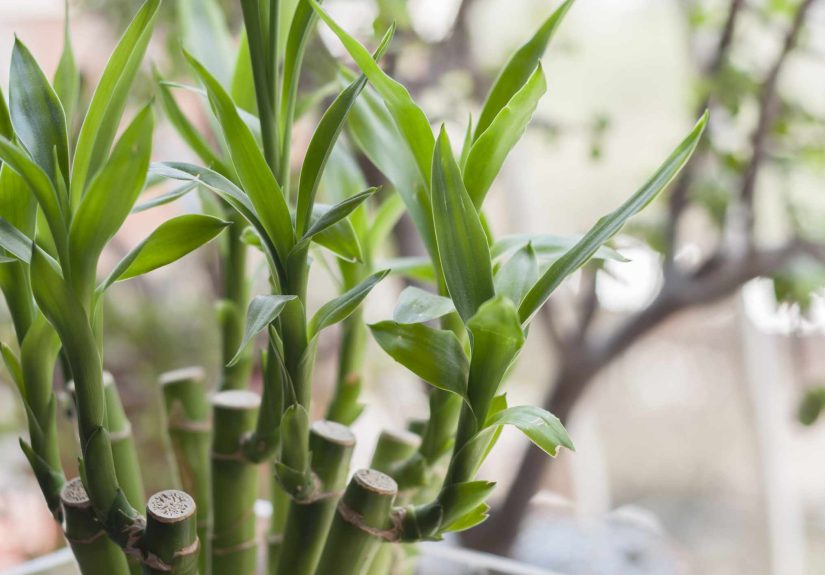
Before we go any further, one important detail: many people asking this question are actually talking about lucky bamboo, which is not true bamboo at all. It is Dracaena sanderiana, a tropical houseplant that looks bamboo-ish enough to fool polite company. True bamboo grown outdoors or in containers can yellow too, but lucky bamboo tends to be the usual suspect on kitchen counters, office desks, and living room shelves.
Either way, yellow bamboo leaves usually point to a problem with water, light, temperature, nutrition, roots, or pests. Sometimes the fix is simple. Sometimes the plant is giving you a long, passive-aggressive memo about your care routine. Here are the seven most likely reasons your bamboo is turning yellow and what to do about each one.
1. You Are Watering Too Much
If bamboo had a complaint box, overwatering would be stuffed in there every single day. One of the most common causes of yellow bamboo leaves is excess moisture. When roots stay wet for too long, they lose access to oxygen, begin to decline, and may eventually rot. Once the root system struggles, the leaves often turn yellow, droop, and lose their healthy shine.
What this looks like
- Leaves yellowing from the bottom or inner part of the plant first
- Soft, mushy stems in lucky bamboo
- Soggy soil or a sour smell from the container
- Black, brown, or slimy roots instead of firm, pale ones
This problem is especially common when lucky bamboo is grown in water that is not changed often enough, or when potted bamboo sits in a container without strong drainage. In outdoor bamboo, constantly wet soil can create the same mess on a larger scale.
What to do: If your plant is in soil, let the top layer dry before watering again and make sure the pot has drainage holes. If it is in water, replace the water, rinse the container, and clean the pebbles or decorative stones. Remove any mushy roots or rotting sections with clean scissors. Think of this as less “spa day” and more “rescue mission.”
2. You Are Watering Too Little
Now for the classic plot twist: yellow leaves can also mean the exact opposite problem. Bamboo does not love being bone-dry for long stretches. When true bamboo in pots or landscapes dries out too much, the leaves can yellow, crisp at the edges, curl, and eventually drop. Lucky bamboo can also suffer if water levels get too low or if soil-grown plants are ignored until they resemble a forgotten prop from a desert movie.
What this looks like
- Dry potting mix pulling away from the edges of the container
- Leaves that feel thin, papery, or crispy
- Yellowing paired with browning tips or margins
- Wilting that improves after proper watering
Outdoor bamboo often shows drought stress during hot spells, windy weather, or when roots are competing with nearby trees and shrubs. Container bamboo dries even faster because pots heat up and lose moisture quickly.
What to do: Water thoroughly and consistently rather than giving the plant tiny pity sips. For soil-grown bamboo, water until moisture reaches the root zone, then wait until the top layer starts to dry before watering again. For lucky bamboo in water, make sure the roots stay submerged but not buried in stale, swampy liquid. The goal is steady moisture, not chaos.
3. Your Bamboo Is Getting Too Much Direct Sunlight
Bamboo may look tough, but many indoor types are not interested in baking under harsh afternoon sun. Lucky bamboo, in particular, prefers bright, indirect light. Too much direct sunlight can bleach the foliage, scorch the leaves, and turn them yellow or pale before brown damage follows.
Even true bamboo can react badly to sudden changes in light, especially if a container plant moves from a shaded patio to a blazing south-facing spot with no adjustment period. Plants hate surprise makeovers almost as much as people do.
Signs light is the issue
- Yellowing on the side facing the window or strongest sun
- Faded, washed-out leaves
- Dry patches, scorched streaks, or brittle tips
- Yellowing shortly after moving the plant to a brighter location
What to do: Move indoor bamboo to bright, filtered light. A few feet back from a sunny window often works better than directly on the sill. If you want to increase light, do it gradually over a week or two. Outdoor bamboo in containers may benefit from morning sun and afternoon shade, especially in hot climates.
4. Your Water Quality Is Rougher Than You Think
This is the sneaky one. Lucky bamboo and other dracaena relatives can be sensitive to chemicals and mineral buildup in tap water. Fluoride, chlorine, salts, and very alkaline water may all stress the plant. The result can be yellowing, browning tips, or a general “I am not thriving and I want you to know it” look.
If you are using city water straight from the tap, softened water, or mineral-heavy well water, your bamboo might be objecting. And honestly, fair enough.
Clues pointing to water quality
- Yellowing or browning without obvious overwatering or sunburn
- Leaf-tip burn that keeps coming back
- White crust on soil, pot rim, or water container
- Problems showing up despite otherwise decent care
What to do: Try distilled water, rainwater, or filtered water for a few weeks and watch how new growth responds. If the plant is in soil, flush the pot thoroughly once in a while to wash out excess salts. If it is growing in water, refresh the water regularly instead of topping it off forever like a mysterious science experiment.
5. Fertilizer Trouble Is Throwing Things Off
When bamboo turns yellow, fertilizer can be either the hero or the villain. Too much fertilizer can burn roots and leaf edges, causing yellowing or browning. Too little fertilizer can also create problems, especially if the plant has been living in the same exhausted potting mix for ages and is running low on nutrients.
Lucky bamboo is a light feeder. That means it does not want a five-course meal every week. Heavy feeding often backfires, especially in water culture, where nutrients can concentrate fast. True bamboo grown in containers may need more regular feeding than lucky bamboo, but even then, more is not always better.
How to tell the difference
- Too much fertilizer: yellow edges, burned tips, salt crust, sudden decline after feeding
- Too little fertilizer: pale leaves, slow growth, overall weak color, yellowing that develops gradually
- Nutrient deficiency: yellow leaves with greener veins can suggest chlorosis
What to do: If you recently fertilized and the plant started looking worse, stop feeding and flush the soil. If you have not fertilized in a very long time, use a diluted, balanced fertilizer sparingly during the active growing season. For lucky bamboo, less really is more. Think “tiny snack,” not “all-you-can-eat buffet.”
6. Temperature Swings, Drafts, and Dry Air Are Stressing the Plant
Bamboo is not thrilled by dramatic indoor weather. Cold drafts from windows, blasts from heating vents, air-conditioning, sudden relocation, and overly dry air can all trigger yellowing. Lucky bamboo, being tropical, especially prefers stable warmth and does not appreciate living between an icy windowpane and a heater that thinks it is training for a volcano audition.
Outdoor bamboo can yellow seasonally after cold snaps, wind scorch, or heat stress. In some climates, winter bronzing or yellowing is part stress response, part seasonal sulking.
Warning signs
- Yellow leaves appearing soon after moving the plant
- Damage near windows, doors, vents, or radiators
- Brown tips along with yellowing
- Leaf drop after a sudden temperature change
What to do: Keep bamboo away from drafty doors, cold glass, and hot air vents. Aim for a steady indoor environment rather than one that feels like four seasons before lunch. If your home is very dry, a pebble tray or humidifier may help, especially for lucky bamboo and other tropical houseplants.
7. The Roots Are Crowded, Pests Have Moved In, or the Leaves Are Simply Old
Sometimes yellow bamboo leaves are not caused by one giant mistake, but by a slow pileup of smaller problems. A pot-bound plant can struggle to absorb water and nutrients efficiently. Pests such as spider mites, scale, mealybugs, or aphids may weaken the plant and cause yellowing, spotting, or distorted leaves. And yes, sometimes an older leaf simply ages out and turns yellow as the plant sends energy elsewhere.
The trick is to look for patterns. If one or two older leaves near the bottom are yellowing while the rest of the plant looks healthy, that may be normal aging. If lots of leaves are yellowing, sticky residue is present, or you spot cottony clusters or tiny webbing, you likely have a bigger issue.
Check for these clues
- Roots circling tightly around the pot
- Water running straight through without soaking in
- Fine webbing, sticky leaves, tiny moving insects, or white cottony spots
- Only the oldest leaves yellowing while new growth looks healthy
What to do: Repot a crowded plant into a slightly larger container with fresh, well-draining mix. Inspect leaf undersides and stem joints for pests, and treat early with insecticidal soap or another plant-safe control if needed. If the yellowing is limited to an old leaf here and there, trim it off and move on with your life. Plants age. We all do. Some of us just handle it better than others.
How to Tell Which Problem You Actually Have
If all seven reasons now sound possible, do not panic. Plant diagnosis gets much easier when you stop looking at the yellow color alone and start looking at the whole situation.
- Soggy soil + yellow leaves + mushy roots: overwatering
- Dry soil + crispy leaves + curling: underwatering
- Window-side scorch + pale leaves: too much direct sun
- Tip burn + mineral crust + tap water use: water quality or salt buildup
- Decline after feeding: fertilizer burn
- Yellowing after a move or weather change: temperature or light shock
- Sticky leaves, webbing, or cottony residue: pests
In other words, your bamboo is leaving clues. It is a plant detective story, just with fewer trench coats and more pebbles.
How to Help Yellow Bamboo Recover
The first rule of recovery is to stop guessing wildly and changing ten things at once. Pick the most likely cause, correct it, and then give the plant time to respond. Most yellow leaves will not turn green again, so watch the new growth for signs of improvement.
Quick recovery plan
- Check the roots, soil moisture, and container drainage.
- Move the plant to bright, indirect light if needed.
- Switch to gentler water and flush out salt buildup.
- Pause heavy fertilizing and resume only lightly if needed.
- Keep temperatures stable and avoid drafts.
- Inspect for pests and treat early.
- Trim fully yellow leaves to tidy the plant and focus attention on healthy growth.
Consistency usually wins. Bamboo does not need a miracle. It needs a calmer care routine and fewer accidental plot twists.
Real-Life Experiences With Yellowing Bamboo
One of the most common experiences people have with yellowing bamboo starts with complete confidence. The plant is placed in a pretty glass vase with polished stones, set on a bright windowsill, watered with whatever comes out of the kitchen tap, and admired daily like a tiny green sculpture. For a while, everything seems fine. Then one morning the tips start looking pale. A few days later, one stalk goes yellow. Suddenly the owner is on the internet typing, “why is my bamboo turning yellow” with the urgency of a person trying to defuse a bomb.
Another familiar scenario happens with potted bamboo on patios and porches. It looks great in spring, grows quickly in warm weather, and then midsummer shows up with hot wind, inconsistent watering, and a container that dries out faster than anyone expected. The leaves begin to yellow from the edges, some curl, and the plant starts looking tired. In many of these cases, the issue is not one dramatic failure but a few weeks of uneven moisture combined with heat stress. The plant was not doomed. It was just thirsty, root-bound, and mildly offended.
Office lucky bamboo has its own special category of suffering. It often sits under fluorescent lights, near blasting air-conditioning, while well-meaning coworkers top off the water whenever they remember. Sometimes they add a little fertilizer for “extra love,” which plants do not always interpret the way humans intend. The result is classic: yellow leaves, browning tips, and one heroic green stalk holding on like the last employee before a corporate merger.
People also regularly mistake sunlight problems for watering problems. A bamboo plant moved closer to a bright window may yellow quickly, leading the owner to water more often, which only adds a second problem on top of the first one. That stack of stress is common. Plants rarely send a calendar invite before breaking down. They just start changing color and wait for us to connect the dots.
Then there is the relief people feel when they discover the problem is not permanent doom, but something fixable. Switching from tap water to filtered water, moving the plant out of direct sun, repotting into fresh mix, or cleaning out a slimy water container can make a noticeable difference over time. New growth often looks healthier first, and that small improvement feels weirdly triumphant. You start out trying to save a houseplant and end up feeling like a botanical genius because one leaf finally stayed green.
The biggest lesson from these experiences is simple: yellow bamboo usually is not random. It is a response. Once you pay attention to the plant’s environment, the pattern usually becomes clearer. Maybe it is the water. Maybe it is the sun. Maybe it is the drafty window, the cramped roots, or the fertilizer that was meant kindly but delivered like a chemical ambush. Whatever the cause, the yellowing is useful information. Annoying information, yes. But useful. And once you learn to read those signals, you get much better at keeping bamboo green, healthy, and far less emotionally exhausting.
Final Thoughts
If your bamboo is turning yellow, do not assume the plant is beyond saving. Yellow leaves are usually a sign of stress, not a final farewell speech. Start with the basics: check moisture, drainage, light, water quality, temperature, and roots. In many cases, one small correction makes a big difference.
And if your plant is lucky bamboo, remember that it may look like a minimalist jungle icon, but it still has opinions. Give it clean water, gentle light, stable conditions, and a little breathing room. With the right care, it can stop impersonating a lemon and go back to being the calm green showpiece you wanted in the first place.