Table of Contents >> Show >> Hide
- Why This Steak Fajita Burrito Works
- The Best Steak for Fajita Burritos
- Steak Fajita Burritos Ingredients
- Step-by-Step Steak Fajita Burritos
- Serving Ideas
- Variations and Upgrades
- Make-Ahead, Storage, and Reheating
- Common Questions
- Steak Fajita Burritos: What You’ll Learn After Making Them a Few Times (Experience Section)
- Conclusion
If fajitas are the life of the party, burritos are the friend who shows up with snacks, a phone charger, and a plan.
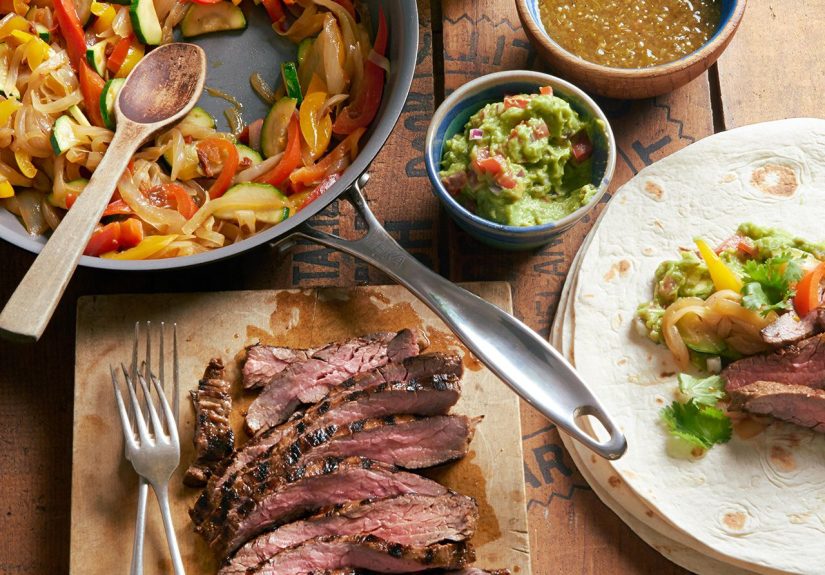
A steak fajita burrito takes everything you love about sizzling fajitasjuicy marinated steak, char-kissed peppers and onions,
limey brightnessand tucks it into a warm tortilla like a delicious edible sleeping bag.
This recipe is built for real life: weeknights, meal prep, picky eaters, and anyone who has ever thought,
“I want fajitas… but I also want to eat with one hand while doing literally anything else.”
Why This Steak Fajita Burrito Works
- High-heat cooking gives you that restaurant-style sear on the steak and that “wow” char on the veggies.[5]
- A simple fajita marinade adds flavor fast, and you can marinate anywhere from quick to overnight without turning the steak into mush.[2]
- Smart layering (rice/beans first, wet stuff later) helps prevent the dreaded “soggy burrito slump.”[7]
- Proper slicing makes tougher-but-flavorful cuts taste tender and bite-friendly.[4]
The Best Steak for Fajita Burritos
For classic fajita vibes, use skirt steak or flank steak. They’re flavorful, quick-cooking, and made for marinades.[3]
If you want an easier chew with less “grain drama,” sirloin works nicely toostill beefy, usually a bit more forgiving.
Quick Cut Guide
- Skirt steak: intense beef flavor, cooks fast, loves a hot grill or cast iron.[3]
- Flank steak: leaner, still great flavor, benefits a lot from slicing thin against the grain.[4]
- Sirloin: more tender, great weeknight option if you don’t want to overthink it.
Steak Fajita Burritos Ingredients
For the Steak Fajita Marinade
- 1 ½ to 2 lb skirt steak or flank steak
- 3 Tbsp lime juice (about 1–2 limes)
- 2 Tbsp neutral oil (or olive oil)
- 2 cloves garlic, minced
- 1 tsp ground cumin
- 1 tsp chili powder
- ½ tsp smoked paprika (optional but highly recommended)
- ½ tsp dried oregano
- ½ tsp kosher salt
- ¼ tsp black pepper
- 1 tsp brown sugar or honey (optionalhelps browning and balance)
For the Fajita Veggies
- 1 large onion, thinly sliced
- 2 bell peppers, thinly sliced (any colors)
- 1 Tbsp oil
- ½ tsp salt
- ½ tsp chili powder (optional)
- 1 Tbsp lime juice (finish)
For Burrito Assembly
- 6 large flour tortillas (10–12 inch)
- 2 cups cooked rice (plain or cilantro-lime)
- 1 ½ cups beans (black beans or pinto; drained and warmed)
- 1 ½ cups shredded cheese (Monterey Jack, cheddar, or a blend)
- ½ cup salsa or pico de gallo
- Optional: sour cream, guacamole, hot sauce, chopped cilantro, sliced jalapeños
Step-by-Step Steak Fajita Burritos
1) Marinate the Steak
In a bowl, whisk together lime juice, oil, garlic, cumin, chili powder, smoked paprika, oregano, salt, pepper,
and sugar/honey (if using). Add the steak and coat well.
Cover and refrigerate for at least 1 hour if you can, and up to 12 hours for deeper flavor.[2]
Short on time? Even a quick marinade while you slice veggies is still better than nothing.
2) Prep Rice and Beans (While the Steak Hangs Out)
Warm your beans with a pinch of salt and a splash of water. For rice, plain works great, but cilantro-lime rice
makes everything taste like a restaurant order (in the best way). If you’re making cilantro-lime rice, stir in lime juice,
lime zest, and chopped cilantro after cooking and fluffing.
3) Cook the Steak Hot and Fast
Heat a cast-iron skillet (or grill) over medium-high to high heat until very hot. Remove steak from marinade and
pat dryyes, really. Dry steak browns better.
Cook steak 2–4 minutes per side (depending on thickness) until nicely browned. Rest the steak 5–10 minutes before slicing.
For food safety, many guidelines recommend cooking whole steaks to 145°F and resting at least 3 minutes.[1]
(You can also cook to your preferred doneness; the burrito will be great either way.)
4) Sizzle the Peppers and Onions
In the same hot skillet, add 1 Tbsp oil. Add onions and peppers, season with salt (and chili powder if you want),
and cook 8–10 minutes, stirring occasionally, until tender with charred edges.[5]
Finish with a squeeze of lime juice and scrape up any browned bits from the pan (that’s flavor you already paid for).
5) Slice Steak Against the Grain
Look for the lines running through the meat (that’s the grain). Slice across those lines, not along them,
and slice thin. This shortens muscle fibers and makes each bite more tender.[4]
6) Warm the Tortillas (Do Not Skip This)
Warm tortillas so they bend without cracking. You can heat them in a dry skillet for 15–30 seconds per side,
or microwave a stack covered with a damp paper towel in short bursts until soft and warm.[6]
7) Assemble Like a Burrito Engineer
Lay a warm tortilla flat. Build a line of filling slightly below the center:
- Base: rice + beans (helps absorb moisture)
- Hot layer: steak + fajita veggies
- Melt layer: cheese (it melts beautifully on warm fillings)
- Cool layer: salsa/pico, sour cream, guac (add last so they stay fresh)
Don’t overfill. I know. This is the hardest part. But an overstuffed burrito is just a salad with commitment issues.
8) Wrap It Tight (No Burrito Blowouts)
Fold the bottom up over the filling, fold in both sides, then roll forward tightly into a cylinder.[7]
Place seam-side down.
Optional but amazing: toast seam-side down in a skillet for 30–60 seconds to seal and crisp the outside.
Serving Ideas
- Classic: serve with salsa, chips, and extra lime wedges.
- Smoky: add chipotle hot sauce or chopped chipotles in adobo to your sour cream.
- Fresh: add shredded lettuce and a squeeze of lime right before eating.
Variations and Upgrades
Make It Spicier
Add sliced jalapeños to the veggie pan, use hot chili powder, or mix chipotle into your marinade for smoky heat.
Make It Cheesy (In a Responsible, Adult Way)
Use a melting cheese like Monterey Jack and toast the finished burrito. You’ll get that gooey pull without turning
the inside into dairy lava.
Sheet-Pan Shortcut
Roast peppers and onions on a sheet pan at high heat while you cook the steak. It’s less hands-on and still tastes great,
especially if you finish with lime.
Burrito Bowl Mode
Skip the tortilla and serve steak fajita everything over rice with beans, salsa, and guac. Same flavors, fewer napkins.
Make-Ahead, Storage, and Reheating
These are fantastic for meal prepif you store them smart.
Best Meal-Prep Strategy
- Prep components (steak, veggies, rice, beans) and store separately for the freshest texture.
- Assemble burritos right before eating, or assemble for grab-and-go and toast when ready.
Food Safety Notes
- Refrigerate cooked foods within about 2 hours of cooking.[8]
- Keep your fridge at or below 40°F for safer storage.[8]
- Reheat leftovers until hot throughout; many guidelines recommend 165°F for reheating leftovers.[8]
Freezer Tip
If freezing assembled burritos, wrap tightly and freeze flat. Thaw overnight in the fridge, then reheat and toast for best texture.
Common Questions
How long should I marinate the steak?
Aim for 1–2 hours when possible. Up to 12 hours works well for deeper flavor without overdoing it.[2]
What’s the secret to tender steak in burritos?
Cook hot and fast, rest it, then slice thinly against the grain.[4] Those three steps turn a flavorful cut into a tender bite.
How do I keep burritos from getting soggy?
Use rice/beans as the base, go easy on watery salsa, and if you’re meal prepping, store salsa and guac separately.
Toasting the outside helps too.
Steak Fajita Burritos: What You’ll Learn After Making Them a Few Times (Experience Section)
The first time you make steak fajita burritos, you’ll probably think the hardest part is the steak. Surprise:
the real boss fight is confidencespecifically, confidence in heat, timing, and not panicking when your kitchen smells
like a very persuasive taco truck.
Here’s what tends to happen as you get more reps in. You start noticing that a fajita marinade isn’t about drowning the steak;
it’s about giving it a head start. Lime, garlic, and spices sink into the surface and turn “plain beef” into “I have plans tonight.”
And once you’ve done it twice, you’ll stop overthinking exact minutes and start paying attention to feelhow the steak looks
when it hits the pan, how it releases when it’s ready to flip, and how resting it changes everything.
You’ll also learn a sneaky truth: fajita veggies are happiest when you leave them alone.
The instinct is to stir constantly like you’re babysitting them. But peppers and onions need little moments of peace to char.
When you let them sit, edges brown, sugars caramelize, and suddenly you’ve got that restaurant flavor that tastes like it took longer
than it did. The sound becomes a cluegentle sizzle means you’re on track; silence means the pan cooled down;
aggressive smoke means it’s time to back off before your smoke detector starts reviewing your cooking in real time.
Burrito assembly is its own learning curve, and honestly, it’s kind of fun. At first, everyone overfills.
It’s a universal human experiencelike thinking you can carry all the grocery bags in one trip. Then you wrap, it splits,
and you end up eating “open-faced burrito casserole” with a fork. Still tasty, just… emotionally different.
Over time, you get the hang of a neat, compact filling line, and you realize a great burrito is about structure:
rice and beans first, then hot fillings, then cheese, then the wetter toppings. That layering isn’t fussyit’s practical.
It keeps the tortilla from absorbing moisture too fast and helps your burrito stay burrito-shaped instead of turning into a sad wrap puddle.
Another thing you’ll notice: tortillas behave like moods. Warm tortillas are flexible and cooperative.
Cold tortillas are dramatic and crack under pressure. Once you build the habit of warming them (skillet or microwave with a damp towel),
wrapping gets easier and the burrito stays tight. And when you start toasting the seam-side down at the end,
it feels like you unlocked a secret upgrade. The tortilla seals, the outside gets a little crisp, and suddenly your burrito is portable,
sturdy, and suspiciously photogenic.
If you meal prep, you’ll develop opinionsstrong onesabout what belongs inside a burrito before freezing.
Some people love freezing fully loaded burritos. Others prefer freezing components and assembling fresh.
Either way, you’ll learn that texture is negotiable. Rice and steak reheat well. Peppers and onions can soften, but they’re still flavorful.
The big “aha”: keep watery salsa and creamy toppings separate when you can. Add them after reheating, and everything tastes brighter.
Finally, you’ll discover your personal signature version. Maybe yours is smoky with chipotle and extra lime.
Maybe it’s comfort-mode with extra cheese and a quick skillet crisp. Maybe it’s “burrito bowl on Tuesdays, burrito wrap on Fridays.”
That’s the magic: steak fajita burritos aren’t just a recipethey’re a format. Once you understand the moves,
you can remix them endlessly and still end up with something that feels like a win.
Conclusion
Steak fajita burritos deliver big flavor with surprisingly little drama: marinate, sear, char, slice, wrap, and enjoy.
Cook the steak hot and fast, slice it against the grain, and don’t skip warming the tortillas. Then customize your burritos
with your favorite beans, rice, and toppingsand toast the seam if you want that “I totally planned this” finish.