
Table of Contents >> Show >> Hide
- What Exactly Is a “Sweet Onion Basket”?
- Why a Workshop (Instead of Just Buying a Basket)?
- What Happens in a Sweet Onion Basket Workshop?
- Meet the Materials: Rattan, Round Reed, and Why Water Is Your Best Friend
- The Technique Behind the Magic: Twining, Tension, and “Trust the Process”
- Why This Basket Works for Onions (And What to Know About Sweet Onions)
- A Quick Vidalia Detour (Because Food Names Get Surprisingly Official)
- Design Choices That Make the Basket Feel Custom
- How to Use Your Sweet Onion Basket Like a Pro
- Want to Host Your Own Sweet Onion Basket Workshop?
- FAQ
- Conclusion
There are two kinds of people in this world: the ones who buy onions in bulk like they’re stocking a medieval pantry, and the ones who pretend they’ll “just grab one onion” and somehow come home with a whole bag. Either way, you eventually face the same question: Where do I put these?
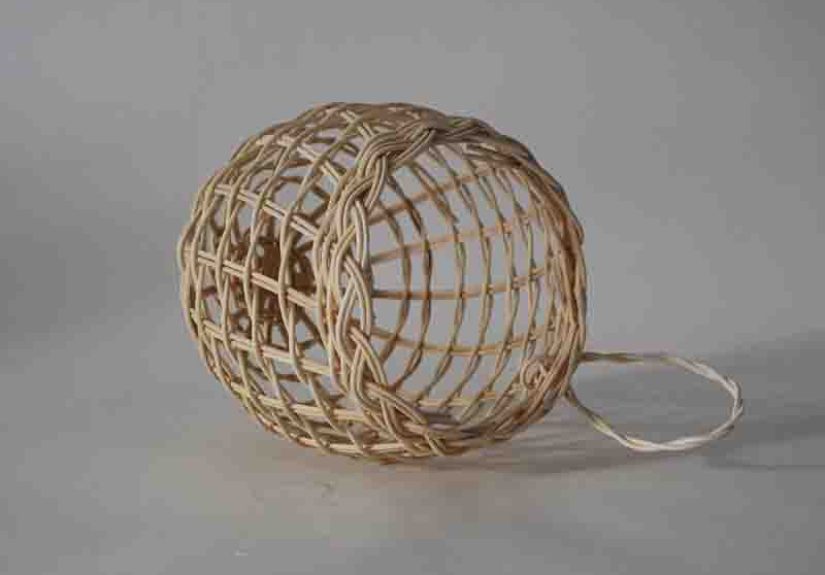
Enter the Sweet Onion Basket Workshopa cozy, coffee-in-hand craft session where you weave an airy, open-weave hanging basket designed to keep onions (and their root-vegetable friends) comfortably ventilated. It’s part home-organization upgrade, part slow-craft therapy, and part “look what I made with my actual hands” bragging rights. And yes, it looks beautiful enough to hang in a kitchen that has never seen a cluttered counter in its life.
What Exactly Is a “Sweet Onion Basket”?
A sweet onion basket is a handwoven, open-weave hanging vesselusually made from rattan/round reedmeant to store onions and other produce that benefit from airflow. The open structure matters: onions don’t love being trapped in a humid, sealed environment, and sweet onions are especially prone to bruising and spoilage because they contain more water than many storage onion varieties. A breathable basket helps keep things dry and ventilated, which is basically the onion version of “let me live.”
The modern Sweet Onion Basket you’ll see in workshops and kits has a specific vibe: functional, sculptural, and a little nostalgiclike the kind of pantry accessory that says “I cook,” even if tonight’s dinner is scrambled eggs and a heroic amount of hot sauce.
Why a Workshop (Instead of Just Buying a Basket)?
Buying a basket is easy. But weaving one is different. A workshop turns a simple household object into a story: you remember the moment the base finally stopped looking like a confused coaster, the instant your sides started standing up, the first time the weave felt rhythmic instead of chaotic. Plus, you learn what makes a basket sturdyso you’ll never look at a wobbly store-bought weave the same way again.
Also: you get a pantry upgrade that actually earns its keep
Onion storage advice is surprisingly consistent: keep onions cool, dry, and ventilated; avoid sealed plastic bags; keep them out of direct sun; and don’t store onions right next to potatoes (they can make each other spoil faster). A hanging, breathable basket is a tidy way to follow that guidance without turning your pantry into a produce obstacle course.
What Happens in a Sweet Onion Basket Workshop?
The Sweet Onion Basket Workshop format that’s been featured in design and home circles is intentionally welcoming: all skill levels are invited, no prior weaving experience is required, and the vibe leans “weave at your own pace” rather than “craft bootcamp.” Some versions even pair the session with coffee, tea, and light bitesbecause creativity tends to improve when nobody’s hangry.
Workshops may also include thoughtful extraslike a printed instructional booklet, a small take-home kit, or a studio magazine so participants can keep practicing after class. It’s a clever way to make a single workshop feel like the start of a hobby instead of a one-time craft fling.
Typical workshop flow
- Orientation: quick overview of materials, how to handle them, and what “open weave” means in practice.
- Base building: setting your foundation so it won’t warp, wobble, or develop a personality.
- Twining and shaping: learning the core motion that builds structure and pattern.
- Finishing: tightening, trimming, and creating a secure hanging loop or rim finish.
- Care and use tips: how to keep the basket looking goodand actually working hard in your pantry.
Meet the Materials: Rattan, Round Reed, and Why Water Is Your Best Friend
Many Sweet Onion Basket kits and classes use round rattan (often called round reed). It’s strong, flexible when damp, and forgiving for beginnersmeaning your learning curve can be more “gentle hill” and less “vertical cliff.” You’ll usually need only a couple of basics to participate: scissors and water. That’s not an exaggerationwater is part of the process, because damp reed bends and weaves cleanly, while dry reed tends to snap at the exact moment you start feeling confident.
Beginner-friendly doesn’t mean boring
Open-weave designs are sneaky like that: the pattern looks airy and effortless, but the structure still depends on consistent tension. So you get a project that’s approachable, but still satisfyinglike baking cookies that look fancy even though you didn’t pipe anything.
The Technique Behind the Magic: Twining, Tension, and “Trust the Process”
A lot of modern kitchen baskets rely on classic basketry techniques, especially twining. Twining is a weaving method where strands wrap around uprights (stakes/spokes), building up the walls while locking the structure together. It’s popular because it creates strength without requiring complicated equipment. The trick isn’t knowing a hundred stepsit’s learning a handful of motions and repeating them with steady tension.
Three skills you’ll practice (without realizing you’re practicing)
- Even tension: not too tight (warps the shape), not too loose (looks sloppy and sags).
- Consistent spacing: open weave still needs intention“airy” is not the same as “accidentally full of holes.”
- Shaping: gently coaxing the basket into a rounded form, like giving it posture lessons.
In a workshop setting, the best part is that your instructor can spot small issues earlylike a base that’s drifting off-center or stakes that are leaningbefore you discover them in the final five minutes when you’re emotionally attached to the basket.
Why This Basket Works for Onions (And What to Know About Sweet Onions)
The “sweet onion” part of the name isn’t just cute branding. Sweet onionsincluding famous varieties like Vidaliaare known for milder flavor and higher water content than many storage onions. That higher moisture makes them more delicate: they bruise more easily, and they generally don’t last as long at room temperature as a tough, sulfur-forward storage onion.
Smart storage, simplified
- Airflow matters: baskets, mesh bags, and other breathable containers help reduce moisture buildup.
- Avoid plastic bags for whole onions: trapped air and moisture can shorten shelf life.
- Keep them cool and out of light: sun and warmth encourage sprouting and spoilage.
- Sweet onions often do better in the fridge: especially when wrapped individually in paper to manage moisture.
- Separate onions from potatoes: storing them close together can speed up spoilage.
Here’s the practical takeaway: an open-weave hanging basket is great for everyday onions and pantry organization, but for sweet onions specifically, you’ll want to use the basket strategically. Keep a few ready-to-use onions in the basket for this week’s cooking, and store the rest properly (often refrigerated and wrapped) so they last longer. Your basket becomes a “working display,” not a place where you gamble the entire onion supply.
A Quick Vidalia Detour (Because Food Names Get Surprisingly Official)
If you’ve heard of Vidalia onions, you probably know they’re a Georgia point of prideand they’re not just “a sweet onion that happens to be sweet.” Vidalia onions are tied to a defined growing region in South Georgia and are protected by a federal marketing order. The origin story often points back to the early 1930s, when growers in the area noticed a mild onion crop that stood out from the usual pungent bite people expected.
The reason this matters in a basket workshop article is simple: sweet onions are a real category with real handling quirks. They’re delicious, but they’re also softer, more bruise-prone, and less suited for long pantry storage. Your lovely woven basket is part of a bigger “treat produce kindly” planespecially when you’re dealing with onions that were basically born to be gentle.
Design Choices That Make the Basket Feel Custom
Even if everyone in the workshop starts with the same general pattern, baskets quickly become personal. The moment you understand the technique, you get choicesand choices are where the fun lives.
Personalization ideas that still keep it functional
- More open vs. more structured: wider spacing is great for airflow; tighter weaving adds stiffness and durability.
- Shape: a rounder “globe” look reads sculptural; a more tapered shape keeps onions contained.
- Hanging length: shorter hang keeps it tidy; longer hang makes it feel dramatic (in a good way).
- Finish: natural reed looks classic; smoked or darker finishes feel moodier and more modern.
The best workshops encourage a pace where you can actually notice these decisions. If you’re racing, you’ll end up with “whatever happened” instead of “the basket I meant to make.”
How to Use Your Sweet Onion Basket Like a Pro
Once it’s hanging in your kitchen or pantry, the basket can do more than hold onions. The open weave makes it perfect for anything that appreciates ventilationor anything you want to keep visible so it actually gets used.
Great uses (besides onions)
- Garlic bulbs
- Shallots
- Small potatoes (short-term, and kept separate from onions when possible)
- Ginger and turmeric roots
- Dry limes or citrus in a well-ventilated space
- Kitchen towels (yes, reallyif the basket is sturdier and you like the look)
A smart approach is to think in “rotation.” Your basket is for what you’ll use soonweekly cooking onions, garlic you grab constantly, shallots you want to stop losing in the back of a drawer. Longer-term storage still follows produce best practices.
Want to Host Your Own Sweet Onion Basket Workshop?
If you’re a maker, a shop owner, a community organizer, or the friend who somehow always ends up planning the group hang, a Sweet Onion Basket Workshop is a strong event idea. It’s useful, approachable, and the final product leaves with the participant (no clutter guilt). Plus, it pairs beautifully with light refreshments and a relaxed “open studio” vibe.
A hosting checklist that keeps things smooth
- Keep class size realistic: smaller groups mean more hands-on guidance, which is everything for beginners.
- Plan for soaking time: weaving material needs to be properly damp for best results.
- Provide towels and table protection: damp reed and pretty tables have a complicated relationship.
- Teach tension early: a five-minute tension demo saves 45 minutes of unraveling later.
- Build in a “fix-it” pause: a scheduled check-in prevents small mistakes from becoming structural opinions.
- Offer a take-home guide: a booklet or simple reference sheet helps people finish confidently at home.
If you’re running the workshop through a store or studio, it also helps to frame the basket as both tool and object: it’s pantry organization with design credibility. That’s a winning combo.
FAQ
Do I need experience to join a Sweet Onion Basket Workshop?
Many workshops are built for beginners and welcome all skill levels. The project is often designed to be approachable, with step-by-step guidance and time to work at your own pace.
How long does it take to weave one?
It varies based on the pattern, the size, and how quickly you find your rhythm. In a workshop, the goal is usually to complete the basket or get far enough that finishing at home feels straightforward (not like a second job).
Is the basket only for onions?
Not at all. It’s ideal for garlic, shallots, and other pantry items that do well with airflow. You can also use it to keep frequently used items visiblebecause the best organization system is the one you actually use.
Should sweet onions go in the basket or the fridge?
Sweet onions are more delicate and often keep best when handled carefully and stored to reduce moisture issuesmany sources recommend wrapping them and refrigerating for longer life. A good compromise is to keep a few in the basket for near-term use and store the rest properly.
Conclusion
A Sweet Onion Basket Workshop is proof that practical can be delightful. You’re not just making a basketyou’re learning a technique, building a functional object, and leaving with something that improves your kitchen every single day. The real flex isn’t the basket itself (though it is pretty). It’s that you can now look at a pile of reed and say, “Yes, I can turn that into structure.”
Bonus: of Workshop Experience (The Human Part)
The first thing you notice in a Sweet Onion Basket Workshop isn’t the patternit’s the sound. There’s a soft, papery whisper when damp reed slides into place, a gentle tap when someone sets their scissors down, and a chorus of tiny laughs every time a beginner realizes they’ve been holding their breath while trying to keep tension even. It’s the kind of room where time behaves differently: your phone feels irrelevant, and “just one more row” becomes a perfectly reasonable life plan.
Then there’s the smellsubtle, clean, almost like fresh wood after rain. Wet rattan doesn’t have the sharp, chemical scent of some modern craft supplies; it feels closer to gardening than glue-gunning. People start conversations the way they do at farmers markets: easy, low-stakes, and oddly specific. Someone mentions they bought too many onions again. Someone else confesses they came for the basket but stayed for the permission to sit still.
You can spot the moment a group “clicks” into rhythm. At first, everyone is counting: over, under, aroundchecking the instructor, checking the booklet, checking the basket like it might suddenly change its mind. But then a few rows in, shoulders drop. Hands stop gripping and start guiding. The weave becomes muscle memory, and people begin to look up while they work. That’s when the workshop turns into something more than a class. It becomes a shared little ritual: coffee sips, a question about pantry storage, a quiet celebration when a base finally lies flat.
The funny part is how quickly the basket earns emotional value. Halfway through, it’s no longer “a project.” It’s your basketslightly asymmetrical in a way you can defend with confidence (“It’s handmade, obviously”). You start noticing details you didn’t care about at the beginning: the way one strand catches the light, how spacing changes the whole mood, how a tiny adjustment makes the shape feel intentional. By the time you’re finishing, people begin holding up their baskets like trophies, comparing silhouettes like they’re judging a runway show for root vegetables.
And when you get home, the basket does something surprisingly powerful: it changes how you treat your space. You hang it up, place a few onions inside, and suddenly the pantry feels curated instead of chaotic. The basket isn’t a miracle workerit won’t stop you from buying onions like you’re feeding a small armybut it gives the everyday a sense of order. It makes the “boring” part of cooking (storage, prep, routine) feel a little more thoughtful.
That’s the lasting win of a Sweet Onion Basket Workshop. You leave with a useful object, sure. But you also leave with proof that a slow, careful process can produce something strong and beautiful. And every time you grab an onion, you’ll remember: you didn’t just organize your kitchenyou wove a small piece of calm into it.







 Close
Close