
Table of Contents >> Show >> Hide
- The Main Types of Hydrangea Shrubs (And Why They Matter)
- How to Choose the Perfect Hydrangea Shrubs for Your Garden
- Planting and Caring for Hydrangea Shrubs
- Hydrangea Color: Science, Myths, and Quick Reality Checks
- Design Ideas: Where Hydrangea Shrubs Really Shine
- Common Hydrangea Problems (And Easy Fixes)
- Real-World Experiences: Living with Hydrangea Shrubs
If your garden feels a little “meh” once spring bulbs fade, hydrangea shrubs are the drama queens you actually want. Huge flower heads, lush foliage, and blooms that keep going for months? Yes, please. Whether your yard is sunny, shady, tiny, or sprawling, there’s a hydrangea that can slide right into your landscape and look like it’s been there forever.
Hydrangeas also happen to be surprisingly low-maintenance when you match the right type to the right spot. Some bloom even after a rough winter. Others glow in full sun, light up shady corners, or put on a fall foliage show that rivals your favorite maple. And if you’ve ever seen a blue hydrangea and wondered, “How do I get that color?”we’ll get to that, too.
Let’s break down the best hydrangea shrubs for your garden, how to choose them, and what they really need to thrive.
The Main Types of Hydrangea Shrubs (And Why They Matter)
“Hydrangea” isn’t just one plant. In home gardens, a handful of species and their modern cultivars do most of the heavy lifting. Knowing which is which helps you pick shrubs that actually fit your climate, sun, and maintenance style.
Bigleaf Hydrangea: The Classic “Garden Hydrangea”
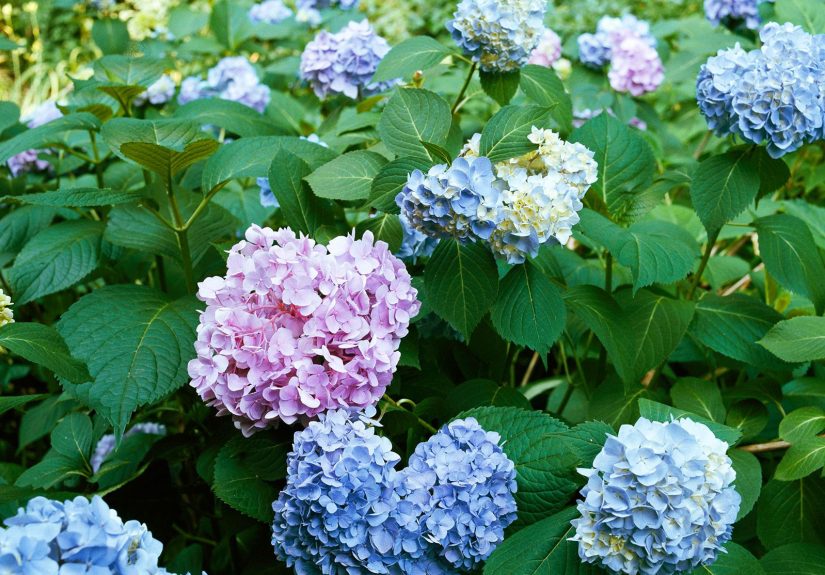
Bigleaf hydrangeas (Hydrangea macrophylla) are the classic cottage-garden shrubs with big, rounded “mophead” or flat lacecap flowers in shades of pink, blue, or purple. They typically grow 2–6 feet tall and wide, depending on the variety, and are hardy around USDA Zones 5–9, with many thriving in Zones 6–9 in particular.
They prefer:
- Light: Morning sun and afternoon shade (especially in hotter Southern climates).
- Soil: Rich, well-drained, consistently moist soil.
- Best for: Foundation beds, shade gardens, mixed borders, and containers where you want premium color and classic, romantic vibes.
Many modern bigleaf hydrangeas are “remontant,” meaning they can bloom more than once in a seasonboth on older stems and on new growthgiving you flowers for much longer when they’re happy.
Panicle Hydrangea: Sun-Loving, Tough, and Reliable
If your yard gets a lot of sun and you thought hydrangeas were off the tablegood news. Panicle hydrangeas (Hydrangea paniculata) actually love sun and are some of the toughest hydrangea shrubs you can plant.
What makes panicle hydrangeas special:
- Light: Full sun to part sun, especially in cooler climates; afternoon shade is helpful farther south.
- Zones: Generally hardy from USDA Zones 3 or 4 up to 8.
- Flowers: Cone-shaped panicles that start white or greenish and often age to soft pink, blush, or even rosy-red in late summer and fall.
- Bloom time: Mid- to late summer into fall, on new wood (this makes pruning easy).
Popular cultivars like ‘Limelight’, ‘Little Lime’, ‘Quick Fire’, and ‘Bobo’ fit everything from large borders to small urban yards. If you want a shrub that shrugs off winter and still blooms its head off, panicle hydrangeas are your new best friend.
Smooth Hydrangea: The Easy, Beginner-Friendly Native
Smooth hydrangeas (Hydrangea arborescens) are native to parts of the eastern United States and are famously forgiving. They handle colder climates, bloom on new wood, and don’t complain much about pruning mistakes.
Highlights of smooth hydrangeas:
- Zones: Often hardy from USDA Zones 3–8.
- Light: Part shade to full sun in cooler areas, with extra moisture in sunnier spots.
- Flowers: Big mophead or lacecap clusters, traditionally in creamy white (like ‘Annabelle’), but newer varieties also offer pink and soft purple tones.
- Care level: Very low; they bloom reliably even after a hard cutback.
Because they bloom on new growth, you can cut them back in late fall or early spring to encourage stronger stems and larger flower heads. They’re great for beginners who want sure-thing blooms.
Oakleaf Hydrangea: Four Seasons of Interest
Oakleaf hydrangeas (Hydrangea quercifolia) bring extra personality to the hydrangea party. Their large, oak-shaped leaves give them a bold texture, and those leaves turn spectacular shades of red, burgundy, and bronze in fall.
Why oakleaf hydrangeas are worth a spot:
- Zones: Usually hardy around Zones 5–9.
- Light: Best in part shadeespecially afternoon shade in hot climates.
- Flowers: Elongated, cone-shaped panicles that can be white, creamy, or blush, aging to pink or tan.
- Bonus: Attractive peeling bark in winter, so they look good even when bare.
Oakleaf hydrangeas bloom on old wood, so pruning is minimaljust a light tidy after flowering if needed. They shine in woodland borders, under tall trees, or as a specimen near a patio.
Mountain and Specialty Hydrangeas
Mountain hydrangeas (Hydrangea serrata) look similar to bigleaf hydrangeas but are typically smaller and a bit more cold tolerant, often grown in cooler regions where bigleaf types struggle. Climbing hydrangeas (Hydrangea petiolaris) are woody vines that can cover a wall or sturdy fence with lacey white blooms in summer.
For most home gardens, though, your core “perfect” hydrangea shrubs will be bigleaf, panicle, smooth, or oakleaf types.
How to Choose the Perfect Hydrangea Shrubs for Your Garden
Hydrangeas are only “easy” if they’re in the right place. Before you fall in love with a plant tag, run through these quick filters.
1. Start with Your Climate (USDA Zone)
Hydrangea shrubs vary in cold hardiness:
- Colder climates (Zones 3–5): Lean on smooth and panicle hydrangeas; many are hardy down to Zone 3 and still bloom well after tough winters.
- Moderate climates (Zones 5–8): You can mix bigleaf, panicle, smooth, and oakleaf hydrangeas, choosing varieties suited to your exact zone.
- Warmer climates (Zones 8–9): Bigleaf and oakleaf hydrangeas often appreciate afternoon shade and consistent moisture; some smooth and panicle types still do well in cooler microclimates.
A quick check of the hardiness range on the plant tag can save you years of frustration.
2. Match Light: Full Sun vs. Part Shade
Sunlight is where many gardeners go wrong. In general:
- Bigleaf and oakleaf hydrangeas: Prefer morning sun with afternoon shade. In northern areas, they may tolerate more sun if soil stays moist. In the South, hot afternoon sun can scorch leaves and wilt blooms.
- Panicle hydrangeas: Handle full sun well, especially in cooler zones. In hotter climates, a bit of afternoon shade keeps them happier.
- Smooth hydrangeas: Flexible, but they look best with partial shade or all-day dappled light, especially where summers are intense.
Observe your yard for a day. Spots with four to six hours of morning sun and afternoon shade are ideal for many popular hydrangea shrubs.
3. Think About Size and Shape
Hydrangeas can be compact little mounds or big, billowy shrubs that fill a corner of the yard. Before buying, check the mature height and width:
- Compact hydrangeas (2–4 feet): Great for front-of-border plantings, foundation beds, and smaller urban yards.
- Medium shrubs (4–6 feet): Perfect as anchor plants, informal hedges, or screens.
- Larger types (6+ feet): Best for back-of-border, property edges, or where you want a “shrubby backdrop” for the rest of the garden.
Planting a 6-foot hydrangea 12 inches from your front steps is a guaranteed way to be out there with pruning shears, muttering under your breath, every summer.
4. Decide If Bloom Color Flexibility Matters
Not all hydrangea shrubs can change color. Here’s the cheat sheet:
- Bigleaf and mountain hydrangeas: Flower color often responds to soil pH and available aluminum. Acidic soil (roughly pH 5.2–5.5) tends to produce blue blooms, while more alkaline soil (around 6.6 and above) leans pink. Neutral zones may give you purple or mixed tones.
- Panicle, smooth, and oakleaf hydrangeas: These usually stay close to their genetic color, shifting naturally from white to pink or tan as blooms age, but not turning bright blue.
If you have your heart set on intense blue hydrangea shrubs, look for pH-responsive bigleaf varieties and be prepared to test and amend your soil over time.
Planting and Caring for Hydrangea Shrubs
Best Time and Method to Plant
Hydrangeas do best when planted in spring or early fallafter the risk of hard frost has passed but before extreme heat settles in. This gives roots time to establish while temperatures are moderate.
- Dig a planting hole about twice as wide as the root ball and just as deep.
- Loosen the roots gently if they’re circling the pot.
- Set the plant so the top of the root ball is level with the surrounding soil.
- Backfill with native soil improved with compost if needed, but avoid heavy fertilizer at planting time.
- Water deeply to settle soil around the roots and add a 2–3 inch layer of mulch, keeping it a couple of inches away from the stems.
Watering: Moist, Not Marshy
Hydrangea shrubs like consistent moisture, especially in their first couple of seasons. Aim for deep, infrequent watering rather than a daily sprinkle. A general target is about 1 inch of water per week, more during hot, dry spells or in full sun.
Signs you may need to adjust:
- Wilting in the afternoon but recovering by evening: Fairly normal during heat waves, especially for bigleaf hydrangeas.
- Drooping that doesn’t bounce back and yellowing leaves: Could indicate overwatering or poor drainage.
Fertilizing Hydrangeas for Healthy Growth
Most hydrangea shrubs appreciate a slow-release, balanced or slightly nitrogen-lean fertilizer in early spring. Products with an N-P-K ratio around 3-1-2 or 3-1-1 are often recommended for general shrub health.
Tips for feeding without overdoing it:
- Apply once in early spring around the drip line, not right up against the stems.
- In richer soils, many hydrangeas won’t need a second application; if you do feed again, mid-summer is usually the cutoff.
- Too much nitrogen can give you lush foliage but fewer blooms.
- Excess phosphorus can interfere with aluminum uptake in color-changing hydrangeas, limiting blue tones.
Pruning Hydrangeas Without Losing Next Year’s Blooms
Pruning hydrangea bushes scares a lot of gardeners, and for good reasoncut at the wrong time, and you may remove next year’s flower buds. Fortunately, the rules are simple once you know your shrub type:
- Bloom on old wood (previous season’s growth): Bigleaf and oakleaf hydrangeas typically fall into this category. Prune right after flowering, only to shape lightly or remove dead/damaged stems. Avoid heavy late-fall or early-spring pruning.
- Bloom on new wood (current season’s growth): Panicle and smooth hydrangeas bloom on new stems that grow each year. They can be pruned in late winter or early spring. Some gardeners cut them back by one-third to one-half to control size and encourage sturdy flowering stems.
If you’re unsure, the safest move is minimal pruningjust remove obviously dead wood and crossing branches. You can always do more next year once you’ve observed when and where your shrub sets buds.
Hydrangea Color: Science, Myths, and Quick Reality Checks
Hydrangea shrubs have inspired endless “tricks” for getting blue or pink blooms. A few are grounded in science; others are more garden folklore than fact.
Soil pH and Aluminum: The Real Color Changers
On bigleaf and some mountain hydrangeas, color shifts mainly depend on:
- Soil pH: Acidic soil (roughly pH 5.2–5.5) encourages blue blooms; neutral to slightly acidic soils (around pH 5.6–6.5) can produce purple or mixed tones; more alkaline soil (pH 6.6–7.5+) shifts toward pink and red.
- Aluminum availability: In acidic soils, aluminum is more soluble and can be taken up by the plant, pushing color toward blue. In alkaline soils, aluminum becomes less available, leading to pink tones.
If you want to influence color, the first step is a soil test. Then, adjustments can be made slowly using products like garden sulfur (to lower pH) or lime (to raise pH), or specialized hydrangea color products. Fast, drastic changes are not recommendedyour plants don’t like pH whiplash.
Coffee Grounds and Other Myths
Coffee grounds have become a viral “hack” for blue hydrangeas, but they’re not a reliable way to shift soil pH enough to make a real difference. Spent grounds tend to be only slightly acidic to nearly neutral, and dumping a lot of them around shrubs can actually disrupt soil structure and water movement.
They’re fine in compost or used sparingly as part of a balanced soil amendment strategy, but if your main goal is vibrant blue hydrangea blooms, soil testing and appropriate pH amendments are far more effective.
Design Ideas: Where Hydrangea Shrubs Really Shine
1. A Hydrangea Hedge for Instant Curb Appeal
Line your front yard or side property line with a repeating row of panicle or smooth hydrangeas. Choose varieties with similar height and bloom time so you get a cohesive, cloud-like wall of flowers in summer.
2. Shady Sanctuary Corner
Combine bigleaf or oakleaf hydrangeas with ferns, hostas, and shade-loving perennials under a tree or along the north side of your home. The hydrangeas become the main structural shrubs, while the perennials add texture at their feet.
3. Four-Season Focal Point
Oakleaf hydrangeas make excellent specimen shrubs near patios or picture windows. They offer white blooms in early summer, rich fall foliage, and interesting bark in winter. Place one where you’ll see it in all seasonsit earns the space.
4. Container Hydrangeas on the Patio
Compact bigleaf hydrangeas can thrive in large containers with good drainage and quality potting mix. Group a few around a seating area for a lush, resort-like feeljust remember container plants need more consistent watering and occasional feeding.
Common Hydrangea Problems (And Easy Fixes)
- No blooms: Possible causes include wrong pruning time (buds removed), late spring frost damage to flower buds, too much shade, or heavy nitrogen fertilization. Check each factor one by one.
- Floppy stems: Very large flower heads on smooth or panicle hydrangeas can weigh stems down. Prune to encourage stronger stems, or select newer varieties bred for sturdier growth.
- Scorched leaves: Sunburn from intense afternoon sun or insufficient water. Move shade-lovers to a more protected spot or bump up your watering routine.
- Yellowing leaves: Could signal overwatering, poor drainage, or a nutrient imbalance. Check soil moisture first and adjust watering before reaching for fertilizer.
Real-World Experiences: Living with Hydrangea Shrubs
On paper, hydrangea shrubs are straightforward. In real gardens, they’re a little more like that friendly neighbor who occasionally shows up at your door with unexpected dramabut always brings a great dessert.
Picture a small suburban front yard with a basic builder lawn and one lonely evergreen. The homeowners wanted a softer, more welcoming look, but they also had a tight budget and busy schedules. They decided to gamble on hydrangeas after seeing a neighbor’s panicle variety glow at sunset all summer long.
They started with three compact panicle hydrangeas along the front walkway. The first year, the shrubs looked a bit awkwardmore sticks than shrub, with a few hopeful blooms. But by the second summer, those same plants exploded with creamy-white flowers that aged to blush pink. The neighbors started asking what variety they were and when to plant them. (Suddenly, the yard that once blended into the block became a conversation starter.)
Encouraged, the homeowners added a bigleaf hydrangea on the shadier side of the house. The first year, it bloomed a soft pink. A soil test revealed their soil was slightly alkaline, so they decided to see if they could nudge the blooms toward blue. They added a hydrangea-friendly soil acidifier in small, measured doses over several months and mulched with pine needles. The following summer, the flowers came in a rich, purple-leaning mixsome still pink, some almost blue. It wasn’t instant magic, but it was deeply satisfying to see gradual changes and learn how soil chemistry translated into real-life color.
There were hiccups. One winter, an enthusiastic pruning session took out more old wood than it should have. The next summer, the bigleaf hydrangea produced lush leaves but barely any blooms. Lesson learned: not all hydrangeas want the same haircut. They responded by switching their pruning strategyold-wood types got only a light tidy right after flowering, while panicle and smooth hydrangeas were cut back more confidently in early spring. The following year, the shrubs rewarded them with a better show.
Over time, the hydrangeas transformed more than just the look of the yard; they changed how the homeowners interacted with their outdoor space. Instead of seeing the garden as another chore, they began to notice patterns: which plants wilted first during heat waves, how the morning light hit the panicle blooms, and when the oakleaf hydrangea’s foliage started turning its deep autumn red.
Hydrangeas also became the unofficial “gift shrub.” Friends who admired the blooms went home with cut flower heads or tips on varieties to try. When a neighbor lost a family member, an oakleaf hydrangea planted in their memory became a living tributeputting on a quiet, beautiful show year after year.
These experiences underline what makes hydrangea shrubs truly perfect for many gardens. They adapt to different styles and skill levels. They forgive small mistakes. They offer something in almost every season, especially if you mix a few types. And they invite you to be a more observant gardener without demanding perfection.
You don’t need a botanical degree to grow them. Start with one or two shrubs well matched to your sun, soil, and climate. Give them decent planting, consistent water, a little mulch, and the right pruning at the right time. In return, they’ll give you armloads of blooms, color shifts that feel like a science experiment you can see, and that distinct satisfaction of glancing out the window and thinking, “Yep, that looks really good.”
For many gardeners, that’s the real magic: hydrangeas make an ordinary yard feel like a thoughtfully designed space, without demanding that your life revolve around them.






 Close
Close