Table of Contents >> Show >> Hide
- Why a smart smoke alarm matters more than most smart gadgets
- What makes a smoke alarm “smart”?
- The boring basics still matter more than the app
- Why this device belongs ahead of a smart speaker, plug, or fridge camera
- What to look for when buying a smart smoke alarm
- Who benefits most from a smart smoke alarm?
- Who might not need the fanciest model?
- Common mistakes homeowners make
- Experiences that show why a smart smoke alarm is worth it
- Conclusion
If your home is already full of gadgets that dim lights, stream playlists, and politely remind you that you are out of oat milk, congratulations: you have built a modern castle. But if you only have room in your budget for one smart home upgrade that actually earns its keep, make it a smart smoke alarm.
That may not sound sexy. A smart speaker can tell jokes. A robot vacuum can chase dust bunnies like it has unresolved emotional issues. A smart fridge can, theoretically, remind you that your lettuce is dying. But a smart smoke alarm does something more useful than all of them combined: it helps protect your life, your family, your pets, and your home when seconds matter.
Traditional smoke alarms are still essential, of course. A basic working alarm is always better than a fancy one still sitting in a box in your hallway closet. But connected smoke alarms bring genuinely practical upgrades to one of the most important safety devices in your house. They can send alerts to your phone, tell you where danger is coming from, connect with other alarms, and help you stay on top of testing, batteries, and replacement timelines without relying on your memory alone.
In other words, this is not smart-home fluff. This is smart-home function. And if you have ever burned toast, slept through a chirping low-battery warning, or left home wondering whether that weird smell was “nothing” or “future insurance claim,” you already understand the appeal.
Why a smart smoke alarm matters more than most smart gadgets
There is a simple reason smart smoke alarms deserve more love: they solve a real problem. Fire safety devices are easy to ignore when everything is fine. That is exactly why so many people forget to test them, forget how old they are, or forget that a beeping alarm from 2013 is now less “guardian angel” and more “nostalgic ceiling ornament.”
A smart smoke alarm closes that gap between what homeowners should do and what they actually do. Instead of waiting for you to remember maintenance, many connected models can send low-battery notifications, status updates, or reminders through an app. Some models also support self-testing or guided testing. That turns fire safety from an annual “I should really do that” chore into a system that actively keeps itself on your radar.
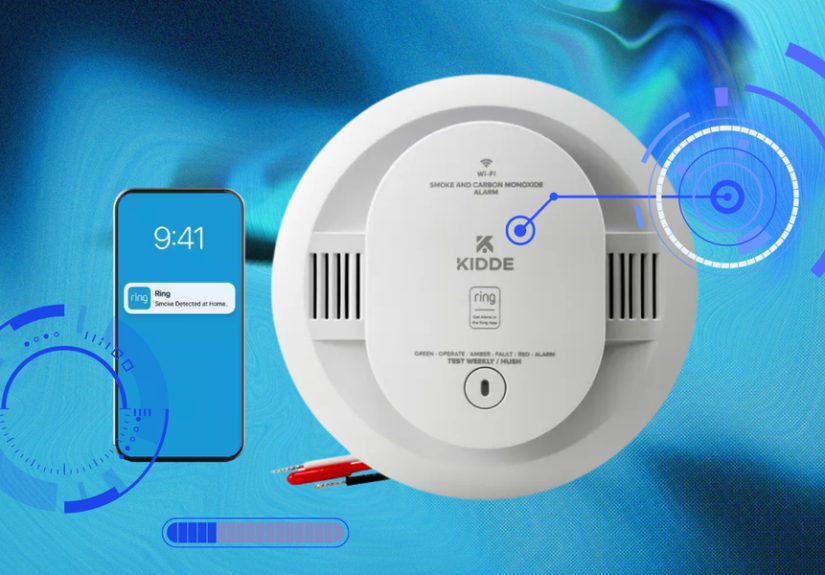
And then there is the big advantage: remote awareness. A regular smoke alarm is only helpful if someone is home to hear it. A smart smoke alarm can notify you when you are out, which means you are not depending entirely on neighbors, luck, or the world’s most observant squirrel. If smoke or carbon monoxide is detected, getting an alert on your phone gives you a chance to act fast, contact someone nearby, or call emergency services.
This is why the device matters. It is not because it is clever. It is because it is useful.
What makes a smoke alarm “smart”?
The phrase smart smoke alarm usually refers to a smoke alarm or smoke-and-carbon-monoxide alarm that adds connected features on top of core detection. The exact extras vary by brand, but the best smart alarms usually offer a few meaningful benefits.
1. Mobile alerts
This is the headline feature for a reason. A connected alarm can send notifications to your phone if smoke or carbon monoxide is detected, if the battery is low, or if the device needs attention. That is the sort of feature you may ignore right up until the day it becomes extremely important.
2. Interconnection
Interconnected alarms are a huge deal. When one alarm sounds, the others sound too. In a larger house, a finished basement, or a two-story layout, that extra reach matters. If a fire starts downstairs, the alarm near the bedrooms should not be the last one to know. Some smart models do this wirelessly, which can make whole-home coverage easier without a full rewiring project.
3. Voice alerts and location-based warnings
Instead of one generic screech of doom, some smart alarms can announce what is wrong and where it is happening. “Smoke in the basement” is a lot more helpful than “BEEP BEEP GOOD LUCK.” That kind of clarity can reduce confusion, especially at night when everyone wakes up disoriented and immediately forgets how doors work.
4. Easier testing and maintenance
Some smart alarms let you test from an app, review status, or receive maintenance reminders. That does not mean you should never physically inspect them, but it does make routine upkeep more likely to happen.
5. Better day-to-day usability
Certain models include app-based hush features for minor, controlled situations such as harmless cooking smoke. Used correctly, that is more convenient than standing on a chair and windmilling a dish towel at the ceiling like you are fighting a very loud ghost.
The boring basics still matter more than the app
Here is the most important truth in this whole article: a smart smoke alarm is only smart if it is installed properly, tested regularly, and replaced on time. Connectivity is the bonus feature. The fundamentals are still the fundamentals.
That means your home should have alarms in the right places. Fire safety guidance in the United States consistently recommends smoke alarms on every level of the home, inside each bedroom, and outside each sleeping area. Carbon monoxide alarms are also recommended on each level and near sleeping areas, especially if your home has fuel-burning appliances, an attached garage, or other CO risks.
Placement matters. Smoke alarms should be mounted high on a wall or on the ceiling because smoke rises. They also should not be placed carelessly near kitchens, bathrooms, windows, doors, or ducts where cooking fumes, steam, or drafts can cause nuisance alarms or interfere with performance. And despite what some people assume, the garage is usually not the place for a standard smoke alarm. Garages often need different fire-safety solutions because of temperature swings, dust, and exhaust-related nuisance triggers.
Testing matters too. Alarms should be tested monthly according to safety guidance and manufacturer instructions. Batteries in replaceable-battery models need attention at least yearly, while sealed 10-year battery models reduce that hassle. Most smoke alarms also need full replacement at the end of their service life, which is often 10 years from the date of manufacture. Some combination smoke/CO units can have different service-life rules, so always check the label and manual instead of guessing.
In other words, the app cannot rescue bad installation, ancient hardware, or wishful thinking.
Why this device belongs ahead of a smart speaker, plug, or fridge camera
Smart homes are usually marketed around convenience. Smart smoke alarms are about consequence. That is the difference.
A smart plug saves a little effort. A smart thermostat can save money. A smart smoke alarm can buy you awareness, time, and better odds in an emergency. That is not marketing poetry; it is the practical value of early warning.
Home fires can spread quickly, and fire safety organizations emphasize having an escape plan because you may have only a short window to get out safely. That is one reason smoke alarms remain such a foundational safety device. Working alarms significantly reduce the risk of dying in a home fire. So when you pair that core safety function with features like whole-home interconnection, targeted voice alerts, and phone notifications, you are not adding gimmicks. You are reducing blind spots.
This is especially relevant in modern homes filled with synthetic furnishings and open layouts. Fire behavior today is not always slow, polite, or cinematic. Newer standards for smoke alarms, including updates to UL 217, were developed to improve performance in modern fire conditions while also reducing nuisance alarms from cooking-related sources. Translation: the technology has had to get smarter because homes have gotten trickier.
What to look for when buying a smart smoke alarm
If you are shopping for one, do not get distracted by glossy branding and app screenshots featuring suspiciously relaxed families. Focus on the features that actually matter.
Look for current certification and standards
Choose a smoke alarm that is certified to current UL requirements. Updated UL 217 standards raised the bar for performance, including tests involving modern fire scenarios and nuisance-alarm resistance. That is not glamorous, but it is exactly the kind of boring engineering you want between your family and a ceiling full of false confidence.
Choose the right power setup
Hardwired alarms with battery backup are common in newer homes and can be a strong choice when available. Battery-powered models can work well too, especially sealed 10-year battery versions that reduce maintenance. Your best option often depends on your home’s wiring and whether you are replacing existing alarms or starting from scratch.
Prioritize interconnection
If your alarms can communicate with one another, that is a major advantage. Interconnection matters at least as much as the “smart” label itself. In fact, if you must choose between a random app feature and strong whole-home interconnection, pick interconnection every time.
Consider combination smoke and CO detection
Many homeowners prefer combo units that detect both smoke and carbon monoxide. They can simplify installation and reduce clutter, especially when placed strategically throughout the home. Just make sure the unit is suitable for the specific location and follow the manufacturer’s placement guidance.
Look for useful alerts, not novelty features
The best smart features are the least flashy: mobile alerts, maintenance notices, voice location, battery warnings, and clear app status. You do not need your alarm to become your life coach. You need it to tell you when something is wrong, where it is wrong, and whether the device itself still works.
Who benefits most from a smart smoke alarm?
Almost anyone can benefit, but a few groups are especially good candidates.
Frequent travelers: If you are often away from home, remote alerts make a connected alarm far more useful than a conventional one.
Families with kids: Voice alerts and easier testing can make home fire drills clearer and less intimidating.
People in larger or multi-level homes: Interconnection and location-based warnings are particularly valuable when the source of danger may not be near the room you are in.
People replacing aging alarms: If your current alarms are nearing the end of their service life, upgrading to smart models can be a sensible step rather than just buying the cheapest like-for-like replacement.
Anyone who tends to forget maintenance: Honestly, this might be most of us. If your current fire-safety strategy is “surely I will remember,” a connected model can add a welcome layer of accountability.
Who might not need the fanciest model?
Not every home needs the most premium alarm on the shelf. If you are renting, your options may depend on building rules or landlord responsibilities. If you are on a tight budget, a properly installed, regularly tested, non-smart alarm is still an excellent safety device. And if your house already has modern, interconnected hardwired alarms in all the right places, a full smart-home overhaul may be a want rather than a need.
That said, if you are choosing between “regular alarm now” and “smart alarm maybe someday,” buy the regular one now. Safety beats aspiration every time.
Common mistakes homeowners make
Even good intentions can go sideways. Here are the classic mistakes:
- Installing too few alarms and assuming one hallway unit covers the whole house.
- Ignoring the manufacturing date and keeping alarms long past retirement.
- Putting alarms too close to kitchens or bathrooms, then getting annoyed by nuisance alarms.
- Removing batteries to stop chirping and forgetting to replace them.
- Never practicing a fire escape plan because “we’d figure it out.”
- Believing that a smart alarm replaces the need for routine testing and maintenance.
That last one deserves extra emphasis. A smart alarm is not permission to stop being smart.
Experiences that show why a smart smoke alarm is worth it
Homeowners who switch to smart smoke alarms often describe the same thing: they did not realize how much mental friction their old alarms created until they lived with something better.
One common experience starts in the kitchen. Dinner is going well until the pan gets a little too enthusiastic. With a traditional alarm, the whole house erupts in noise, everyone panics, the dog begins a one-animal protest movement, and someone ends up waving a baking sheet in the air. With a smarter model, the warning can be more specific and easier to manage if the situation is minor and under control. That means less chaos, less temptation to disable the alarm, and a better chance that the device stays active the next time something happens.
Another real-world advantage shows up when no one is home. Imagine being at work, on vacation, or just out grabbing groceries when your phone receives an alert that smoke has been detected. You may not know the cause yet, but you know the house needs attention immediately. That awareness can help you call a neighbor, building manager, or emergency services faster. People often do not think about that scenario until after the first time a standard alarm screams into an empty house while no one is there to hear it.
Families also tend to appreciate the way smart alarms make fire drills less abstract. Kids can understand voice alerts more easily than a generic siren. Parents can test alarms more consistently when the process is simpler. And because some connected systems show device status clearly, it becomes easier to notice whether the upstairs hallway unit is healthy, whether the basement alarm needs service, or whether that guest-room device has quietly reached retirement age.
There is also the very unglamorous issue of low-battery chirps. Few household sounds are more effective at becoming mysteriously impossible to locate than a smoke alarm chirping at 2:13 a.m. A connected alarm that sends a warning before the midnight beeping drama begins can save a lot of frustration. It is not life-changing in the dramatic sense, but it is absolutely sanity-preserving.
Older homes are another place where connected alarms tend to shine. In houses with additions, converted attics, finished basements, and odd layouts, interconnection can make the whole system feel more unified. If one alarm detects danger, the rest can alert people throughout the house instead of relying on sound to travel through closed doors, stairwells, and the laws of acoustics, which are not always feeling cooperative.
And then there is the simple emotional experience: peace of mind. That phrase gets abused in marketing, but here it fits. Home safety is one of those areas where people want confidence without having to think about it every day. Smart smoke alarms help by making protection more visible, maintenance more manageable, and alerts more useful. They reduce the chance that your safety setup becomes outdated, ignored, or accidentally disabled because it was too annoying to live with.
None of this means smart alarms are magic. They still need to be installed in the right places, tested, cleaned, and replaced on schedule. They still need a fire escape plan to back them up. But in real homes, lived in by distracted humans with jobs, pets, kids, burnt grilled cheese sandwiches, and the occasional tendency to postpone maintenance until “this weekend for sure,” a smart smoke alarm often proves to be exactly what a good smart device should be: practical, reliable, and useful before, during, and after the moment you need it.
Conclusion
Most smart-home products are nice to have. A smart smoke alarm belongs in the much smaller category of good to have for a very serious reason. It combines the life-saving job of a traditional alarm with features that genuinely improve awareness, maintenance, and whole-home communication.
If you are building a smarter home, start with the device that protects the home itself. Choose a quality alarm that meets current standards, install it correctly, test it regularly, replace it on time, and pair it with a practiced escape plan. That is not the flashiest upgrade you can make, but it may be the one you appreciate most when it matters.