
Table of Contents >> Show >> Hide
- The Design Story Behind the TON 14 Stool
- Materials, Construction, and Craftsmanship
- Dimensions and Height Options
- Why This Stool Works So Well in Modern Interiors
- Comfort, Durability, and Everyday Living
- How to Style the TON 14 Bentwood Caned Stool
- Is the TON 14 Bentwood Caned Stool Worth It?
- Experience: Living With the TON 14 Bentwood Caned Stool
- Conclusion
Some furniture shouts for attention. The TON 14 Bentwood Caned Stool does not. It strolls into the room, curves an elegant eyebrow, and quietly becomes the piece everyone notices anyway. That is the magic of bentwood done right. This stool carries more than good looks; it carries a design legacy tied to Michael Thonet’s famous No. 14, one of the most influential chairs ever made. In stool form, that heritage becomes a little more practical, a little more casual, and just as charming.
If you are searching for a bentwood caned stool that blends history, craftsmanship, and everyday usability, the TON 14 deserves a long look. It has the airy silhouette people love in classic café furniture, but it also works beautifully in modern kitchens, transitional dining spaces, and homes that need warmth without visual heaviness. In other words, it is the rare piece that can make a room look more polished without acting like it needs its own trailer.
This article breaks down what makes the TON 14 Bentwood Caned Stool special, from its materials and construction to comfort, sizing, styling, care, and real-world appeal. Whether you are decorating a kitchen island, a breakfast bar, or a compact dining nook, here is what to know before you bring this bentwood classic home.
The Design Story Behind the TON 14 Stool
To understand the TON 14 stool, you have to start with the legendary No. 14 chair. First introduced in 1859, the original design changed furniture history because it was light, strong, elegant, and efficient to manufacture. It proved that mass-produced furniture did not have to be clunky or uninspired. That was a big deal then, and honestly, it is still a big deal now.
Michael Thonet’s breakthrough involved bending solid beechwood with steam and shaping it into graceful curves. That innovation reduced the need for heavy carved joints and allowed furniture to be made with fewer parts. The result was furniture that looked fluid, felt lighter, and could be produced at scale. The No. 14 became the café chair of café chairs, the kind of object that slips into design history books without ever feeling dusty.
TON, the Czech company now associated with the 14 collection, continues that bentwood tradition in Bystřice pod Hostýnem, where bentwood furniture has been made for generations. So while the TON 14 Bentwood Caned Stool works in a very current home, it is also part of a line with serious historical credibility. It is not “inspired by” a classic. It lives in the family tree.
Why the No. 14 Legacy Still Matters
Plenty of furniture brands borrow vintage shapes and call it a day. The TON 14 stool feels more legitimate because its appeal is rooted in a manufacturing method and design language with real staying power. The curves are not decorative fluff. They come from a process that made bentwood furniture revolutionary in the first place.
That history also explains why the stool feels so timeless. Bentwood does not rely on trendy details, bulky upholstery, or overcomplicated joinery. It wins through proportion, rhythm, and restraint. One curved frame, one woven cane seat, and suddenly your kitchen looks like it has opinions.
Materials, Construction, and Craftsmanship
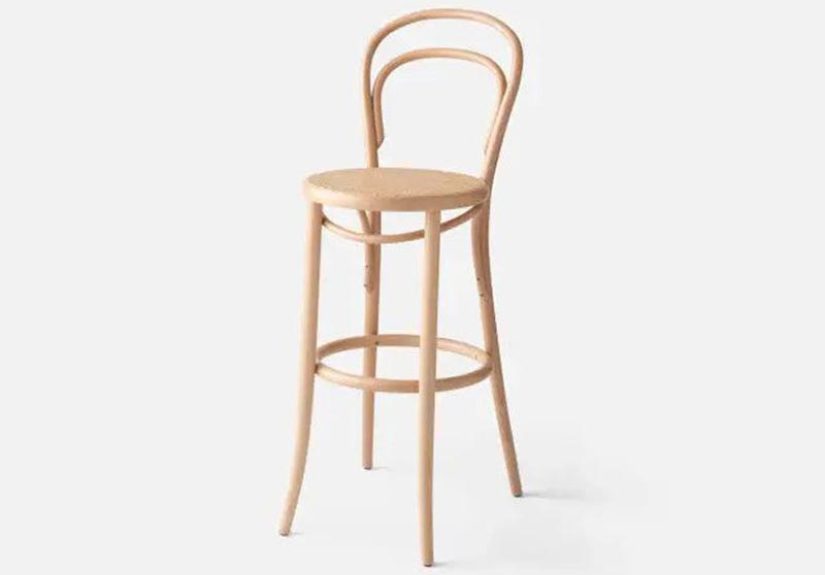
The TON 14 Bentwood Caned Stool is typically described as a solid beech stool with a caned seat. That combination is a major part of its charm. Beech is a classic choice for bentwood furniture because it responds well to steam bending and holds its shape without sacrificing strength. Cane, meanwhile, adds visual texture and a lighter, more breathable seating surface than a solid wood seat.
This pairing gives the stool a balanced personality. The beech frame provides structure and warmth, while the cane seat keeps the piece from feeling visually heavy. Together, they create that familiar bentwood-café look that feels European, approachable, and quietly refined.
The finish also matters. Product descriptions associated with the stool note water-based stain and varnish or lacquer, which fits the broader TON approach to bentwood furniture. In practical terms, that means the stool is designed to be beautiful, durable, and usable in lived-in spaces, not just admired from a respectful distance like a rare fossil in a museum.
What the Cane Seat Adds
A caned stool seat changes the experience of the piece in several ways. First, it introduces texture. In a room full of hard surfaces like quartz counters, painted cabinets, tile backsplashes, and stainless appliances, cane adds softness without becoming bulky. Second, it improves the visual lightness of the stool. A solid seat can make even a graceful frame feel heavier; cane keeps things airy.
There is also the comfort factor. Cane tends to feel a little more forgiving than flat wood, especially for shorter sits over coffee, breakfast, or a long kitchen chat that accidentally turns into dinner. No promises that it will improve your small talk, but the odds do go up.
Dimensions and Height Options
One of the practical strengths of the TON 14 Bentwood Caned Stool is that it has been offered in both counter height and bar height. The counter-height version is roughly 24.8 inches at the seat, while the bar-height version is around 30.7 inches at the seat. That makes it easier to match the stool to standard kitchen islands or taller bar setups without guesswork and crossed fingers.
The overall footprint is relatively slim, which is part of the stool’s appeal. It brings seating into a space without turning the room into an obstacle course. In smaller kitchens or apartments, that can be a major advantage. The stool reads as substantial enough to matter, but visually light enough not to boss the room around.
How to Choose the Right Height
For most kitchen islands and counters, the counter-height version is the better fit. For taller pub-style surfaces or dedicated home bars, bar height makes more sense. The golden rule is to leave enough legroom between the seat and the underside of the surface so people can actually sit comfortably. Revolutionary concept, I know.
If your space is multifunctional, the counter-height model is often the safer bet because it tends to suit more homes and feel more relaxed. The bar-height version can look especially striking in spaces with dramatic millwork, pendant lighting, or a more hospitality-inspired vibe.
Why This Stool Works So Well in Modern Interiors
The reason the TON 14 Bentwood Caned Stool still resonates is simple: it bridges styles beautifully. In a traditional home, it looks classic. In a modern home, it looks sculptural. In a transitional space, it acts like it was invited first. That versatility is one of the stool’s biggest selling points.
Bentwood furniture has long been associated with cafés, bistros, and European interiors, but today it also appears in organic modern, minimalist, cottage, and even slightly eclectic spaces. The stool’s curves soften sharp architecture. The cane seat adds handmade texture. The beech wood brings in warmth. Altogether, it creates a piece that feels storied rather than stuffy.
This is especially helpful in kitchens, where many materials tend to run cold or hard. Stone, metal, lacquer, and glass are great, but they can use a little humanity. A caned bentwood stool says, “Yes, this room is polished, but somebody still makes toast in here.”
Best Rooms and Use Cases
- Kitchen islands: The stool’s narrow profile and open look make it ideal for everyday seating.
- Breakfast bars: Cane and bentwood keep the setup casual but elevated.
- Small apartments: The visual lightness helps compact spaces feel less crowded.
- Hospitality-inspired interiors: If you love the café-bistro look, this stool delivers it without feeling theatrical.
- Mix-and-match dining spaces: It pairs surprisingly well with shaker cabinetry, marble, brass, matte black, and natural linens.
Comfort, Durability, and Everyday Living
Let’s be honest: a stool can be gorgeous and still be annoying. Fortunately, the TON 14’s design tends to avoid that trap. The frame is lightweight-looking but not flimsy-looking, and the caned seat makes the perch feel more inviting than a plain wood disc. This is the kind of stool that encourages people to stay a little longer, whether they are having coffee, chopping vegetables, or offering completely unsolicited opinions about your backsplash.
Durability is another major plus. Bentwood furniture earned its reputation by being strong enough for commercial life in cafés and restaurants. That does not mean it is indestructible, because nothing made of wood and cane should be treated like gym equipment, but it does mean the design comes from a tradition built around everyday use.
The stool’s care guidance is refreshingly straightforward: mild soap, a soft damp cloth, and no abrasive cleaners or sponges. Translation: treat it like a well-made piece of furniture, not like a cookie sheet after lasagna night.
What to Keep in Mind
Cane is beautiful, but it likes reasonable care. Avoid soaking it, scrubbing it with harsh products, or placing it where excessive moisture becomes a routine issue. The stool is a smart fit for kitchens and dry dining areas, but it is not begging to live next to a steam room.
Also, if you prefer plush upholstered seating for marathon lingering, this may not be your forever-perch. The TON 14 is comfortable in the elegant, breathable, design-forward sense, not in the “I could nap here during Thanksgiving” sense.
How to Style the TON 14 Bentwood Caned Stool
One of the best things about this caned bar stool is how easy it is to style. You do not need to build an entire room around it. In fact, it often works best when it is allowed to bring a note of texture and shape into a space that already has a clear point of view.
Pair It With the Right Materials
The stool looks especially strong with:
- white or cream cabinetry for a clean contrast
- natural stone counters for a timeless, tactile mix
- brass or aged bronze hardware for warmth
- oak or walnut accents if you want layered wood tones
- linen, plaster, or handmade tile if you are leaning into organic texture
If you want the room to feel fresh and modern, keep the surrounding palette simple and let the curved frame stand out. If you want more of a collected, European look, mix it with vintage-inspired lighting, open shelves, and ceramics that look like they have seen at least one excellent loaf of sourdough.
Design Styles That Suit It Best
The TON 14 Bentwood Caned Stool works particularly well in:
- Organic modern interiors because it adds handcrafted warmth
- Scandinavian-inspired spaces thanks to its simple form and honest materials
- Parisian or bistro-inspired rooms because bentwood is basically part of the dress code
- Transitional kitchens where modern surfaces need a touch of softness
- Vintage-meets-new homes where historic references make the space feel layered
Is the TON 14 Bentwood Caned Stool Worth It?
If you want a stool that feels trendy for one season and confusing the next, keep scrolling. But if you want a piece with proven design heritage, smart proportions, quality materials, and a shape that has already survived changes in architecture, fashion, and probably several questionable paint trends, the TON 14 Bentwood Caned Stool makes a strong case for itself.
Its value is not just in the look. It is in the combination of design history, bentwood craftsmanship, caned texture, and practical versatility. This is the kind of stool that can move with you stylistically. You can change the wall color, swap pendants, replace cabinet pulls, and the stool will still look like it knows exactly what it is doing.
In other words, it is not merely a seat. It is a quiet little design flex.
Experience: Living With the TON 14 Bentwood Caned Stool
The real charm of the TON 14 Bentwood Caned Stool shows up once it is actually in a room and not just glowing attractively on a product page. At first glance, it reads as delicate. That is the trick. The curves are graceful, the cane is airy, and the frame feels visually light, so you assume the stool will be mostly decorative. Then you start using it, and the personality shifts. It turns out to be one of those rare pieces that can make a kitchen feel more designed on Monday and still handle cereal, coffee, homework, and late-night snacking by Friday.
In everyday use, the first thing many people notice is how open the stool feels. A chunky upholstered stool can dominate a kitchen island, especially when you line up three or four of them. The TON 14 does the opposite. It leaves breathing room. You still get seating, but you also keep sightlines, which matters more than most people expect. In a smaller kitchen, that visual openness can make the entire room feel calmer. It is a bit like good editing in a film: you do not always notice it directly, but the rhythm improves.
Then there is the seat itself. Cane changes the mood of a stool. It looks lighter, yes, but it also feels less formal. A solid wood seat can sometimes feel strict, like it expects you to sit up straight and discuss mortgage rates. A caned seat is more relaxed. It has give, texture, and a little warmth. It invites casual perching with coffee in the morning, chatting while someone cooks, or hanging around the island long after the food is gone because apparently no one in modern life can leave a kitchen once conversation gets good.
Another experience people tend to appreciate is the way the stool ages into a room rather than merely occupying it. Bentwood has that quality. The curves catch light differently throughout the day, and the beech frame adds a soft natural note without fighting for attention. In bright kitchens, it can feel crisp and sculptural. In moodier spaces, it becomes more intimate and old-world. Either way, it rarely looks out of place. That is a huge advantage if your home style evolves over time or if you enjoy mixing newer finishes with older references.
Guests also tend to notice it. Not in a loud “What is that futuristic object?” way, but in a “These stools are really nice” way that usually comes with a hand on the curved frame and a closer look at the cane. It reads as thoughtful. It suggests you chose something with intention instead of panic-buying a generic set after measuring your counter at 11:30 p.m.
The stool is not trying to be plush or overbuilt. That is part of its appeal. It feels honest, classic, and surprisingly current. Living with it is less about making a dramatic design statement and more about discovering that one smart, beautiful object can improve the rhythm of a room. It offers a place to sit, of course, but it also gives a kitchen a little history, a little tactility, and a lot more character. Not bad for a stool with such good posture.
Conclusion
The TON 14 Bentwood Caned Stool succeeds because it balances old-world craft with modern usefulness. It takes the enduring language of Michael Thonet’s bentwood legacy and translates it into a stool that still feels relevant in today’s homes. The curved beech frame, woven cane seat, and slim proportions work together to create a piece that is elegant without being fussy, practical without being boring, and historic without feeling stuck in the past.
If you want seating that adds texture, lightness, and quiet sophistication to a kitchen or bar area, this is a smart choice. It is the kind of design that earns its keep every day and still looks good doing it.






 Close
Close