Table of Contents >> Show >> Hide
- Why Turkey Is Secretly One of the Best Proteins
- Turkey 101: Picking the Right Cut for the Right Recipe
- Food Safety and Timing: The Non-Negotiables (Still Fun, Promise)
- The Big Flavor Moves That Make Turkey Taste Like You Meant It
- The Turkey Recipe Playbook
- 1) Classic Roast Turkey (With Modern Upgrades)
- 2) Spatchcock Turkey With Crispy Skin and Faster Cook Time
- 3) Herb-Roasted Turkey Breast (Small Batch, Big Payoff)
- 4) Turkey Chili That Doesn’t Taste Like a Compromise
- 5) Weeknight Turkey Meatballs (Tender, Not Tough)
- 6) Turkey Meatballs With a “Sauce That Makes You Look Like You Tried”
- 7) Juicy Turkey Burgers (No Sad Desk Lunch Energy)
- 8) Turkey Tacos That Beat Takeout (Sometimes)
- 9) Turkey Enchiladas: The Leftover Glow-Up
- 10) Leftover Turkey Pie (Somewhere Between Pot Pie and Genius)
- 11) Turkey Soup That Tastes Like You Simmered All Day
- 12) Smoked or Grilled Turkey (For When the Oven Is Busy)
- Turkey Leftovers: A Strategy (So They Don’t Turn Into “Mystery Container #3”)
- Common Turkey Problems (And How to Fix Them)
- Conclusion
- Experiences With Turkey Recipes ( of “Yep, Been There” Moments)
Turkey gets typecast as a once-a-year celebrity: it shows up in November, smiles for photos, and disappears before anyone remembers it’s actually versatile.
But turkey can be weeknight-easy, party-worthy, meal-prep friendly, and leftover-magicsometimes all in the same week. Whether you’re roasting a whole bird,
browning ground turkey for chili, or turning yesterday’s slices into enchiladas that taste like a victory lap, this guide is your roadmap.
Below you’ll find practical cooking techniques, smart flavor combos, and a lineup of turkey recipes (and remix ideas) that work in real kitchens.
Expect crispy skin tricks, “please don’t poison your guests” food-safety basics, and enough options to keep turkey from ever feeling boring again.
Why Turkey Is Secretly One of the Best Proteins
Turkey’s superpower is range. Breast meat is lean and mild (great for bright flavors like citrus, herbs, salsa verde, and yogurt sauces).
Dark meat is richer and more forgiving (perfect for braises, stews, smoky flavors, and spicy sauces). Ground turkey is a blank canvas that absorbs seasoning
like it’s trying to win an award.
The key is matching the cut to the job. If you treat turkey breast like you’d treat chicken breastgentle heat, don’t overcook, build moisture and flavor
it shines. If you treat turkey thighs like you’d treat a good stew meatslow heat, sauce, and timeyou’ll wonder why you ever saved them only for holidays.
Turkey 101: Picking the Right Cut for the Right Recipe
Whole turkey
Best for: holidays, big gatherings, meal-prep for days, and anyone who enjoys a dramatic entrance. Choose a whole bird when you want slices, crispy skin,
and plenty of leftovers for soups, pot pies, sandwiches, and casseroles.
Turkey breast (bone-in or boneless)
Best for: smaller crowds, weeknight roasts, and “I want turkey but not a 14-pound commitment.” It’s lean, so it benefits from smart seasoning,
careful temperature monitoring, and resting time.
Turkey thighs/drumsticks
Best for: braises, curries, barbecue-style roasting, and anyone who likes juicier meat. Dark meat is more forgiving, which makes it a confidence builder.
Ground turkey
Best for: chili, meatballs, burgers, tacos, lettuce wraps, pasta sauces, and skillet dinners. Look for a blend with some fat (not ultra-lean) if you want
a richer resultespecially for burgers and meatballs.
Food Safety and Timing: The Non-Negotiables (Still Fun, Promise)
Turkey is delicious. Foodborne illness is not. Keep these basics in your back pocket:
- Cook turkey to a safe internal temperature of 165°F (use a food thermometer; guessing is how legends of “dry turkey” are born).
- Don’t wash raw turkey; it can spread germs around your sink and counters. Pat it dry with paper towels instead.
- Thaw safely: refrigerator thawing takes time (roughly a day per 4–5 pounds). Cold-water thawing is faster, but you must cook immediately afterward.
- Stuffing safety: if you cook stuffing inside the bird, the center of the stuffing must reach 165°F too. (Many cooks prefer baking stuffing separately for easier safety and better texture.)
- Leftovers rule: refrigerate within 2 hours. Keep hot foods hot (around 140°F or above) and cold foods cold (40°F or below) during serving.
The Big Flavor Moves That Make Turkey Taste Like You Meant It
1) Dry brine: the simplest “chef trick” that actually works
Dry brining is just salting the turkey (often with herbs/spices) and letting it rest in the fridge. The salt seasons the meat more deeply and helps it retain
moisture. Bonus: it dries the skin slightly, which helps crisping. If your turkey is labeled “enhanced,” “self-basting,” or similar, it may already contain
added saltso go lighter on additional salting.
2) Crispy skin hack: a pinch of baking powder (not baking soda)
For extra-crispy skin, some cooks mix a small amount of baking powder into the salt for a dry brine. It helps the skin brown and crisp more efficiently.
(Baking soda can taste weirdly metallic, so it’s the awkward cousin you don’t invite.)
3) Skip basting
Basting feels productive, but it can slow browning and lower oven temperature every time you open the door. You’ll get better results by dry brining,
using consistent heat, and applying a light coating of oil or melted fat once before roasting.
4) Spatchcocking: the fastest path to juicy meat and crispy skin
Spatchcocking (butterflying) means removing the backbone and flattening the turkey. This helps it cook faster and more evenly, and because the skin is
mostly on top, it browns beautifully. Translation: less time waiting, more time eating.
The Turkey Recipe Playbook
Think of the recipes below as flexible patterns. Swap herbs, change spice blends, use what you have, and let turkey become your “what’s for dinner?”
problem-solver.
1) Classic Roast Turkey (With Modern Upgrades)
Best for: holidays, Sunday dinner, “I want leftovers on purpose.”
Flavor lane: sage + thyme + garlic + lemon.
- Pat turkey dry. Dry brine with salt (and optional herbs) 24–48 hours in the fridge.
- Bring closer to room temp for about 30–60 minutes before roasting (still keep it food-safedon’t leave out for hours).
- Roast until the thickest parts reach 165°F. Rest before carving so juices redistribute.
Upgrade idea: Put aromatics (onion, lemon, herbs) in the cavity for fragrance, and roast on a rack for better airflow and crispier skin.
2) Spatchcock Turkey With Crispy Skin and Faster Cook Time
Best for: anyone who wants turkey without the “is it done yet?” marathon.
Why it works: flatter bird = more even heat exposure.
- Remove backbone with kitchen shears; flatten the breastbone.
- Dry brine overnight (optional baking powder in the mix for crispier skin).
- Roast at a higher temp than traditional whole-bird roasting, checking temp early because it finishes sooner than you think.
Gravy bonus: Use the backbone/neck to boost your stock for gravy.
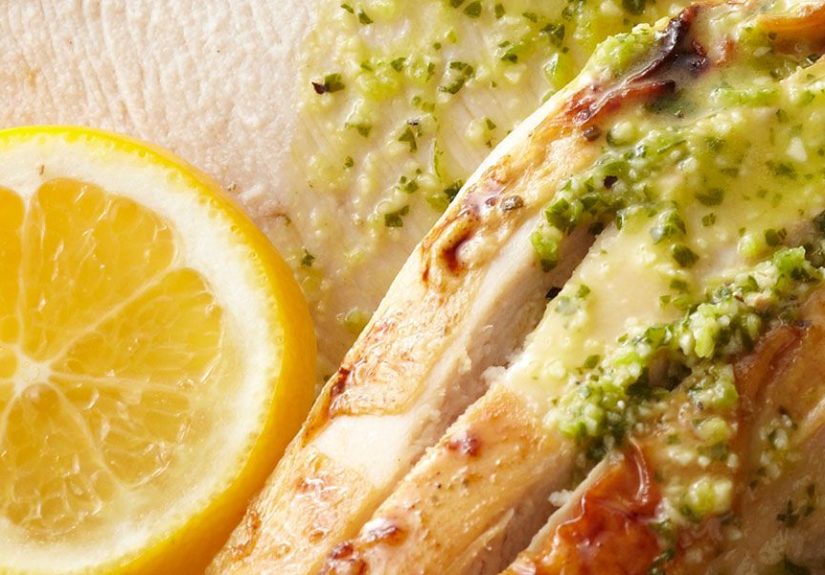
3) Herb-Roasted Turkey Breast (Small Batch, Big Payoff)
Best for: smaller gatherings, meal prep, easy sandwiches all week.
Flavor lane: rosemary + garlic + black pepper + olive oil.
- Season generously (dry brine if you can).
- Roast and pull at 165°F. Rest well before slicing to keep it juicy.
- Slice thin for sandwiches; cube for salads and grain bowls.
4) Turkey Chili That Doesn’t Taste Like a Compromise
Best for: game day, freezer meals, weeknights with big flavor.
Flavor lane: chili powder + cumin + smoked paprika + tomatoes + beans.
Turkey chili shines when you build a strong flavor base: sauté onions/garlic, toast spices briefly, brown the turkey until it gets some color, then add tomatoes,
beans, and enough broth to simmer. Finish with lime juice and a handful of cilantro if you like brightness.
Make it your own: Add bell peppers, corn, sweet potato cubes, or a spoonful of chipotle in adobo for smoky heat.
5) Weeknight Turkey Meatballs (Tender, Not Tough)
Best for: pasta night, subs, meal prep, “feed a crowd” trays.
Why they dry out: overmixing + ultra-lean meat + overcooking.
- Use a gentle binder: soaked breadcrumbs (or stuffing mix) in milk is an easy moisture insurance policy.
- Mix just until combined; overmixing makes meatballs dense.
- Brown for flavor (skillet or oven), then finish in sauce if you want extra tenderness.
Flavor ideas: Italian (parmesan + oregano), Swedish-style (allspice vibe + gravy), or smoky (paprika + garlic + cumin).
6) Turkey Meatballs With a “Sauce That Makes You Look Like You Tried”
Romesco-style sauces (roasted red peppers + nuts + garlic) love turkey. You get richness without heaviness, and it’s fast enough for a Tuesday.
Serve with roasted vegetables or over rice, or turn leftovers into a wrap with arugula.
7) Juicy Turkey Burgers (No Sad Desk Lunch Energy)
Best for: grilling season, quick dinners, meal prep patties.
Key move: add moisture and don’t smash them thin.
- Add finely grated onion, a spoon of yogurt, or a splash of broth to the mix.
- Season boldly (turkey needs it): salt, pepper, garlic powder, smoked paprika.
- Cook gently and stop at 165°F.
Topping ideas: cranberry mayo, pickled onions, pepper jack, or a smoky barbecue sauce.
8) Turkey Tacos That Beat Takeout (Sometimes)
Brown ground turkey with onion, garlic, cumin, chili powder, and a little tomato paste for depth. Add a splash of broth to keep it juicy.
Finish with lime. Load up with crunchy slaw, salsa, and avocado. Suddenly, Tuesday feels like it has a theme song.
9) Turkey Enchiladas: The Leftover Glow-Up
Best for: leftover turkey, feeding a family, “I need comfort food now.”
Shred turkey, mix with sautéed onions/peppers, roll into tortillas, cover with enchilada sauce and cheese, bake until bubbly.
It’s the kind of dish that convinces people leftovers are a privilege, not a punishment.
10) Leftover Turkey Pie (Somewhere Between Pot Pie and Genius)
Layer turkey with leftover gravy, stuffing, and a little cranberry sauce (yes, really) inside a pastry shell. Bake until golden.
The salty-sweet-savory mix tastes like the best parts of Thanksgiving got promoted.
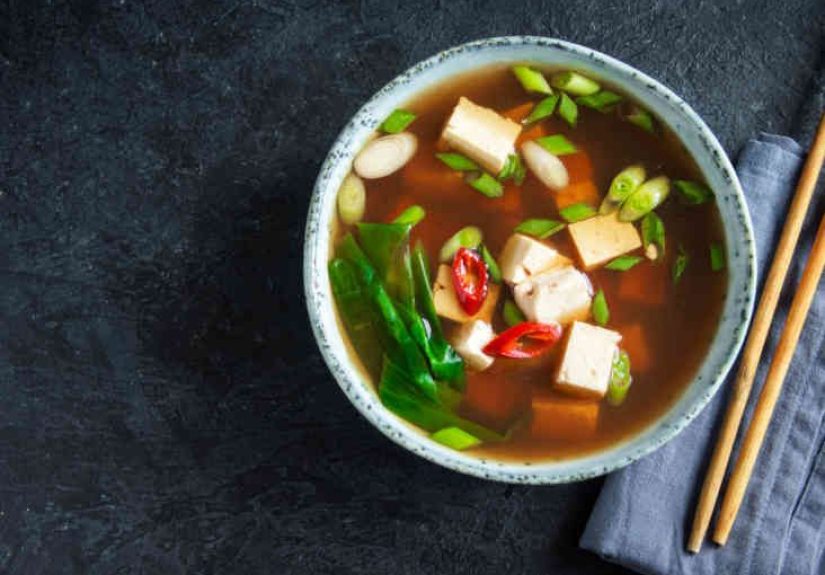
11) Turkey Soup That Tastes Like You Simmered All Day
Start with a flavorful broth (homemade stock if you made one; store-bought is fine with help). Add aromatics, carrots, celery, and turkey.
Finish with noodles, rice, or barley. A squeeze of lemon at the end wakes everything up.
Shortcut: If you have leftover gravy, whisk a spoonful into the broth for instant body and flavor.
12) Smoked or Grilled Turkey (For When the Oven Is Busy)
Cooking turkey outdoors frees up the kitchen and adds smoky flavor. Spatchcocking works especially well on the grill because it cooks faster and more evenly.
Use indirect heat, keep an eye on the thermometer, and let the bird rest before carving.
Turkey Leftovers: A Strategy (So They Don’t Turn Into “Mystery Container #3”)
Plan your leftover lineup
- Day 1: Sandwiches (turkey + cranberry + sharp cheese + greens)
- Day 2: Enchiladas or tacos (bold sauce = instant refresh)
- Day 3: Soup or pot pie (comfort food finale)
Storage tips that keep turkey actually enjoyable
- Carve the turkey before refrigeratingwhole birds cool too slowly in the fridge.
- Store meat with a splash of broth or gravy to prevent drying.
- Reheat gently; turkey gets dry when it’s punished with high heat “until lava.”
Common Turkey Problems (And How to Fix Them)
“My turkey is dry.”
Usually: overcooking. Use a thermometer, pull at 165°F, and rest. Dry brining helps too. For leftovers, reheat with moisture (broth, gravy, sauce).
“The skin is pale.”
Usually: too much surface moisture or too low heat. Pat dry, dry brine uncovered in the fridge, and roast with consistent heat. Avoid frequent basting.
“The breast is done but thighs aren’t.”
This is why spatchcocking is popular: it evens out cooking. For traditional roast turkey, you can tent the breast with foil late in cooking,
or cook stuffing separately and focus on getting the meat right.
Conclusion
Turkey isn’t just a holiday headlineit’s a full-time team player. Once you match the cut to the recipe, season with intention, and use a thermometer like the
responsible kitchen legend you are, turkey becomes one of the most reliable proteins around. Roast a whole bird when you want leftovers for days.
Spatchcock when you want speed and crispiness. Lean on ground turkey for chili, meatballs, tacos, and burgers. And when the feast is over,
turn leftovers into enchiladas, pies, and soups that taste like brand-new comfort food.
In short: turkey recipes don’t need to be complicated. They just need a little strategyand maybe a little sauce.
Experiences With Turkey Recipes ( of “Yep, Been There” Moments)
If you’ve ever cooked turkey, you’ve probably experienced the strange emotional arc that comes with it: confidence, doubt, bargaining, then victory
(or at least “everyone ate, so it counts”). Turkey has a way of making normal people feel like they’re starring in a cooking show where the timer
is always too loud.
One of the most common turkey experiences is the Thermometer Awakening. You start out thinking, “I can tell when it’s done.”
Then you slice in and realize you’ve invented a new category of dryness. The next time, you buy a food thermometer, and suddenly turkey becomes
less of a mystical creature and more of a solvable puzzle. The first time you pull a turkey at the right temperature, let it rest, and carve into
juicy slices, it feels like you just unlocked a secret level of adulthood.
Then there’s the Leftover Renaissance. At first, leftovers seem obvious: sandwiches, repeat. But after the third turkey sandwich,
your brain begins negotiating for anything with a different personality. That’s when turkey recipes really prove their worth. Enchiladas happen and
suddenly the turkey tastes bold and new. A pot pie happens and it becomes comfort food with a golden crust. A soup happens and turkey transforms into
“cozy,” especially when you finish it with lemon or herbs and pretend you’ve been simmering stock all day.
Turkey also creates tiny kitchen traditions. Some households become “dry brine people” and never look back. Others become
“spatchcock converts” because they enjoy eating at a reasonable hour. Some folks swear by smoky flavors on the grill because it keeps the oven free
for sides (and keeps the cook from sweating through their nice shirt).
And honestly? Part of the experience is learning how forgiving turkey can be when you treat it kindly. Overcooked breast meat might be disappointing,
but it’s not the end of the worldit can still become enchiladas, soup, or a saucy casserole. Dark meat is even more forgiving, which is why so many
home cooks fall in love with thighs and drumsticks for braises and slow-cooked dinners.
The best turkey “experience,” though, is watching turkey stop being a once-a-year event. When you start using ground turkey for chili and meatballs,
roasting a turkey breast for weekday lunches, or planning leftovers on purpose, turkey turns into a reliable kitchen friend. A slightly dramatic friend,
surebut one who shows up with dinner for days.