Table of Contents >> Show >> Hide
- The Dream Behind the Cafe
- Design That Did More Than Decorate
- A Menu Built on Old-World Technique and California Instinct
- The Famous Honey Cake and Why It Became a Legend
- Why the Cafe Mattered in San Francisco
- From Cafe to Cookbook
- The Last Chapter and the Lasting Legacy
- An Extended Experience: What Twentieth Century Cafe Felt Like
- Conclusion
Note: Body-only HTML for web publishing.
Some restaurants try to impress you with volume. Bigger plates, louder music, more neon, more drama, more things balanced on wooden boards for reasons no one can explain. Twentieth Century Cafe took the opposite route. It charmed San Francisco by shrinking the room, lowering the lights, polishing the silver, and making dessert feel like a civilized event again. In a city famous for reinvention, chef-owner Michelle Polzine built a place that looked backward on purpose and, somehow, felt fresh because of it.
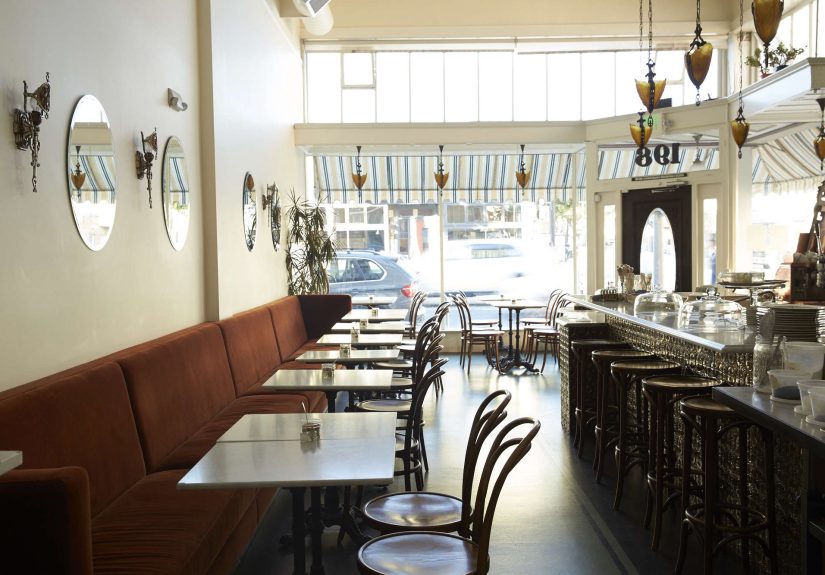
Located in Hayes Valley, Twentieth Century Cafe was never just another neighborhood pastry stop. It was a love letter to the grand cafes of Vienna, Budapest, and Prague, filtered through Northern California ingredients, sharp technique, and a wicked sense of style. The result was a cafe that felt both theatrical and intimate: a room where marble-topped tables, bentwood chairs, old-world cakes, and meticulously rolled strudel worked together like members of a very elegant band.
This is what made Twentieth Century Cafe memorable. It did not merely serve pastries inspired by Central and Eastern Europe. It staged an atmosphere. It recreated the slow pleasures of coffeehouse culture in a city that often prefers speed, convenience, and caffeine delivered with startup urgency. For anyone craving a meal with a little more soul and a lot more butter, it was a revelation.
The Dream Behind the Cafe
Michelle Polzine did not stumble into this concept by accident. Before opening Twentieth Century Cafe in 2013, she had already built a strong pastry reputation in San Francisco, with work at respected kitchens including Range, Delfina, and Chez Panisse. That background mattered. Twentieth Century Cafe was not a costume party pretending to be serious food. It was a serious pastry chef using deep technique to make a very specific dream real.
That dream took shape after travels through Vienna, Budapest, and Prague, where Polzine found inspiration in the tradition of the European grand cafe. These coffeehouses were never just places to grab a cup and vanish. They were places to linger, read, argue, write letters, flirt badly, recover from heartbreak, and eat one more slice of cake than common sense recommended. In other words, they were ideal.
Viennese coffeehouse culture is famous for its distinctive details: marble tables, bentwood chairs, newspapers, thoughtful service, and a sense that time can stretch a little if the coffee is good enough. Twentieth Century Cafe borrowed that spirit and translated it into San Francisco language. It was transportive without becoming a theme park. The room did not scream, “Look, Europe!” It simply behaved as if elegance were normal and everybody ought to sit down for a minute.
Design That Did More Than Decorate
One of the smartest things about Twentieth Century Cafe was that the design was not an afterthought. Polzine reportedly took notes on cafe details during her European travels, even measuring marble tables so the proportions would feel right back in San Francisco. That level of obsession sounds a little unhinged until you realize it is exactly why the place worked. When a cafe is inspired by Old Vienna, the table size matters. The chair matters. The floor color matters. The espresso machine matters. This is not fussiness. This is world-building.
The cafe’s interior leaned into historic charm with bentwood chairs, old-fashioned lighting, rich surfaces, and a general sense of polished melancholy, the kind that pairs beautifully with coffee and cake. It turned a former laundromat into something like a cinematic daydream. You could walk in from a breezy San Francisco street and feel, for a moment, as though the city had politely stepped aside and let another century through the door.
That atmosphere helped explain why so many people used the word “transportive” when talking about the cafe. Twentieth Century Cafe did not ask customers to imagine Vienna. It gave them enough texture, flavor, and rhythm that imagining became unnecessary.
A Menu Built on Old-World Technique and California Instinct
The menu at Twentieth Century Cafe was rooted in Central and Eastern European baking, but it never felt dusty or academic. Polzine approached these pastries with respect rather than museum-glass reverence. She understood the history, then made the food live in the present.
That balance showed up everywhere. The cafe became especially known for its Russian honey cake, a towering labor of love with many delicate layers and deep honey flavor. Depending on the telling, diners described it in awe, as people usually do when confronted with a dessert that looks architectural and tastes like comfort. It was not a sugar bomb in party clothes. It had nuance, depth, and enough restraint to keep you going back for another forkful. Dangerous, really.
There were also strudels, linzer tortes, Dobos torta, babka, blintzes, knishes, pierogi, rugelach, and bagels. The pastry case looked like a survey course in Austro-Hungarian and Jewish baking, taught by the professor everyone warns you about because the standards are terrifyingly high and the final exam contains filo dough. Yet Polzine’s food never seemed intimidating once it reached the table. It was exacting food that still knew how to be generous.
Another key detail was the California lens. Twentieth Century Cafe was not copying Europe bite for bite. It embraced local produce, lighter touches, and seasonal expression. That meant the cafe could honor old-world forms while still feeling rooted in San Francisco. The result was a menu that balanced nostalgia with freshness, tradition with pleasure, and craftsmanship with just enough wit to keep things lively.
The Famous Honey Cake and Why It Became a Legend
If Twentieth Century Cafe had a star, it was the honey cake. This was the dessert that came up again and again in profiles, reviews, and devoted recollections. It was the cake people ordered on birthdays, brought to dinner parties, and described with the emotional seriousness usually reserved for breakups and baseball.
Part of the appeal was visual. A many-layered cake instantly announces itself. It says, “Someone spent an absurd amount of time on me, and you should probably appreciate that.” But the real power was in the balance of flavor and texture. Polzine’s version drew on the medovik tradition and built complexity through caramelized honey, cream, and delicate structure. The cake looked grand, but it tasted intimate. It felt like old Europe with California sunlight sneaking in through the curtains.
That honey cake also symbolized the cafe’s larger achievement. Twentieth Century Cafe made difficult pastries feel emotionally accessible. Customers did not need a textbook on Central European desserts to understand why the cake mattered. One bite did the explaining. The layers carried history, technique, and obsession, but also something simpler: pleasure. Very refined pleasure, yes, but pleasure all the same.
Why the Cafe Mattered in San Francisco
San Francisco has never lacked for strong food culture, but Twentieth Century Cafe filled a very particular gap. It offered a form of dining that resisted hurry. The city is full of excellent bakeries, smart coffee shops, and ambitious brunch menus, yet relatively few places have captured the old-world coffeehouse idea so completely. Twentieth Century Cafe understood that a cafe can be a social space, a cultural space, a design space, and a pastry laboratory all at once.
It also mattered because it celebrated flavors and traditions that often sit off to the side of mainstream American cafe culture. French pastry gets plenty of attention. Italian dessert has its loyal fans. But the rich, layered, jam-filled, nutty, honeyed world of Central and Eastern European baking has often received less fanfare in the United States. Twentieth Century Cafe corrected that imbalance one slice at a time.
And then there was Polzine herself. Her vintage sensibility, sharp humor, and unmistakable point of view gave the cafe a human center. Too many modern food businesses feel as if they were assembled by branding consultants in a conference room with a mood board and three cold brew samples. Twentieth Century Cafe felt authored. You could sense a person behind it, with taste, discipline, references, and a stubborn refusal to make things blandly marketable.
From Cafe to Cookbook
In 2020, Polzine published Baking at the 20th Century Cafe, a cookbook that extended the cafe’s influence beyond Hayes Valley. The book collected iconic recipes and techniques from the shop while also showing how deeply Polzine had studied Middle European baking. More than a souvenir, it functioned as a preservation project. It documented a style of pastry work that values detail, patience, and a little nerve.
The cookbook also helped explain why professionals and serious home bakers admired her so much. These were not shortcut desserts. They were exacting, layered, and richly flavored, the kind of recipes that ask for concentration and reward it generously. Even the praise surrounding the book emphasized Polzine’s humor, voice, and command of technique. That combination mirrored the cafe itself: rigorous, yes, but never joyless.
For readers who never made it to San Francisco, the cookbook became the next best thing to a table by the window. For regulars, it became a way to keep the cafe alive in the kitchen, even if rolling strudel dough at home caused a temporary crisis of confidence. Fair enough. Great pastry should inspire awe, not false bravado.
The Last Chapter and the Lasting Legacy
Like many beloved independent businesses, Twentieth Century Cafe eventually faced a difficult ending. After years of acclaim and a deeply loyal following, the cafe closed permanently in 2021. The closure came after an extraordinarily hard period that included the pandemic and serious health challenges for Polzine. The loss felt personal to many diners because the cafe had never been interchangeable. When a place so particular disappears, it leaves a strangely shaped hole.
Still, legacy is not just about whether the door remains open. Twentieth Century Cafe left behind an influential body of work: a cookbook, a standard for old-world pastry in America, and a memory of what a truly transportive cafe can feel like. It reminded chefs and diners alike that atmosphere is not fluff, tradition is not dead weight, and desserts can carry culture without becoming homework.
In a dining world obsessed with novelty, Twentieth Century Cafe succeeded by making the past feel alive. It proved that a cafe inspired by Old Vienna could thrive in San Francisco not because it was quaint, but because it offered something rare: beauty with backbone.
An Extended Experience: What Twentieth Century Cafe Felt Like
To understand Twentieth Century Cafe, you almost have to imagine the full arc of a visit rather than just the menu. You arrive in Hayes Valley with all the usual San Francisco sensory clutter in your head: the chill in the air, the traffic, the vague feeling that you should probably be doing something more productive. Then you step inside and the mood changes. The room does not rush to entertain you. It settles you down. The marble tables, bentwood chairs, polished details, and warm pastry aromas do their work quietly, like a string quartet that knows it does not need to play louder to get your attention.
Then comes the menu, and this is where many first-time visitors likely experienced a tiny thrill of discovery. Instead of the usual cafe lineup of muffins, croissants, and a brownie pretending to be breakfast, there were pastries and savory dishes that felt storied. Strudel was not a token item. It was a centerpiece. Knishes and blintzes did not appear as ironic retro novelties. They were treated with total seriousness, which made them even more enjoyable. There is something wonderfully satisfying about being handed a plate that tastes as if it has survived several empires and still refuses to be boring.
And of course there was the honey cake. Even before the first bite, it had a presence. It arrived looking elegant but not fussy, tall enough to signal importance without becoming a ridiculous tower engineered for social media. Then you taste it and understand why people kept talking about it. The layers feel delicate, the honey flavor deep rather than cloying, and the whole thing lands with that rare combination of richness and lightness. It is the kind of dessert that makes conversation pause for a second. Not because everyone is performing appreciation, but because everyone is genuinely busy appreciating.
The coffee mattered too, because a grand cafe without proper coffee is just a nicely decorated mistake. Twentieth Century Cafe understood the rhythm between hot drink and pastry, between bitterness and sweetness, between ceremony and comfort. You could imagine lingering there with a newspaper, a notebook, or a friend who enjoys long conversations and does not panic at the sight of whipped cream. The place encouraged duration. It suggested that maybe the best meal is not always the loudest one, and maybe a cafe can still be a place where time stretches instead of collapses.
That may be the most lasting lesson of Twentieth Century Cafe. It made elegance feel welcoming rather than stiff. It let old Europe meet modern San Francisco without turning either one into a caricature. It offered beauty, wit, and pastry with genuine emotional weight. And for anyone lucky enough to spend an afternoon there, the memory probably remains the same: a room humming softly, silver catching the light, coffee on the table, cake on the plate, and the sudden comforting sense that the world, for one hour at least, had become much more civilized.
Conclusion
Twentieth Century Cafe was never just about nostalgia. It was about translation: taking the rituals, flavors, and atmosphere of Old Vienna and the broader Austro-Hungarian cafe tradition and giving them a thoughtful home in San Francisco. Michelle Polzine turned that vision into one of the city’s most distinctive dining experiences, complete with extraordinary pastries, precise design, and a point of view strong enough to survive beyond the life of the business itself.
Even now, the cafe’s reputation endures because it represented more than a trend. It stood for slowness, craft, and a kind of hospitality that treats dessert as culture rather than an afterthought. In a city that often celebrates what is next, Twentieth Century Cafe became unforgettable by honoring what came before. That is no small trick. In fact, it is the sort of trick that deserves a second slice.