Table of Contents >> Show >> Hide
- What the VO Rack Wooden Slat Kit actually is
- Why wooden slats work so well on a front rack
- Rack compatibility and setup basics
- Installation tips (a.k.a. how to avoid the “crooked deck era”)
- Finishing and maintenance: keeping slats looking sharp
- Can’t find the VO Rack Wooden Slat Kit? Build the idea instead.
- Practical loadouts: real examples that show why slats are worth it
- Alternatives to wooden slats (for the “options are good” crowd)
- FAQ
- Real-world experiences with the VO Rack Wooden Slat Kit (and slat-deck setups)
Some bike accessories scream for attention (hi, neon valve caps). The VO Rack Wooden Slat Kit does the opposite: it quietly makes a front rack more
useful, more secure, andlet’s be honestmore photogenic. It’s the kind of upgrade that makes your commuter look like it has a tiny hardwood patio, ready for
groceries, a briefcase, or that “I’m definitely going to the farmers’ market” vibe.
This guide breaks down what the VO Rack Wooden Slat Kit is, why wooden slats work so well on a porteur-style rack, how to set them up for real-world cargo,
and what to do if you can’t find the original kit (spoiler: you can still get the look and function without selling a kidney on the vintage parts market).
What the VO Rack Wooden Slat Kit actually is
“VO rack” here refers to Velo Orange racksespecially their classic VO Porteur Rack, a front platform rack inspired by old-school
delivery bikes. The Wooden Slat Kit was an accessory designed to turn that shiny metal platform into a warmer, grippier deck.
What comes in the kit (the greatest hits)
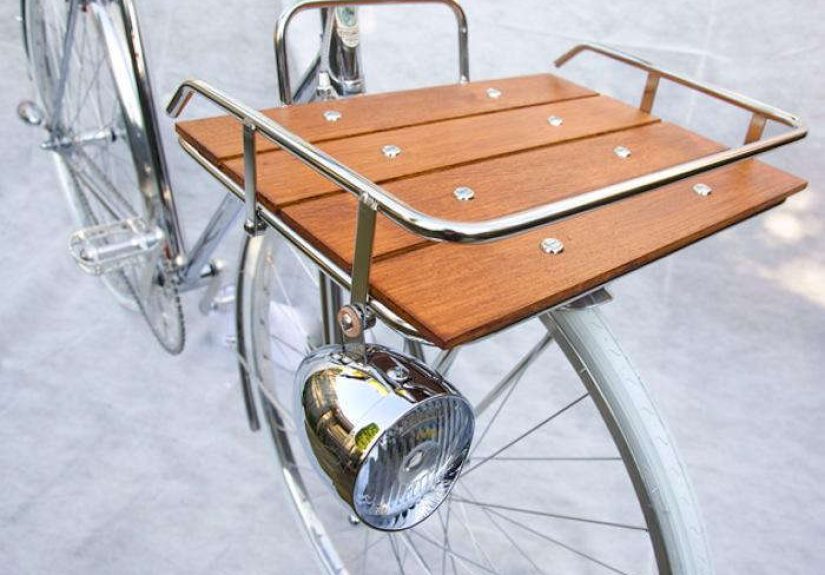
The VO Rack Wooden Slat Kit is typically described as a set of four handmade English oak slats that includes hardware and special attachment clamps.
Buyers could choose stainless steel or brass hardware, and the slats were commonly finished/varnished to a chosen color.
Functionally, it’s a bolt-on wood “deck” for the racksimple idea, surprisingly big quality-of-life upgrade.
The (mildly tragic) availability situation
In many listings and design/product roundups, the kit is marked as discontinued. That doesn’t mean the idea is deadit just means the original
kit can be harder to track down. The good news: the concept is straightforward enough that DIY or custom alternatives can be just as good (and sometimes even better).
Why wooden slats work so well on a front rack
A front rack platform is already useful, but bare metal can be slick, noisy, and a little unfriendly to certain bags. Wooden slats fix those issues without turning
your bike into a rolling moving van. Here’s why people keep coming back to slats:
1) More grip, less “bag skating”
Many rack-top loadspaper grocery bags, small boxes, soft-sided totestend to shift on smooth metal, especially when you hit a pothole or stand up to pedal.
Wood adds natural friction. Translation: fewer mid-ride shoulder checks to see if your lunch is trying to escape.
2) Better tie-down options
Slats create useful gaps and edges for straps. You can route a Voilé strap, cam strap, bungee, or webbing around wood in ways that feel more secure than relying
only on the rack’s perimeter. Done right, it’s like giving your rack extra “handholds” for cargo control.
3) Bag-friendlier surface
Canvas bags, leather straps, and some synthetic fabrics can scuff or snag on metal corners over time. A properly finished wooden deck is kinder to your gear.
Plus, the load often sits flatterless pressure on a single rail, more contact area on the deck.
4) The look: classic, intentional, not “random hardware store”
A porteur rack already has that timeless “practical elegance” thing going on. Wooden slats lean into it. It’s a style that suggests you carry real stuff
(not just dreams) and that you have opinions about finishes and hardwarewithout ever saying a word.
Rack compatibility and setup basics
Most people associate wooden slats with the VO Porteur Rack, but the underlying principle applies to any platform-style rack where you can clamp or
bolt a deck to the top. Still, knowing the rack’s layout helps you avoid fit headaches.
VO Porteur Rack: the platform that made slats famous
The VO Porteur Rack is a polished stainless steel front rack with a platform sized around 36 cm x 29 cm. It includes a removable cargo rail
and is commonly rated for up to 50 lb when mounted with a stable four-point setup (and lower when mounted with fewer attachment points).
It’s also designed for multiple wheel sizes (commonly including 700c, 27″, 26″, and 650b) and includes practical details like fender attachment points and loops
for tie-downs.
With or without the rail?
A key detail from the classic Wooden Slat Kit writeups: the slats can be used with or without the rack’s chrome/cargo rail. That’s useful because some
riders love the rail for corral-ing smaller items, while others prefer an open deck for bigger loads (or a basket/crate).
Mounting points matter more than slats
Wooden slats don’t magically make your rack stronger. The rack’s stability is mostly about how it mounts to your fork.
In recent years, Velo Orange has emphasized stronger side-of-fork mounting hardware (when your fork has mid-fork eyelets), creating a more stable four-point system
and supporting heavier loads with less wobble. In other words: the deck is the “nice shoes,” the mounting system is the “leg day.”
Safety note: Always follow the rack maker’s limits and your fork/frame’s limits. A rack can be rated for a load, but your fork and mounting points
still need to be up for the job. When in doubt, keep loads conservative and prioritize stable mounting.
Installation tips (a.k.a. how to avoid the “crooked deck era”)
Dry-fit everything first
Before tightening anything down, place the slats where you want them and check:
(1) clearance for the rail (if you’re using it), (2) clearance for straps, and (3) whether the slats sit flat without rocking.
A few minutes of dry-fitting saves you from a lifetime of staring at a slightly skewed slat every time you lock up your bike.
Choose hardware like you choose coffee: based on your personality
The original kit was often offered with stainless or brass hardware. Stainless is classic and low-fuss; brass is warm, eye-catching, and
slowly develops character (patina fans, unite). Either way, prioritize corrosion resistance and secure fastening.
Space the slats for your actual cargo
Here’s a practical approach: decide what you carry most often, then set spacing to support it.
If you carry small items (lunch, books, compact boxes), tighter spacing helps.
If you regularly strap awkward loads (a bulky tote, a picnic blanket, a stubbornly shaped bakery box), leaving strategic gaps can give straps more routing options.
Don’t over-tighten wood (wood remembers)
Wood compresses. If you crank hardware down like you’re torquing a crank bolt, you can dent the slats or create stress that shows up later as cracks.
Snug and secure is the goal. If you want extra protection, consider washers (or hardware designed to spread load).
Check clearance at full steering lock
After installation, turn the bars fully left and right and make sure nothing interferes with cables, brake lines, or your load.
A slat deck is great; a slat deck that rubs your cable housing every time you steer is… a personality test you didn’t ask for.
Finishing and maintenance: keeping slats looking sharp
The original kit descriptions often mention a varnished finish in a chosen color. That matters because the front of a bike lives in the worst possible place:
spray zone. Water, grit, road salt, and UV all show up uninvited.
Varnish vs. oil (and why “bare wood” is a short story)
A durable varnish or marine-style finish typically provides better water protection than a simple oil finishespecially for daily commuting in wet climates.
Oil can look amazing and is easy to refresh, but it may need more frequent upkeep. If you want “install and mostly forget,” lean toward a tougher protective coating.
Quick care routine
- Monthly-ish: wipe down and check bolts for tightness.
- After heavy rain rides: dry the deck and check for water sitting under hardware.
- Seasonally: inspect finish wear on edges (the first place grime and water win).
Can’t find the VO Rack Wooden Slat Kit? Build the idea instead.
Since the original kit is often listed as discontinued, many riders recreate the function with DIY slats or a custom deck.
The goal isn’t to copy every historical detailit’s to get a secure, good-looking rack surface that works for your setup.
A simple, rack-friendly DIY approach
You can make a wood slat deck with common materials and careful measuring. The safest, most reliable strategy is to:
measure your rack platform, create a cardboard template for slat length and hole placement, then cut and finish the slats before mounting.
Use corrosion-resistant hardware, and make sure clamps or brackets don’t crush the wood.
Wood choices that behave well
Oak is a classic choice (and matches the vibe of the original kit). Other durable hardwoods can work too.
What matters most is stability and finish quality: straight grain, no major knots near mounting points, and a protective coating suited for outdoor exposure.
The “quiet upgrade” add-ons
- Thin rubber or cork interface: reduces vibration and squeaks between wood and rack.
- Edge rounding: makes straps last longer and reduces splinter risk.
- Strategic gaps: improves strap routing and water drainage.
Practical loadouts: real examples that show why slats are worth it
Example 1: The grocery run (the rack’s natural habitat)
A stable front rack with a slat deck excels at “medium heavy, medium awkward” loads: a bag of produce, a carton of eggs, a loaf of bread, and a few pantry items.
Strap the load down in two directionsfront-to-back and side-to-sideand you’ll notice fewer shifts at stoplights.
If your rack setup supports heavier loads, keep weight low and centered to reduce steering flop.
Example 2: The work commute (laptop bag without the wobble)
A briefcase-style bag or compact backpack often sits better on wood than on bare rails.
The slats spread out contact pressure, which can help keep the bag from rocking.
Bonus: the bike looks like it has its life together, even if you’re running on two hours of sleep and optimism.
Example 3: The weekend “I’m outdoorsy now” mission
A rolled jacket, compact sleeping pad, or picnic setup straps down cleanly on slats because you can route straps around individual pieces.
For odd shapes, the deck creates more predictable tie-down geometry than a single perimeter rail.
Alternatives to wooden slats (for the “options are good” crowd)
Basket or crate
A basket is unbeatable for toss-and-go convenience. A crate adds structure and capacity.
The tradeoff is bulk and wind catch. Slats keep the rack sleek while still improving load security.
Rack-top bag or rando bag
If your main goal is weather protection and quick access, a purpose-built bag can be the best move.
Some riders still prefer slats underneath because the deck stabilizes the bag and provides a clean surface for straps.
FAQ
Will wooden slats change how much I can carry?
Slats can improve load stability, but they don’t increase the rack’s structural capacity. Capacity comes from the rack, its mounting system, and your fork/frame.
Treat the slats as a usability upgrade, not a weight-limit cheat code.
Do slats interfere with straps, hooks, or accessories?
Usually the opposite: they often make straps easier to route. That said, spacing matters. If you use specific hook systems or mount accessories,
plan your slat layout so attachment points remain accessible.
Can I use the rack without the cargo rail?
Many riders do. The classic Wooden Slat Kit writeups specifically mention using slats with or without the chrome/cargo rail.
If you carry small items that could slide, the rail helps. If you carry bigger loads or mount a basket/crate, you may prefer the open deck.
Real-world experiences with the VO Rack Wooden Slat Kit (and slat-deck setups)
Riders who add a wooden slat deck to a VO rack often describe the change as “small, then huge.” On day one, it looks like a style upgrade.
By day seven, it feels like your rack learned manners. The first “aha” moment usually happens when a bag that used to shimmy on metal suddenly stays put.
A paper grocery bag that once behaved like a nervous chihuahua calms down. A tote that used to drift forward under braking now sits with more confidence.
Another common experience: less noise. Bare racks can rattleespecially with loosely strapped loads or a slightly imperfect fit between rack and cargo.
Wooden slats tend to mute the clinks and buzzes that make a bike sound like it’s carrying a bag of wind chimes.
Riders commuting over rough pavement often notice the difference immediately, particularly if they add a thin interface layer (rubber, cork, or even a carefully cut strip of inner tube)
to reduce vibration at the contact points.
People also talk about how slats change their packing habits. Instead of relying on “one big bungee and hope,” they start using two straps in a more deliberate pattern:
one strap to keep the load down, another to keep it from walking sideways. The gaps between slats become natural strap channels, and you can fine-tune where tension lands.
That’s especially helpful for awkward cargolike a box that’s almost, but not quite, the size of the platform (the most annoying box category).
In bike communities, slat decks show up in photos because they look goodbut the experienced comments usually drift toward handling and stability.
Riders often mention that a solid mounting setup matters more than the deck. When the rack is mounted securelyespecially with additional support at mid-fork eyeletsheavier loads feel
less “wobbly shopping cart,” more “confident utility bike.” With a stable rack, slats become the finishing touch that makes cargo control easier.
With a less stable mount, slats still help with grip, but they can’t fix the underlying physics of a loosely supported platform.
Weather is the final chapter of the “experience” story. In wet climates, riders learn quickly that finish quality matters.
The folks who used durable protective coatings generally report that the deck keeps looking classy with minimal fuss.
The folks who went minimalist on finish sometimes end up with a “rustic” look faster than plannedraised grain, dulled edges, and darkening around hardware.
Neither outcome is a disaster (wood has charm), but most riders agree that a protective finish and occasional bolt checks keep the deck looking intentional
rather than “found behind a shed.”
And yes, there’s a social side: a slat-deck VO rack tends to spark conversations at coffee stops and bike racks.
It’s the rare accessory that reads as both aesthetic and practical, which means you’ll get compliments from design-minded folks and nods from utility cyclists.
The consensus experience is pretty simple: once you get used to a quiet, grippy, strap-friendly deck, going back to bare metal feels like moving from a cutting board
to balancing your sandwich ingredients on a butter knife.