
Table of Contents >> Show >> Hide
- What Exactly Are Carbs, Anyway?
- Healthy Carbs vs. Unhealthy Carbs
- Examples of Healthy Carbs
- How Many Carbs Do You Need?
- Why Healthy Carbs Matter for Long-Term Health
- How to Add More Healthy Carbs to Your Day
- Common Myths About Healthy Carbs
- Putting It All Together: What Are Healthy Carbs?
- Personal Experiences and Practical Examples with Healthy Carbs
- Conclusion
Poor carbs. One decade they’re the star of the food pyramid, the next decade
they’re treated like the villain of every diet plan. If you’ve ever sworn
off bread on Monday and then hugged a bowl of pasta on Friday, you already
know: our relationship with carbohydrates is… complicated.
The truth is, carbs are not the enemy. In fact, they’re your body’s
preferred source of energy. The real question isn’t
“Are carbs bad?” but rather “What are healthy carbs, and how do I eat
more of those?” Once you understand the difference between wholesome,
nutrient-packed carbohydrates and the sugary, ultra-processed stuff, eating
“carbs” becomes a lot less confusingand a lot more enjoyable.
What Exactly Are Carbs, Anyway?
Carbohydrates are one of the three main macronutrients, alongside protein
and fat. They break down into glucose, which your body uses for fuelthink
of carbs as the premium gas for your brain, muscles, and nervous system.
Most nutrition guidelines suggest that about 45–65% of your daily
calories come from carbohydrates, depending on your age, activity level,
and health needs. Carbs show up in obvious places like bread, pasta, and
rice, but also in fruits, vegetables, beans, milk, and yogurt.
There are three main types of carbohydrates:
-
Sugars: Naturally occurring (like the lactose in milk or
fructose in fruit) or added sugars (like table sugar in soda and candy). -
Starches: Long chains of glucose found in foods like
potatoes, corn, peas, and grains. -
Fiber: The part of plant foods that your body can’t fully
digest. It helps keep you full, supports gut health, and stabilizes blood
sugar.
Healthy carbs tend to be rich in fiber and nutrients and are usually
less processed. Unhealthy carbs are often stripped of fiber, loaded with
added sugar, and designed to make you want “just one more bite” (spoiler:
it’s never just one more).
Healthy Carbs vs. Unhealthy Carbs
Whole vs. Refined Carbs
One of the simplest ways to tell a healthy carb from an unhealthy one is to
look at how much it’s been processed.
-
Whole carbs still have their natural parts intact:
bran, germ, and endosperm in grains; skins and membranes in fruits and
vegetables. These foods usually have more fiber, vitamins, minerals, and
plant compounds. -
Refined carbs have had some or most of those natural
parts removed. White bread, many breakfast cereals, pastries, and white
rice are common examples. They digest quickly, spike blood sugar, and
don’t keep you full for long.
When you hear people talk about “good carbs” and “bad carbs,” they’re
usually comparing whole, minimally processed carbs versus
refined, low-fiber carbs.
The Glycemic Index: How Fast a Carb Hits
Another way to think about healthy carbs is to look at the
glycemic index (GI), which ranks foods based on how quickly
they raise your blood sugar.
-
Low-GI carbs (like most fruits, vegetables, beans, and
minimally processed grains) digest more slowly and help keep blood sugar
steady. -
High-GI carbs (like white bread, sugary cereals, and many
baked goods) are digested fast and cause a quick spikeand crashin
blood sugar.
You don’t have to memorize GI charts, but as a rule of thumb:
the closer a carb looks to how it grew in nature, the healthier it tends
to be.
Examples of Healthy Carbs
So, what actually counts as a “healthy carb”? Here are the all-stars you’ll
want to keep in regular rotation.
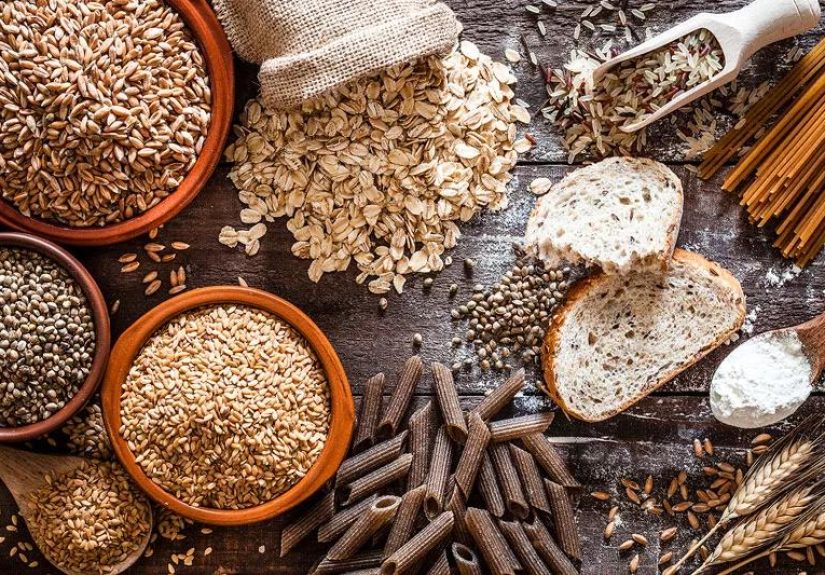
1. Whole Grains
Whole grains keep all three parts of the grain and come with fiber, B
vitamins, iron, magnesium, and more. They’re linked to better heart health,
improved blood sugar control, and lower risk of chronic disease.
Great whole-grain carb choices include:
- Oatmeal (especially steel-cut or old-fashioned oats)
- Brown rice or wild rice
- Quinoa, farro, and barley
- Whole-wheat bread, tortillas, and pasta
- Buckwheat and bulgur
If the first ingredient on the label says “whole wheat,” “whole grain,” or
the name of a whole grain (like “oats”), you’re usually on the right track.
2. Fruits
Fruit sometimes gets a bad rap because it contains sugar, but in a whole
piece of fruit that sugar is packaged with fiber, water, vitamins,
minerals, and antioxidants.
Healthy carb-rich fruits include:
- Berries (blueberries, strawberries, raspberries)
- Apples and pears (especially with the skin on)
- Oranges, clementines, and grapefruit
- Bananas (fantastic pre- or post-workout fuel)
- Grapes, kiwi, and melon
You’ll generally want to choose whole fruit over fruit juice.
Juice lacks fiber and can spike blood sugar more quickly.
3. Vegetables (Including Starchy Veggies)
Most vegetables are naturally low in calories and high in antioxidants, but
they still count as carbsespecially the starchy ones.
Healthy carb sources in the veggie category include:
- Sweet potatoes and white potatoes (with the skin on)
- Corn and green peas
- Winter squash (butternut, acorn)
- Carrots, beets, and parsnips
- Non-starchy vegetables like broccoli, spinach, peppers, and tomatoes
Starchy vegetables are more energy-dense, but they also provide fiber,
potassium, and other nutrients. They’re not “bad”they just need sensible
portions, especially if you’re managing blood sugar.
4. Legumes: Beans, Lentils, and Chickpeas
Legumes are the multitaskers of the healthy carb world. They give you
carbohydrates, plant-based protein, and fiber all at once.
Top choices include:
- Black beans, kidney beans, and pinto beans
- Chickpeas (garbanzo beans)
- Lentils (green, brown, red)
- Split peas and black-eyed peas
Regularly eating legumes has been linked with better blood sugar control,
improved cholesterol levels, and longer-lasting fullness after meals. Plus,
they’re budget-friendlyyour wallet will love them as much as your body
does.
5. Dairy and Dairy Alternatives
Some dairy products are also a source of healthy carbs, mostly in the form
of lactose, the natural sugar in milk.
- Plain milk (cow’s or fortified soy milk)
- Plain yogurt or kefir
- Greek yogurt with little or no added sugar
When choosing yogurt, check the labelsome flavored varieties have as much
added sugar as dessert. Look for options with more protein and less added
sugar, then sweeten naturally with fruit if you like.
How Many Carbs Do You Need?
There’s no single “perfect” carb number for everyone. But there are some
science-backed ranges that can help you decide what’s right for you.
-
Most adults do well with 45–65% of their daily calories
from carbs. For a 2,000-calorie diet, that’s roughly 225–325 grams per
day. -
Many guidelines recommend at least 130 grams of carbs per day
to meet the brain’s basic glucose needs. -
Athletes and very active people may need more, especially around workouts,
to maintain glycogen (stored carbohydrate) in their muscles.
If you have diabetes, prediabetes, or another health condition, your ideal
carb intake and timing may look different. Working with a registered
dietitian or healthcare provider can help you fine-tune the right approach.
Why Healthy Carbs Matter for Long-Term Health
When you focus on high-quality carbsthose rich in fiber and
nutrientsyour body notices. Research links diets high in whole grains,
fruits, vegetables, and legumes with:
- Lower risk of type 2 diabetes
- Better weight management
- Lower LDL (“bad”) cholesterol
- Reduced risk of heart disease and stroke
- Improved gut health and regular digestion
- Better overall health and healthy aging
On the flip side, diets heavy in refined carbs and added sugars are linked
to weight gain, blood sugar spikes, and a higher risk of heart disease and
metabolic problems. It’s not that carbs themselves are dangerousit’s that
the ultra-processed versions tend to crowd out the nourishing stuff.
How to Add More Healthy Carbs to Your Day
You don’t have to overhaul your entire pantry overnight. Small, consistent
swaps can add up quickly. Try these ideas:
-
At breakfast: Swap sugary cereal for oatmeal topped with
berries and nuts. Or choose whole-grain toast with peanut butter and a
banana. -
At lunch: Trade white bread for whole-grain bread or a
whole-wheat wrap. Add a side of fruit or a bean-based soup. -
At dinner: Replace some or all of your white rice with
brown rice, quinoa, or farro. Fill half your plate with vegetables. -
For snacks: Think apples with almond butter, carrots and
hummus, air-popped popcorn, or a small yogurt with fruit. -
Upgrade ingredients: Use whole-wheat pasta instead of
regular, or mix half whole-wheat and half regular pasta as a transition.
The goal isn’t “no carbs.” It’s better carbs, in better portions.
Common Myths About Healthy Carbs
Myth 1: “All Carbs Make You Gain Weight.”
Weight gain is about overall calorie balance and lifestyle, not a single
nutrient. High-fiber carbs like beans, oats, and fruit can actually help
with weight management because they keep you fuller longer and support
steady energy levels. It’s often refined carbs plus added fats (think
donuts, chips, pastries) that drive overeating.
Myth 2: “Fruit Is Just Sugar in Disguise.”
Yes, fruit contains natural sugarbut it also delivers fiber, antioxidants,
potassium, and water. That combo slows down how quickly sugar hits your
bloodstream. Compared to candy or soda, fruit is an absolute nutritional
overachiever.
Myth 3: “You Need to Cut Carbs Drastically to Be Healthy.”
Very low-carb diets can be useful in certain medical situations and for
some people’s preferences, but they’re not the only road to health. Extreme
carb restriction can make it harder to get enough fiber and may be tough to
sustain long-term. For many people, a moderate-carb, high-fiber pattern
works just fineand is easier to live with.
Myth 4: “White Foods Are Always Bad.”
While many refined carbs are pale and fluffy (white bread, crackers, and
pastries), not all white foods are unhealthy. Cauliflower, onions, garlic,
mushrooms, and plain yogurt are all “white” and all nutrient-dense. Color
can be a clue, but it’s not the full storyprocessing matters more.
Putting It All Together: What Are Healthy Carbs?
Healthy carbs are foods that provide carbohydrates along with fiber,
vitamins, minerals, and beneficial plant compounds. They’re usually
minimally processed, digest more slowly, and support stable blood sugar and
long-term health.
In short, healthy carbs are things like:
- Whole grains (oats, brown rice, barley, quinoa, whole-wheat bread)
- Fruits (especially whole, not juiced)
- Vegetables, including starchy ones like potatoes and corn
- Legumes (beans, lentils, chickpeas, peas)
- Plain dairy products like milk, yogurt, and kefir
When you choose these foods most of the timeand keep refined sweets,
sugary drinks, and ultra-processed carbs in the “sometimes” categorycarbs
become a powerful ally instead of something to fear.
Personal Experiences and Practical Examples with Healthy Carbs
Theory is great, but real life happens in grocery aisles, office kitchens,
and 8 p.m. snack cravings. To make “healthy carbs” less abstract, let’s
walk through a few real-world style experiences and how small changes can
make a big difference.
From Carb-Phobic to Carb-Savvy: A Common Journey
Imagine someone who has tried every low-carb trend out there. They give up
bread, swear off pasta, and feel a little guilty every time they look at a
bowl of rice. At first, the scale might dropbut so does their energy.
Workouts feel harder. Concentration slips in the afternoon. Cravings hit
like a freight train at night.
Over time, they start experimenting with adding carbs back injust
smarter ones. Breakfast becomes oatmeal with chia seeds and berries
instead of a sugary coffee and a pastry. Lunch upgrades from a lettuce-only
salad to a bowl with quinoa, roasted vegetables, and chickpeas. Dinner moves
from a huge plate of refined pasta to a moderate portion of whole-wheat
pasta plus a big side of veggies.
The result? Energy steadies. Mid-afternoon crashes fade. They feel full
longer after meals. The scale may move more slowly, but it’s more stable,
and they’re not constantly bargaining with themselves about “good” and
“bad” foods. Healthy carbs become part of a sustainable pattern instead of
something to fear.
A Day in the Life of Eating Healthy Carbs
Here’s what one typical day of balanced, healthy carbs might look like:
-
Breakfast: A bowl of old-fashioned oats cooked with
milk, topped with blueberries, a sliced banana, and a sprinkle of chopped
walnuts. Coffee or tea on the side. -
Mid-Morning Snack: An apple with a tablespoon of peanut
butter. The fruit provides fiber and natural sweetness; the nut butter
adds protein and healthy fat. -
Lunch: A grain bowl with brown rice, black beans,
roasted sweet potatoes, peppers, and a dollop of salsa and plain Greek
yogurt. It’s colorful, filling, and you can prep it ahead for busy days. -
Afternoon Snack: Carrot sticks and cucumbers with hummus
or a small container of plain yogurt with sliced strawberries. -
Dinner: Baked salmon, a side of quinoa with herbs, and a
big serving of roasted broccoli. Finish with a small orange or a few
slices of pineapple if you’re in the mood for something sweet.
This kind of menu includes carbs at every meal and snack, but they’re
high-quality, fiber-rich carbs. You’re not dodging
carbohydratesyou’re choosing the ones that actually bring something to the
table: energy, nutrients, and satisfaction.
What People Often Notice When They Switch to Healthy Carbs
When people move gradually from refined carbs to healthy carbs, a few
common themes tend to show up:
-
Fewer cravings: High-fiber carbs digest more slowly, so
you’re less likely to feel ravenous an hour after eating. -
More consistent energy: Instead of quick spikes and
crashes, blood sugar (and mood) smooths out. -
Better digestion: Fiber supports regularity and a
healthier gut microbiome. -
Easier weight management: Feeling fuller longer can make
it easier to eat appropriate portions without obsessing over every bite.
None of this requires perfection. People still enjoy birthday cake, pizza
nights, or a favorite dessert. The difference is that these become
occasional treats, not daily staples. The foundation of their diet is
made of the healthy carbs that support their goals rather than sabotage
them.
Small, Realistic Steps You Can Start Today
If “eat more healthy carbs” still feels vague, pick just one or two changes
to try this week:
- Switch one refined carb (like white bread) to a whole-grain version.
- Add one serving of fruit and one serving of vegetables to your day.
- Include beans or lentils in at least one meal this week.
- Replace one sugary drink with water, sparkling water, or unsweetened tea.
- Experiment with one new whole grainquinoa, farro, or barley.
Over time, these small upgrades stack up. You’ll still be eating carbs, but
they’ll be the kind that support your energy, your health, and your
long-term goals.
Conclusion
Healthy carbs aren’t a trendthey’re a foundation of a balanced, enjoyable
way of eating. When you focus on whole grains, fruits, vegetables, legumes,
and minimally processed dairy, you get the benefits of carbohydrates without
the rollercoaster ride of refined sugars and empty calories.
Instead of asking, “Should I eat carbs?” a better question is,
“Which carbs give me the most value for every bite?” Choose
the ones that come with fiber, nutrients, and staying power, and you’ll
find that carbs can absolutely belong in a healthy lifestyle.
meta_title: What Are Healthy Carbs? A Simple Guide
meta_description:
Learn what healthy carbs are, which foods to choose, and how to enjoy
carbohydrates for better energy, weight, and long-term health.
sapo:
Carbs don’t have to be confusingor off-limits. In this in-depth guide,
you’ll learn exactly what counts as a healthy carb, how to tell good carbs
from the refined ones that spike your blood sugar, and why fiber-rich
choices like whole grains, fruits, vegetables, and beans are so powerful
for your weight, energy, and long-term health. With practical examples,
simple food swaps, and real-life experiences, this article shows you how to
build meals around satisfying, nutrient-dense carbohydrates instead of
fearing them.
keywords:
healthy carbs, good carbs vs bad carbs, complex carbohydrates, high-fiber
foods, whole grains, low glycemic index foods, balanced diet







 Close
Close