
Table of Contents >> Show >> Hide
- What Is Carob, Exactly?
- Main Benefits of Carob
- 1. Carob Is Naturally Caffeine-Free
- 2. It Is High in Dietary Fiber
- 3. Carob Is Low in Fat
- 4. It Contains Polyphenols and Other Antioxidant Compounds
- 5. Carob May Help Support Cholesterol Management
- 6. It May Be Helpful in Certain Digestive Situations
- 7. It Can Be a Convenient Cocoa Alternative for Sensitive Eaters
- 8. It Provides Minerals Too
- Carob vs. Cocoa: Which One Wins?
- Possible Downsides and Who Should Be Careful
- Best Ways to Add Carob to Your Diet
- Everyday Experiences With Carob: What People Often Notice
- Final Takeaway
Carob does not get the same spotlight as cocoa, coffee, matcha, or whatever wellness powder is currently flexing on social media, but maybe it should. This naturally sweet pod, often ground into a powder, has been used for centuries and still manages to feel oddly underrated in modern kitchens. If you have ever spotted carob chips at the store and thought, “Ah yes, chocolate’s mysterious cousin,” you are not entirely wrong. Carob is often used as a cocoa alternative, but it brings its own nutritional personality to the table.
So, what are the benefits of carob? In short, carob is naturally caffeine-free, high in dietary fiber, low in fat, and packed with plant compounds such as polyphenols. It may support digestive health, help with fullness, fit into lower-caffeine eating patterns, and show promise for cholesterol management. It also tends to be naturally sweeter than cocoa, which can make it easier to use less added sugar in certain recipes. That said, not every carob product is automatically a health halo in snack form. A carob candy bar is still a candy bar, even if it looks like it belongs in a yoga studio gift shop.
Here is a closer look at what carob is, how it compares with cocoa, and where its real-world benefits stand out most.
What Is Carob, Exactly?
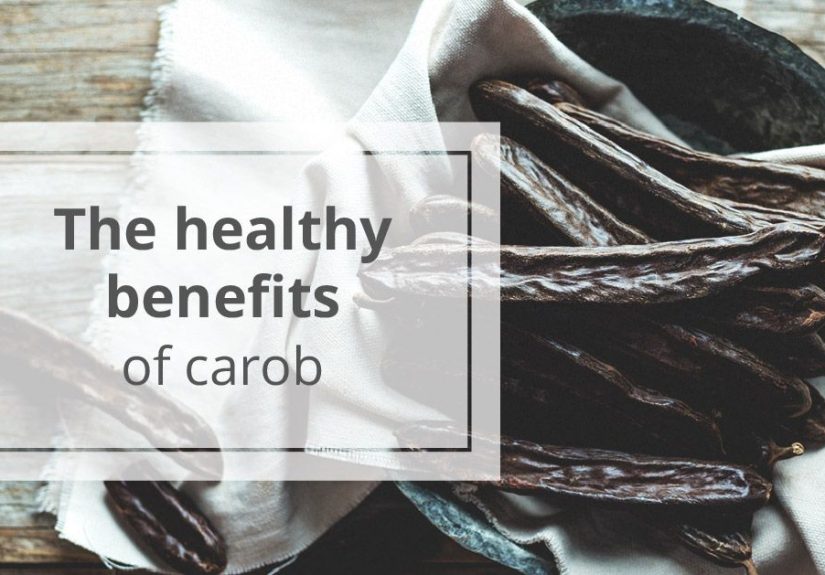
Carob comes from the pods of the Ceratonia siliqua tree, which is native to the Mediterranean region. The pods are dried, roasted, and ground into carob powder or flour. That powder can be used in baking, smoothies, oatmeal, sauces, and beverages in a way that is similar to cocoa powder, although the flavor is different. Carob tastes naturally sweet, earthy, and slightly toasty, with notes that many people describe as somewhere between cocoa, caramel, and malt.
Unlike cocoa, carob contains no caffeine. That one detail alone makes it appealing to people who love the ritual of a warm chocolatey drink but do not want the late-night buzzing, the jittery hands, or the unpleasant feeling of becoming emotionally overcommitted to espresso after 4 p.m.
Main Benefits of Carob
1. Carob Is Naturally Caffeine-Free
One of the biggest benefits of carob is also one of the easiest to understand: it lets you enjoy a rich, dessert-like flavor without caffeine. For people who are sensitive to stimulants, that matters. Cocoa and chocolate naturally contain caffeine, while carob does not. If you are trying to cut back on caffeine because of sleep problems, anxiety, heart-racing, or plain old overstimulation, carob can be a useful swap.
This makes carob especially practical for evening snacks, nighttime hot drinks, or family recipes that kids will also eat. It can give baked goods and smoothies a familiar dark, cozy flavor without turning your dessert into an accidental productivity beverage.
2. It Is High in Dietary Fiber
Carob’s fiber content is one of its most impressive features. Pure carob flour is notably high in fiber, which is a big deal because fiber supports several aspects of health at once. It helps with digestive regularity, contributes to fullness after meals, and may support healthy cholesterol and blood sugar patterns as part of an overall balanced diet.
Fiber is not flashy, but it is deeply useful. It is the nutritional equivalent of the reliable friend who shows up on time, remembers your birthday, and never asks to borrow money. A higher-fiber food can help make meals more satisfying, which may reduce the urge to keep snacking just because your lunch disappeared into a black hole an hour ago.
Carob works best here when you use pure powder or flour, not heavily sweetened carob candies. The less processed the product, the more likely you are to get the fiber benefit that makes carob stand out in the first place.
3. Carob Is Low in Fat
Compared with cocoa powder and many chocolate-based ingredients, carob is naturally low in fat. That does not automatically make it “better,” because healthy fats absolutely have a place in a smart diet. But it does make carob an attractive ingredient for people who want a rich taste without adding much fat from the powder itself.
This is one reason carob often shows up in older school “light” recipes, homemade snack bars, and simple pantry-friendly baking. Its sweetness and flavor can carry a recipe without relying heavily on extra fat. In some cases, that can help you build more nutrient-dense snacks that still feel like treats.
4. It Contains Polyphenols and Other Antioxidant Compounds
Carob contains plant compounds called polyphenols, including tannins and other antioxidant substances. Antioxidants help protect cells from oxidative stress, which is one reason plant foods remain such a strong theme in nutrition advice. Carob is not a magical anti-aging wand, and it will not transform your life because you added one tablespoon to a smoothie, but its polyphenol content is still a meaningful nutritional plus.
In practical terms, foods rich in plant compounds can support overall dietary quality. Carob earns points here because it is more than just a sweet cocoa substitute. It brings its own functional nutrition profile, especially when you use it in minimally processed forms.
5. Carob May Help Support Cholesterol Management
Some research on carob fiber and carob pulp preparations suggests benefits for blood lipids, including total cholesterol and LDL cholesterol. Scientists believe the combination of insoluble fiber and polyphenols may play an important role here. That does not mean a few carob muffins replace medical care, but it does suggest that carob can be a smart ingredient in a heart-conscious eating pattern.
The key phrase is part of a pattern. Foods do not work in isolation. Carob may be useful when it is included alongside other habits that support cardiovascular health, such as eating more legumes, fruits, vegetables, whole grains, and minimally processed foods overall.
6. It May Be Helpful in Certain Digestive Situations
Carob has a long history of use in digestive health, especially because of its tannins and fiber. Some clinical research has looked at tannin-rich carob preparations in children with acute diarrhea, and the results were promising in that very specific medical setting. That does not mean everyone should self-treat digestive problems with random spoonfuls of carob powder, but it does help explain why carob is often associated with gut-related benefits.
For everyday eating, the more realistic digestive advantage is simply that fiber can help support regular bowel habits and satiety. Just remember that increasing fiber too fast can backfire. If your current fiber intake is low, suddenly eating giant carob-heavy smoothies and bran muffins like you are on a mission from the nutrition gods may leave your stomach filing a formal complaint.
7. It Can Be a Convenient Cocoa Alternative for Sensitive Eaters
Carob is naturally gluten-free in its pure form, and because it contains no caffeine, it may work well for people who avoid cocoa, chocolate, or stimulant-containing foods. It is also naturally sweet, which can allow recipe developers to use less added sugar in some baked goods and breakfast recipes.
There is another practical benefit here: taste. Carob does not taste exactly like chocolate, but that can actually be a good thing. If you stop expecting it to impersonate dark chocolate at an awards-level performance, it becomes easier to enjoy carob for what it is: mildly sweet, roasted, mellow, and easy to pair with cinnamon, vanilla, banana, oats, nut butters, and warm spices.
8. It Provides Minerals Too
Carob is not just fiber with a good publicist. It also contains minerals such as calcium and potassium, along with smaller amounts of other nutrients. No one should depend on carob alone to meet mineral needs, but it can contribute to an overall nutrient-rich diet in a simple, accessible way. When an ingredient adds flavor, fiber, and some helpful micronutrients at the same time, that is a pretty solid résumé.
Carob vs. Cocoa: Which One Wins?
This depends on what you want. If you are after the classic bitter, intense chocolate taste and the flavanol-rich profile of cocoa, cocoa is hard to replace. But if you want a sweeter flavor, no caffeine, less bitterness, and an ingredient that is naturally low in fat and high in fiber, carob has a strong case.
Carob is not necessarily “healthier” in every situation. It is simply different. Cocoa has advantages, and carob has advantages. Your best choice depends on whether you care most about taste, stimulant content, sweetness, fiber, or how the ingredient behaves in recipes.
For example, carob often shines in oatmeal, smoothies, energy bites, quick breads, pancakes, and warm milk-based drinks. Cocoa usually wins when you want bold chocolate intensity. Carob wins when you want something softer, sweeter, and more low-key.
Possible Downsides and Who Should Be Careful
Carob is generally considered safe for most people, but there are still a few things to know.
Some Carob Products Are High in Sugar
Pure carob powder is one thing. Commercial carob bars, syrups, and snack products are another. Because carob is naturally sweet, people sometimes assume every carob product is automatically wholesome. Not always. Some are still desserts with plenty of sugar and calories. Read labels like an adult who has been disappointed before.
Too Much Fiber Can Be Rough on the Stomach
If you suddenly increase your intake, the fiber in carob may cause bloating, gas, or digestive discomfort. Start small and drink enough fluids.
Allergy Considerations Matter
Carob is a legume. People with certain legume allergies may need to be careful, especially if they have a history of food sensitivity. Anyone with known allergies should check with a qualified clinician before experimenting with new foods or supplements.
Medical Claims Should Stay Realistic
Carob can be a useful food. It is not a miracle treatment. If you have persistent digestive symptoms, cholesterol concerns, blood sugar issues, or other health conditions, food choices can help, but they are not a substitute for professional care.
Best Ways to Add Carob to Your Diet
If you want the benefits of carob without turning your pantry into a niche health-food museum, start simple.
- Stir carob powder into oatmeal with cinnamon and banana.
- Add it to smoothies with milk, Greek yogurt, dates, or peanut butter.
- Use it in muffins, pancakes, and quick breads.
- Mix it into homemade energy bites with oats and seeds.
- Make a warm carob drink for the evening when hot cocoa sounds good but caffeine does not.
- Swap part of the cocoa in baking recipes and adjust sweetness to taste.
Because carob is naturally sweeter than cocoa, you may not need as much sugar in a recipe. That is one of its sneakiest little advantages.
Everyday Experiences With Carob: What People Often Notice
One of the most interesting things about carob is that people often come to it for one reason and stay with it for another. Some try it because they want to avoid caffeine. Others buy it because they are curious about fiber-rich foods, or because they remember hearing about it from a parent, a grandparent, or a particularly enthusiastic natural-food-store employee who seemed emotionally invested in legumes.
In everyday use, one of the first experiences people report is that carob tastes sweeter than expected. If someone goes in expecting a perfect chocolate duplicate, there can be a brief moment of betrayal. But once carob is treated as its own ingredient, not a chocolate stunt double, it usually makes more sense. In oatmeal, smoothies, pancakes, and snack bites, that natural sweetness often feels pleasant and easy to work with. It can make simple recipes taste fuller without demanding much added sugar.
Another common experience is that carob feels more comfortable for people who do not love the stimulating effects of cocoa or chocolate. A nighttime mug of something warm and carob-based can feel cozy without pushing sleep in the wrong direction. That is not dramatic, but it is practical. Plenty of people do not need dessert to come with a side quest involving a racing mind at 11:30 p.m.
In baking, people often notice that carob behaves a little differently from cocoa. The flavor is softer, less bitter, and more naturally mellow. Recipes can end up tasting rounder and toastier. Banana bread, oatmeal cookies, breakfast bars, and no-bake bites are all places where carob can shine. It pairs especially well with cinnamon, vanilla, nuts, dates, and warm spice blends. If you already enjoy foods with caramel-like or roasted flavors, carob tends to feel very approachable.
From a digestion standpoint, experiences vary. Some people appreciate the extra fiber and feel more satisfied after eating carob-based foods. Others discover, with unnecessary enthusiasm, that too much fiber too quickly is not a game. That is why moderation matters. A tablespoon in a smoothie is a gentler introduction than a large serving of several high-fiber carob foods all in one day.
There is also a convenience factor. Carob powder is easy to store, easy to stir into recipes, and useful when you want a pantry ingredient that can make everyday foods feel a little more special. It can turn plain yogurt into something dessert-adjacent, give overnight oats more depth, or make a smoothie taste like it belongs in a café instead of a rushed Tuesday morning.
Perhaps the most realistic experience of all is this: carob tends to become more enjoyable the moment you stop asking it to be chocolate and start using it as carob. That is when people often notice its real benefits most clearly. It is sweet without being candy, rich without caffeine, versatile without much effort, and nutritious without needing a marketing campaign in all caps.
Final Takeaway
So, what are the benefits of carob? The strongest answers are also the simplest ones. Carob is naturally caffeine-free, high in fiber, low in fat, and rich in plant compounds such as polyphenols. It may support digestive health, help with fullness, contribute useful minerals, and show promise for supporting healthy cholesterol levels as part of a balanced eating pattern. It is also practical, versatile, and easy to use in sweet recipes where cocoa feels too intense or too stimulating.
Carob will not replace every chocolate craving, and it does not need to. Its real advantage is that it offers a different kind of goodness: gentler, naturally sweeter, and surprisingly useful in everyday meals. If you have never given it a fair shot, this might be the moment to stop side-eyeing the carob powder and let it into your oatmeal.






 Close
Close