Table of Contents >> Show >> Hide
- What Exactly Is a Valencia Orange?
- Why Are Valencia Oranges So Famous?
- How Do Valencia Oranges Taste?
- When Are Valencia Oranges in Season?
- Why Do Some Valencia Oranges Turn Green Again?
- Valencia Oranges vs. Navel Oranges
- Are Valencia Oranges Good for You?
- What Can You Do With Valencia Oranges?
- How to Pick the Best Valencia Oranges
- How to Store Valencia Oranges
- Do Valencia Oranges Have Different Varieties?
- Why Valencia Oranges Matter So Much in Citrus Culture
- Final Thoughts
- Everyday Experiences With Valencia Oranges
If oranges had a class reunion, Valencia would walk in late, look unbothered, and somehow still steal the spotlight. While navel oranges usually get the early-season attention, Valencia oranges are the ones that keep orange lovers happy when winter is winding down and the produce aisle starts looking a little tired. They are juicy, sweet, bright, and famous for making excellent orange juice. In other words, if an orange could have a résumé, Valencia would list “main character energy” under special skills.
But what exactly are Valencia oranges? Are they just regular oranges with a fancier name? Why are they such a big deal in juice production? And why do some of them turn green again just when you think they are ready for their close-up? This guide breaks it all down in plain English, with practical tips for buying, eating, storing, and cooking with Valencia oranges. Whether you are a casual citrus snacker, a breakfast juice loyalist, or a home cook trying to sound impressive in front of a salad, here is everything you need to know.
What Exactly Is a Valencia Orange?
Valencia oranges are a type of sweet orange best known for their rich juice, lively sweetness, and late-season harvest. They are not a different species from the oranges you already know. Instead, they belong to the sweet orange family, but they stand out for one major reason: they are one of the best juicing oranges in the world.
That reputation is not marketing fluff. Valencia oranges are widely grown because they produce flavorful juice with a classic orange taste, good color, and a balanced sweet-tart profile. They are also eaten fresh, of course, but their fame comes from the fact that they squeeze beautifully and taste like the orange juice people imagine when they think of fresh-squeezed breakfast juice.
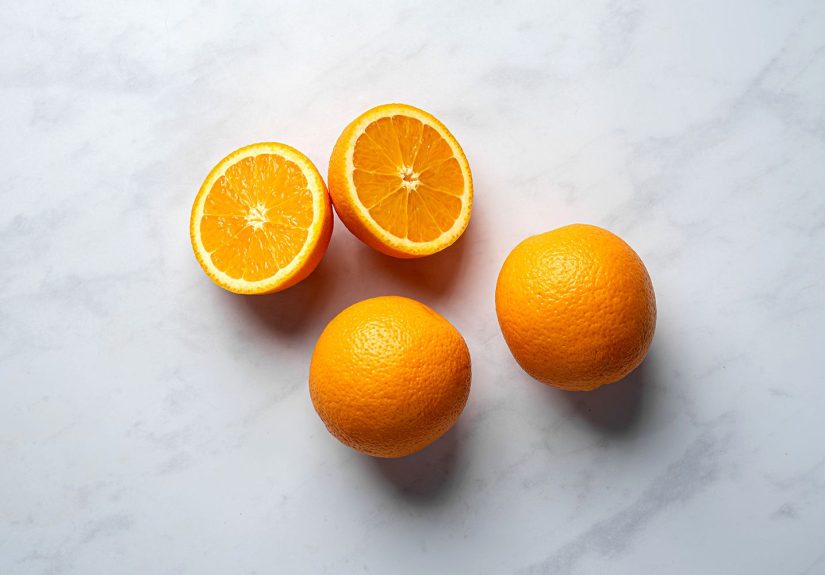
In appearance, Valencia oranges are usually medium-sized, round to slightly oval, and packed with juice. Their peel is often thinner than a navel orange peel, which can make them a little less convenient to peel by hand but fantastic for juicing. Depending on the growing region and the specific variety, they may have few seeds, several seeds, or in some improved strains, almost none at all.
Why Are Valencia Oranges So Famous?
They are the orange juice MVP
If you have ever had orange juice that tasted especially fresh, bright, and naturally sweet, there is a good chance Valencia oranges were involved. Their juice is prized for its color, sugar content, and clean, classic orange flavor. That is why growers and citrus programs often describe Valencia as the go-to orange for juice production.
They arrive later than many other oranges
Valencia oranges are considered late-season oranges. While some orange varieties shine in winter, Valencias often come into their stride from late winter into spring, and in some markets they stretch well into summer. That makes them especially valuable because they keep good oranges in circulation after earlier varieties start disappearing.
They do double duty
Some fruits are either best for eating fresh or best for processing. Valencia oranges are overachievers. They are excellent for juice, but they can also be delicious for fresh eating when fully ripe. Slice them into salads, use them in desserts, or eat them over the sink like a civilized person who immediately loses all dignity once the juice starts dripping down their wrist.
How Do Valencia Oranges Taste?
Valencia oranges have the flavor many people think of as the most “orange-y” orange flavor. They are usually sweet, but not flat or candy-like. A little acidity keeps them lively, which is exactly what makes their juice taste so refreshing instead of dull.
Compared with some other sweet oranges, Valencias often taste brighter and more balanced. They are less about easy peeling and snack convenience and more about juicy payoff. If navel oranges are the easygoing lunchbox favorite, Valencia oranges are the citrus equivalent of a barista who takes flavor very seriously.
The exact taste can vary with climate, maturity, and strain. Fruit grown in different regions may be slightly smaller or thicker-skinned, and sugar-acid balance can shift with weather. But the broad profile stays consistent: sweet, juicy, aromatic, and ideal for squeezing.
When Are Valencia Oranges in Season?
This is one of the biggest things that sets Valencia oranges apart. In the United States, Valencia oranges are generally associated with the late citrus season. Depending on where they are grown, you will often see them mature around February or March and continue through spring. In California markets, their season can stretch especially long, sometimes running into early fall.
That timing matters because it fills a useful gap in the orange calendar. Earlier oranges, such as navels, tend to dominate in cooler months. Then Valencia steps in and says, “Relax, I brought backup.”
Another quirky detail makes Valencia oranges even more interesting: they can carry two crops on the tree at once. One crop may be mature while the next is still developing. That is one reason these trees can look especially dramatic and productive in orchards.
Why Do Some Valencia Oranges Turn Green Again?
Yes, this confuses almost everyone at least once.
Valencia oranges can sometimes re-green after they have already turned orange. This usually happens when warmer spring weather causes chlorophyll to return to the peel. It may look like the fruit is unripe, but the green color does not necessarily mean poor quality. In many cases, the inside is still fully mature, juicy, and ready to eat.
This is one of the most charmingly rude things a Valencia orange can do. It gets ripe, then changes outfits, then dares you to judge it by its cover. The smart move is to go by weight, feel, and taste, not peel color alone.
Valencia Oranges vs. Navel Oranges
People compare these two all the time, and for good reason. They are both sweet oranges, but they serve slightly different purposes.
Valencia oranges
- Best known for juicing
- Usually more juice-heavy
- Late-season fruit
- May have a few seeds, depending on the selection
- Peel can be thinner and a bit less easy to remove
Navel oranges
- Great for eating out of hand
- Typically seedless
- Easy to peel and section
- Earlier season than Valencia
- Juice can develop bitterness if it sits too long
If you want the best orange for packed lunches, navels often win. If you want peak orange juice, Valencia usually takes the crown.
Are Valencia Oranges Good for You?
Absolutely. Like other oranges, Valencia oranges are nutrient-dense without being calorie-heavy. A typical orange provides vitamin C, some folate, dietary fiber, water, and natural carbohydrates. That means they are one of those rare foods that feel cheerful and practical at the same time.
Here is the nutrition headline in plain language:
- Vitamin C: one of the standout nutrients in oranges, helpful for immune function and collagen formation
- Folate: naturally present in oranges and orange juice
- Fiber: whole oranges give you more fiber than juice
- Hydration: oranges are mostly water, so they are refreshing as well as sweet
That said, there is a small but important difference between eating a Valencia orange and drinking its juice. Whole fruit gives you fiber and more chewing satisfaction, while juice gives you concentrated flavor and quick refreshment. Both can fit into a balanced diet, but they are not nutritionally identical. So if your breakfast includes a whole orange and a glass of juice, congratulations, you may simply love citrus more than the average person.
What Can You Do With Valencia Oranges?
Quite a lot, actually. Valencia oranges are versatile enough for sweet and savory cooking, and they are especially useful when you want real orange flavor instead of something flat and generic.
Best uses for Valencia oranges
- Fresh-squeezed orange juice
- Citrus salads with fennel, mint, or avocado
- Marinades for chicken, pork, or shrimp
- Orange cakes, loaf breads, and muffins
- Homemade vinaigrettes
- Sorbets, granitas, and popsicles
- Sauces for pancakes, yogurt, or cheesecake
Because the fruit is so juicy, Valencia oranges are especially good in recipes where liquid flavor matters. They are less about neat little peel-and-pop convenience and more about giving you a bold citrus payoff.
How to Pick the Best Valencia Oranges
Choosing a good Valencia orange is simple once you know what to look for.
Look for these signs
- Heavy for its size: more weight usually means more juice
- Firm but not rock-hard: you want bounce, not mush
- Skin without major soft spots or mold: a little texture is normal, decay is not
- Do not panic over green patches: especially late in the season, some green color can be normal
Bright orange color can be attractive, but with Valencia oranges, color does not tell the whole story. A slightly greenish orange can still be perfectly ripe. Citrus likes to keep shoppers humble.
How to Store Valencia Oranges
If you plan to eat them quickly, Valencia oranges can sit on the counter for a short time. If you want them to last longer, refrigeration is the better choice. Cooler temperatures help preserve quality by slowing moisture loss.
For best results:
- Store them dry, not damp
- Keep them in the refrigerator crisper for longer freshness
- Wash just before using, not before storage
- Juice them when they are at peak heaviness and aroma
If you are planning to juice several at once, let refrigerated fruit sit at room temperature for a bit before squeezing. It can make extraction easier, and your hands will be less personally offended by the process.
Do Valencia Oranges Have Different Varieties?
Yes. “Valencia” is not just one perfectly identical fruit everywhere. There are multiple Valencia selections and strains used in citrus growing. Collections in the United States include names such as Campbell, Olinda, Delta, Midknight, Rhode Red, and others. Some are valued for being seedless, some for earlier maturity, and some for strong internal quality.
That is worth knowing because if you buy a Valencia orange in one state and another in a different growing region, they may not look or behave exactly the same. Same family, slightly different personalities.
Why Valencia Oranges Matter So Much in Citrus Culture
Valencia oranges are not just another fruit-bin option. They have deep roots in American citrus culture, especially in states such as Florida, California, Arizona, and Texas. They help extend the orange season, support juice production, and give home gardeners a late-season option that feels rewarding when other citrus is fading.
There is also something refreshingly practical about them. Valencia oranges are not showy in the way novelty citrus can be. They do not need a dramatic pink interior or a fancy supermarket label to justify their existence. They succeed because they taste good, juice well, and show up when you need them most. That is not flashy. That is competence. And honestly, produce could use more of that.
Final Thoughts
So, what are Valencia oranges? They are late-season sweet oranges with a long-standing reputation for making some of the best orange juice around. They are juicy, bright, flavorful, and surprisingly versatile. They may have a thinner peel, a few seeds, and a habit of turning green again just to keep you guessing, but they earn their reputation where it counts: in taste.
If you love fresh citrus, Valencia oranges deserve a permanent spot on your radar. Eat them out of hand, squeeze them for juice, toss them into salads, or bake them into desserts. They are the oranges that show up later, work harder, and leave a stronger impression. Not bad for fruit that mostly minds its own business in a mesh bag.
Everyday Experiences With Valencia Oranges
One of the best ways to understand Valencia oranges is not through a textbook definition, but through the everyday experiences people have with them. Picture a Saturday morning in late spring. The kitchen is quiet, coffee is brewing, and a bowl of Valencia oranges is sitting on the counter. They are not always the prettiest fruit in the room. Some may have a little green on the peel, some may look less polished than winter navels, and some may feel unexpectedly heavy. Then you cut one open, and suddenly the whole room smells like fresh citrus sunshine. That is usually the moment people “get” Valencia oranges.
For many home cooks, the first memorable Valencia experience is juicing. You slice one in half, press it on the juicer, and realize just how much liquid comes out. It is not stingy fruit. The juice is bright, sweet, slightly tangy, and full of that classic orange flavor people often hope for in store-bought juice but do not always get. Even a simple glass feels like an upgrade. It tastes less like a product and more like an actual fruit that woke up and chose excellence.
Another common experience is buying Valencia oranges at the farmers market or grocery store and assuming they are not ripe because some of them look slightly green. This leads to a tiny internal produce crisis. Then someone more experienced explains that Valencia oranges can re-green in warm weather without losing quality. You take them home anyway, try one, and realize the peel was basically trolling you. From that point on, you start choosing by weight and feel instead of color alone, which is a very grown-up citrus milestone.
Valencias also tend to show up in cooking moments that feel more special than complicated. A few segments in a salad with avocado and herbs. Fresh juice whisked into a vinaigrette. Zest and juice folded into cake batter. Orange slices layered over yogurt with honey. None of these ideas require culinary school energy. Valencia oranges just make ordinary food taste sharper, fresher, and more awake.
For families, Valencia oranges can become part of a seasonal rhythm. Winter might belong to easy-peeling navels, but spring often feels like Valencia time. They are the oranges for pitchers of juice at brunch, for snack plates on warmer afternoons, and for that transitional moment when heavy comfort food starts losing its appeal. Their flavor feels clean and optimistic. They are less cozy blanket, more open window.
Even gardeners and citrus hobbyists often describe Valencia oranges with a kind of affectionate respect. They appreciate the late harvest, the dependable juice quality, and the strange visual drama of fruit hanging on a tree while another crop is already developing. It makes the tree feel busy, productive, and slightly magical. In the end, Valencia oranges are memorable because they fit so naturally into real life. They are not just something you learn about. They are something you squeeze, slice, taste, and come back to.