Table of Contents >> Show >> Hide
- The Short Answer: A Perfect Storm of Bad Incentives
- The Housing Bubble Set the Stage
- Subprime Lending Expanded Too Fast
- The Originate-to-Distribute Model Broke the Incentives
- Mortgage-Backed Securities Turned a Housing Problem into a Financial Crisis
- Credit Rating Agencies Helped Fuel the Fire
- Low Documentation and Exotic Loan Products Added Fuel
- Home Prices Falling Exposed Everything
- Speculation and Easy Money Made the Bubble Bigger
- Regulatory Failures Made a Bad Situation Worse
- Greed Was Part of It, but So Was Groupthink
- Specific Examples of How the Crisis Unfolded
- What the Mortgage Crisis Teaches Us
- Experiences Related to the Mortgage Crisis
- Conclusion
The mortgage crisis did not begin with one bad loan, one greedy banker, or one unlucky year. It was more like a giant house party where everybody kept turning the music up even after the floor started to crack. Homebuyers borrowed too much, lenders approved too much, Wall Street packaged too much, rating agencies blessed too much, and regulators watched too little. By the time the punch bowl ran dry, the entire financial system had a hangover.
At its core, the mortgage crisis grew out of a housing bubble and a lending machine that rewarded volume over caution. For years, rising home prices made people believe real estate could only go one direction: up. That belief shaped decisions all across the economy. Borrowers thought they could refinance later. Lenders assumed collateral would keep them safe. Investors chased higher returns through mortgage-backed securities. When home prices stopped rising and mortgage payments reset higher, the illusion fell apart.
This article breaks down what caused the mortgage crisis, why it spread so fast, and what it looked like on the ground for families, lenders, and entire communities.
The Short Answer: A Perfect Storm of Bad Incentives
If you want the quick version, the mortgage crisis was caused by a dangerous mix of loose lending standards, risky subprime mortgages, inflated home prices, complex mortgage-backed securities, misplaced faith in credit ratings, and weak oversight. Each part made the next part worse. It was not a single domino. It was a whole warehouse of dominoes, and someone thought it would be fun to bring in a leaf blower.
The Housing Bubble Set the Stage
One of the biggest causes of the mortgage crisis was the housing bubble. In the early and mid-2000s, home prices rose rapidly across the United States. Cheap credit, strong demand, speculative buying, and a widespread belief that housing was a safe bet pushed prices higher. When people think an asset will keep climbing forever, caution usually packs its bags and leaves town.
As prices rose, more people rushed in to buy homes before they became “unaffordable.” Investors bought second and third properties. Homeowners tapped into growing equity like it was an ATM in the living room. Builders ramped up construction. The entire market became hooked on appreciation.
The problem with bubbles is simple: they look smart until they pop. Once home prices flattened and then declined, the logic behind many mortgage decisions collapsed. Borrowers who planned to refinance could not. Owners with little equity suddenly owed more than their homes were worth. Lenders discovered that collateral is less comforting when the collateral is falling in value.
Subprime Lending Expanded Too Fast
The phrase subprime mortgage crisis exists for a reason. Subprime loans were a central part of the story. These mortgages were made to borrowers with weaker credit histories, limited documentation, high debt burdens, or smaller down payments. Subprime lending itself was not automatically evil. Credit access matters. The real issue was how quickly and recklessly this market expanded.
Many lenders began approving loans that earlier generations of underwriters would have rejected before lunch. Some borrowers received mortgages they had little realistic chance of repaying, especially once teaser rates expired. Others were placed into more expensive loan products than they needed. Adjustable-rate mortgages, interest-only loans, and payment structures that looked affordable at first became financial traps later.
In theory, lenders should care deeply whether a borrower can repay. In practice, many had less reason to care because they were not planning to keep the loan. That changed everything.
The Originate-to-Distribute Model Broke the Incentives
Traditionally, a bank made a mortgage and held it. If the loan went bad, the bank suffered the consequences. That old model encouraged at least some seriousness about underwriting. During the housing boom, however, many lenders shifted to an originate-to-distribute model. They made loans, collected fees, and then sold the loans into the securitization pipeline.
That pipeline turned individual mortgages into bonds that could be sold to investors around the world. In theory, securitization spread risk. In reality, it often spread confusion. The farther a loan traveled from the original borrower, the easier it became for everyone in the chain to focus on short-term profit instead of long-term loan quality.
When the person making the loan is paid for quantity, not durability, standards can slide fast. Suddenly, the goal is not “Will this family still afford this mortgage in three years?” The goal becomes “Can we close by Friday?” That is not risk management. That is a speed run to disaster.
Mortgage-Backed Securities Turned a Housing Problem into a Financial Crisis
A weak mortgage market could have remained a painful but narrower housing slump. What turned it into a full-blown financial crisis was the role of mortgage-backed securities, collateralized debt obligations, and related structured products. Wall Street pooled mortgages together and sliced the cash flows into securities with different risk levels. These instruments were then sold to banks, pension funds, insurers, hedge funds, and investors globally.
This structure created enormous demand for more mortgages, including weak ones. Investors wanted yield. Financial firms wanted fees. The market kept inventing more ways to turn home loans into tradable products. As a result, bad underwriting at the front end fed directly into fragile securities at the back end.
Once mortgage delinquencies rose, investors realized that many supposedly sophisticated products were tied to shaky loans and optimistic assumptions. Confidence vanished. Prices for mortgage-related assets plunged. Institutions that held them faced huge losses. A housing downturn had now become a systemic crisis.
Credit Rating Agencies Helped Fuel the Fire
Another major cause of the mortgage crisis was the overreliance on credit ratings. Many mortgage-backed securities received high ratings, sometimes even the famous triple-A label that made investors feel cozy and sophisticated at the same time. The problem was that these ratings often rested on models that underestimated how many mortgages could fail together if home prices fell nationally.
Investors used those ratings as shortcuts. Instead of digging into the actual quality of the underlying loans, many trusted that a highly rated security was safe enough. That trust turned out to be wildly expensive. When defaults rose and downgrades arrived, investors discovered that “highly rated” did not mean “immune to reality.”
The ratings issue mattered because many institutions were allowed or encouraged to buy only highly rated assets. Once mortgage products earned those labels, they could spread everywhere. That helped turn concentrated mortgage risk into a broad financial threat.
Low Documentation and Exotic Loan Products Added Fuel
The mortgage crisis was not just about who borrowed. It was also about how mortgages were designed. Low-documentation and no-documentation loans became more common. Some borrowers did not have to fully verify income or assets. Others qualified under generous assumptions that ignored how payments would rise later.
Then came the “creative” mortgage menu. Adjustable-rate mortgages with teaser rates looked affordable early on. Interest-only loans delayed the pain. Negative amortization loans allowed balances to grow. These products were often sold during a period when rising home values masked their danger. As long as refinancing remained easy and home prices rose, the risks stayed disguised.
But once rates reset and refinancing dried up, many households were hit with payment shock. A mortgage that once seemed manageable became unaffordable. Delinquencies and foreclosures climbed, especially among more vulnerable borrowers and neighborhoods with heavy concentrations of risky loans.
Home Prices Falling Exposed Everything
For years, rising prices covered a lot of sins. A weak loan could still look fine if the home kept appreciating. Borrowers could refinance. Owners could sell. Investors could point to rising collateral values and stay calm. Then prices fell, and the mask came off.
Once home values declined, millions of homeowners ended up underwater, meaning they owed more on the mortgage than the property was worth. That trapped families in loans they could not easily escape. It also increased defaults because borrowers facing job loss, payment shocks, or financial strain had fewer options. Selling the home no longer guaranteed enough proceeds to pay off the loan.
Falling prices also hurt financial firms directly. Mortgage-backed securities became harder to value. Losses spread through balance sheets. Lenders tightened credit. Consumers pulled back. Businesses cut jobs. The mortgage crisis became an economic crisis, and then a global one.
Speculation and Easy Money Made the Bubble Bigger
Speculation played a powerful role. Some buyers were not purchasing homes primarily to live in them. They were betting on appreciation. In hot markets, flipping properties became a strategy, dinner-table topic, and hobby with terrible long-term consequences.
Easy credit made that behavior easier. When borrowing is cheap and standards are soft, more people can chase the same assets. That pushes prices even higher, which attracts even more buyers, which convinces everyone they are financial geniuses. Spoiler: markets love humiliating that feeling.
Global demand for yield added another layer. Investors around the world wanted assets that offered better returns than very safe government debt. Mortgage-linked products appeared to deliver that magical mix of slightly higher yield with seemingly manageable risk. That appetite helped keep the securitization machine humming.
Regulatory Failures Made a Bad Situation Worse
No honest discussion of what caused the mortgage crisis can ignore regulatory and supervisory failures. Risky lending practices were not hidden in a cave guarded by dragons. Warning signs existed. Underwriting standards weakened. Mortgage fraud rose. Exotic loan products spread. Leverage built up. Yet the system did not respond forcefully enough.
Different regulators oversaw different parts of the market, and large segments of risky activity took place in nonbank institutions or through structures that slipped between cracks. Meanwhile, some firms relied heavily on short-term funding and thin capital cushions. When trust evaporated, they had little room to absorb shocks.
In plain English, too many referees showed up late, brought the wrong rulebook, and then seemed surprised the game had become chaos.
Greed Was Part of It, but So Was Groupthink
People often ask whether the mortgage crisis was caused by greed. Yes, greed was part of the story. Fees, bonuses, commissions, and investment returns encouraged risky behavior throughout the chain. But greed alone does not explain why so many smart institutions made similar mistakes at the same time.
Groupthink mattered too. Many participants believed nationwide home prices would not fall sharply. Models relied on limited historical assumptions. Investors trusted ratings. Executives trusted models. Borrowers trusted brokers. And when everyone in the room is nodding, skepticism starts to feel rude.
The crisis was a failure of incentives, judgment, and imagination. Too few people asked the question that now seems obvious: what happens if home prices drop and borrowers cannot refinance?
Specific Examples of How the Crisis Unfolded
Borrowers Faced Payment Shock
A family might take an adjustable-rate mortgage with a low introductory payment. At first, the loan looked manageable. Two years later, the rate reset, the payment jumped, and refinancing was no longer possible because the home value had fallen. What began as a stretch became a monthly emergency.
Lenders Chased Volume
Mortgage brokers and lenders often earned fees when deals closed, not when loans performed well over time. That rewarded speed and volume. In some cases, the structure encouraged overselling and poor borrower fit.
Investors Misread Risk
An investor buying a highly rated slice of mortgage-backed debt might believe it was relatively safe. But if the underlying loans were poor and defaults rose together, the structure could fail in ways that seemed unlikely on paper but brutal in real life.
What the Mortgage Crisis Teaches Us
The mortgage crisis teaches a timeless lesson: when an economy builds too much confidence on borrowed money and rising asset prices, trouble usually arrives eventually. Financial innovation is not automatically bad. Expanding access to homeownership is not automatically bad. Securitization is not automatically bad. But when all three combine with weak underwriting, inflated ratings, short-term incentives, and blind optimism, the results can be historic for all the wrong reasons.
The crisis also reminds us that housing is not just another asset class. Homes are where people live, raise families, and try to feel stable. When the mortgage market breaks, the damage does not stay on trading screens. It reaches kitchens, schools, neighborhoods, retirement accounts, and job markets.
Experiences Related to the Mortgage Crisis
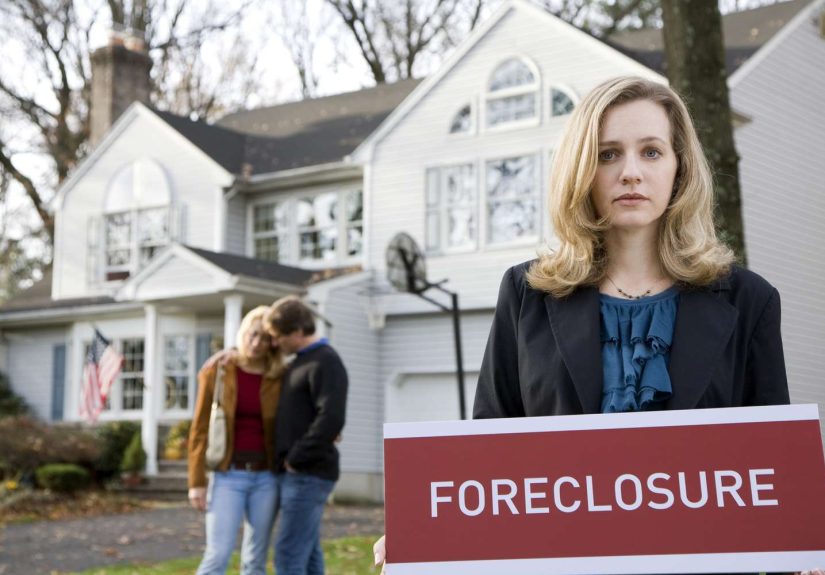
To understand what caused the mortgage crisis, it helps to look beyond charts and financial jargon and consider the human experience. For many Americans, the crisis did not arrive as a headline. It arrived as a letter in the mail, a missed payment, a neighbor moving out overnight, or a “For Sale” sign that never sold anything except anxiety.
Some first-time buyers entered the market with hope and very little room for error. They were told that homeownership was the smart move, the adult move, the American move. A low introductory payment made the dream look achievable. Then taxes, insurance, repairs, and a resetting mortgage payment turned the dream into a spreadsheet horror story. Families who thought they were buying stability discovered they had rented stress from the future.
For homeowners already in their properties, the experience was different but just as painful. Many had watched home values soar and were encouraged to refinance, cash out equity, or use the house to fund renovations, tuition, or debt consolidation. On paper, this looked practical. In hindsight, it often meant converting an appreciating asset into a much larger monthly obligation. When prices fell, the equity vanished, but the debt stayed put like an uninvited guest eating everything in the fridge.
Neighborhoods felt the crisis block by block. One foreclosure could drag down nearby property values. Several foreclosures could change the mood of an entire street. Empty homes attracted neglect. Lawns grew wild. Mail piled up. Local governments collected less tax revenue just as community needs were rising. A housing bust was never just a private problem; it became a public one fast.
People working inside the mortgage industry experienced the unraveling from another angle. Loan officers who had once been praised for production suddenly found pipelines drying up. Some began to realize that many of the products sold during the boom had only looked safe because prices kept rising. Underwriters, servicers, appraisers, and real estate agents all saw the shift in different ways: deals became harder to close, defaults became more common, and confidence turned into suspicion.
Then there were the investors, pension managers, and financial professionals who believed they owned diversified, highly rated assets. When those products plunged in value, the experience was not just financial but psychological. Models that seemed polished and rational had failed to capture how correlated mortgage risk could become. In plain English, things that were supposed to fall one at a time decided to dive together.
The broadest experience, however, was uncertainty. Families delayed moving. Young adults postponed buying. Older owners watched retirement plans wobble. Workers far from Wall Street felt the effects through layoffs, tighter credit, and shrinking confidence. The mortgage crisis became a lesson in how deeply housing connects to everyday life. It was about loans, yes, but also about trust, timing, and the danger of building a national growth story on assumptions that nobody bothered to stress-test.
Even now, the memory of the crisis shapes how many Americans view debt, real estate, banks, and economic promises. That may be one of its most lasting legacies: once people have seen a “safe” market break, they never hear the phrase “this time is different” quite the same way again.
Conclusion
So, what caused the mortgage crisis? The honest answer is a chain reaction. A housing bubble encouraged risky behavior. Loose lending standards allowed weak mortgages to flood the market. Securitization spread those risks across the financial system. Credit ratings gave dangerous products a misleading aura of safety. Regulators failed to contain the buildup. And once home prices fell, the entire structure started to crack.
The mortgage crisis was not inevitable, but it became increasingly likely as more people benefited from pretending the risks were smaller than they really were. That is the real cautionary tale. Markets can survive mistakes. What they struggle to survive is an entire ecosystem of incentives built around ignoring them.