
Table of Contents >> Show >> Hide
- What Is Cotija Cheese?
- What Does Cotija Taste Like?
- Cotija vs. Queso Fresco: Not the Same, But They Text Each Other
- Where to Buy Cotija Cheese (and What to Look For)
- How to Store Cotija Cheese Without Making It Sad
- How Is Cotija Cheese Used?
- How to Cook With Cotija (Without Expecting It to Melt)
- Cotija Cheese Substitutes (When Life Doesn’t Stock What You Need)
- Nutrition and Dietary Notes
- Food Safety: Pasteurized vs. Unpasteurized Cotija
- Quick Ideas: 12 Ways to Use Cotija This Week
- Conclusion
- Kitchen Experiences: The Very Real Ways Cotija Sneaks Into Your Life (About )
If you’ve ever bitten into Mexican street corn and thought, “Wow, this tastes like a party I wasn’t invited to but somehow
still got a wristband for,” there’s a good chance Cotija was involved. Cotija cheese is that salty, crumbly finishing touch
that shows up at the end of a dish like a comedian walking on stage: it doesn’t do the whole performance, but it absolutely
lands the punchline.
In this guide, you’ll learn exactly what Cotija cheese is, what it tastes like, how it compares to other cheeses, andmost
importantlyhow to use it in real life without accidentally turning your dinner into a salt lick. We’ll cover classic Mexican
uses (hello, elote), everyday upgrades (goodbye, boring eggs), and smart substitutions for when the grocery store shelves
betray you.
What Is Cotija Cheese?
Cotija (pronounced koh-TEE-hah) is a Mexican cow’s milk cheese named after the town of Cotija in Michoacán.
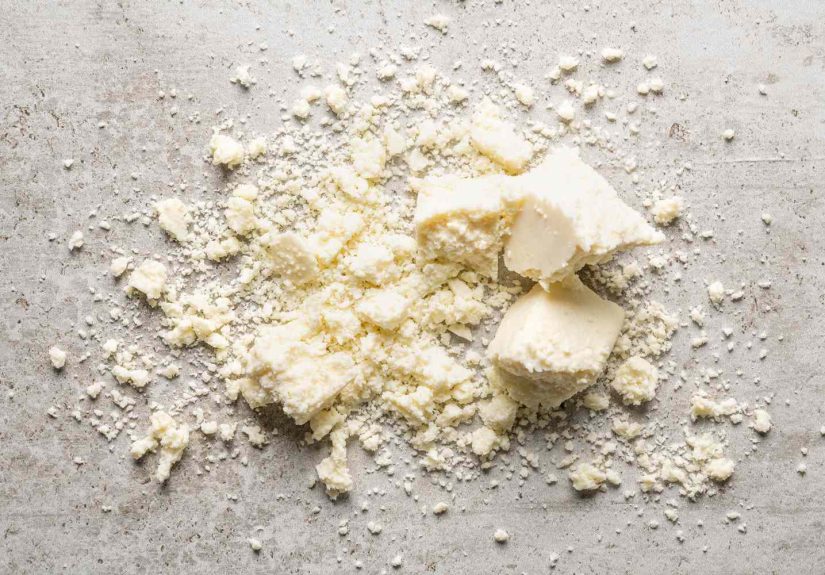
In the U.S., you’ll most often find it as a firm, dry, crumbly cheese meant for crumbling or gratingnot melting.
Think of it as a “finishing cheese,” the way flaky salt finishes a chocolate chip cookie: it’s there to boost flavor,
not to become the main character.
Two Cotijas: Younger and More Aged
Cotija generally shows up in two personalities:
-
Younger Cotija: Still crumbly, slightly moist, and reminiscent of feta in texture and tang.
It breaks apart easily and delivers a bright, salty pop. -
Aged Cotija (often labeled “Añejo”): Drier, firmer, and sharper, with a more “grate-able” texture.
This is where Cotija earns its “Mexican Parmesan” nickname.
Neither version behaves like melty cheeses such as mozzarella or Oaxaca. Cotija softens when heated, but it doesn’t melt into
a gooey puddle. It stays itselfconfident, crumbly, and slightly dramatic.
What Does Cotija Taste Like?
Cotija is salty and tangy with a milky backbone. It can be bold without being funky in a “blue cheese in your office drawer”
kind of way. The salt level is a feature, not a glitch: Cotija is meant to season your food while adding texture.
Texture: Crumbly, Granular, and Proud of It
Cotija’s texture is one of its superpowers. Crumbled Cotija adds little bursts of salty bite. Finely grated Cotija
clings to food (especially sauced or creamy surfaces), giving you a more even flavor boost across every bite.
Cotija vs. Parmesan
People call Cotija the “Parmesan of Mexico” because both are hard-ish, salty cheeses you grate on top of things.
But the vibe is different:
- Cotija: Salt-forward, tangier, crumbles into fluffy bits; often used with lime, chile, crema, and cilantro.
- Parmesan: Nutty, savory, and aged in a way that leans more umami than tang.
Translation: Cotija is your “lime-and-chile bestie,” while Parmesan is your “pasta-and-wine friend who owns a cheese knife.”
They can sub for each other sometimesbut they’re not identical twins.
Cotija vs. Queso Fresco: Not the Same, But They Text Each Other
Cotija and queso fresco are often parked near each other in the grocery store, which feels like the store is saying,
“You two look related. Sort it out.” They’re both crumbly cow’s milk cheeses, but they’re built for different jobs.
Key differences
- Age: Queso fresco is, as the name suggests, fresh. Cotija is aged longer and gets drier and saltier.
- Flavor: Queso fresco is mild; Cotija is noticeably salty and tangy.
- Use: Both are often sprinkled on top, but Cotija brings stronger seasoning power.
If your dish already has plenty of salt (think salty chips + salsa + seasoned meat), queso fresco can be gentler.
If your dish needs a “wow, what is that?” finishing note, Cotija is the move.
Where to Buy Cotija Cheese (and What to Look For)
In the United States, Cotija is widely available. Many larger grocery stores carry it, and Latin American markets almost
always dooften with more brand options and different aging levels. You may see it as:
- Blocks or small rounds: Great if you want bigger crumbles, shavings, or to control texture.
- Pre-crumbled or pre-grated: Convenient, especially for elote-style dusting and quick weeknight toppings.
Block vs. Pre-Grated: Which One Should You Buy?
If you’re using Cotija as a finishing sprinkle on lots of different foods, a block is often the most versatile:
crumble it chunky for salads, grate it fine for corn, shave it for a fancy-looking plate. Pre-grated is a time-saver,
and it sticks beautifully to creamy sauces and dressed vegetablesperfect when your dinner plan is “something fast,
something tasty, and no extra dishes.”
How to Store Cotija Cheese Without Making It Sad
Cotija keeps best in the refrigerator, sealed well. If it came in a resealable bag, you’re already winning. If not,
transfer it to an airtight container or a tight zip-top bag. As a general rule, use your senses:
if it smells off or shows mold in a way that doesn’t look like a normal cheese rind situation, toss it.
Because Cotija is relatively dry and salty, it tends to keep longer than ultra-fresh cheeses. Still, treat it like a real
food (because it is), not a mythical pantry artifact.
How Is Cotija Cheese Used?
Cotija is primarily used as a topping. It’s less about melting and more about finishingadding salt, tang,
and texture at the end. If you remember one thing, make it this:
Cotija is a seasoning in cheese form.
Classic Mexican and Mexican-Inspired Uses
-
Elote (Mexican street corn): Grilled or roasted corn slathered with crema or mayo, lime, chile, and Cotija.
Cotija is the snowstorm that makes it iconic. - Esquites: Elote off the cob. Warm corn salad with creamy, tangy, spicy notesCotija ties it together.
- Tacos and tostadas: A pinch on top adds salt and texture without the heaviness of melted cheese.
- Chilaquiles: Tortilla chips + salsa + eggs (often) + Cotija = brunch that doesn’t whisper, it sings.
- Soups and stews: Tortilla soup, pozole, black bean soupCotija works like a salty garnish that also looks pretty.
- Beans: Refried beans, whole beans, bean dipsCotija adds sharp contrast to creamy, earthy flavors.
Everyday Upgrades (a.k.a. “Put Cotija on That, You Coward”)
Cotija isn’t limited to Mexican dishes. It plays nicely with anything that likes salt, tang, and a little texture.
Here are easy wins:
- Eggs: Scrambled eggs, fried eggs, omelets, frittatasfinish with Cotija instead of extra salt.
- Avocado toast: Add Cotija plus lime and chili flakes; suddenly your toast has hobbies and a passport.
- Roasted vegetables: Toss hot roasted zucchini, brussels sprouts, or squash with Cotija at the end.
- Salads: Cotija crumbles act like salty “croutons” that never get soggy.
- Grain bowls: Rice, quinoa, or farro bowls love a finishing crumble, especially with citrusy dressings.
- Pizza and pasta (sparingly): Use it like Parmesanjust remember Cotija can be saltier, so go light.
Sweet-Salty Pairings That Actually Work
Cotija has a surprising talent: it can turn fruit into a “wait, why is this amazing?” moment. That salty tang plays
beautifully against sweetness. Try:
- Watermelon + lime + Cotija: A classic “sweet-salty-tangy” trifecta.
- Grilled pineapple or peaches: Finish with Cotija and a pinch of chili powder.
- Sweet plantains: Cotija on warm plantains is the kind of snack that disappears mysteriously fast.
Party Food and “Make It Look Fancy” Tricks
- Charcuterie boards: Add Cotija as a salty, crumbly optionespecially with citrusy fruit or spicy nuts.
- Loaded dips: Sprinkle Cotija over guacamole, bean dip, corn dip, or even chili.
- Caesar salad remix: Swap Parmesan for Cotija añejo and lean into a Baja-style vibe.
How to Cook With Cotija (Without Expecting It to Melt)
Cotija is usually added after cooking. If you add it early, it won’t melt into a sauce; it’ll just sit there,
softening slightly and keeping its crumbly structure. That’s not a failureit’s the point.
Best practices
- Add at the end: For maximum flavor pop and best texture.
- Season less aggressively: Cotija brings salt, so taste before you add more.
- Match the texture to the dish: Chunky crumbles for salads; fine grating for corn and saucy dishes.
Cotija Cheese Substitutes (When Life Doesn’t Stock What You Need)
Sometimes the grocery store is out of Cotija, and you have two options: panic, or substitute like a calm adult
(the second one is recommended, but no judgment).
Best substitutes by situation
- Closest overall: Feta (crumbly + salty). It’s usually tangier and wetter, but it works.
- For a milder topping: Queso fresco (less salty, softer).
- For grating and a drier bite: Parmesan or Romano (more umami, less tang).
- For “somewhere in between”: Ricotta salata (salty, firm, good for grating).
Pro tip: if you’re substituting in a dish like elote, taste your topping first. Some cheeses are saltier than others,
and nobody wants their corn to taste like it fell into the ocean.
Nutrition and Dietary Notes
Cotija is a dairy cheese, so it contains milk proteins and typically some lactose (often less than very fresh cheeses,
but not necessarily lactose-free). It’s also usually high in sodiumthat’s part of why it’s so effective
as a finishing cheese. If you’re watching sodium intake, use a smaller amount and rely on lime, herbs, and spices
for extra flavor.
If you’re vegetarian, check labels: many cheeses use enzymes/rennet, which can be animal-derived or microbial.
Brands vary, so the package is your best source of truth.
Food Safety: Pasteurized vs. Unpasteurized Cotija
In Mexico, traditional Cotija can be made seasonally and may be produced from raw (unpasteurized) milk depending on the maker.
In the U.S., many widely sold brands are pasteurized and clearly labeled as such. If you’re pregnant, immunocompromised,
or otherwise in a higher-risk group for foodborne illness, public health guidance generally recommends choosing pasteurized
dairy products and being cautious with certain Latin-style cheeses.
The practical takeaway: read the label. “Made with pasteurized milk” is the phrase you want if you’re aiming
for the safest option.
Quick Ideas: 12 Ways to Use Cotija This Week
- Dust it over roasted sweet potatoes with lime and chili powder.
- Top scrambled eggs with Cotija and salsa verde.
- Finish black bean soup with Cotija, cilantro, and a squeeze of lime.
- Upgrade avocado toast with Cotija + chili flakes.
- Make esquites (warm corn salad) and go heavy on the Cotija (responsibly).
- Sprinkle it on a taco salad instead of shredded cheddar.
- Swap Parmesan for Cotija añejo on Caesar salad.
- Top chili with Cotija for a salty, tangy contrast.
- Add Cotija to grilled vegetables right before serving.
- Finish guacamole with Cotija and smoked paprika.
- Try watermelon + Cotija + lime as a snack that feels illegal (but isn’t).
- Use it on pizza in the final minute like a salty finishing flourish.
Conclusion
Cotija cheese is a salty, crumbly Mexican cow’s milk cheese that shines as a finishing touch. It doesn’t melt, it doesn’t
disappear into sauces, and it doesn’t try to be mozzarellaand that’s exactly why it’s so useful. Whether you’re making
elote for a cookout, sprinkling a little magic over eggs, or giving a salad a tangy edge, Cotija is one of those ingredients
that makes food taste more “done” with minimal effort.
Keep a block or a bag in the fridge and you’ll start seeing opportunities everywhere. (Warning: you may become the person
who brings Cotija to potlucks “just in case.” That’s not a problem. That’s leadership.)
Kitchen Experiences: The Very Real Ways Cotija Sneaks Into Your Life (About )
The first “Cotija experience” most people have is street cornbecause elote is basically a delicious trap. You’re holding
a cob like it’s a microphone, sauce is on your hands, lime is dripping down your wrist, and Cotija is clinging to everything
like it pays rent. You try to take “one neat bite” and immediately learn that elote has never been neat, not once, in the
history of corn. And yet you keep going, because it tastes like summer, plus a tiny bit of chaos.
Then you buy Cotija for home, and the second experience happens: leftovers. You made esquites, used half the bag, and now
you’re staring into the fridge thinking, “Okay… what do I do with the rest of you?” That’s when Cotija becomes a lifestyle.
A pinch on eggs? Great. A pinch on salad? Great. A pinch on roasted broccoli? Also great. Suddenly you’re not seasoning with
salt anymoreyou’re seasoning with cheese, which feels like cheating but isn’t (unless your doctor is reading, in which case
it’s “portion control”).
The third experience is realizing Cotija has range. You sprinkle it on avocado toast, and your breakfast goes from “I’m
trying” to “I have opinions about coffee.” You put it on roasted sweet potatoes with chili powder and lime, and now it’s a
side dish that could headline. You toss it into a bowl with watermelon, lime, and a little chili, and your brain does that
confused-happy thing where it tries to categorize the flavor and gives upin a good way.
There’s also the “host mode” experience: you need to bring something to a cookout, but you don’t want to cook a whole
dissertation. Cotija is the shortcut. Bring a tray of grilled corn with crema, lime, and Cotija. Or a big salad with a
citrusy dressing and a snowfall of crumbles. People will assume you worked harder than you did. (Let them. You’re busy.)
And finally, the advanced Cotija experience: learning when not to use it. Cotija is salty. It’s enthusiastic.
If your dish already has salty cheese, salted chips, cured meat, and a salty sauce… maybe the Cotija can sit this one out
or show up in a smaller cameo. The best Cotija moments are the ones where it adds that finishing snapwhere every bite tastes
brighter, more complete, and just a little more fun.
So yes, Cotija starts as “that cheese for street corn.” But it ends up as “that cheese I put on everything when I want food
to taste like I know what I’m doing.” Which, honestly, is most days.







 Close
Close