Table of Contents >> Show >> Hide
- Table of Contents
- What Is Limoncello, Exactly?
- What Does Limoncello Taste Like?
- Where Did Limoncello Come From?
- How Limoncello Is Made (Without the Drama)
- How Strong Is Limoncello?
- How to Serve Limoncello Like You Mean It
- How to Choose a Good Bottle
- How People Use Limoncello in Food and Drinks
- Common Myths and Rookie Mistakes
- Real-World “Limoncello Experiences” (Extra )
- Conclusion
Limoncello is the kind of sunshine you can pourbright, lemony, sweet, and unapologetically cheerful. It’s a traditional Italian lemon liqueur that’s most famously associated with southern Italy, where lemons grow like they’re trying to win an award for “Most Dramatic Citrus.”
If you’ve ever finished a big meal and been handed a tiny frosty glass of something neon-yellow with a wink that says, “You’re welcome,” there’s a good chance you’ve met limoncello.
Quick note: This article is for culinary and cultural education. Alcohol is for adults of legal drinking age only.
What Is Limoncello, Exactly?
Limoncello is a sweet lemon liqueur traditionally served cold, often after a meal. It’s known for tasting intensely like lemon zest (the fragrant yellow outer peel), not like lemon juice. That’s a big deal: lemon juice brings tartness; lemon zest brings aroma. Limoncello is basically the “perfume aisle” of lemonsin a good way.
Unlike distilled spirits (like vodka or whiskey), limoncello is typically made by infusing citrus peel into alcohol to capture those aromatic oils, then sweetening and diluting it into a liqueur. The result is a bright yellow drink that feels refreshing, dessert-adjacent, and slightly mischievous.
It’s often described as a digestifa post-meal drink meant to round out a rich dinner. Whether it actually “helps digestion” depends on who you ask, but culturally, it absolutely helps with one thing: turning “We should head out” into “Okay fine, one more minute.”
What Does Limoncello Taste Like?
Think: lemon candy meets lemon blossom aromatics meets a velvety sweetness. A good limoncello tastes like fresh lemon peelbright, floral, and cleanbalanced by sugar. It generally lacks the sharp sourness you’d get from lemon juice, which is why people say it tastes “lemony” without tasting “puckery.”
Typical flavor notes
- Strong lemon aroma (zesty, perfumed, sometimes slightly herbal)
- Sweetness (from simple syrup-style sweetening)
- Gentle warmth (from the alcohol, usually more noticeable at room temp)
- Silky texture (especially when served very cold)
If you try one that tastes like lemon-flavored syrup with no brightness, it might be overly sweet, under-zesty, or made with flavorings instead of a peel-forward infusion. Limoncello should taste like lemon’s greatest hitsnot like a melted popsicle that lost its will to live.
Where Did Limoncello Come From?
Limoncello is strongly linked to southern Italyespecially coastal areas near Naples and the lemon-growing regions that draw travelers for their views, their food, and their ability to make a lemon look like a luxury product.
The exact origin story is debated. You’ll hear legends ranging from family recipes handed down for generations to local entrepreneurship that turned a regional tradition into a global export. What’s consistent is the cultural thread: limoncello is associated with hospitalitysomething offered to guests after a meal, often homemade in spirit even when it’s store-bought in practice.
Why those regions matter
Lemons from these coastal areas are prized for their aromatic peelexactly what limoncello depends on. Since the liqueur leans on zest oils for flavor, the quality and fragrance of the peel matters more than the juice content.
How Limoncello Is Made (Without the Drama)
At a high level, limoncello production is straightforward: capture the aroma from lemon zest, then sweeten and balance it. There’s no secret handshake requiredjust good ingredients and careful handling of the peel.
The core idea: lemon oils, not lemon juice
The signature limoncello flavor comes from essential oils in the lemon’s outer peel. Producers remove the zest (avoiding the white pith underneath, which can add bitterness), infuse it into alcohol to extract those oils, and then blend the infusion with a sugar-and-water mixture to create the final liqueur.
Why some limoncello looks cloudy
Limoncello can be crystal clear or slightly cloudy. Cloudiness often comes from tiny droplets of citrus oil suspended in the liquidespecially after the infusion is mixed with the sweetened water component. That haze isn’t automatically a flaw; in many cases, it’s a sign you’re seeing real citrus oils at work.
Ingredient quality makes or breaks it
Because the peel is doing the heavy lifting, top-tier limoncello usually starts with fragrant lemons and keeps the ingredient list tight. The best bottles don’t need a chemistry set’s worth of additives to taste like lemons.
How Strong Is Limoncello?
Limoncello is a liqueur, so it’s sweetbut it’s not necessarily “light.” Many bottles land around the high-20s percent alcohol by volume (ABV), though it can vary by producer and style. In other words: it’s not a shot you chug; it’s a small pour you sip.
Why it feels smoother than you’d expect
Sugar and cold temperature can soften the perception of alcohol. Served straight from the freezer, limoncello often tastes rounder and more dessert-like, with less alcoholic bite.
That’s also why it’s traditionally served in small glasses. Limoncello is here to end your meal, not end your evening plans.
How to Serve Limoncello Like You Mean It
Traditionally, limoncello is served very cold, often after dinner. Many people store the bottle in the freezer so it pours thick and silky. Thanks to its alcohol and sugar content, it typically stays pourable at freezer temperatures, though exact behavior depends on the bottle’s ABV and sweetness.
Best serving vibes
- After dinner: with dessert, or as dessert’s cool cousin
- In small glasses: because it’s intense and sweet
- Extra-chilled: for smoother texture and brighter aroma
A practical tip people forget
Ultra-cold can mute aroma in some drinks, so if a limoncello tastes “too quiet,” let it sit for a minute. Lemon oils bloom as it warms slightlykind of like how a lemon smells louder when you rub the peel.
How to Choose a Good Bottle
Buying limoncello can feel like shopping for sunshine in a bottlewhich is delightful until you realize sunshine comes in a lot of shades. Here’s how to pick one that tastes like real citrus instead of lemon-flavored regret.
1) Check the ingredient list
Many respected styles keep it simple: lemon peel (or zest), alcohol, sugar, and water. If the bottle leans heavily on artificial flavors, dyes, or an ingredient list that reads like a lab notebook, you may get a less natural lemon character.
2) Look for balance, not just sweetness
Great limoncello isn’t only sweet; it’s also aromatic and vivid. If it tastes cloying, it can overwhelm the lemon’s brightness. The best versions feel like sweet citrus, not sugar wearing a lemon costume.
3) Consider region-linked styles
Some bottles highlight lemons grown in specific Italian regions. That can be a clue toward a peel-forward, aromatic profileespecially if the producer emphasizes traditional methods and quality fruit.
4) Color can be a clue (but not a guarantee)
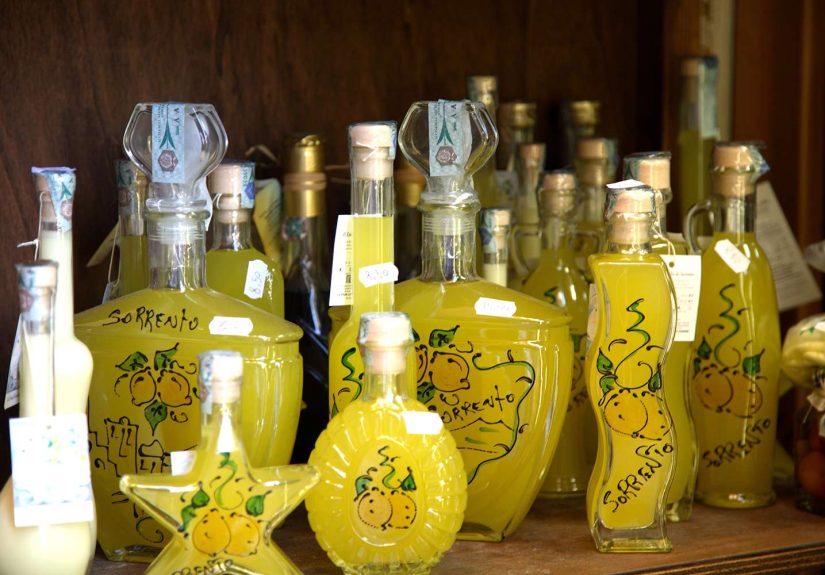
Natural limoncello can range from pale yellow to vibrant gold depending on peel oils and production. Extremely fluorescent yellow can suggest coloring, though color alone isn’t proof of anything. Let aroma and taste be the judge.
How People Use Limoncello in Food and Drinks
Limoncello is versatile because it brings lemon aroma, sweetness, and a little warmth. Even when served traditionally on its own, it’s often part of a broader “lemon dessert universe.”
In cocktails and spritz-style drinks
Limoncello shows up in modern bar menus because it plays well with bubbles and botanical spirits. You’ll often see it paired with sparkling wine, soda, gin, or herbal liqueursusually as a way to add lemon sweetness without squeezing fresh juice.
If you’re ordering out, phrases like “limoncello spritz” typically mean a bright, fizzy, lemon-forward drink. If you’re making anything at home, keep it adult-only and follow legal guidelines where you live.
In desserts
Limoncello’s sweet citrus profile is a natural fit for desserts. It’s commonly used to flavor whipped mascarpone, brighten fruit, or add a lemony kick to creamy sweets.
- Fruit and cream: berries, peaches, or melon with a lightly lemony cream
- Frozen desserts: sorbet, granita, or gelato-style treats
- Cakes and cookies: as a flavor accent in glazes or fillings
As a culinary “finisher”
Some cooks use limoncello the way you’d use vanilla extract or citrus zestsparinglyto add aroma. A small amount can brighten lemon desserts, especially when you want a candied-lemon vibe rather than fresh-squeezed tartness.
Common Myths and Rookie Mistakes
Myth #1: “It should taste like lemonade.”
Nope. Limoncello is zest-driven, not juice-driven. If you expect sour lemonade, you’ll be confused. If you expect lemon candy aromatics, you’ll understand the assignment.
Myth #2: “Brighter yellow means better.”
Not necessarily. Color can come from peel oils, but it can also come from coloring. A great limoncello can be subtle-looking and still wildly aromatic.
Myth #3: “If it’s sweet, it can’t be strong.”
Sugar can hide alcohol heat, especially when cold. Many limoncellos sit around the high-20s ABV range, so treat it like a real liqueur, not a soft drink in fancy packaging.
Mistake #1: Serving it warm
Warm limoncello tends to feel sweeter and more boozy at the same timean unfair combo. Cold serving temperature keeps it refreshing and smoother.
Mistake #2: Using it like lemon juice
Limoncello brings sweetness and aroma, not acidity. If a recipe needs tartness, you’ll still want actual lemon juice (or another acid). Think of limoncello as flavoring, not “liquid lemon.”
Real-World “Limoncello Experiences” (Extra )
Limoncello isn’t just a drinkit’s a moment. It tends to show up when people are relaxed, full, laughing, and slightly unwilling to end a good night. Here are a few common limoncello experiences people describe, from travel to dinner parties to dessert improvisation.
1) The “tiny glass, big personality” finale
Someone finishes a meal, swears they can’t eat another bite, and then a chilled little glass appears like a closing argument: sweet, lemony, and perfectly sized. It’s often served when the table is already lingeringafter dessert plates are cleared, when conversation gets more personal, and the vibe shifts from “dinner” to “memory.”
2) The souvenir that actually gets used
Travelers often bring back limoncello because it feels like bottling a vacation: lemons, sun, coastline, and the idea that tomorrow’s schedule is not your problem. Unlike a keychain, limoncello tends to get opened. It becomes the “tell the story again” bottlepoured while someone explains the best meal they had, the view they can’t stop thinking about, or the one time they learned that coastal roads are not for the faint of heart.
3) The dinner-party peace treaty
Limoncello is a social smoother. At gatherings, it can function as a gentle reset: not a big cocktail moment, but a small ritual that says, “We’re good here.” Hosts like it because it feels thoughtful without being complicated. Guests like it because it’s celebratory without demanding that anyone suddenly become a mixologist.
4) The dessert “save” when you’re out of ideas
People commonly use limoncello as a shortcut to a lemon-dessert feelespecially when the fridge is low on options. Fruit plus something creamy plus a small lemony accent can feel restaurant-y with almost zero effort. It’s the culinary equivalent of putting on a clean jacket and calling it an outfit.
5) The “too sweet” lesson (and how people fix it)
Many first-timers expect limoncello to be tart and are surprised by how sweet it can be. The usual response is not, “I hate it,” but “Ohthis is a tiny-glass situation.” People often find they enjoy it more when it’s very cold, served in a small pour, and paired with something that isn’t also sugar-on-sugar (like a light cookie, fruit, or a simple after-dinner coffee).
6) The seasonal mood-shifter
In cold months, limoncello can feel like edible daylightbright and aromatic when everything outside is gray. In warm months, it can feel like an icy citrus pop. Either way, it’s usually tied to mood: celebration, hospitality, and that particular kind of happiness that arrives when a meal ends well and nobody’s rushing anywhere.
Conclusion
Limoncello is a sweet, zest-forward Italian lemon liqueur with a big personality and a small traditional pour. Its signature flavor comes from lemon peel oilsnot lemon juiceso it tastes intensely lemony without the sharp sourness. Served very cold, it becomes silky, aromatic, and dessert-like, which is why it’s a classic after-dinner finish in many Italian settings and a popular ingredient in modern cocktails and lemony desserts.
If you’re exploring limoncello, look for a bottle that emphasizes real citrus character and balance, not just sweetness and color. And if you’re using it in the kitchen, treat it like a flavor accent: a little goes a long way, and it shines brightest when paired with fruit, cream, and anything that benefits from a sunny citrus note.