Table of Contents >> Show >> Hide
- First: What “Lip Smacking” Usually Means
- Normal Reasons Dogs Smack Their Lips
- Behavior & Emotions: Lip Smacking as a Stress Signal
- Nausea & Digestive Upset: When the Stomach Talks Through the Mouth
- Mouth & Dental Problems: “Something in Here Is Not Okay”
- Neurological Causes: When Lip Smacking Is Part of a “Weird Episode”
- Toxins & Emergencies: Lip Smacking + “Something’s Wrong” Signals
- Less Common (But Real) Causes
- How to Tell Which Reason Fits Your Dog
- When to Call the Vet
- What the Vet May Do (So It’s Less Mysterious)
- Gentle, Practical Things You Can Do at Home
- Bottom Line
- Real-World Experiences: What Dog Owners Commonly Notice (and What It Often Means)
Your dog is lying there, minding their own business, when suddenly you hear it:
smack… smack… smack. Congratulationsyou’ve unlocked one of the most
oddly dramatic sound effects in the canine world.
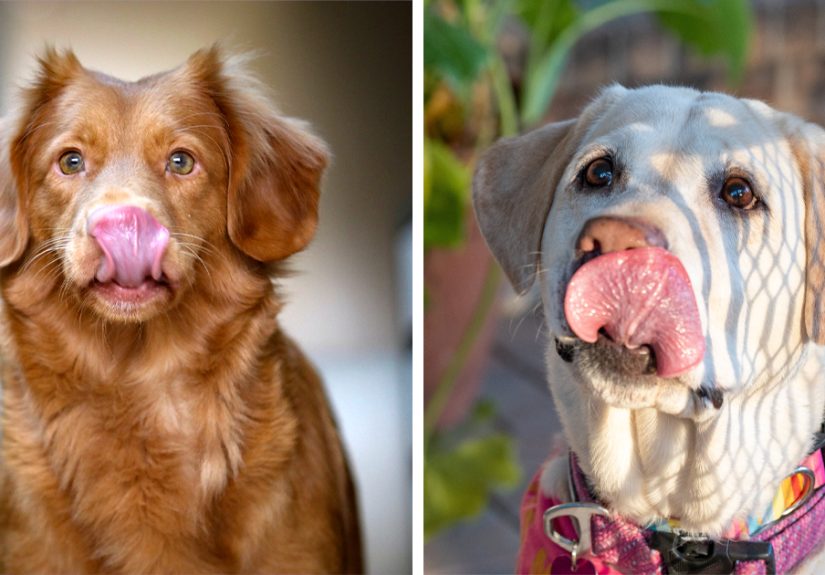
Lip smacking (often paired with lip licking or noisy swallowing) can be totally normal… or it can be a clue
that something’s bothering your dog. The trick is context. A dog “smacking their lips” can mean:
“This treat smells amazing,” “I’m a little stressed,” “My stomach feels weird,” or “My mouth hurts.”
In rarer cases, it can even be tied to neurological problems.
First: What “Lip Smacking” Usually Means
Lip smacking is basically a mouth-movement behaviorlicking, clicking, chewing motions, or repeated swallowing.
It often shows up when saliva production changes (more saliva, thicker saliva, or saliva that your dog is trying
to swallow), when the mouth feels uncomfortable, or when emotions run high.
Normal Reasons Dogs Smack Their Lips
1) Food anticipation (aka: “I heard the snack bag whisper my name”)
Many dogs smack their lips when they see, smell, or expect food. You might notice it when you open a container,
grab the leash near dinner time, or simply exist near a sandwich. This is often a harmless, Pavlov-style response:
“Food is coming,” and the mouth gets ready for action.
2) After eating (taste cleanup mode)
Dogs lick their lips after meals for the same reason humans wipe their mouths: there’s flavor residue.
A little lip smacking right after eating is usually normalespecially if your dog just demolished something
sticky, fragrant, or “I definitely shouldn’t have eaten that so fast.”
3) Self-soothing while settling down
Some dogs do a brief series of lip smacks as they get comfortable or drowsylike a bedtime ritual.
If it happens mainly at night, lasts a minute or two, and your dog otherwise seems relaxed, it may just be
a calming habit.
4) Dry mouth or mild thirst
After exercise, warm weather, or a long nap with their mouth slightly open, dogs may lick and smack their lips.
If your dog drinks normally afterward and acts fine, it’s usually not a big dealjust the mouth recalibrating.
Behavior & Emotions: Lip Smacking as a Stress Signal
Lip licking and lip smacking can be part of dog body languagean “I’m uncomfortable” signal. It can show up when
your dog is anxious, uncertain, overstimulated, or trying to de-escalate a situation (like a stranger reaching in,
a tense dog-to-dog greeting, or the dreaded nail trim).
What stress-related lip smacking looks like
- It happens during specific scenarios (vet visits, grooming, loud noises, visitors, training pressure).
- It’s paired with other subtle stress cues: turning the head away, tense body, pinned ears, panting, pacing, “whale eye,” or freezing.
- It improves when your dog gets more space, calm, or choice (a break helps).
Important note: lip smacking alone doesn’t automatically mean “fear.” Dogs can lick their lips for multiple reasons.
But if it reliably appears in stressful contexts, it’s worth treating it as communicationnot “attitude.”
Nausea & Digestive Upset: When the Stomach Talks Through the Mouth
One of the most common “medical” reasons for lip smacking is nausea. Dogs often drool, lick lips, swallow repeatedly,
or make chewing motions when their stomach is unsettled. Sometimes it happens right before vomitinglike a warning
siren your carpet did not ask for.
Common nausea triggers
- Motion sickness (car rides are fun until they are not)
- Dietary indiscretion (mystery sidewalk snack)
- Sudden diet changes
- Gastrointestinal irritation (gastritis, reflux-like discomfort, mild GI upset)
Clues it’s nausea (not just “I want a treat”)
- Restlessness, gulping/swallowing, drooling, lip smacking that comes in waves
- Reduced appetite, licking lips away from food, or acting “off”
- Vomiting, diarrhea, or repeated attempts to eat grass
If your dog lip smacks during every car ride, talk to your veterinarianthere are practical options to reduce motion sickness
and make travel less miserable (for both your dog and your upholstery).
Mouth & Dental Problems: “Something in Here Is Not Okay”
If lip smacking starts suddenlyespecially after chewing on toys, bones, sticks, or crunchy treatsthink:
mouth pain or a foreign object. Dogs may lick their lips, drool, paw at their mouth, chew strangely,
or avoid hard food when something hurts.
Common mouth-related causes
- Dental disease (tartar, gum inflammation, infection)
- Broken tooth or tooth root pain
- Something stuck (small fragments caught between teeth or along gums)
- Mouth sores or irritation
Dental disease is extremely common in dogs, and it can be sneakymany dogs don’t show obvious pain until it’s advanced.
That’s why a new habit of lip smacking (plus bad breath, drooling, or “weird chewing”) should move dental issues higher on your list.
Quick at-home observations (safe and simple)
- Does your dog suddenly prefer soft food or chew on one side?
- Is there new bad breath, blood-tinged drool, or dropping kibble?
- Does your dog react when you touch near the jaw or face (even gently)?
Don’t force your dog’s mouth open if they seem painfuldogs can bite when they hurt, even if they’re usually sweet.
A vet exam is the safest way to check thoroughly.
Neurological Causes: When Lip Smacking Is Part of a “Weird Episode”
In some cases, repetitive lip smacking can be associated with seizuresespecially focal (partial) seizures that may look
like subtle “odd behavior” instead of full-body convulsions. These episodes can include blank staring, rhythmic mouth movements,
unusual facial twitching, or repeated chewing motions with nothing in the mouth.
Signs it might be more than a habit
- It happens in distinct episodes that look “out of context.”
- Your dog seems briefly dazed, unresponsive, disoriented, or not fully present.
- There are repeated patterns: same duration, same behavior, same “reset” afterward.
If you suspect episodes, a short video (safely recorded) can be incredibly helpful for your veterinarian. Pattern + timing often
tells a clearer story than memory alone.
Toxins & Emergencies: Lip Smacking + “Something’s Wrong” Signals
Lip smacking can show up with toxin exposure, especially when paired with heavy drooling, vomiting, tremors, weakness, or collapse.
Some toxic substances irritate the mouth or GI tract; others affect the nervous system.
Go to emergency care now if lip smacking comes with:
- Repeated vomiting or severe diarrhea
- Tremors, wobbliness, seizures, or collapse
- Sudden severe drooling, choking, or trouble breathing
- Known exposure to something dangerous (human meds, xylitol products, pesticides, etc.)
If you suspect poisoning, call your veterinarian or a pet poison hotline immediately. Time matters.
Less Common (But Real) Causes
Salivary gland problems and other oral conditions
Certain disorders involving salivary glands can cause persistent swallowing and lip smacking along with other signs like
nausea, pain, drooling, retching, or weight loss. These are not the everyday causesbut they’re on the list when lip smacking
is persistent, escalating, or paired with bigger symptoms.
Metabolic or systemic illness
Some broader health issues can cause nausea or excessive salivation, which can show up as lip smacking. You usually won’t see
lip smacking alonethere are typically other changes like thirst changes, appetite changes, weight loss, vomiting, or lethargy.
How to Tell Which Reason Fits Your Dog
Here’s a simple way to “triage” lip smacking without spiraling into a 2 a.m. internet doom-scroll:
Step 1: Look at the timing
- Right before/around food: often normal anticipation
- During car rides: motion sickness is common
- In stressful moments: may be a calming/discomfort signal
- Out of nowhere, repeatedly: consider nausea, mouth pain, or episodes
Step 2: Look for “buddy symptoms”
- Nausea buddies: drooling, gulping, restlessness, vomiting/diarrhea
- Mouth pain buddies: pawing at mouth, dropping food, bad breath, chewing oddly, blood in saliva
- Stress buddies: turning away, tense posture, pacing, panting, avoidance, tucked tail
- Neurology buddies: episodes, staring, confusion, odd repetitive movements
Step 3: Track frequency and duration
A few smacks? Probably nothing. Repeated daily or worsening over time? That’s when it deserves a closer look.
Keep a simple log for a week: when it happens, what was going on, how long it lasted, and any other signs.
This makes your vet visit faster, cheaper, and more useful (three things everyone enjoys).
When to Call the Vet
Call your veterinarian promptly if lip smacking is:
- New and persistent (especially if it continues for hours or repeats daily)
- Paired with vomiting, diarrhea, lethargy, appetite loss, or dehydration signs
- Paired with mouth pain signs (bad breath, bleeding drool, pawing at the mouth, difficulty eating)
- Occurring in episodes where your dog seems “not quite themselves”
Seek emergency care immediately if your dog has trouble breathing, collapses, has seizures, shows severe weakness,
or you suspect toxin exposure.
What the Vet May Do (So It’s Less Mysterious)
Veterinary workups often start with the simplest high-value steps: a thorough history, a physical exam,
and a close look at the mouth. Depending on what your vet finds, they may recommend:
- Oral/dental evaluation (sometimes with dental X-rays if dental disease is suspected)
- Basic bloodwork to check for dehydration, inflammation, and systemic causes of nausea
- Imaging (X-rays/ultrasound) if GI problems or foreign bodies are a concern
- Neurologic evaluation if episodes suggest seizures
Gentle, Practical Things You Can Do at Home
You can’t “stop lip smacking” without addressing the causebut you can reduce triggers and gather useful info safely:
- Reduce stress: give your dog space, lower noise, avoid forced greetings, and use calm routines.
- Support the stomach: avoid sudden diet changes and hold off on rich new treats until things settle.
- Protect the mouth: skip hard chews if your dog seems sore; choose safer, vet-approved alternatives.
- Document patterns: note timing, duration, and any “buddy symptoms.”
If your dog’s behavior is mild and clearly linked to food anticipation, greatcarry on.
If it’s persistent or paired with other symptoms, your best move is to treat it as information and follow it to the source.
Bottom Line
Dogs smack their lips for a bunch of reasons, and most of them come down to one of four buckets:
normal food/settling behavior, stress signals, nausea, or mouth pain. A smaller number of cases relate to
toxins or neurological issues, which is why sudden changes, episodes, or severe symptoms deserve prompt veterinary attention.
Your dog isn’t trying to be “weird” (even if they’re doing an Oscar-worthy mouth soundtrack). They’re communicating.
Your job is to read the rest of the body languageand if needed, let your vet translate the medical part.
Real-World Experiences: What Dog Owners Commonly Notice (and What It Often Means)
If you ask a room full of dog owners about lip smacking, you’ll get a surprising range of storiesmostly because this one behavior
shows up in so many everyday situations. One of the most common “yep, that’s my dog” moments happens in the kitchen. Owners describe
the classic routine: you open the fridge, your dog appears out of thin air, and the lip smacking starts like a tiny percussion section.
In that context, it’s usually simple anticipationsaliva and excitement, not a medical emergency. If the lip smacking stops once the
food situation resolves (they get their meal or realize they’re not getting your pizza), it’s often just normal dog enthusiasm.
Another frequent experience is lip smacking during car rides. Some dogs are fine for five minutes and then start the mouth
movements: licking, swallowing, smacking, and sometimes drooling. Owners often report that these dogs look restlessshifting position,
staring out the window, or gulping repeatedly. When it’s consistent with driving and improves when the ride ends, motion sickness is
a common suspect. The “tell” for many people is that the dog doesn’t do it at home, only in the vehicle, and it may escalate into vomiting
on longer trips. If this sounds familiar, it’s worth discussing travel strategies with your vet rather than just hoping your backseat
learns to emotionally process surprise drool.
Stress-related lip smacking shows up in very specific moments too: the vacuum turns on, a visitor leans in for a hug, the groomer
reaches for the paws, or the vet tech enters the room with that “I’ve seen things” expression. Owners often notice the behavior is subtle:
the dog isn’t necessarily barking or panicking; they’re just doing quick lip licks and smacks with a stiff posture, a head turn away,
or a “please don’t make this weird” vibe. The helpful pattern is that it tends to ease when the dog gets space, a break, or a calmer setup.
Many people find that simply giving the dog a quiet retreat (a crate, another room, a mat behind a baby gate) reduces the lip smacking
because the dog feels less social pressure.
Then there are the “nighttime” stories: owners hear lip smacking after the dog has settled in, sometimes paired with swallowing.
For some dogs, it’s just a self-soothing routine before sleep. For others, it’s a clue that something physical is going onespecially
if the dog also seems uncomfortable, wakes up repeatedly, or the smacking lasts a long time. People often realize the difference by
tracking frequency. If it’s brief and occasional, it’s usually benign. If it’s nightly, prolonged, or paired with stomach upset signs,
that’s when owners tend to schedule a vet visit and check for GI irritation, mouth discomfort, or other underlying issues.
Finally, some owners describe distinct “episodes” that don’t match food, stress, or sleep: the dog suddenly smacks their lips,
stares into space, seems briefly “not fully there,” and then returns to normal. These stories often prompt people to take a short video,
because describing it later is oddly hard (“It was like… chewing air… but also not?”). When a vet can see the pattern, it becomes much easier
to sort out whether it’s a quirky habit, a nausea cycle, or something neurological that needs attention. In other words: your observations matter.
Lip smacking isn’t always a problembut when it’s a change, a pattern, or a paired symptom, it’s one of those small clues that can lead to big answers.