Table of Contents >> Show >> Hide
- Why Corn on the Cob Goes Wrong So Easily
- The Biggest Corn on the Cob Mistakes
- The Best Way to Boil Corn on the Cob
- Steaming Corn: The Underrated Winner
- Microwave Corn: Fast, Clean, and Surprisingly Great
- Grilled Corn: How to Get Smoky Flavor Without Dry Kernels
- Should You Roast Corn in the Oven?
- How to Know When Corn Is Done
- Best Toppings for Corn on the Cob
- What to Do With Leftover Corn
- My Real-Life Corn on the Cob Experience: The Summer I Stopped Boiling It to Death
- Conclusion: Cook Corn Less, Enjoy It More
- SEO Tags
There are few summer foods as cheerful as corn on the cob. It shows up at cookouts, county fairs, weeknight dinners, beach picnics, and family barbecues like the golden retriever of side dishes: friendly, sunny, and impossible to dislike. Yet many home cooks accidentally turn sweet, juicy corn into something chewy, starchy, and weirdly disappointing. The tragedy is not dramatic enough for a movie, but it is absolutely dramatic enough for a dinner table.
The truth is simple: most people cook corn on the cob too long, store it too casually, or season it at the wrong moment. Corn is not a potato. It does not need to spend half its life in boiling water. Fresh sweet corn is already tender, already sweet, and already doing most of the work for you. Your job is not to conquer it. Your job is to warm it, respect it, butter it, and get out of the way.
This guide explains the common mistakes, the best cooking methods, and the small details that make a huge difference. Whether you boil, steam, grill, microwave, or roast your corn, the goal is the same: plump kernels, bright sweetness, a little snap, and enough butter to make napkins feel emotionally necessary.
Why Corn on the Cob Goes Wrong So Easily
Fresh sweet corn is a race against time. Once the ear is harvested, its natural sugars begin converting into starch. That means corn that sits too long at room temperature gradually becomes less sweet and more firm. This is why farm-stand corn eaten the same day can taste almost candy-like, while sad grocery-store corn forgotten in the trunk of a car can taste like it has been reflecting on its life choices.
The first mistake happens before the pot even comes out: poor storage. If you buy fresh corn, keep it in the refrigerator, preferably in the husk, and use it as soon as possible. The husk protects the kernels from drying out, and cold storage slows the sugar-to-starch conversion. Leaving corn on the counter because “it’s just vegetables” is how good corn becomes average corn.
The second mistake is overcooking. Many people were taught to boil corn for 15, 20, or even 30 minutes. That may have made sense for older, less tender varieties or ears that had been sitting around for days, but modern sweet corn usually needs much less time. Long boiling can dull the flavor, soften the texture too much, and turn those juicy kernels into chewy little yellow erasers. Delicious? Not exactly.
The Biggest Corn on the Cob Mistakes
1. Boiling It Forever
If your corn has been bubbling away long enough for you to check your email, fold laundry, and wonder what happened to your dreams, it has probably been cooked too long. Fresh corn often needs only a few minutes in boiling water. Some very fresh ears are ready almost as soon as the water returns to a boil.
For peak-season corn, aim for about 3 to 5 minutes in boiling water. If the corn is older or out of season, it may need 5 to 8 minutes. But the old “boil it until everyone arrives” method is a flavor crime wearing an apron.
2. Adding Corn Before the Water Is Ready
If you are boiling corn, bring the water to a full boil first. Then add the ears carefully with tongs. This helps the corn cook quickly and evenly instead of sitting in lukewarm water like it is taking a spa day. Corn likes confidence. Give it heat, not hesitation.
3. Crowding the Pot
A pot packed with too many ears drops in temperature quickly, which slows cooking and makes timing unpredictable. Use a large pot with enough water to cover the corn comfortably. If needed, cook in batches. Corn deserves elbow room, even if it technically has no elbows.
4. Removing the Husk Too Early
For some methods, especially microwaving and grilling, the husk is your friend. It traps steam, protects the kernels, and helps the silk come off more easily after cooking. Shucking everything immediately is not always wrong, but it is not always necessary either.
5. Treating Every Ear the Same
Fresh farmers market corn, supermarket corn, frozen corn, and corn that has been sitting in your fridge for three days are not identical. Fresh corn needs less time. Older corn may need a little more. The best cooks pay attention to the corn in front of them, not the cooking time their uncle shouted across a backyard in 1998.
The Best Way to Boil Corn on the Cob
Boiling is classic, fast, and perfect when you are feeding a crowd. The key is not to overdo it.
Simple Boiled Corn Method
- Choose fresh ears with green husks, moist silk, and plump kernels.
- Shuck the corn shortly before cooking.
- Bring a large pot of water to a rolling boil.
- Add the corn with tongs.
- Boil fresh corn for 3 to 5 minutes.
- Remove immediately and serve with butter, salt, pepper, herbs, or lime.
Should you salt the water? You can, but it is not essential. The real seasoning happens after cooking, when butter and salt can cling to the hot kernels. Some cooks add sugar to the water, but truly fresh corn does not need help. If your corn needs a sugar bath to taste sweet, the problem started at the store, not the stove.
Steaming Corn: The Underrated Winner
Steaming corn on the cob may be the best method for people who want reliable tenderness without waterlogging the kernels. Because the corn is not submerged, it keeps more of its natural flavor. It also cooks evenly and gently.
To steam corn, add about an inch of water to a large pot, place a steamer basket inside, bring the water to a boil, add the corn, cover, and steam for about 6 to 10 minutes depending on freshness and size. For very fresh corn, check early. The kernels should be hot, bright, and tender, not collapsed.
Steaming is especially useful when you are serving corn with simple toppings. Butter, sea salt, cracked pepper, and chopped parsley taste brighter when the corn itself has not been diluted by a long boil.
Microwave Corn: Fast, Clean, and Surprisingly Great
Microwaving corn in the husk sounds suspiciously lazy, which is exactly why it is wonderful. The husk creates a built-in steamer. The kernels cook in their own moisture, and the silk often slips away more easily after cooking.
How to Microwave Corn in the Husk
- Place one unshucked ear of corn on a microwave-safe plate.
- Microwave on high for about 3 to 4 minutes for one ear.
- Let it rest briefly because the steam is very hot.
- Cut off the stem end.
- Hold the top with a towel and squeeze or slide the corn out.
This method is excellent for one or two servings. It is also ideal when you do not want to boil a giant pot of water for a single ear of corn. That is not cooking; that is a humidity experiment.
Grilled Corn: How to Get Smoky Flavor Without Dry Kernels
Grilling corn is where opinions get loud. Some people grill it in the husk. Some wrap it in foil. Some throw naked ears directly over the fire and hope for the best. All three methods can work, but they produce different results.
Grilling in the Husk
Grilling corn in the husk gives you tender, steamed kernels with a light smoky aroma. It is forgiving and great for cookouts. The husk protects the corn from direct heat, so it is less likely to dry out.
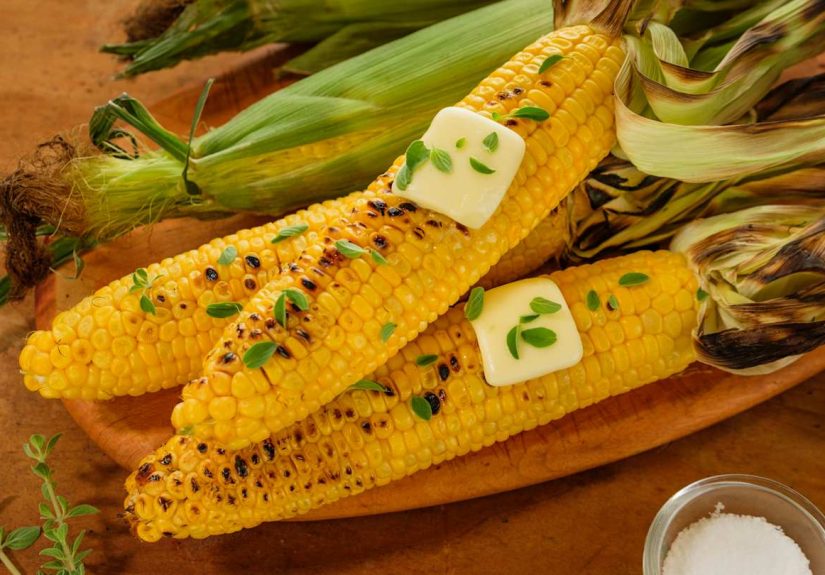
Place ears in their husks over medium to medium-high heat and turn occasionally for about 15 to 20 minutes. Let them cool slightly before peeling. The outside will look dramatic and charred, but inside you should find juicy corn.
Grilling Shucked Corn
Shucked corn gives you more char, more caramelized flavor, and more visual drama. It also dries out faster, so pay attention. Grill over medium-high heat, turning often, for about 8 to 10 minutes. You want brown spots and blistered kernels, not corn that looks like it survived a meteor strike.
The Two-Zone Grill Trick
For the best balance, use a two-zone grill. Start shucked corn on the cooler side with the lid closed so the kernels heat gently. Then move it over direct heat for a quick char. This gives you smoky flavor and juicy texture instead of tough, shriveled kernels.
Should You Roast Corn in the Oven?
Oven-roasted corn is useful when the grill is unavailable or the weather is being dramatic. You can roast corn in the husk or wrapped in foil at around 375 to 400 degrees Fahrenheit. It usually takes 25 to 35 minutes, depending on the size of the ears and whether they are wrapped.
The flavor is mellow and slightly concentrated. It will not taste exactly like grilled corn, but it is cozy, hands-off, and dependable. Add butter, garlic, smoked paprika, or Parmesan after roasting for a richer finish.
How to Know When Corn Is Done
Perfect corn is hot, juicy, and tender with a slight pop when you bite into it. The kernels should look plump and glossy. Yellow corn often becomes brighter after cooking, while white corn turns slightly more golden. If the kernels look wrinkled, collapsed, or dry, the corn has crossed the line from cooked to “we need to talk.”
You can test corn by piercing a kernel with the tip of a knife. It should release a little juice and feel tender. Better yet, taste a kernel. Cooking is not a courtroom; you are allowed to gather evidence.
Best Toppings for Corn on the Cob
Butter and salt are classics for a reason. But corn is also a blank canvas for bold flavors. Try these combinations:
- Garlic herb butter: softened butter, minced garlic, parsley, chives, and black pepper.
- Chili-lime corn: butter, lime juice, chili powder, and a pinch of salt.
- Parmesan pepper corn: butter, grated Parmesan, cracked pepper, and lemon zest.
- Elote-inspired corn: mayonnaise or crema, cotija cheese, chili powder, lime, and cilantro.
- Honey butter corn: softened butter, honey, and a small pinch of cayenne.
Season corn while it is hot so the butter melts into the kernels. If you wait too long, the toppings sit on the surface like guests who arrived after dinner ended.
What to Do With Leftover Corn
Leftover corn is not a problem. It is a head start. Cut the kernels off the cob and add them to salads, tacos, fried rice, cornbread, soups, pasta, scrambled eggs, or salsa. You can also scrape the cob with the back of a knife to release the sweet corn “milk,” which adds flavor and body to chowders, risottos, and creamed corn.
Cooked corn should be refrigerated in an airtight container. Use it within a few days for the best quality. If you have a lot of extra corn, cut off the kernels and freeze them. Future you will be thrilled when soup season arrives.
My Real-Life Corn on the Cob Experience: The Summer I Stopped Boiling It to Death
For years, my corn routine was simple: fill the biggest pot in the kitchen, wait forever, drop in the corn, and let it boil while everyone finished setting the table. This sounded practical. It also produced corn that tasted fine in the way airplane pretzels taste fine. Technically edible. Emotionally neutral.
The turning point came during a backyard dinner when I bought corn from a local farm stand. The ears were so fresh that the husks squeaked when I peeled them back. The kernels were tight, glossy, and so juicy that one popped under my thumb. Naturally, I did what I had always done: boiled them for nearly 15 minutes. The result was not terrible, but it was strangely muted. Everyone ate it, because butter is powerful, but nobody said, “Wow, this corn is amazing.” That bothered me more than it should have.
A few days later, I tried again. This time I brought the water to a full boil, added the corn, set a timer for four minutes, and pulled it out immediately. The difference was ridiculous. The kernels were sweeter, brighter, and snappier. They tasted like corn instead of hot yellow background music. I realized I had not been cooking corn; I had been over-managing it.
Microwaving was my next surprise. I was deeply suspicious at first. Cooking corn in the microwave felt like cheating, the culinary equivalent of wearing slippers to a business meeting. But one ear in the husk for about four minutes came out tender, steamy, and almost completely free of silk. It was perfect for lunch. No pot, no mess, no kitchen sauna. I still boil corn for a group, but for one or two ears, the microwave has earned its place.
Grilling taught me another lesson: char is not the same as flavor if the kernels are dried out. I used to throw shucked corn over high flames and wait for dramatic black stripes. It looked impressive and tasted like smoky cardboard with butter. Now I either grill corn in the husk for tenderness or use a two-zone setup: gentle heat first, quick char second. The corn stays juicy, and the brown spots taste sweet instead of burnt.
The biggest experience-based rule I follow now is this: buy the freshest corn you can, cook it as soon as you can, and use less heat than your instincts suggest. Corn is not asking for complicated treatment. It wants speed, moisture, and a little seasoning. When you stop trying to “fix” it, it becomes one of the easiest and best foods of summer.
These days, my favorite version is almost boring: fresh corn boiled for four minutes, salted butter, black pepper, and a squeeze of lime. No fancy platter. No heroic technique. Just hot corn that tastes like sunshine with better table manners. And yes, I always make extra, because leftover kernels in tacos the next day are proof that responsible cooking can still feel like stealing from your own refrigerator.
Conclusion: Cook Corn Less, Enjoy It More
If your corn on the cob has been chewy, bland, or watery, the fix is probably not a secret ingredient. It is better timing. Fresh sweet corn is naturally delicious, but it loses sweetness when stored poorly and loses charm when cooked too long. Keep it cold, cook it quickly, and season it while hot.
Boiling is great when done briefly. Steaming keeps the flavor clean. Microwaving is shockingly efficient. Grilling adds smoke and char when handled carefully. The wrong way to cook corn is not one specific method; it is ignoring freshness, timing, and texture. Treat corn like the seasonal treasure it is, and it will reward you with juicy kernels, happy guests, and the kind of side dish that disappears before the burgers are even finished.