
Table of Contents >> Show >> Hide
- Why Make Homemade Pancake Mix?
- The “Best” Pancake Mix: What We’re Optimizing For
- Homemade Pancake Mix Ingredients (and What They Actually Do)
- The Best Homemade Pancake Mix Recipe (Big Batch)
- How to Use Homemade Pancake Mix (The Easy Formula)
- Step-by-Step: Pancakes That Don’t Betray You
- Customizations: Make One Mix Feel Like Ten
- Storage: How Long Does Homemade Pancake Mix Last?
- Troubleshooting: Pancake Problems and Fast Fixes
- Make-Ahead Pancakes: Freeze Like a Breakfast Genius
- of Real-Life Pancake Mix Experiences (a.k.a. “How This Saves Mornings”)
- Conclusion
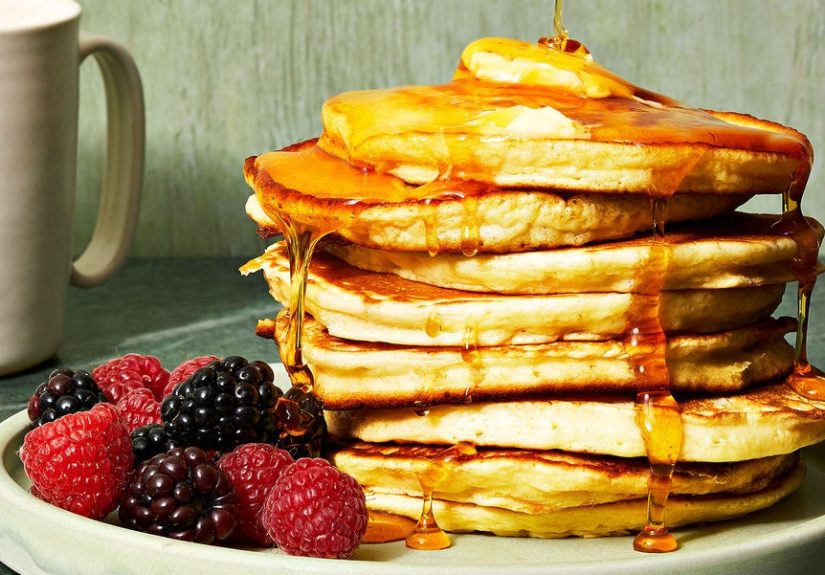
There are two kinds of mornings: the ones where you wake up ready to conquer the world… and the ones where you’d like the world to please stop emailing you. Homemade pancake mix is for both. It’s the “future-you” gift that turns a sleepy weekend (or a chaotic weekday) into warm, fluffy pancakes in minuteswithout relying on a box that tastes like it was designed by a committee of beige.
This guide gives you a reliable big-batch homemade pancake mix recipe, explains why each ingredient matters, and shows you how to customize pancakes (and waffles!) so you get the texture you want: tender centers, golden edges, and stacks that don’t feel like you’re chewing a yoga mat.
Why Make Homemade Pancake Mix?
- Speed: Mix once, scoop forever. Pancakes become a “5-minute decision,” not a “45-minute life event.”
- Better flavor: You control the sweetness, salt, and add-insno mystery “butter flavor crystals.”
- Consistency: A good DIY pancake mix locks in a tested ratio, so you’re not reinventing breakfast every Saturday.
- Customization: Want buttermilk tang, diner-style browning, whole grain vibes, or waffles? Done.
The “Best” Pancake Mix: What We’re Optimizing For
“Best” isn’t one thingit’s a pancake personality test. This recipe aims for a balanced, crowd-pleasing stack: fluffy but not cakey, tender but not fragile, and golden without needing a smoke alarm. The mix uses a blend of leaveners for lift, plus a small amount of starch for softness. Then you choose your liquid (milk or buttermilk) and your fat (butter, oil, or even clarified butter) depending on how rich you want it.
Homemade Pancake Mix Ingredients (and What They Actually Do)
All-purpose flour
The structure. Too little and pancakes collapse. Too much mixing and they get tough. This is why “lumps are fine” is basically pancake scripture.
Cornstarch
Optional but highly recommended for “box-mix tenderness.” A bit of starch softens the crumb and helps pancakes feel lighter without turning them into airy nothingness.
Sugar (or confectioners’ sugar)
A little sugar improves browning and flavor. Confectioners’ sugar dissolves fast and can make the mix extra smoothuse whichever you keep around.
Baking powder + baking soda
Two leaveners are better than one when you want consistent lift across different liquids. Baking powder has its own acid built in; baking soda needs an acid (like buttermilk or lemon juice) to wake up and do its bubbly thing.
Salt
Not optional. Salt is the reason your pancakes taste like “breakfast” instead of “warm flour discs.”
Optional: malted milk powder
If you’ve ever wondered why diner pancakes brown so evenly and taste a little extra “toasty-sweet,” malted milk powder is a strong suspect. It adds depth and helps with golden coloruse it as a partial sugar replacement.
The Best Homemade Pancake Mix Recipe (Big Batch)
Makes: about 9 cups dry mix (roughly 4 family-size batches of pancakes)
Dry Mix
- 6 1/2 cups all-purpose flour
- 1 cup cornstarch
- 3/4 cup granulated sugar (or 1 cup confectioners’ sugar)
- 1/4 cup baking powder
- 1 teaspoon baking soda
- 2 teaspoons kosher salt (or 1 1/2 teaspoons fine salt)
Optional Flavor Boosters
- 2 to 4 tablespoons malted milk powder (reduce sugar slightly if you add this)
- 1 teaspoon ground cinnamon (cozy pancakes)
How to Make the Mix
- Sift (or whisk like you mean it): Combine everything in a large bowl. If your baking powder is clumpy, sift it so it distributes evenly.
- Whisk thoroughly: You want a uniform mixno “surprise salt pockets.”
- Store smart: Transfer to an airtight container or zip bag. Label it with the date and the “how to use” instructions (future-you loves receipts).
How to Use Homemade Pancake Mix (The Easy Formula)
Classic Pancakes (Milk Version)
For 12–14 pancakes:
- 2 1/4 cups homemade pancake mix
- 1 1/4 cups milk (whole milk is richest, but 2% works)
- 2 large eggs, lightly beaten
- 3 tablespoons melted butter (or neutral oil)
- 1/2 teaspoon vanilla (optional)
Milk-only tip: If your mix includes baking soda and you’re using regular milk (not buttermilk), add a small acidic helper like a splash of lemon juice to encourage better rise and reduce any “baking soda” aftertaste.
Buttermilk Pancakes (Tangy + Extra Fluffy)
Swap the milk for buttermilk. If your batter becomes too thick, add a little more buttermilk a tablespoon at a time until it pours easily but still looks plush.
Quick Waffles (Yes, from the Same Mix)
Use the same base, but add a little more fat for crispness. Try:
- 2 cups pancake mix
- 1 1/2 cups milk or buttermilk
- 2 eggs
- 1/4 cup melted butter or oil
Step-by-Step: Pancakes That Don’t Betray You
1) Mix the wet ingredients first
Whisk milk/buttermilk, eggs, and melted butter (or oil) until combined. If using melted butter, cool it slightly so it doesn’t scramble the eggs. (Delicious? Maybe. Pancake? No.)
2) Add dry mix and stir gently
Add the measured pancake mix to the wet ingredients. Stir until just combinedsome lumps are good. Overmixing develops gluten and can lead to tougher pancakes.
3) Rest the batter
Let batter rest 5–15 minutes. This improves hydration and texture, and gives leaveners time to start working. Use the time to set the table, slice fruit, or dramatically announce, “BRUNCH IS HAPPENING.”
4) Heat your pan like a pro
A steady medium heat is the goal. On a griddle, aim for roughly 350–375°F. No thermometer? Do a test pancake or drop a small spoonful of batter: it should turn pale golden after about a minute. Adjust heat from there.
5) Lightly grease (or don’t)
Some cooks swear by a dry nonstick skillet for even browning. Others prefer a thin film of oil. If butter burns and leaves black specks, switch to oil or clarified butter. The point is: control the browning, don’t audition for a kitchen fire documentary.
6) Scoop, wait for bubbles, then flip once
Use about 1/4 cup batter for standard pancakes. Flip when you see bubbles across the surface and the edges look slightly set. Cook the second side a bit less than the first.
7) Keep a batch warm (without drying it out)
Place finished pancakes in a single layer on a baking sheet in a low oven (around 200°F) while you cook the rest. Don’t hold them too long or they’ll start to dry.
Customizations: Make One Mix Feel Like Ten
Diner-style browning
Add 2–4 tablespoons malted milk powder to the dry mix and reduce sugar a bit. You’ll get deeper flavor and a prettier golden surface.
Whole grain pancakes (without becoming cardboard)
Swap up to 1/2 of the all-purpose flour for whole wheat flour. If batter feels thick, add a splash more milk. Whole grains drink liquid like it’s their full-time job.
Buckwheat pancakes
Replace 1/3 to 1/2 of the flour with buckwheat flour for nutty flavor. Consider pairing with honey, berries, or lemony toppings.
Fruit and chocolate
Instead of stirring delicate add-ins into the whole bowl (where they can bleed or break), sprinkle blueberries or chocolate chips onto pancakes after you pour the batter, while the first side cooks.
Protein-friendly pancakes (realistic version)
Add a spoonful of Greek yogurt to the wet ingredients, or serve pancakes with a protein side (eggs, yogurt, nut butter). Pancakes don’t have to carry the whole nutrition team on their backs.
Storage: How Long Does Homemade Pancake Mix Last?
- Room temperature: Store in an airtight container in a cool, dry place. Many big-batch mixes keep well for months; label yours and pay attention to the expiration date of your baking powder.
- Keep moisture out: Steam from the stove + open container = clumps. Scoop what you need away from heat and reseal promptly.
- If you add fat to the dry mix: Some “big-batch” methods blend butter into the mix for richer flavor, but that version should be refrigerated for safety and freshness.
Troubleshooting: Pancake Problems and Fast Fixes
My pancakes are flat
- Check your baking powder. If it’s old, it won’t lift.
- Make sure you rested the batter briefly and didn’t overmix it.
- Pan too hot can “set” the outside before the pancake rises.
My pancakes are dense or tough
- You likely overmixed. Stir just until combined.
- Don’t press pancakes with a spatula after flippinglet them stay airy.
My pancakes brown too fast but stay raw inside
- Lower the heat and cook a little longer. Pancakes like patience, not chaos.
- Use a test pancake to dial in temperature before you commit the whole batch.
Make-Ahead Pancakes: Freeze Like a Breakfast Genius
Cook pancakes, cool completely, and freeze with parchment or wax paper between them so they don’t fuse into one giant pancake sheet (which sounds fun until it isn’t). Reheat in a toaster or toaster oven for best texture.
of Real-Life Pancake Mix Experiences (a.k.a. “How This Saves Mornings”)
One of the sneakiest joys of homemade pancake mix is how it turns “I guess we should eat” into “wow, we’re thriving.” A common routine is the Sunday jar ritual: someone measures flour, starch, sugar, and leaveners into a giant bowl, whisks it until it looks like fresh snow, then pours it into a container big enough to qualify as a small aquarium. The label on the front says something practical like “PANCAKES,” but the label on the inside says, “Congratulations. You have defeated weekday breakfast.”
Another experience you’ll notice: your second batch is always better than your first. The first pancake is a scout. It goes out into the skillet to report back on heat level and grease strategy. If it browns too quickly, you turn the heat down. If it looks pale and sad after a minute, you turn it up. This is not failureit’s calibration. Even experienced cooks treat the first pancake as the warm-up lap.
Homemade pancake mix also shines in “build-your-own topping bars”especially when feeding multiple people. Put out berries, sliced bananas, peanut butter, whipped cream, chocolate chips, cinnamon sugar, and maple syrup. Suddenly pancakes aren’t just breakfast; they’re an edible craft project. Kids love it. Adults also love it, but we pretend it’s “for the kids.”
Then there’s the camping or travel version of life, where pancake mix becomes a flexible tool. With a jar of dry mix, you can make pancakes in a rental cabin kitchen with mismatched pans and exactly one fork. If you add buttermilk, great. If not, milk works. If you have neither, even water plus a little extra fat can get you something warm and pancake-adjacentespecially if the topping situation is strong. (Maple syrup has an impressive ability to improve morale.)
Many home cooks also discover that pancake mix is a gateway to breakfast-for-dinner. When you’re too tired to cook a whole meal, pancakes plus eggs become the fastest “real dinner” that still feels comforting. And because the mix is homemade, it doesn’t taste like you’ve given up; it tastes like you’ve made a strategic decision to be happy.
Finally, you’ll likely develop your own signature tweak. Some people add malted milk powder for that diner-style flavor. Others toss in cinnamon or a pinch of nutmeg. Some keep it simple but always use buttermilk. The point is: once you’ve made pancake mix once, you’ll stop asking, “Should we make pancakes?” and start asking, “How many pancakes are we emotionally prepared to handle today?”
Conclusion
The best homemade pancake mix is the one that makes your mornings easier and tastes like you actually meant to do it. Start with the big-batch recipe above, keep your batter gently mixed, rest it briefly, and cook on steady heat. From there, customize the flavor and texture until your pancakes feel like your personal breakfast signaturewhether that signature says “classic and fluffy” or “I added chocolate chips and I regret nothing.”






 Close
Close