Table of Contents >> Show >> Hide
- What “Doing the Right Thing” Really Means on Screen
- 15 Times Movie Characters Make the Painful Right Choice
- Casablanca (1942) Rick lets Ilsa go (and chooses the bigger fight)
- 12 Angry Men (1957) Juror 8 refuses to rush a life-or-death verdict
- The Dark Knight (2008) Batman takes the blame to protect hope
- Spider-Man 2 (2004) Peter Parker gives up what he wants to do what he must
- Captain America: The First Avenger (2011) Steve chooses duty over the life he finally earned
- The Lord of the Rings: The Fellowship of the Ring (2001) Frodo walks away to protect his friends
- The Hunger Games (2012) Katniss volunteers to save Prim
- Frozen (2013) Anna chooses an act of true love that costs her everything
- Up (2009) Carl lets go of the dream to protect the living
- Toy Story 3 (2010) Andy says goodbye the grown-up way
- Inside Out (2015) Bing Bong helps Joy escape, even if it means being left behind
- The Iron Giant (1999) The Giant chooses who he is, not what he was built for
- Logan (2017) Logan protects the next generation, even when he’s exhausted
- A Few Good Men (1992) Kaffee pursues truth when it would be easier to settle
- E.T. the Extra-Terrestrial (1982) Elliott says goodbye so E.T. can go home
- Why These Moments Stay With Us
- of Experiences Related to These Scenes (Because We’ve All Felt This)
- Wrap-Up
Some movie moments don’t just make you crythey make you agree with the tears. The character makes the ethical call, the brave call, the “this is going to sting for a long time” call… and you can practically hear the universe whisper, “Yep. That’s adulthood.”
These scenes hit hard because they don’t rely on superpowers (okay, not only superpowers). They rely on something messier and rarer: integrity. The kind that costs you something. The kind you don’t do for applausebecause there usually isn’t any.
Spoiler note: This list discusses major turning points and endings. If you’re spoiler-sensitive, consider bookmarking this and coming back after a movie marathon.
What “Doing the Right Thing” Really Means on Screen
In real life, “the right thing” often looks boring. It’s paperwork. It’s an apology. It’s not posting the petty comment. Movies, thankfully, make it cinematicbut the moral engine is the same. A character:
- Chooses honesty over comfort.
- Puts someone else’s safety above their own wants.
- Gives up love, glory, or control because it’s the fair choice.
- Accepts consequences to protect others.
And the “hurts” part matters. If the choice costs nothing, it’s not a sacrificeit’s a convenient personality trait.
15 Times Movie Characters Make the Painful Right Choice
Casablanca (1942) Rick lets Ilsa go (and chooses the bigger fight)
Rick Blaine could’ve grabbed happiness with both hands. Instead, he opens his hands and lets it fly away. By helping Ilsa and Victor Laszlo escape, Rick chooses resistance over romance and purpose over personal comfort. It’s not just nobleit’s devastating, because he wants the other outcome. The scene works because it doesn’t pretend the right choice feels good. It feels like swallowing a whole suitcase of regret… and doing it anyway.
12 Angry Men (1957) Juror 8 refuses to rush a life-or-death verdict
Everyone else wants to be done. The room is hot, tempers are hotter, and the easiest thing in the world is to go with the crowd. Juror 8 doesn’t even claim the defendant is innocenthe simply insists they take the responsibility seriously. That’s the right thing, and it makes him the target of frustration, ridicule, and suspicion. His choice costs him comfort and social safety, and it turns a “simple vote” into a moral stand: justice requires patience, not vibes.
The Dark Knight (2008) Batman takes the blame to protect hope
Batman could clear his name. He could explain everything. But the movie argues something painfully human: sometimes people need a symbol more than they need the full truth. By taking responsibility for Harvey Dent’s crimes, Batman protects Gotham’s fragile faith in its “good guy.” It’s the right thing in a tragic, controversial wayhe becomes a villain in the public story so that ordinary people can keep believing change is possible. Heroism, here, is reputational bankruptcy.
Spider-Man 2 (2004) Peter Parker gives up what he wants to do what he must
Peter’s life is falling apart under the weight of responsibility. So he tries the “normal life” pathno mask, no web-slinging, no constant danger. Then the city needs him, and he returns anyway, knowing it will cost him time, stability, and relationships. What hurts most isn’t the actionit’s the quiet realization that doing the right thing isn’t a one-time decision. It’s a daily subscription plan you never asked for… and can’t cancel.
Captain America: The First Avenger (2011) Steve chooses duty over the life he finally earned
Steve Rogers starts as the guy everyone underestimatesand ends as the guy who quietly accepts the hardest job. When the moment comes, he makes the call that protects others at a personal cost that’s impossible to neatly repay. The right thing, for Steve, isn’t flashy. It’s painfully consistent: he does what needs to be done, even if he’s the one who has to lose the most. It’s the superhero version of returning the shopping cart. Forever.
The Lord of the Rings: The Fellowship of the Ring (2001) Frodo walks away to protect his friends
Frodo’s choice isn’t just braveit’s lonely. He sees what the Ring is doing to the people around him, even the ones with good intentions. So he decides to continue the quest with as little temptation and conflict as possible, even if it means separating from the community that gave him strength. The pain is the point: he’s not rejecting friendship; he’s protecting it. Sometimes the right thing looks like leaving the party early because you’re the only one who notices the kitchen is on fire.
The Hunger Games (2012) Katniss volunteers to save Prim
Katniss doesn’t hesitate, because love doesn’t always give you time for a strategy meeting. She steps forward to take her sister’s place in a deadly system designed to crush hope. The right thing here isn’t complicatedit’s primal, protective, and terrifying. The hurt isn’t only the danger; it’s the unfairness of being forced to prove your love in public, like the Capitol has turned family into entertainment. Her choice is a refusal to let innocence pay the bill.
Frozen (2013) Anna chooses an act of true love that costs her everything
Anna spends most of the story chasing a romantic “true love” solutionthen learns true love can be selfless, immediate, and not about romance at all. In the crucial moment, she prioritizes her sister’s life over her own survival. It’s the right choice, and it’s heartbreaking because she finally understands what matters right as the consequences arrive. The movie’s genius is that it makes the moral lesson emotional, not preachy: love is action, not a speech.
Up (2009) Carl lets go of the dream to protect the living
Carl’s house isn’t just a houseit’s a container for grief, memory, and promises. And that’s why the right choice hurts: he has to stop clinging to the past long enough to save real people in the present. When Carl releases what he’s been dragging around (physically and emotionally), it’s not “moving on” in a tidy montage. It’s choosing compassion over nostalgia. It’s accepting that love isn’t only what you keepit’s what you do next.
Toy Story 3 (2010) Andy says goodbye the grown-up way
Andy’s decision isn’t dramatic in the explosion sensejust emotionally nuclear. He could store the toys forever, freezing childhood in amber. Instead, he gives them a future, even though it means acknowledging a truth that stings: you can’t take every version of yourself with you. The “right thing” is letting beloved things be loved again, by someone who still needs them. It’s generous, and it hurts, because it’s also a quiet funeral for a chapter of life.
Inside Out (2015) Bing Bong helps Joy escape, even if it means being left behind
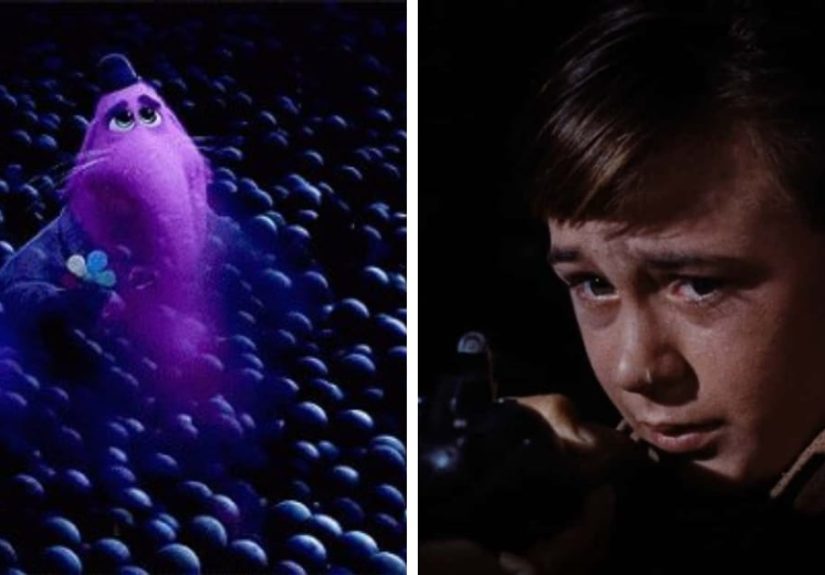
Bing Bong is pure childhood imaginationsweet, hopeful, and terrified of being forgotten. When he chooses to help Joy get out of the Memory Dump, he’s choosing Riley’s well-being over his own existence in her mind. That’s the gut punch: the “right thing” here is acceptance. Growing up means some parts of childhood fade, not because they were worthless, but because you’re making room. Bing Bong’s moment hurts because it’s true: love sometimes looks like stepping aside so someone else can keep going.
The Iron Giant (1999) The Giant chooses who he is, not what he was built for
The Iron Giant spends the story learning a radical idea: you are what you choose to be. When danger arrives, he makes the ultimate choiceprotecting others and refusing to become the weapon everyone fears. The right thing hurts because it costs him everything, and because he finally understands his own identity right when he has to prove it. It’s not just a sacrifice; it’s a statement. The movie basically hands you a moral thesis with a hug and then breaks your heart politely.
Logan (2017) Logan protects the next generation, even when he’s exhausted
Logan isn’t shiny-hero hopefulhe’s tired, worn down, and done with the world. Which makes his choice matter more. When he commits to protecting Laura and the other kids, he’s choosing responsibility in a world that hasn’t rewarded it. The hurt is layered: physical danger, emotional vulnerability, and the terrifying act of caring again. Doing the right thing here isn’t triumphantit’s stubborn. It’s love expressed as endurance, the way a candle keeps burning in a windstorm out of pure spite.
A Few Good Men (1992) Kaffee pursues truth when it would be easier to settle
Lt. Daniel Kaffee starts out cruising on charm and low effort. But the case demands something else: accountability. Pursuing the truth puts him at odds with powerful forces and risks embarrassment, professional fallout, and personal fear. The right thing hurts because it requires him to grow up in publicno hiding behind jokes, no shortcuts. The film’s moral pressure cooker is simple: if you know something is wrong, do you accept the convenient version… or do you demand the real one and pay the price?
E.T. the Extra-Terrestrial (1982) Elliott says goodbye so E.T. can go home
Kids’ movies can be the most emotionally ruthless, because they understand a truth adults dodge: love doesn’t mean possession. Elliott helps E.T. return home, even though it means losing his best friend. It’s the right choiceE.T. belongs with his own peopleand it hurts because Elliott is old enough to understand what goodbye really means, but too young to have practiced it much. The moment lands like a gentle piano chord that somehow knocks the wind out of you.
Why These Moments Stay With Us
Big moral choices in movies work like emotional flashlights. They show us what a character values, but they also spotlight what we value. These scenes linger because they reject the fantasy that the right thing is always rewarded. Sometimes it costs love. Sometimes it costs reputation. Sometimes it costs certainty. And yetthese characters do it anyway, which is basically the cinematic version of hope with bruises.
of Experiences Related to These Scenes (Because We’ve All Felt This)
Even if you’ve never flown a balloon house to South America (no judgmentdream big), you’ve probably recognized yourself in these moments. Not in the “I saved a city” way, but in the quieter, daily-life way: the choice between what’s easy and what’s right.
There’s a specific feeling that shows up when a character makes a painful ethical decision. First comes the instant protest: “No, don’t do that!” because part of us wants the softer ending. Then comes the slow respect: “Oh. They really did it.” And finally, for the scenes that hit hardest, there’s a third beatrecognition. Because the sacrifice isn’t just plot; it’s a mirror.
Think about the “Rick in Casablanca” feeling. That’s what it’s like when you care about someone but realize the best thing for them isn’t the best thing for you. Or the “Juror 8” feelingwhen you’re the only person in the group chat who says, “Hey, are we sure we’re being fair?” and suddenly you’re the villain of the evening. Or the “Andy giving away the toys” feelingwhen you clean out a drawer and find something that used to be your whole personality, and you realize it’s time to let it belong to memory instead of your closet.
These movie experiences also explain why “doing the right thing” can feel oddly lonely. Most people will celebrate courage after it works. But during the decisionwhen you don’t know the outcome yetcourage can feel like standing in the doorway while everyone else is already sitting down. Movies capture that awkward middle space: the character knows what must be done, but they don’t get a guaranteed happy return policy.
And here’s the strange comfort: scenes like Bing Bong’s, or the Iron Giant’s, or Anna’s remind us that sacrifice isn’t always about losing everything. Sometimes it’s about protecting what matters. It’s choosing the person over the pride, the truth over the performance, the future over the fantasy. The pain is real, but the meaning is real too.
That’s why people rewatch these scenes even when they know they’ll tear up. It’s not emotional self-sabotage (okay, it might be a little). It’s practice. These stories help us rehearse hard choices in a safe place. They teach us that you can feel heartbreak and still make a good decision. You can miss something and still let it go. You can be afraid and still be brave. And sometimes, the most heroic thing you can do is simply choose what’s rightno matter how much it hurts.
Wrap-Up
Movies don’t just entertain usthey hand us emotional case studies. And when a character chooses the right thing at personal cost, it sticks because it’s both aspirational and painfully believable. The best of these moments don’t say, “Look how perfect this hero is.” They say, “Look how hard this is… and look how worth it it can be.”