Table of Contents >> Show >> Hide
- Why Homemade Fake Blood Works So Well
- Safety and Cleanup Tips Before You Start
- Recipe 1: Classic Corn Syrup Fake Blood
- Recipe 2: Edible Powdered Sugar Fake Blood
- Recipe 3: Washable Costume Fake Blood
- Recipe 4: Thin Splatter Fake Blood
- How to Adjust the Color of DIY Fake Blood
- How to Use Fake Blood Without Making a Disaster
- Storage: Can You Make Fake Blood Ahead of Time?
- Common Mistakes to Avoid
- Real-World Experience: What Actually Happens When You Make DIY Fake Blood
- Conclusion
Note: These DIY fake blood recipes are intended for costumes, theater, film projects, photo shoots, haunted-house props, and Halloween crafts. Always test on a small area of skin or fabric first, avoid the eyes, keep non-edible versions away from the mouth, and supervise younger makers. Fake blood should make your costume dramaticnot your laundry day legendary.
Why Homemade Fake Blood Works So Well
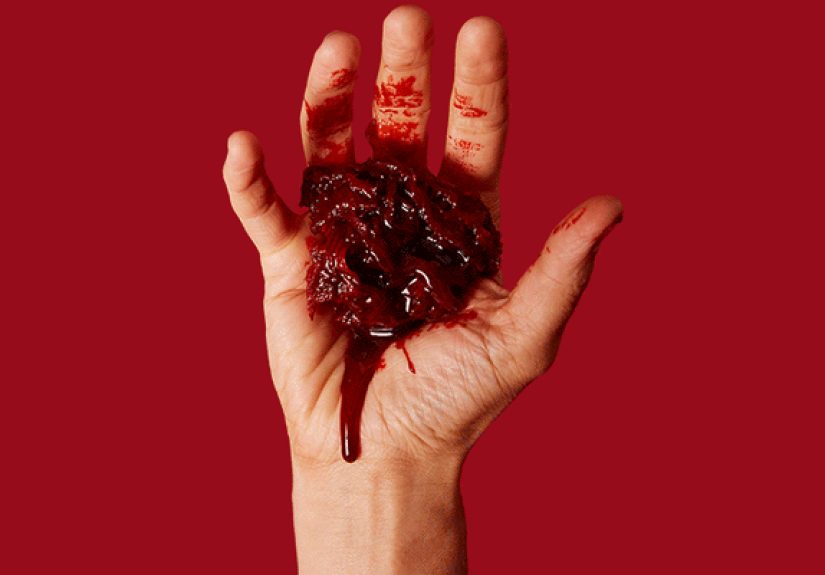
Store-bought fake blood is convenient, but homemade fake blood has one major advantage: control. You can adjust the color, thickness, shine, flow, and cleanup level depending on what you need. A vampire costume needs a glossy drizzle. A haunted mirror needs thin splatter. A stage costume may need something that looks bold under lights but does not permanently ruin a white shirt. A kid-friendly party craft needs ingredients that are simple, affordable, and easy to understand.
The best DIY fake blood recipes usually rely on four types of ingredients. A syrupy base, such as corn syrup, gives the mixture shine and slow movement. A color source, usually red food coloring, creates the classic theatrical look. Darkeners like cocoa powder, chocolate syrup, blue food coloring, or green food coloring keep the red from looking cartoonish. Thickeners like cornstarch or powdered sugar add body, opacity, and a more convincing texture.
Before you mix anything, decide where the fake blood will go. Skin? Clothing? Props? A tabletop decoration? Around the mouth for a costume photo? That decision matters because edible fake blood and washable fake blood are not the same thing. A recipe with dish soap or laundry detergent may clean up better from fabric, but it should never be eaten or used near lips. A recipe made from corn syrup and food-safe ingredients is more costume-friendly for the face, but it may stain fabric. In other words, choose your recipe like you choose your Halloween candy: carefully, and with a little suspicion.
Safety and Cleanup Tips Before You Start
Do a Small Test First
Apply a tiny amount to a hidden seam of fabric or a small patch of skin before using a full batch. Food coloring can stain hands, costumes, countertops, tile grout, and anything else that decides to be dramatic. If the recipe will touch skin, wait a little while and check for irritation. People with sensitive skin or dye sensitivities should be extra cautious.
Protect Your Workspace
Cover your table with newspaper, parchment paper, a plastic tablecloth, or an old towel. Use glass, metal, or disposable bowls when possible because plastic can hold color. Keep paper towels nearby. Fake blood has a special talent for appearing on elbows, cabinet handles, and the dog’s water bowl when nobody remembers touching them.
Know What Is Edible and What Is Not
Only recipes made with food-safe ingredients should go near the mouth. If a recipe contains dish soap, laundry detergent, craft pigment, glue, or other cleaning/craft materials, treat it as prop-only. Label your bowls if you are making more than one batch. “Looks like cherry syrup” is not the same as “should be consumed.”
Recipe 1: Classic Corn Syrup Fake Blood
This is the all-purpose recipe most people should try first. It is glossy, sticky, easy to mix, and perfect for costumes, props, and Halloween decorations. It has a deep red color with just enough darkness to avoid looking like melted candy.
Best For
Vampire costumes, zombie costumes, stage props, haunted-house decorations, photo shoots, and general Halloween effects.
Ingredients
- 1 cup light corn syrup
- 2 tablespoons chocolate syrup
- 8 to 12 drops red food coloring
- 1 drop blue or green food coloring, optional
- 1 teaspoon cornstarch, optional for a thicker look
How to Make It
- Pour the corn syrup into a bowl.
- Add the chocolate syrup and stir slowly until fully blended.
- Add red food coloring a few drops at a time.
- If the color looks too bright, add one tiny drop of blue or green food coloring.
- For extra thickness, whisk in cornstarch until smooth.
- Test a small drop on a white paper towel to check the color and flow.
Pro Tips
Use light corn syrup if you want more control over the final shade. Use dark corn syrup if you want a moodier, older-looking color. Chocolate syrup adds depth and makes the fake blood less transparent. If the mixture becomes too thick, add a few drops of warm water. If it runs too much, add a little more corn syrup or cornstarch.
This recipe is technically made from food ingredients, but it is very sugary and messy. Use it carefully around costumes, upholstery, carpet, and anything white. White fabric and red dye are sworn enemies.
Recipe 2: Edible Powdered Sugar Fake Blood
This recipe is great when you need a smoother, more opaque fake blood that can be used near the mouth for a costume photo or theatrical moment. Powdered sugar thickens the mixture while cocoa powder softens the bright red color. The blender helps create a silky texture without little lumps floating around like they missed the meeting.
Best For
Face-safe costume effects, vampire makeup, theater scenes, film close-ups, and situations where the fake blood may accidentally touch lips.
Ingredients
- 1/2 cup water
- 1 cup powdered sugar
- 1 tablespoon red food coloring
- 1 teaspoon cocoa powder
- 1 teaspoon corn syrup, optional for shine
How to Make It
- Add water to a blender first.
- Add powdered sugar and blend on low until smooth.
- Add red food coloring and blend again.
- Add cocoa powder and blend until the color becomes deeper.
- Add corn syrup if you want a shinier finish.
- Pour into a small squeeze bottle or sealed jar.
Pro Tips
If the mixture is too pale, add more red food coloring. If it looks too bright, add a pinch more cocoa powder. Do not overdo the cocoa unless you want chocolate sauce wearing a Halloween costume. For a thinner drip, add water one teaspoon at a time. For a thicker ooze, add more powdered sugar.
Because this recipe uses food coloring, it can still stain skin and clothing. Edible does not mean invisible. Keep wipes nearby, wear old clothes during application, and remove it as soon as the costume moment is over.
Recipe 3: Washable Costume Fake Blood
This recipe is designed for clothing and props where cleanup matters more than edibility. The dish soap helps the mixture spread and rinse more easily than syrup-only versions. It is not food-safe, so do not use it near the mouth, eyes, or on very sensitive skin. Think of this as “costume laundry blood,” not “vampire snack blood.”
Best For
Old shirts, lab coats, aprons, haunted-house cloth, washable props, and costume pieces that need bold color without maximum stickiness.
Ingredients
- 1/2 cup clear dish soap
- 2 tablespoons corn syrup
- 10 to 15 drops red food coloring
- 1 drop blue food coloring, optional
- 1 teaspoon cocoa powder, optional
How to Make It
- Pour clear dish soap into a bowl.
- Stir in corn syrup for a thicker, glossier texture.
- Add red food coloring gradually.
- Add one drop of blue food coloring if the red looks too bright.
- Stir gently to avoid creating too many bubbles.
- Brush, drip, or dab onto fabric after testing a hidden area first.
Pro Tips
Use clear dish soap rather than green, blue, or purple soap. Colored soap can change the final shade in strange ways. A little cocoa powder can deepen the color, but it may also make the mixture less smooth. If you want a splattered look, thin the recipe with a teaspoon of water at a time.
Even washable fake blood can stain, especially on delicate, white, vintage, or dry-clean-only fabrics. Use old clothing or thrift-store pieces when possible. Rinse with cool water first, then pretreat and launder according to the garment label. Hot water can set some stains, so do not rush in with boiling water like an overconfident wizard.
Recipe 4: Thin Splatter Fake Blood
Sometimes you do not need thick fake blood. You need a thin, splashy mixture for props, paper, windows, plastic sheeting, or a spooky background. This version is simple, fast, and easy to adjust. It is not as realistic up close as the syrup recipes, but it works well from a distance and dries more lightly.
Best For
Poster boards, party signs, haunted-house props, plastic tablecloths, paper crafts, and background decoration.
Ingredients
- 1/2 cup water
- 12 to 18 drops red food coloring
- 1 drop blue or green food coloring, optional
- 1 teaspoon corn syrup, optional for shine
How to Make It
- Add water to a small bowl or spray bottle.
- Mix in red food coloring.
- Add one tiny drop of blue or green if you want a darker tone.
- Add corn syrup if you want the mixture to cling slightly.
- Test on scrap paper, cardboard, or a disposable surface.
- Apply with a brush, toothbrush, sponge, or spray bottle depending on the effect you want.
Pro Tips
For a fine mist, use a spray bottle and keep the mixture very thin. For larger dots, dip an old toothbrush into the mixture and flick the bristles toward your prop. Wear gloves unless you want your fingers to look like you have been opening suspicious jars of jam.
This recipe is best for decorations, not realistic close-up makeup. It can run quickly on smooth surfaces, so apply lightly and build in layers. Let each layer dry before adding more. That small bit of patience can be the difference between “cool haunted sign” and “red puddle with commitment issues.”
How to Adjust the Color of DIY Fake Blood
If It Looks Too Bright
Add a tiny amount of cocoa powder, chocolate syrup, blue food coloring, or green food coloring. Start small. One drop of blue can transform a cheerful candy red into a deeper theatrical red. Three drops can send the whole bowl into purple territory.
If It Looks Too Brown
Add more red food coloring or a little corn syrup to brighten the mixture. If you used too much cocoa powder, you may need to increase the liquid base as well.
If It Looks Too Transparent
Add cornstarch, powdered sugar, or cocoa powder. Opacity matters because very transparent fake blood can look like colored water. A slightly cloudy mixture usually looks better in photos and under stage lights.
If It Is Too Thick
Add water a few drops at a time. Stir slowly and test frequently. It is easy to thin fake blood, but harder to rescue it after turning it into red soup.
If It Is Too Runny
Add corn syrup, powdered sugar, or cornstarch. Give the mixture a minute to settle before judging the final texture. Some thickeners need a short rest before they show their full effect.
How to Use Fake Blood Without Making a Disaster
Apply fake blood after you put on the costume, not before. This helps you place it exactly where it belongs and avoid smearing it while pulling a shirt over your head. Use cotton swabs for small details, makeup sponges for soft smears, paintbrushes for controlled lines, and squeeze bottles for drips. Keep the look intentional. Random red everywhere can look less like costume design and more like a ketchup bottle had a personal crisis.
For clothing, hang the garment on a hanger or lay it flat over a protected surface. Add fake blood in layers. Let the first layer dry slightly, then add a second layer for depth. For props, test whether the surface is porous. Cardboard absorbs quickly. Plastic may cause the mixture to bead and run. Wood can stain permanently. Glass is easy to wipe but slippery during application.
For face makeup, use only edible or skin-safe recipes and avoid the eyes. Remove the fake blood promptly with mild soap and lukewarm water. If skin feels irritated, stop using the mixture. A costume is not worth angry skin, and angry skin is famous for overstaying its welcome.
Storage: Can You Make Fake Blood Ahead of Time?
Yes, most homemade fake blood can be made ahead of time for short-term use. Store it in a clean jar or squeeze bottle with a tight lid. Keep food-based recipes in the refrigerator and use them within a few days. Stir or shake before using because ingredients may separate. If the mixture smells odd, changes texture, or looks questionable, throw it away and make a fresh batch.
Do not store fake blood in unlabeled food containers. A red syrupy jar in the fridge can confuse people, and nobody wants to discover that the “strawberry sauce” was actually made for a haunted scarecrow. Label it clearly with the recipe type and date.
Common Mistakes to Avoid
Using Too Much Food Coloring at Once
Add color gradually. You can always add more, but you cannot politely ask dye to leave.
Skipping the Fabric Test
Even recipes described as washable can leave marks. Always test first, especially on costumes you care about.
Using Non-Edible Recipes Near the Mouth
Dish soap and detergent recipes are for props and fabric only. Keep them away from lips, eyes, and young children.
Expecting One Recipe to Do Everything
A splatter recipe will not ooze well. A syrup recipe will not rinse as easily. A washable recipe may not be safe for face effects. Match the recipe to the job.
Real-World Experience: What Actually Happens When You Make DIY Fake Blood
The first thing you learn when making homemade fake blood is that the recipe looks different in the bowl than it does on skin, fabric, paper, or plastic. In the bowl, it may look too dark. On a white shirt, it may suddenly look bright. On cardboard, it may dry dull. On plastic, it may slide around like it has somewhere more important to be. That is why the paper towel test is so useful. A single drop tells you more than five minutes of staring into a bowl like a suspicious scientist.
The second lesson is that lighting changes everything. Under warm indoor bulbs, chocolate syrup fake blood looks rich and dramatic. In bright daylight, the same mixture may look a little brown. Under stage lights, thin red mixtures can appear flatter than expected, while thicker recipes with cocoa or cornstarch usually hold up better. If you are making fake blood for photos, test it with the camera you will use. Phone cameras often boost contrast and saturation, which can make a subtle mixture look more intense.
Another practical discovery: squeeze bottles are your best friend. A spoon works, but it can create blobs. A brush works, but it may leave obvious strokes. A squeeze bottle gives you control over drips, lines, and placement. For splatter, an old toothbrush creates a more natural pattern than a giant paintbrush. Just remember to point it at the prop, not at the wall, the ceiling, or your friend who “only came to watch.”
When working with costumes, old clothing is the safest choice. Even if you plan to wash everything, food coloring can be stubborn. A thrift-store shirt, inexpensive lab coat, or retired white dress shirt gives you freedom to experiment. If you need the costume to survive, use removable panels, aprons, or accessories that can be replaced. Theater teams often think this way because one messy effect can become expensive if it damages a costume needed for multiple performances.
Kids and teens usually enjoy the mixing process, but it helps to turn the activity into a mini science experiment. Make one small batch with only red coloring, one with cocoa, and one with a drop of blue or green. Compare them on paper towels. Ask which one looks best from across the room and which one looks best up close. This makes the project more creative and less chaotic. It also teaches a useful lesson: realism often comes from small adjustments, not dumping in half the pantry.
Cleanup is easiest when you prepare before opening the food coloring. Put down a protective cover, wear gloves, and keep cool water nearby. Rinse tools quickly before the mixture dries. If fake blood gets on fabric, blot instead of rubbing. Rubbing can push dye deeper into the fibers. For skin, mild soap and patience usually work better than aggressive scrubbing.
The best experience tip is simple: make less than you think you need. A little fake blood goes a long way, especially for costumes and props. You can always mix a second batch in two minutes. But if you make a huge bowl, someone will feel morally obligated to use all of it, and suddenly the project goes from “spooky detail” to “why is the porch sticky?”
Conclusion
Learning how to make fake blood is easy once you understand what each ingredient does. Corn syrup adds shine and slow movement. Chocolate syrup and cocoa powder deepen the color. Powdered sugar and cornstarch create thickness and opacity. Water makes a mixture splatter-friendly. Dish soap can help with washable costume effects, but it must stay away from the mouth and eyes.
For most people, the classic corn syrup fake blood recipe is the best place to start. Choose the edible powdered sugar recipe for face-safe costume moments, the washable version for fabric experiments, and the thin splatter recipe for decorations and props. Test first, adjust slowly, protect your workspace, and remember: the goal is spooky fun, not a permanent reminder on your favorite hoodie.